
Fascinating People
History is shaped by ideas, but ideas rarely emerge on their own.
Behind every turning point stand individuals who imagined something new, challenged accepted wisdom, exercised remarkable leadership or preserved knowledge that might otherwise have been lost. Some were rulers, others scholars, inventors, explorers, reformers or artists. A few transformed the world during their own lifetimes. Others planted seeds whose full significance would only become apparent centuries later.
The Fascinating People collection follows these remarkable lives across the Five Acts of civilization.
Great individuals never act in isolation. They inherit the world they are born into, respond to its opportunities and crises, and leave an inheritance of their own for those who follow.
From the earliest civilizations to the modern age, each biography explores the same enduring question:
How did one person’s choices change the course of civilization?
Act I – Inheritance
Every civilization begins with individuals who see possibilities that others overlook.
The earliest rulers, lawgivers, scholars and builders established patterns of leadership and inquiry that later generations inherited. These biographies explore the people who helped lay the foundations upon which civilization itself would grow.

Alexander the Great — When the World Grew Larger
Alexander the Great never seemed content to stand still. Before he reached the age of thirty, he had marched farther than any king before him, defeated the greatest empire of his day, founded cities across three continents, and begun imagining a world unlike anything...
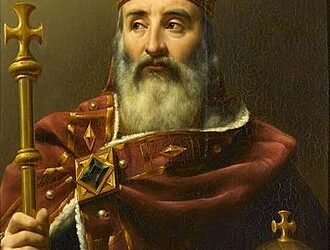
Charlemagne—The King Who Revived an Empire
On Christmas Day in the year 800, a Frankish king knelt in prayer inside the ancient basilica of St Peter in Rome. As he rose, Pope Leo III placed a crown upon his head and proclaimed him emperor. For the first time in more than three centuries, a ruler in Western...

Clovis — The King Who Turned Roman Gaul Into Frankish Gaul
In the early sixth century, a church stood on a hill overlooking the small city of Paris. Within it lay the tomb of a king whose decisions would reshape the future of Western Europe. His name was Clovis I, and during his lifetime the lands that had once been Roman...
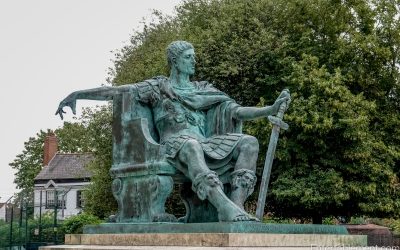
Constantine — The Emperor Who Changed the Terms of the Argument
Few rulers altered the course of history as comprehensively as Constantine. He won decisive battles, founded a new imperial capital, and transformed the assumptions on which the Roman world operated. By the time he died in 337, the Roman Empire had a new capital, a...
Cyrus the Great — When Power Learned Restraint
The ancient Greeks loved a good origin story, and Herodotus gives Cyrus one of the best. According to the historian, Cyrus survived an order for his execution as an infant, was secretly raised by a shepherd, and first revealed his true nature while playing "king" with...
Diocletian — The Emperor Who Tried to Make Rome Work Again
By the end of the third century, the Roman Empire was in trouble. It had not buckled—it was still vast, wealthy, and formidable. Roman armies still defended long frontiers and trade still crossed the Mediterranean. Cities still functioned; the machinery of empire had...
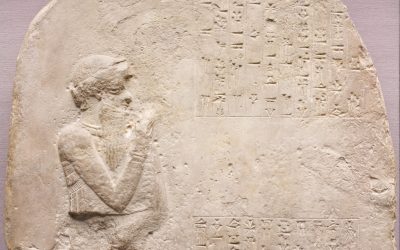
Hammurabi — When Justice Became Predictable
Some people cannot tolerate disorder. They walk into a room and immediately begin organizing it. They notice inconsistencies that everyone else has simply learned to live with. When something is confusing or unpredictable, they instinctively ask, "Surely there must be...
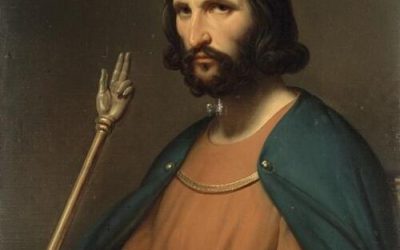
Hugh Capet — The King Who Anchored the Crown in Paris
On the hill above the Seine, not far from the old Roman roads that once crossed the Left Bank, stood a monastery dedicated to Saint Genevieve. Nearby lay the small royal domain of a regional nobleman whose authority extended little farther than the lands surrounding...

Justinian I — The Emperor Who Tried to Put Rome Back Together
Some rulers inherit a system and try to preserve it. Others inherit fragments and attempt to rebuild what has been lost. In the 6th century, Justinian I chose the second path. An Empire That Had Not Disappeared By the time Justinian came to power in 527, Rome had not...
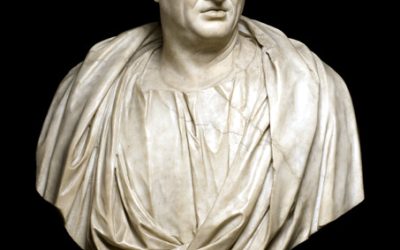
Marcus Tullius Cicero — The Astounding Legacy of an Ancient Roman
Cicero is one of those names that once mattered enormously and now means almost nothing to most people. He isn’t a conqueror, didn’t found a religion, nor did he leave an empire behind. If his bust appeared on a shelf, many would assume he was simply another marble...
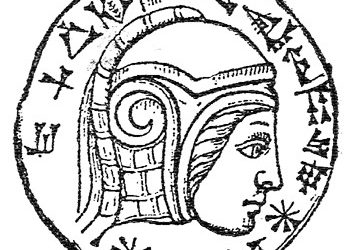
Nebuchadnezzar II — When Civilization Inspired Wonder
Some rulers are remembered for the battles they fought. Others for the laws they wrote. Nebuchadnezzar II is remembered for something rather different. More than 2,500 years after his death, the very name Babylon still conjures images of towering walls, magnificent...
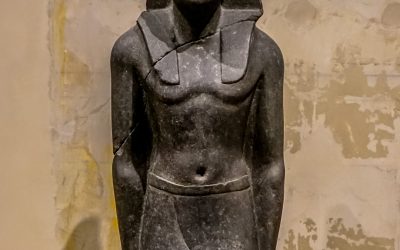
Ptolemy I Soter — When Knowledge Found a Home
Ptolemy I Soter left his mark on history not only through conquest, but through a shrewd understanding of what was worth preserving. Most people first meet him as one of Alexander the Great's generals, standing somewhere in the background while history's most famous...

Saint Genevieve—The Woman Who Held Paris Together
On the hill above the Left Bank of Paris once stood a great abbey dedicated to a young woman who had never ruled a kingdom, commanded an army, or held official power. For centuries, however, the people of the city believed their survival had depended on her. Her name...

Theoderic the Great (c. 454–526) — Keeping Rome Running Without Rome
Late 5th-century Italy presents a curious paradox: Rome had fallen, the Western Empire was gone, and yet much of everyday life carried on much as before. In 476, the last Western emperor had been deposed and the imperial title abolished. From a distance, it looked...
Act II – Building the Kingdom
Civilizations grow because people build institutions that outlast them.
Kings and queens, administrators, generals, architects, merchants and visionaries transformed scattered communities into organized kingdoms capable of sustaining prosperity, justice and culture. These biographies explore the people who built the structures that allowed civilization to flourish.

Edward I — The Architect of the Mature Medieval State
Known to posterity as Longshanks and remembered in Scotland as the Hammer of the Scots, Edward I is often portrayed primarily as a warrior king. Yet his most important achievements were institutional rather than military. By the time Edward inherited the throne in...
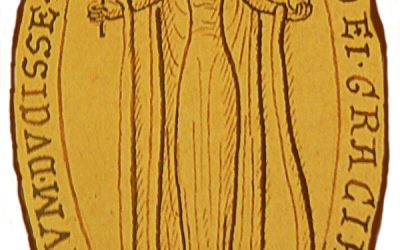
Eleanor of Aquitaine — The Most Powerful Woman in Medieval Europe
Few figures stride through medieval history with greater confidence than Eleanor of Aquitaine. Duchess, queen, crusader, prisoner, diplomat, mother of kings, and political strategist, she spent much of the twelfth century at the centre of European affairs. The...
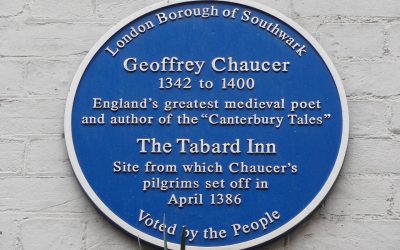
Geoffrey Chaucer — England Learns to Tell Its Story
Most periods of history are remembered through the actions of kings, generals, and rebels. Geoffrey Chaucer reminds us that civilizations are also shaped by storytellers. Living during one of the most turbulent periods in English history, Chaucer witnessed the...
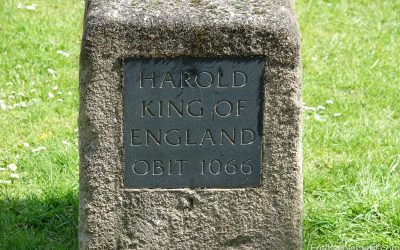
Harold Godwinson—England’s Unfinished King
Most people know Harold Godwinson for one thing: losing the Battle of Hastings. History has not been especially kind to Harold. Overshadowed by William the Conqueror's victory, he is often remembered simply as the last Anglo-Saxon king—the man standing in the wrong...
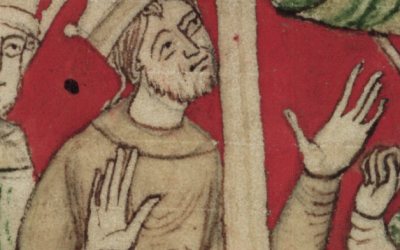
Henry I — The Administrator King
History tends to remember conquerors. It is less enthusiastic about administrators. That may explain why Henry I is often overshadowed by both his father, William the Conqueror, and his son-in-law's rival, Stephen. Yet Henry may have been one of the most important...
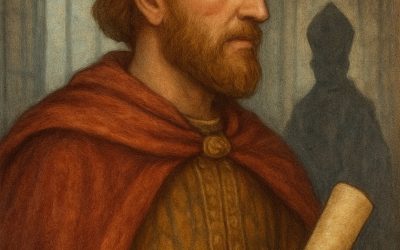
Henry II — Empire Builder, Lawgiver, Betrayed King
He built a kingdom on law and loyalty—then watched both fail him. If you’re looking for a medieval king with flair, look elsewhere. Henry II wasn’t flamboyant, he wasn’t pious, and he certainly wasn’t warm. What he was? Smart. Restless. Ruthlessly capable. The kind of...
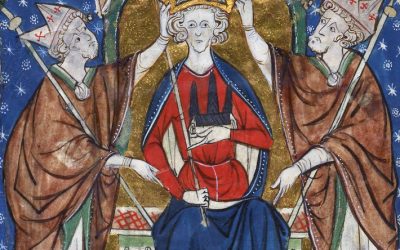
Henry III — The Pious King and the Problem of Power
History can be unkind to kings who are neither conquerors nor revolutionaries, and Henry III suffers particularly from the comparison. His father was King John, whose reign produced Magna Carta. His son was Edward I, the formidable builder of castles and architect of...
John – The King Who Made Magna Carta Necessary
Few rulers have attracted a worse reputation than King John. Medieval chroniclers described him as cruel, suspicious, and untrustworthy. Later generations turned him into the villain of Robin Hood stories. Even today, "King John" is rarely spoken with affection. Yet...

Richard I — The Absent King
Few English kings enjoy a more romantic reputation than Richard I: Richard the Lionheart. Crusader. Warrior. Hero. The image is deeply embedded in popular culture. Richard appears in stories of Robin Hood, stands alongside Saladin in accounts of the Third Crusade, and...
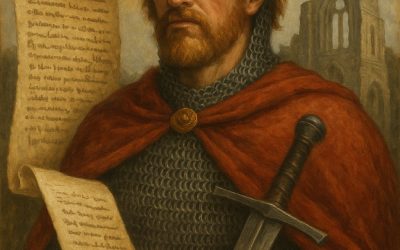
Simon de Montfort — Parliamentarian, Powerbroker, Martyr?
To challenge a king, he needed a vision. To rule like one, he needed ambition. Let’s talk about Simon de Montfort—because he’s one of those historical characters who refuses to fit neatly into the box marked “hero” or “villain.” He was a French noble who married into...
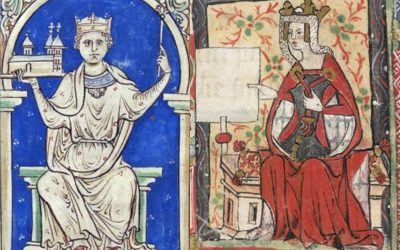
Stephen and Matilda — The Kingdom Between Two Rulers
History often presents civil wars as contests between ambitious individuals. The Anarchy was something more complicated. At its heart stood two claimants: Stephen of Blois and the Empress Matilda. Both possessed plausible claims to the English throne and attracted...
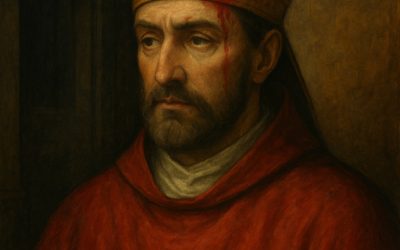
Thomas à Becket (c. 1119–1170): Saint, Schemer, or Something in Between?
He wore the mitre like a crown—and took his martyrdom like a coronation. Let’s talk about Thomas à Becket, one of medieval England’s most controversial saints—and arguably one of its least humble. On paper, he’s a martyr: murdered in a cathedral for standing up to a...

William Marshal — The Kingdom’s Most Trusted Man
History tends to remember kings. William Marshal was never king. Yet there were moments when the fate of England rested more securely in his hands than in those of the monarchs he served, and that alone makes him worth knowing. His life reads like something from a...
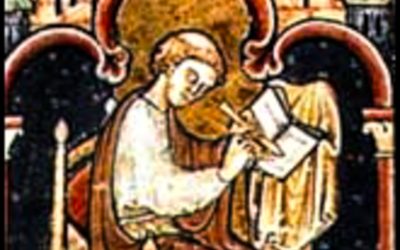
William of Newburgh — The Medieval Fact-Checker
Most medieval chroniclers loved a good story. William of Newburgh preferred evidence. Born in Yorkshire around 1136, William spent much of his life as an Augustinian canon at Newburgh Priory. He never ruled a kingdom, commanded an army, or built a cathedral. Yet his...
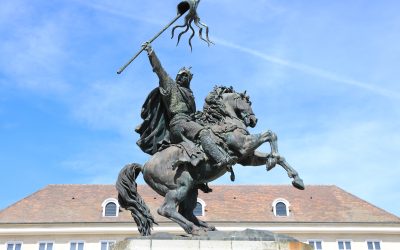
William the Conqueror—Ambition, Authority, and the Making of a Kingdom
Most people associate William the Conqueror with England, but his story begins across the Channel in Normandy. A duke known to his contemporaries as William the Bastard inherited a fragile duchy and transformed it into one of the most formidable powers in Europe. Born...
Act III – The Stress Test
History is shaped as much by crisis as by success.
During war, plague, political upheaval and social collapse, character is tested and difficult choices become unavoidable. Some leaders failed spectacularly, while others preserved what mattered most. These biographies explore the individuals whose decisions influenced civilization when it faced its greatest trials.

Edward II — The Unmaking of a King
Some rulers seem destined for greatness; Edward II was born into expectations. His father was Edward I, one of the most formidable kings England ever produced. He conquered Wales, campaigned relentlessly in Scotland, strengthened royal administration, and left behind...
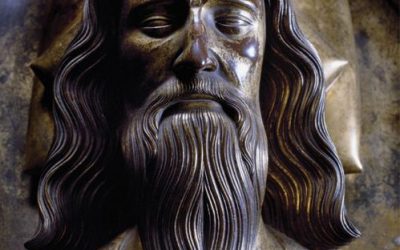
Edward III — The Last Great Medieval King
While some kings inherit a kingdom, Edward III inherited a crisis. In 1327, his father, Edward II, was deposed and imprisoned. The crown passed to the fourteen-year-old Edward, but the real power remained in the hands of his mother, Isabella of France, and her ally...
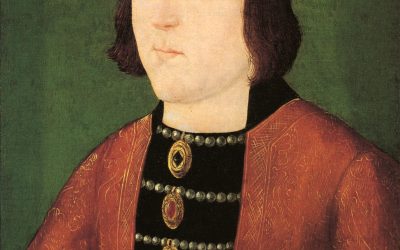
Edward IV — The Warrior King of the House of York
Visitors entering St George's Chapel, Windsor walk across a floor beneath which generations of English monarchs lie buried. Among them rests one of the most formidable kings of the fifteenth century: Edward IV. Tall, charismatic, and a gifted battlefield commander,...
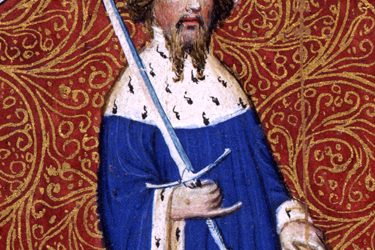
Henry IV — The Dynasty Maker
Not all kings inherit a crown; some have to take one. Henry IV spent much of his life as Henry Bolingbroke, the son of John of Gaunt and grandson of Edward III. Few would have expected him to become king; indeed, the crown belonged to his cousin Richard II, whose...
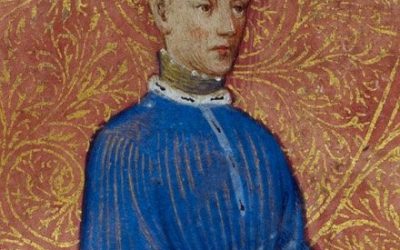
Henry V — The King Who Made England Believe
Few rulers have benefited more from success than Henry V. To later generations he became the warrior king of Agincourt, the hero of Shakespeare's plays, and the embodiment of English courage. His reputation grew so large that it sometimes obscures the man himself. Yet...
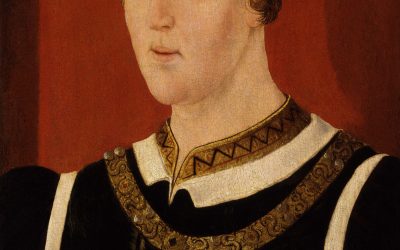
Henry VI — The Gentle King Who Lost His Crown
Few English kings left such a paradoxical legacy as Henry VI. He was deeply religious, thoughtful, and devoted to learning. Unlike many medieval rulers, he preferred prayer and scholarship to warfare or political intrigue. His personal piety was widely admired, and he...
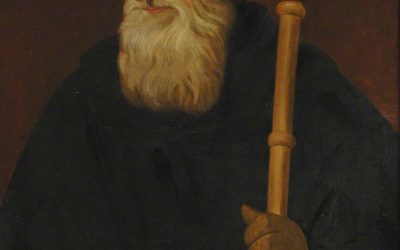
John Wycliffe — The Man Who Asked Dangerous Questions
Most revolutions begin long before anyone realizes one has started. John Wycliffe never led an army or overthrew a king. He never saw the Reformation that would transform Europe more than a century after his death. Yet many of the questions he asked would eventually...

Margaret of Anjou — Power in a Time of Chaos
History is often kinder to victors than to survivors. Margaret of Anjou was neither. For centuries she has appeared in English history as a controversial figure: ambitious, combative, and unwilling to accept defeat. To some contemporaries she was a dangerous woman who...

Richard II — The Crisis of Authority
History remembers Richard II in two very different ways. One is the brave fourteen-year-old king who rode out to confront the rebels during the Peasants' Revolt of 1381 and helped prevent a kingdom from descending into chaos. The other is the deposed monarch whose...
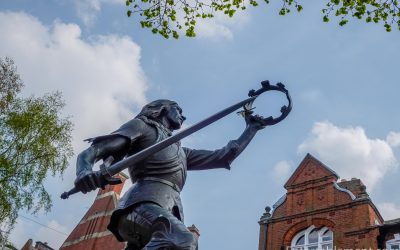
Richard III — The King History Cannot Agree About
Visitors entering Leicester Cathedral often pause near a simple stone tomb set into the floor of the choir. The inscription bears only a name: Richard III. For centuries Richard’s reputation has been anything but simple. Few English monarchs have inspired such...
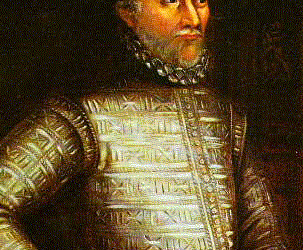
Richard Neville — Warwick the Kingmaker
At Warwick Castle the past occasionally interrupts the present. During our visit, one of the guides suddenly shouted across the courtyard: “A Warwick! A Warwick!!” Another voice answered the call, and within seconds two figures were racing up the castle walls,...
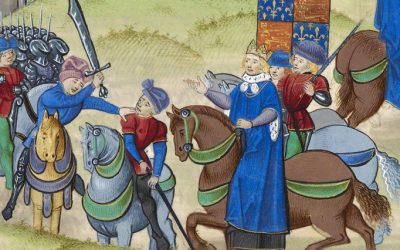
Wat Tyler — When Labour Found a Voice
History often remembers revolts for their drama, and the Peasants' Revolt of 1381 certainly provided plenty of that. Crowds marched on London. Government officials were attacked. The young Richard II confronted the rebels in person. Wat Tyler, one of the revolt's...
Act IV – Reinvention
Recovery seldom happens by accident.
Reinvention depends upon individuals willing to challenge accepted wisdom, embrace new ideas and rebuild institutions that no longer serve society. These biographies introduce the men and women whose imagination and courage helped civilization begin again.

Andrea Palladio — The Master Builder Who Thought Like a Philosopher
You may not know his name, but you’ve seen his work—echoed in country houses, government buildings, and countless stately facades across Europe and America. If you’ve ever stood in front of a Georgian manor or admired the U.S. Capitol, you’ve been in conversation with...
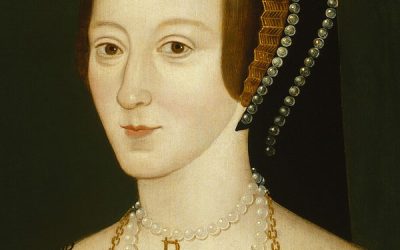
Anne Boleyn — The Rise, Fall, and Legacy of Henry VIII’s Most Controversial Queen
Few historical figures have been as divisive, enigmatic, and consequential as Anne Boleyn. She was not merely the woman for whom Henry VIII broke with Rome but a political strategist, religious reformer, and key architect of the Tudor era. Her meteoric rise and...

Bess of Hardwick — The Woman Who Built an Empire
Few women in Tudor England wielded as much power and influence as Bess of Hardwick. From humble beginnings, she became one of the wealthiest and most formidable figures of her time. Astonishingly, she outlived four husbands, building grand houses and leaving a legacy...
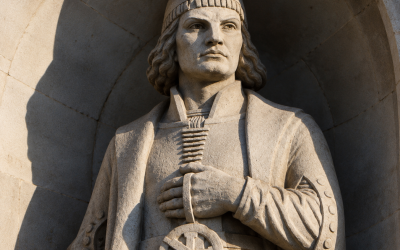
Bartolomeu Dias — Beyond the Known Coast
Rounding the Cape In February 1488, Bartolomeu Dias and his crew rounded the southern tip of Africa without realizing they had done so. Dias had left Portugal the previous August with two caravels and a supply vessel, charged by King João II with finding a sea route...

Catherine de Medici & Diane de Poitiers—A Rivalry Written in Stone
Few rivalries in history are as deliciously dramatic—and as deeply embedded in architecture—as that of Catherine de Medici and Diane de Poitiers. These two formidable women left their mark not just on French politics, but quite literally on its châteaux. Catherine de...

Catherine of Aragon — The Queen Who Would Not Yield
In the north aisle of Peterborough Cathedral lies the tomb of a woman who once sat at the centre of European politics. Visitors often pause there longer than they expect. The inscription records her not as Queen of England but as Katherine, Dowager Princess of...
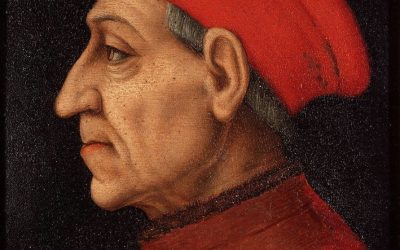
Cosimo de’ Medici — The Art of Power Without a Crown
Cosimo de' Medici was born in Florence in 1389, into a prosperous banking family. His father, Giovanni di Bicci de' Medici, established the Medici Bank in 1397 and built it into a thriving international enterprise, with particularly valuable connections to the papacy....
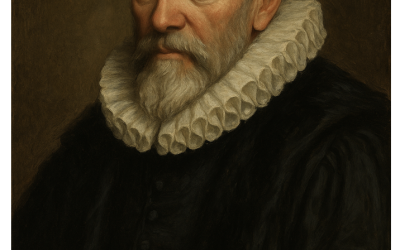
Edward Coke (1552–1634) — The Relentless Voice of the Common Law
Step into the grand library at Holkham Hall, and you’ll feel the weight of words. Towering shelves, polished wood, centuries of collected thought. It’s a fitting legacy for a man like Sir Edward Coke (1552–1634)—a legal titan whose pen did more damage to royal...

Elizabeth I — The Virgin Queen and Master of Strategy
Few monarchs command the same fascination as Elizabeth I, the daughter of Henry VIII and Anne Boleyn. From 1558 to 1603, her reign was one of the most celebrated in English history—an era of exploration, artistic flourishing, and political triumph. Yet, Elizabeth’s...

Elizabeth of York — The Queen Who United Two Kingdoms
At the eastern end of Westminster Abbey, beyond the high altar and through a screen of delicate stonework, lies Henry VII's Lady Chapel. Near the centre stands the tomb of a king and queen who changed the course of English history. The king was Henry VII, founder of...

Filippo Brunelleschi — The Man Who Built the Impossible
When construction began on Florence's cathedral in 1296, its builders had extraordinarily ambitious plans. They intended to create one of the largest churches in Christendom, crowned by a magnificent dome that would dominate the city's skyline. There was just one...

Francis Walsingham — The Spymaster Who Protected Elizabethan England
Francis Walsingham wasn't just a statesman—he was the mastermind behind England's first true intelligence network. As Elizabeth I's principal secretary and spymaster, he protected the realm from Catholic plots, foreign threats, and internal conspiracies. His work laid...

Henry VII — The King Who Built Stability
At the far eastern end of Westminster Abbey stands one of the most remarkable buildings in England. The chapel appears almost impossibly delicate. Stone vaults spread across the ceiling like lace, their intricate fan patterns suspended above a space filled with royal...
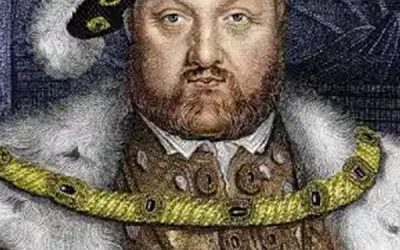
Henry VIII — The King Who Reshaped England
Travel through England long enough and a single name begins to surface again and again. It appears in the roofless remains of monasteries scattered across the countryside, in royal palaces rebuilt on a scale meant to impress Europe, in the uneasy stories associated...
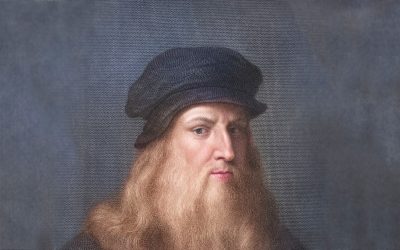
Leonardo da Vinci — A Life of Boundless Curiosity
Leonardo da Vinci wanted to know how everything worked. He was one of the greatest painters the world has ever known, but his interests extended far beyond art. He investigated the natural world with an insatiable curiosity, moving between subjects that others...
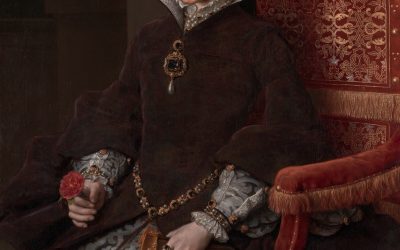
Mary I (Tudor) — The First Queen Regnant
Mary I, often overshadowed by her half-sister Elizabeth I, was England’s first queen regnant to rule in her own right. Her short but dramatic reign (1553–1558) was defined by religious conflict, political intrigue, and personal tragedy. Though remembered by history as...

Mary, Queen of Scots — The Tragic Queen Who Challenged England
Mary, Queen of Scots, lived one of history’s most dramatic lives—a tale of power, betrayal, and tragedy. As a rival to Elizabeth I, she became a symbol of Catholic resistance in Protestant England, a queen who lost her throne, and a prisoner whose fate still...
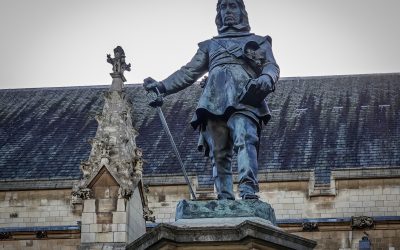
Oliver Cromwell — God’s Soldier and England’s Unlikely Despot
Let’s start with the backdrop: the English Civil War (1642–1651), a brutal and bewildering conflict that split families and the kingdom alike. On one side were the Royalists, or Cavaliers — the aristocratic, flamboyant defenders of King Charles I. Think of them as...

Robert Cecil, 1st Earl of Salisbury — The Spymaster Who Secured the Stuart Dynasty
The Silent Architect of Power If William Cecil built the foundations of Elizabethan government, his younger son Robert Cecil ensured its survival into the Stuart era. Often overshadowed by his father, Robert was every bit as skilled—if not more ruthless—in the game of...
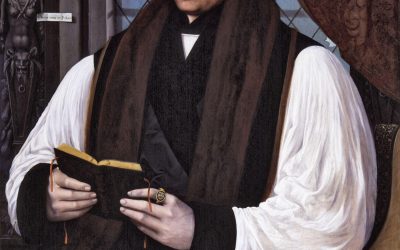
Henry VIII’s Tetrad of Thomases — #4 Thomas Cranmer
Viewing the behaviour of Thomas #4, Cranmer, from a distance of 500+ years, it's difficult to determine if he was wily or wishy-washy—perhaps both. As part of the double act with Thomas #3 Cromwell, Cranmer played a vital role in ending Henry VIII's marriage to...
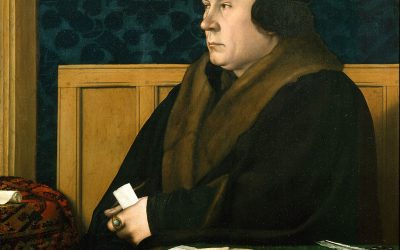
Henry VIII’s Tetrad of Thomases — #3 Thomas Cromwell
When Thomas #1, Cardinal Wolsey, fell from grace in 1529 for failure to procure an annulment for King Henry from his first wife, Catherine of Aragon, Thomas #3, Thomas Cromwell, succeeded Wolsey as Henry's chief advisor. Details of Cromwell's early life are sketchy,...

Henry VIII’s Tetrad of Thomases — #2 Thomas More
Thomas #2, Thomas More, acted in both legal and spiritual advisory capacities to King Henry VIII. He was born in London in 1478, the son of a lawyer and later judge, Sir John More. He attended Saint Anthony Grammar School in London while also working as a page to the...
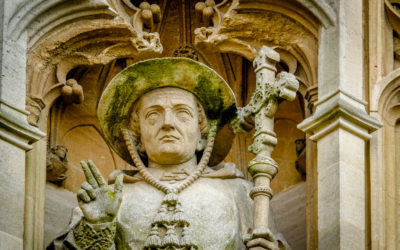
Henry VIII’s Tetrad of Thomases — #1 Cardinal Thomas Wolsey
Cardinal Wolsey was born c 1475 in Ipswich, Suffolk, to a butcher and his wife. He attended Ipswich School, then Magdalen College School, before studying theology at Magdalen College, Oxford and graduating at age 15. He was Thomas #1 of Henry VIII's Tetrad of...

William Cecil, 1st Baron Burghley — The Mastermind Behind Elizabeth I’s Government
The Power Behind the Throne Born in 1520 into a well-connected but not aristocratic family, William Cecil studied at St John’s College, Cambridge, where he excelled in classical languages and law. His early career saw him enter government service under Edward VI, but...
Act V – Civilization Compounds
The greatest advances rarely result from a single breakthrough.
They emerge as generations build upon discoveries made by those who came before. Scientists, entrepreneurs, educators, artists and reformers transformed inherited knowledge into lasting progress. These biographies celebrate the people whose contributions multiplied the inheritance of civilization for everyone who followed.
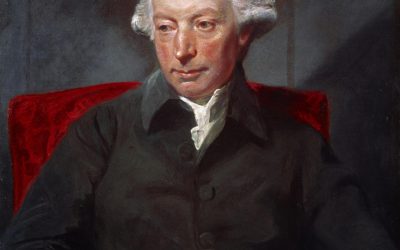
Adam Ferguson — The Philosopher Who Saw Society Building Itself
In eighteenth-century Edinburgh, a remarkable group of thinkers was attempting to understand how human societies worked. David Hume examined the habits and conventions that made cooperation possible, while Adam Smith explored moral judgment, commerce and the division...
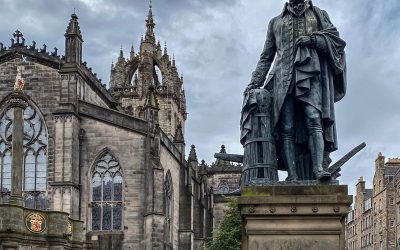
Adam Smith (1723–1790) — The Man Behind the Invisible Hand
Adam Smith rarely gets mentioned without someone bringing up the invisible hand. It's a pity, really, because there was a great deal more to him than that. I've been listening to Jesse Norman's biography of Smith and found myself becoming increasingly fond of the man....
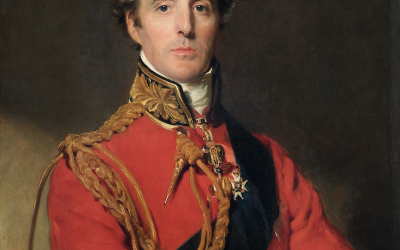
Arthur Wellesley, 1st Duke of Wellington—The Soldier-Statesman Who Defeated Napoleon
Arthur Wellesley, 1st Duke of Wellington, is best known as the man who defeated Napoleon at Waterloo, but his impact on Britain extended far beyond the battlefield. Wellington, a masterful general, shrewd politician, and two-time Prime Minister, helped shape Britain’s...

Christopher Wren (1632–1723): Visionary Architect of the English Baroque
Early Life and Education Christopher Wren was born in 1632 in East Knoyle, Wiltshire, into a well-connected and scholarly family. His father was the Dean of Windsor, and his early education was influenced by exposure to both the church and academia. Wren attended...

Colen Campbell (1676–1729) — Building Georgian Britain
You might not know his name, but if you've ever admired the cool elegance of a Georgian façade—symmetrical windows, classical columns, that refined, orderly feel—you have Colen Campbell to thank. A Scottish architect and writer, Campbell wasn't the loudest or...

David Hume (1711–1776) — The Man Who Didn’t Quite Trust Reason
David Hume was apparently excellent company, which is rather surprising when you consider how thoroughly he unsettled some of the most cherished assumptions of his age. He was genial, sociable, fond of conversation and possessed of a healthy appetite. His friends...

Edward Burne-Jones (1833–1898) — When Beauty Became a Form of Stewardship
Walk into almost any Victorian church in England and, if the sun is shining, there is a good chance Edward Burne-Jones will introduce himself before anyone mentions his name. Light pours through one of his stained-glass windows, filling the stone with deep blues,...
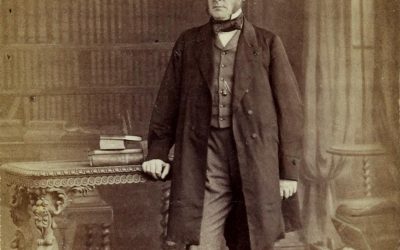
George Gilbert Scott (1811–1878) — The Architect Who Rebuilt Medieval Britain
Walk into almost any English cathedral and there is a good chance George Gilbert Scott has already been there. York, Lichfield, Ely, Chichester, Peterborough, Rochester, St Albans, Hereford, Exeter, Durham, Salisbury—the list seems almost endless. By the time of his...
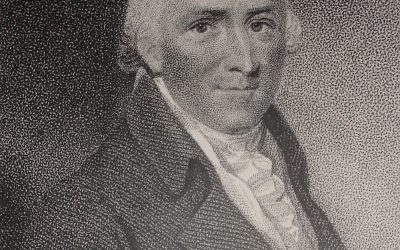
Humphry Repton (1752–1818)
Humphry Repton (1752–1818) Humphry Repton was the last great landscape designer of the 18th century and the successor to Lancelot "Capability" Brown. While Brown created vast, sweeping parklands that reshaped the English countryside, Repton refined landscape design by...
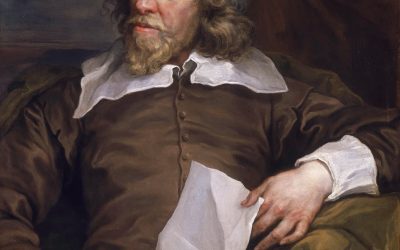
Inigo Jones (1573–1652): The Father of English Palladianism
Inigo Jones was the first architect to introduce Renaissance Classicism to England, breaking away from the lingering Gothic traditions. Drawing inspiration from Andrea Palladio and his travels in Italy, Jones championed a restrained, mathematically precise style that...
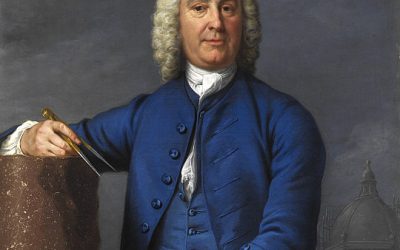
James Gibbs (1682–1754): A Master of English Baroque and Palladianism
James Gibbs was one of the most influential architects of 18th-century Britain, known for his ability to blend Baroque grandeur with Palladian elegance. His work ranged from grand public buildings to refined country houses, and his architectural treatise, A Book of...
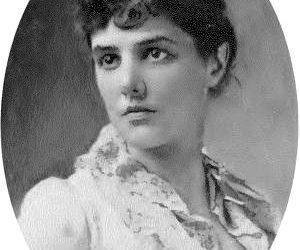
Jennie Jerome Churchill: The American Who Shaped British Politics and Society
Jennie Jerome Churchill was more than just the mother of Winston Churchill—she was a brilliant socialite, political strategist, and cultural bridge between Britain and America. Born into wealth and privilege in Gilded Age New York, she became a key figure in British...

John Ruskin (1819–1900) — When Beauty Became a Moral Question
Why do some buildings move us while others leave us completely unmoved? It is a deceptively simple question, yet one that occupied John Ruskin for much of his life. He wrote about paintings, cathedrals and architecture, but he was never really writing about art...
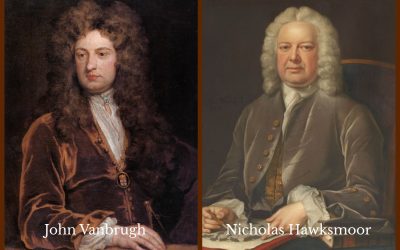
John Vanbrugh & Nicholas Hawksmoor: The Architects of English Baroque
John Vanbrugh (1664–1726) and Nicholas Hawksmoor (1661–1736) formed one of the most dynamic partnerships in English architectural history. Together, they crafted some of the most ambitious and theatrical buildings of the English Baroque period, blending drama, power,...

Lancelot ‘Capability’ Brown (1716–1783)
Lancelot "Capability" Brown is one of the most influential landscape designers in British history, often called "England's greatest gardener." His work transformed the estates of the British aristocracy, replacing formal, geometric gardens with sweeping, naturalistic...
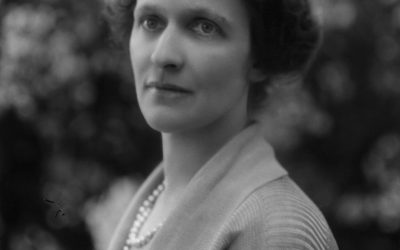
Nancy Astor: The American Who Changed British Politics and High Society
Few figures embody the Anglo-American influence on British history quite like Nancy Astor. She was not just an American heiress who married into the British aristocracy—she became the first woman to take a seat in the British Parliament, reshaped Cliveden as a...
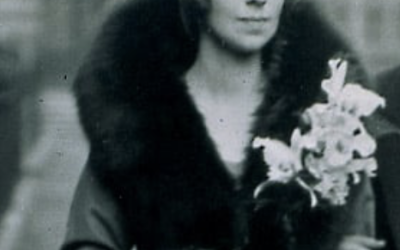
Olive, Lady Baillie: The American Heiress Who Transformed Leeds Castle
Lady Baillie's vision and wealth rescued, restored, and redefined Leeds Castle in the 20th century. An American heiress with impeccable taste, she transformed the medieval fortress into one of the most glamorous private residences of her time, entertaining royalty,...
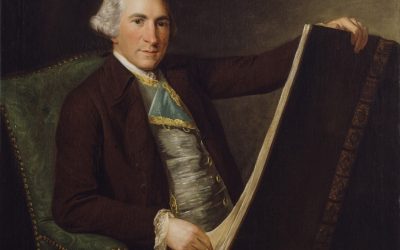
Robert Adam — The Visionary Architect Who Redefined Elegance
Robert Adam was more than just an architect. He was a revolutionary designer who transformed British architecture and interior design in the 18th century. Famous for his harmonious, classical style, Adam's influence extended from stately homes to public buildings,...
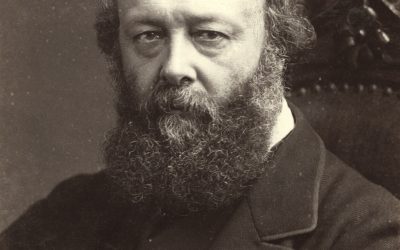
Robert Gascoyne-Cecil—Britain’s Last Aristocratic Prime Minister
The Third Marquess of Salisbury and the Final Era of Aristocratic Rule Introduction: The End of Aristocratic Prime Ministers In an age when Britain was transitioning toward a more democratic system, Robert Gascoyne-Cecil, the 3rd Marquess of Salisbury, stood as the...

Robert Walpole: Britain’s First Prime Minister
Sir Robert Walpole (1676–1745) is widely regarded as Britain's first de facto Prime Minister. He served as the head of government for over two decades. As a statesman, he navigated the complexities of early 18th-century politics, consolidating the power of the Whigs...
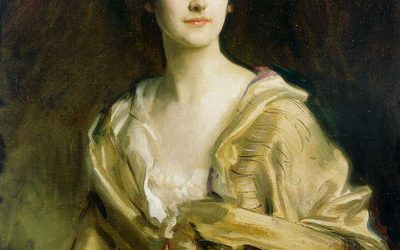
Sybil Sassoon, Marchioness of Cholmondeley: A Patron of the Arts and Society Figure
Sybil Rachel Sassoon (1894–1989), later the Marchioness of Cholmondeley, was a prominent socialite, philanthropist, and patron of the arts. A member of the illustrious Sassoon and Rothschild families, she brought cultural refinement and grandeur to Houghton Hall in...
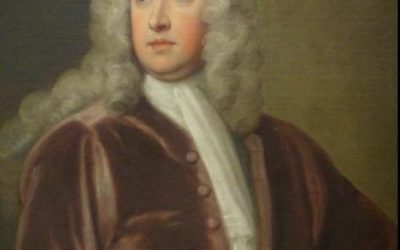
Thomas Archer—England’s Most Theatrical Architect?
Born in 1668 into a Warwickshire gentry family, Thomas Archer belonged to the generation that reshaped England after the Restoration. Christopher Wren was rebuilding London. Vanbrugh and Hawksmoor were redefining aristocratic grandeur. Architecture itself had become a...
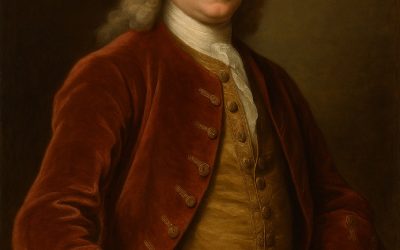
Thomas Coke, 1st Earl of Leicester (1697–1759) — Patron of Palladian Britain
If Edward Coke helped define English law, Thomas Coke redefined what it meant to be an English gentleman. Scholar, traveller, architect, patron, and ultimately peer, the 1st Earl of Leicester left his mark not in courtrooms, but in bricks, marble, and the grandeur of...

Thomas William Coke (1754–1842) — The Squire Who Fed a Nation
Born in 1754, Thomas William Coke, best remembered as "Coke of Norfolk", was a quiet revolutionary. Not in courtrooms or on battlefields, but in the furrows of East Anglia’s fields. While his ancestors had shaped the English legal tradition and architectural taste,...