Entertablement Abroad explores how the world we inherited came to be.
Civilization is a great accumulator, but not a great planner. Ideas travel, technologies solve problems while creating new ones, and institutions evolve as people respond to changing circumstances, incentives and constraints. Some solutions are deliberately designed; others emerge through experiment, adaptation and necessity, often producing consequences no one intended or foresaw.
The result is messy, unpredictable, sometimes nasty and often awe-inspiring. Knowledge can be lost as well as gained, institutions can falter, and apparently sensible choices can create problems for generations to come. Yet over time, human ingenuity and accumulated knowledge have produced possibilities our predecessors could scarcely have imagined.
Through essays about people, places and the systems that shaped their lives, we follow those threads across centuries with curiosity rather than hindsight, asking what problems people were trying to solve, what they knew at the time, what happened next—and what each generation learned, added and passed on.
Entertablement Abroad explores how the world we inherited came to be.
Civilization is a great accumulator, but not a great planner. Ideas travel, technologies solve problems while creating new ones, and institutions evolve as people respond to changing circumstances, incentives and constraints. Some solutions are deliberately designed; others emerge through experiment, adaptation and necessity, often producing consequences no one intended or foresaw.
The result is messy, unpredictable, sometimes nasty and often awe-inspiring. Knowledge can be lost as well as gained, institutions can falter, and apparently sensible choices can create problems for generations to come. Yet over time, human ingenuity and accumulated knowledge have produced possibilities our predecessors could scarcely have imagined.
Through essays about people, places and the systems that shaped their lives, we follow those threads across centuries with curiosity rather than hindsight, asking what problems people were trying to solve, what they knew at the time, what happened next—and what each generation learned, added and passed on.
The Library
History is far too rich to be explored in only one way.
Sometimes the story begins with a remarkable person. Sometimes with a place, an invention, a building, or an idea whose importance only becomes clear centuries later.
The Library is where those connections come together. Follow civilization across five broad acts, from the inheritance of the ancient world to the increasingly connected world we inhabit today. Trace the ideas that passed from one civilization to another, look beneath events at the systems that allowed complex societies to function, or meet the people whose choices changed what came next.
The Five Acts
Discover the recurring pattern of inheritance, growth, crisis, reinvention and compounding that has shaped civilizations across history.
The Five Acts
Discover the recurring pattern of inheritance, growth, crisis, reinvention and compounding that has shaped civilizations across history.
The Continental Thread
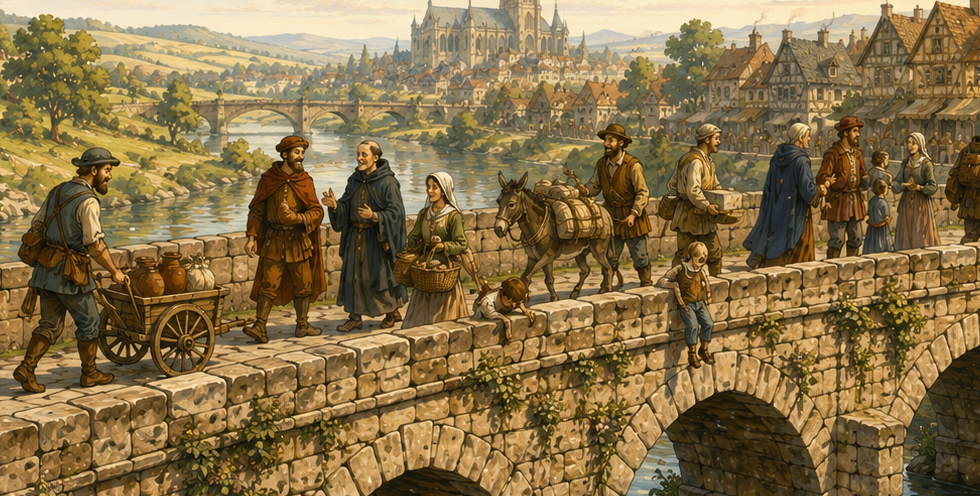
Follow ideas, knowledge and institutions as they move between civilizations, changing as each generation borrows, adapts and adds to what it inherits.
Hidden Framework
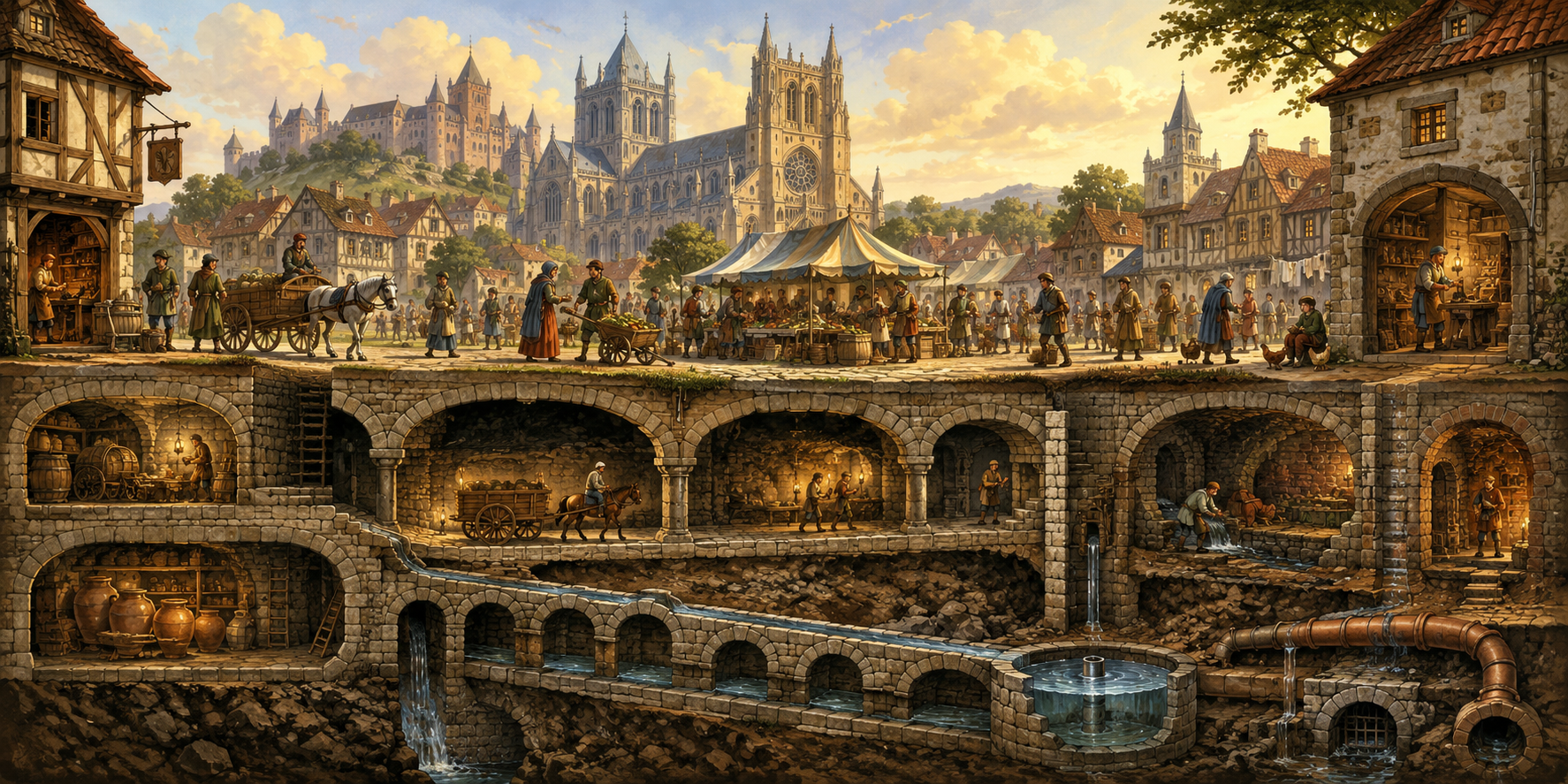
Look beneath the surface at the institutions, systems, technologies and infrastructure that make complex societies possible, shaping how people cooperate, exchange, build and govern.

Fascinating People
Meet the rulers, reformers, engineers, artists, thinkers and entrepreneurs whose ideas, decisions and actions helped shape what came next.
From the Library
Not sure where to start? Here are a few places to begin exploring.
.

Attic — The Trouble with the Correct Point of View
I was reading something written Ryan Holiday recently when a sentence stopped me short. He was discussing Thomas Jefferson,
Standard Time — Sandford Fleming and the Order of Hours
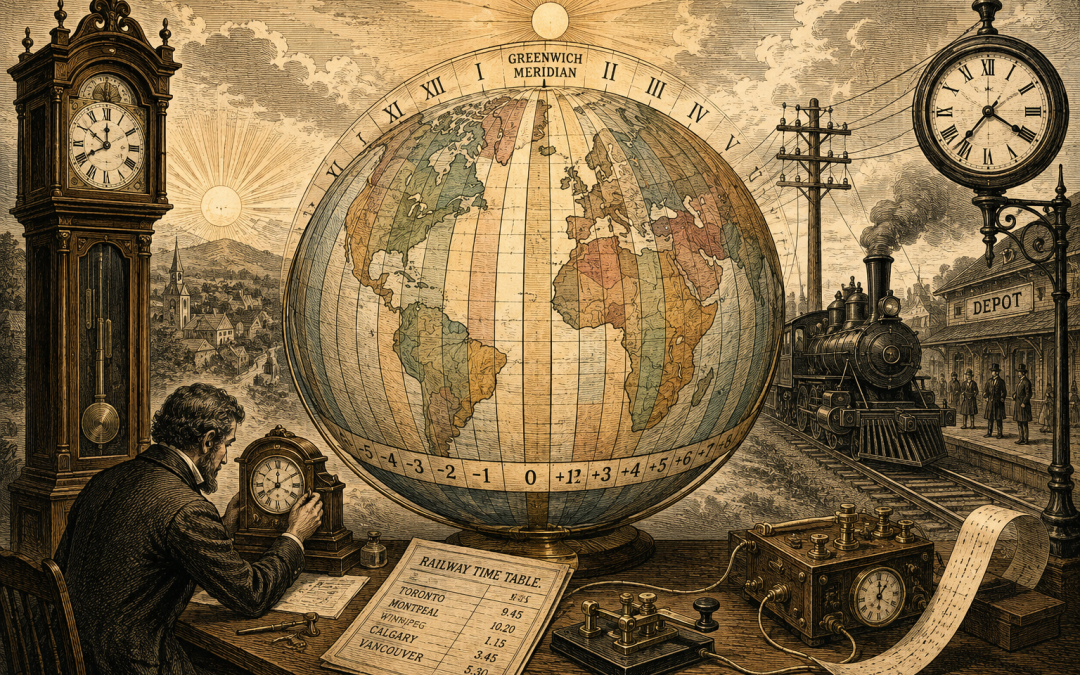
A World Out of Sync For most of human history, time was local. Towns set their clocks by the
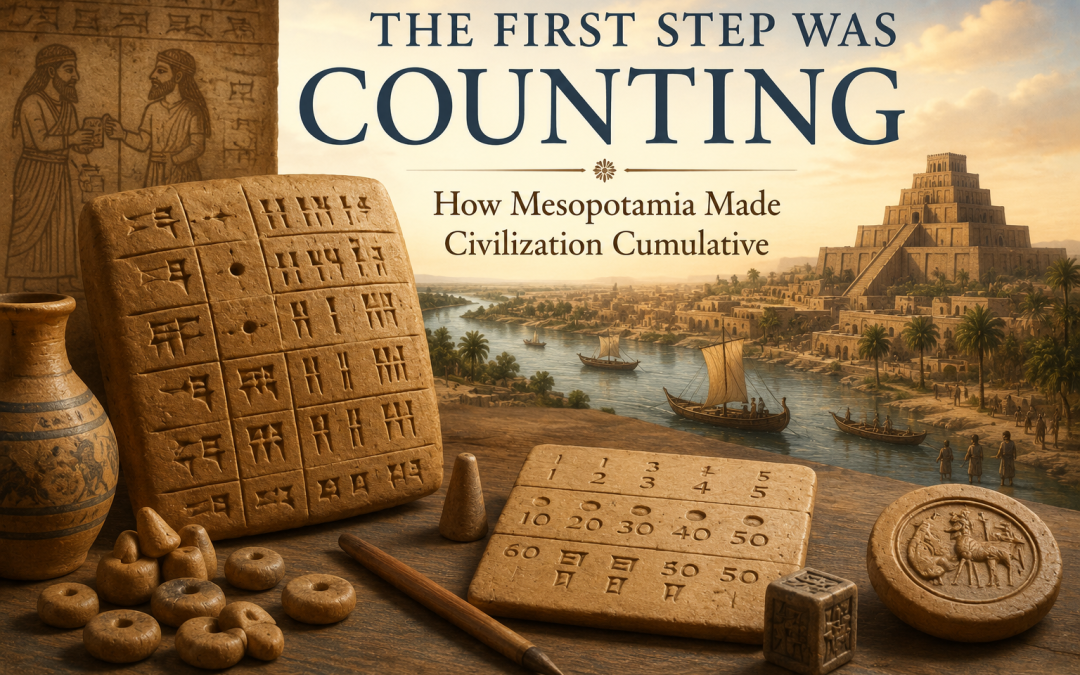
Mesopotamia — The First Step was Counting
When we think about the beginnings of civilization, our minds often leap to pyramids, kings and great cities. The

Italy — Rome Never Really Left
It is easy to picture Rome at its height — luxurious baths, roads stretching to eternity, and spectacles in
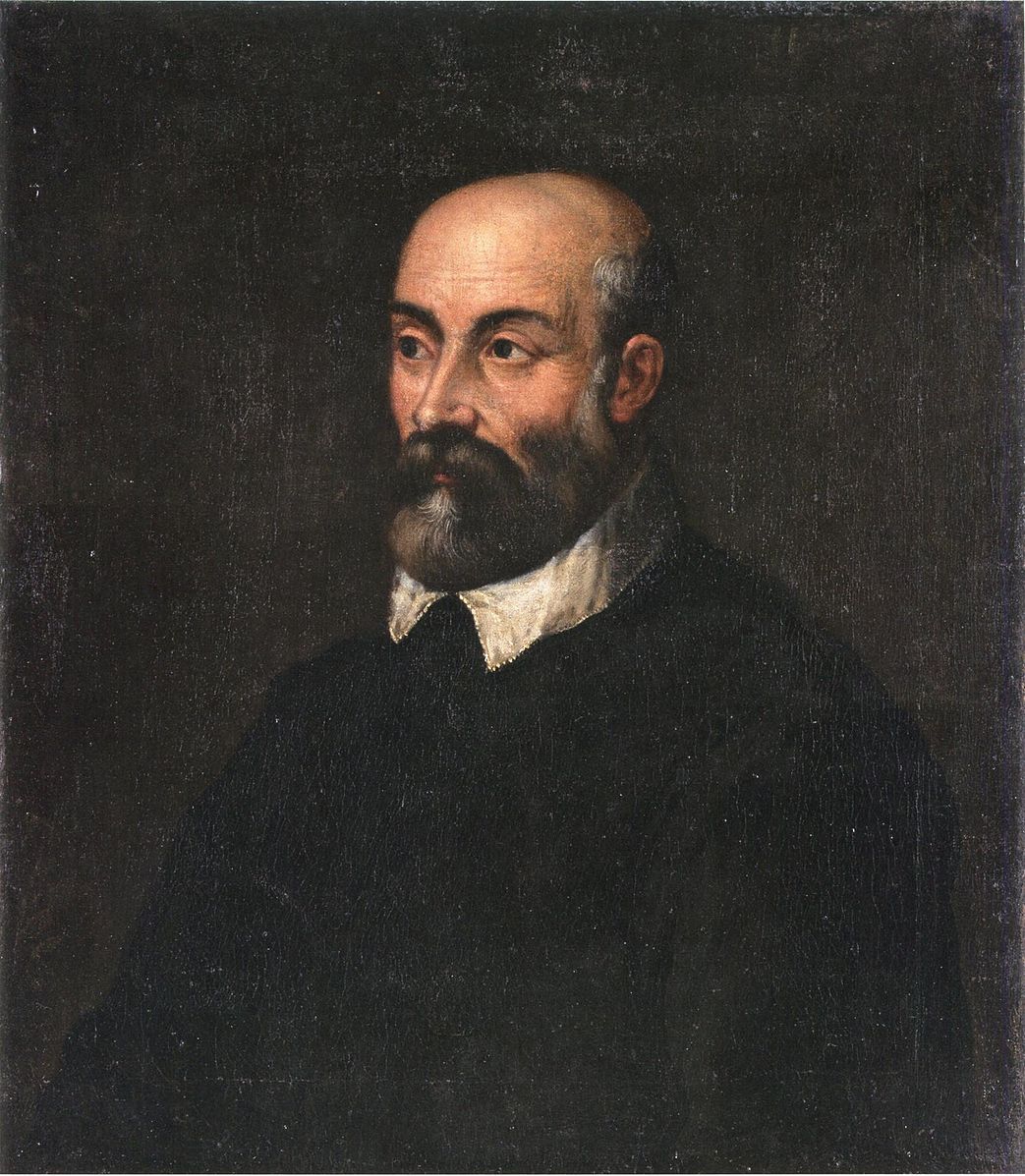
Andrea Palladio (1508–1580): The Master Builder Who Thought Like a Philosopher
You may not know his name, but you’ve seen his work—echoed in country houses, government buildings, and countless stately
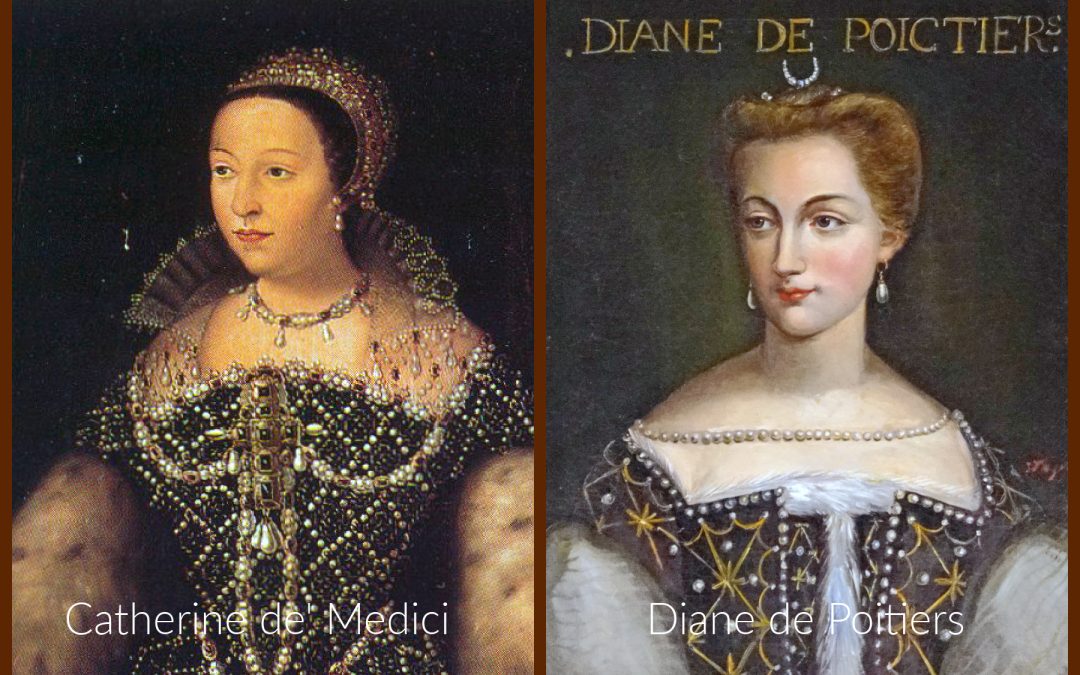
Catherine de Medici & Diane de Poitiers—A Rivalry Written in Stone
Few rivalries in history are as deliciously dramatic—and as deeply embedded in architecture—as that of Catherine de Medici and

Henry VIII’s Tetrad of Thomases—#3 Thomas Cromwell
When Thomas #1, Cardinal Wolsey, fell from grace in 1529 for failure to procure an annulment for King Henry

Hatfield House—The Seat of the Cecils, Marquesses of Salisbury
A House Built for Power Hatfield House is a grand testament to the ambitions of Robert Cecil, 1st Earl
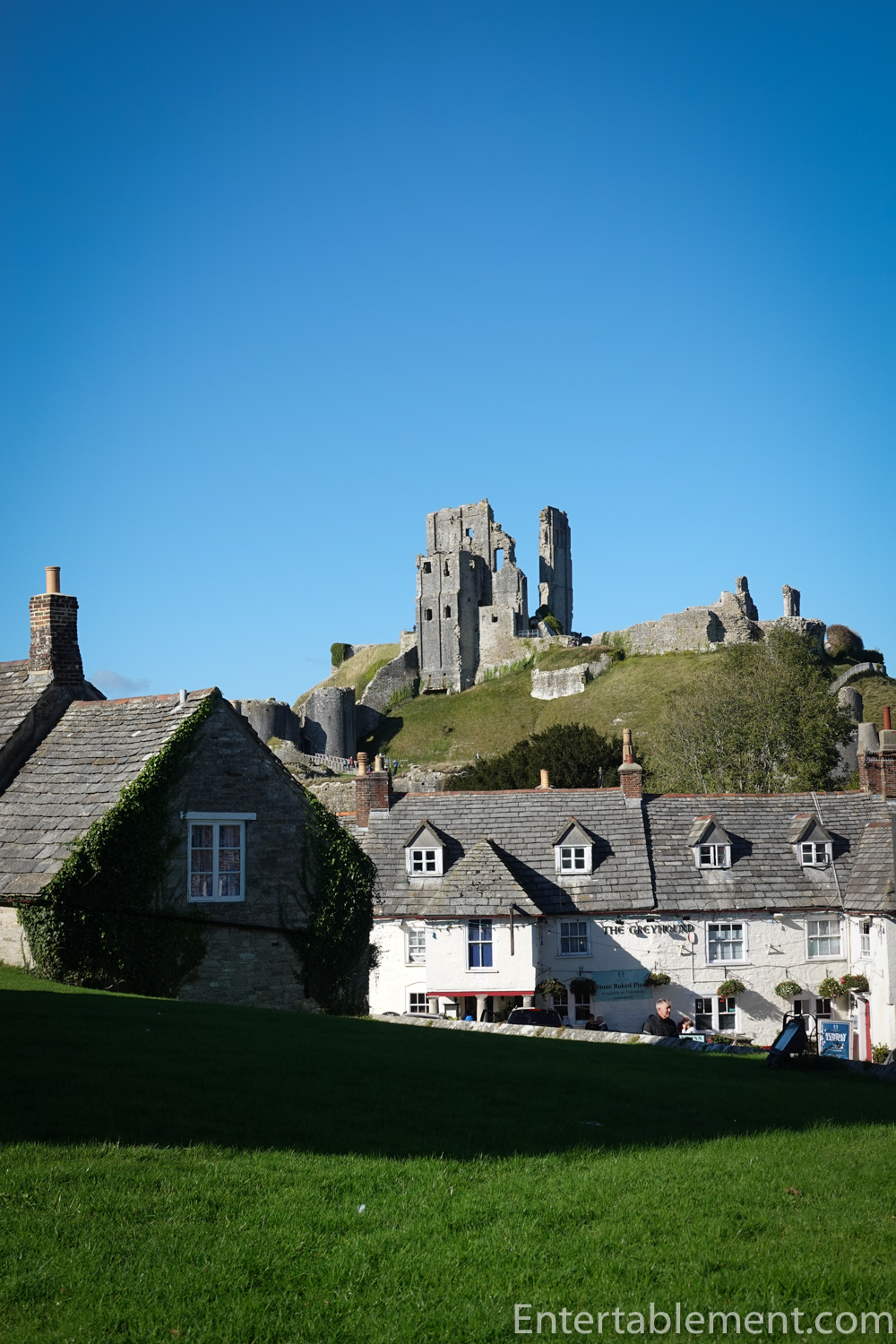
England in the Autumn Part II
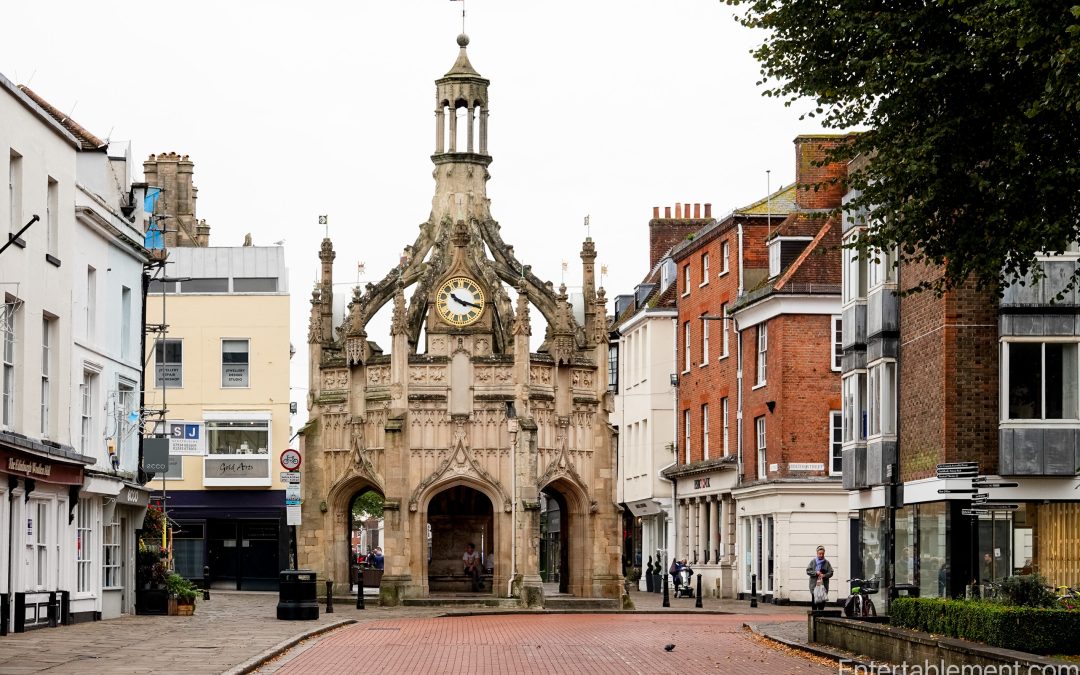
Following our time in England in the Autumn. Determining which train to take to Chichester was more complicated than
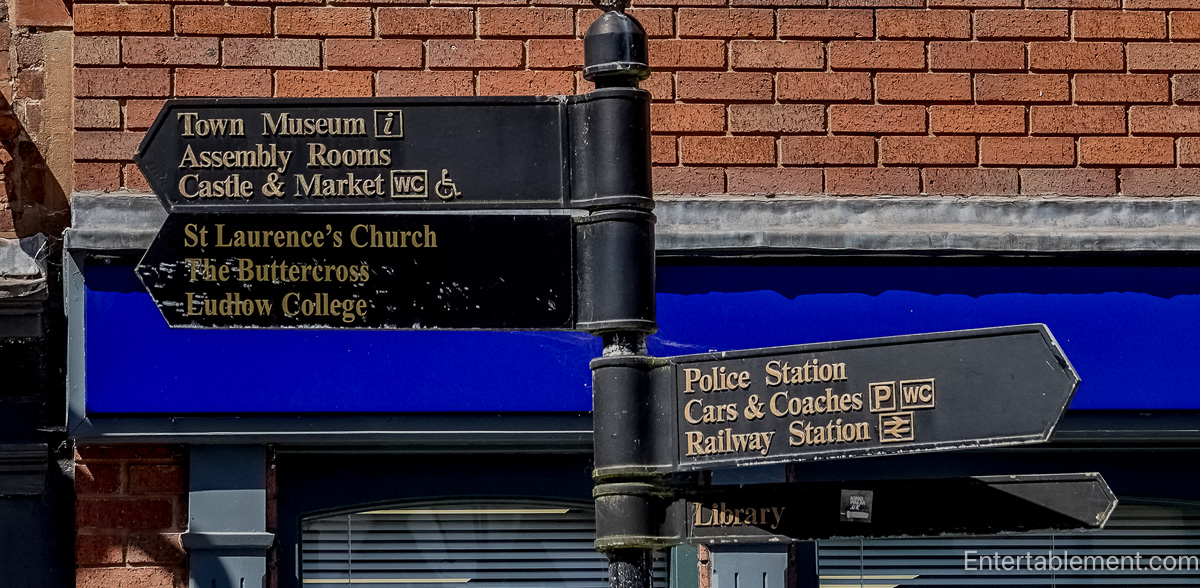
Civil Society — The Institutions Nobody Designed
At a crossroads in Ludlow, a signpost directs visitors towards the castle, market, St Laurence’s Church, the Buttercross, assembly
Attic — The Trouble with the Correct Point of View
I was reading something written Ryan Holiday recently when a sentence stopped me short. He was discussing Thomas Jefferson,
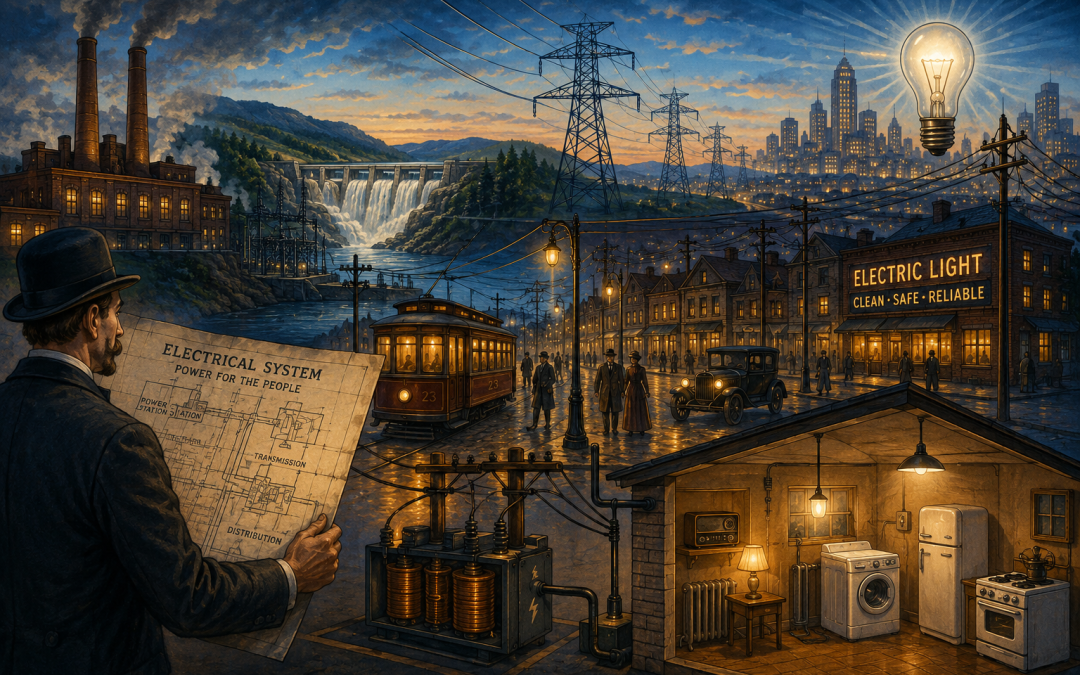
Power Lines—The Rise of the Electric World
Before electricity remade the night, people had become remarkably good at managing darkness. Candles and oil lamps had illuminated
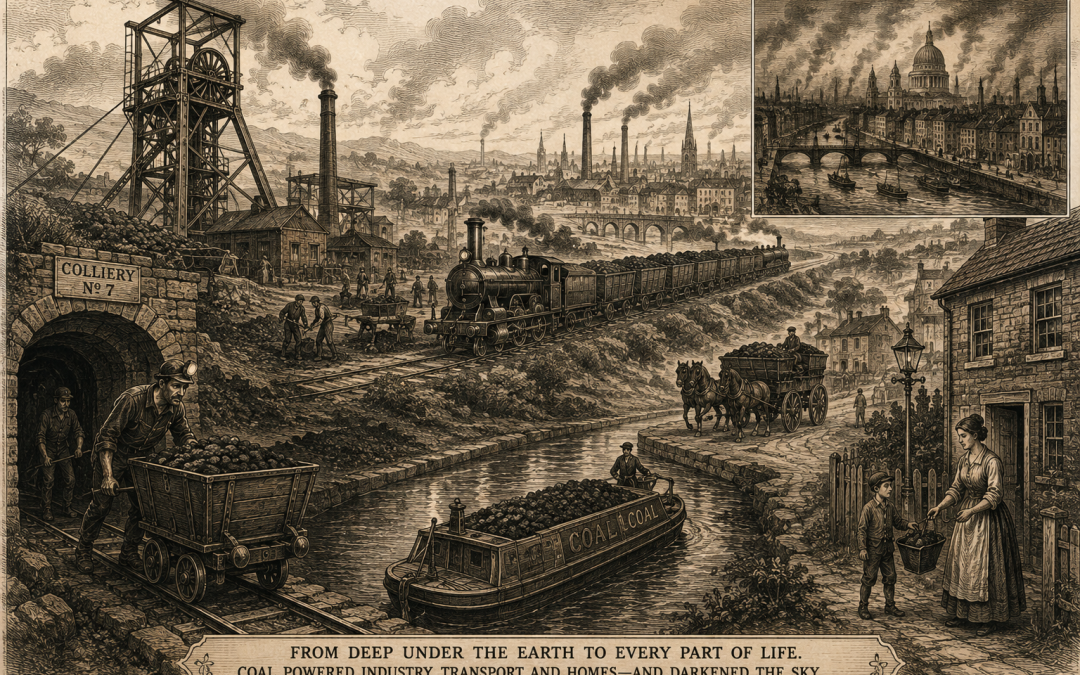
Black Underfoot—Coal and the First Energy Abundance
In the summer of 1976, London was preparing to celebrate the Queen’s Silver Jubilee. Some buildings had already been
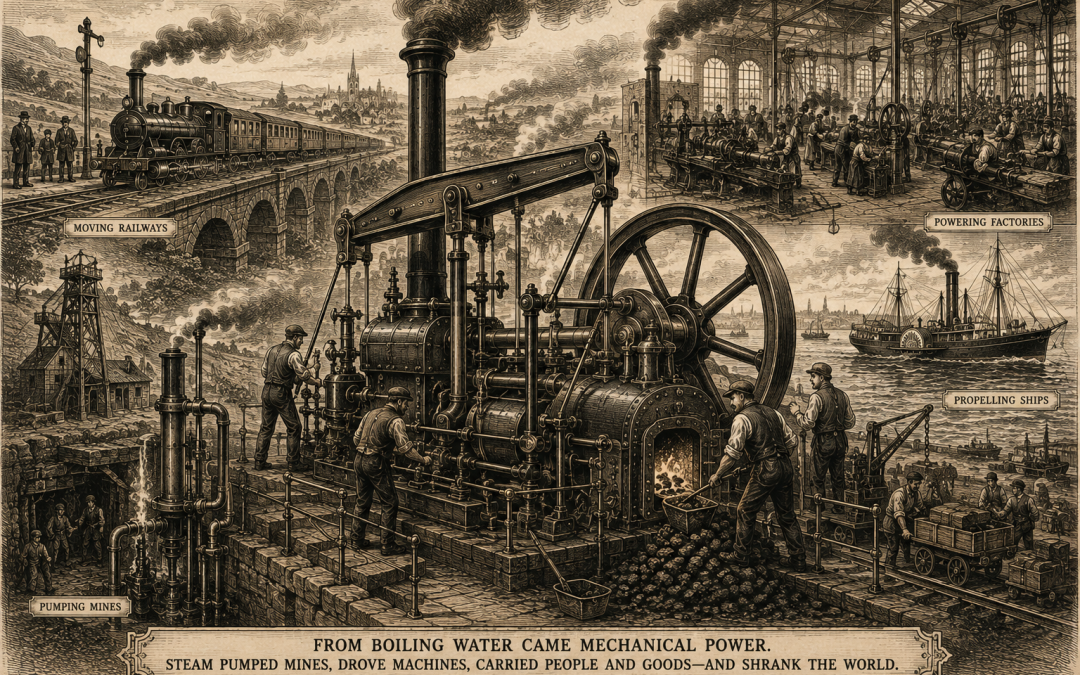
Steam, Engines & Smoke — The Real Engines of the Industrial Age
Steam & Smoke: The Real Engines of the Industrial Age Before electricity lit streets and homes, the machinery driving
Standard Time — Sandford Fleming and the Order of Hours
A World Out of Sync For most of human history, time was local. Towns set their clocks by the
The Long Recovery — When England Quietly Changed Direction
The England we left at the end of the fourteenth century had endured almost everything history could throw at

The Peerage and The Gentry — England’s Governing Class
Westminster Hall has witnessed coronation feasts, royal courts, state trials and the evolution of Parliament. Yet England was never
Mesopotamia — The First Step was Counting
When we think about the beginnings of civilization, our minds often leap to pyramids, kings and great cities. The
Italy — Rome Never Really Left
It is easy to picture Rome at its height — luxurious baths, roads stretching to eternity, and spectacles in
Places of Meaning
Every place has a story, revealing the people, events and ideas that shaped both Britain and the wider world. Explore the castles, cathedrals, country houses, cities and landscapes where history unfolded.
Explore the Attic
Not every idea arrives knowing where it belongs.
The Attic is the workshop of Entertablement Abroad—a place to follow loose threads, test ideas, revisit old assumptions and ponder questions prompted by history and the world around us. Some explorations may eventually find a home in the Library; others are perfectly content to remain in the Attic.
Expect occasional deep dives, timely diversions, conversations with readers and questions without tidy answers. Come up, have a rummage and join the discussion.

Cathedral Stories
Learn about Britain’s history by exploring any or all 42 cathedrals, presented in alphbetical order for easy browsing.
Cathedral Timeline
Through the lens of a cathedral timeline, you will see how world-changing history unfolded over centuries
Cathedral Map
Should you wish to visit the cathedrals, we’ve provided a map for each location, useful for in person or virtual explorations.
Cathedral Tapestry
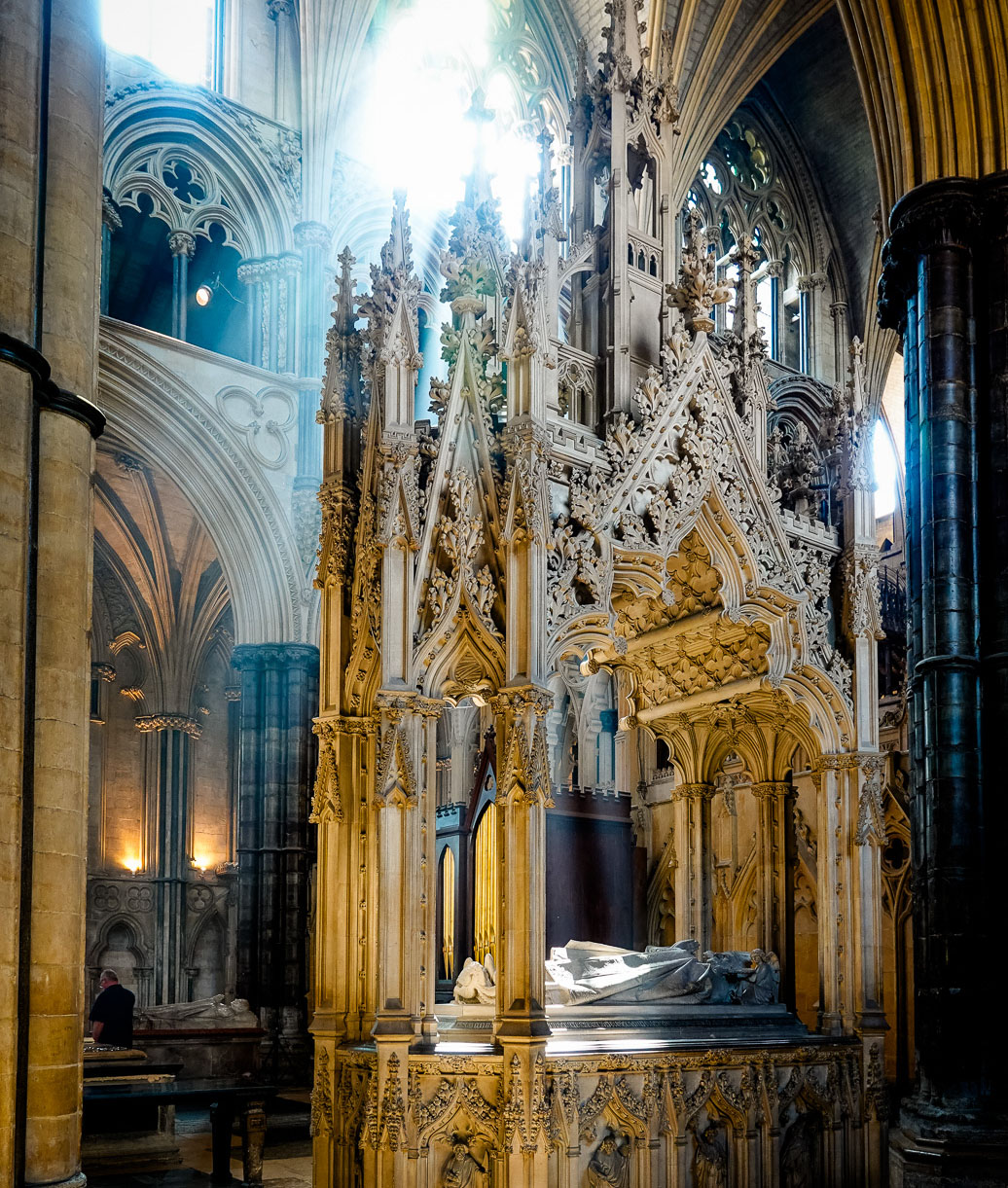
England’s Anglican cathedrals are shaped by the nation’s history—built on power, faith, and artistic ambition. From medieval pilgrimage to Reformation upheavals and modern preservation, they reflect shifting political, economic, and social tides. Each tells its own story, yet together, they weave the fabric of England’s identity.
Britain’s Eras
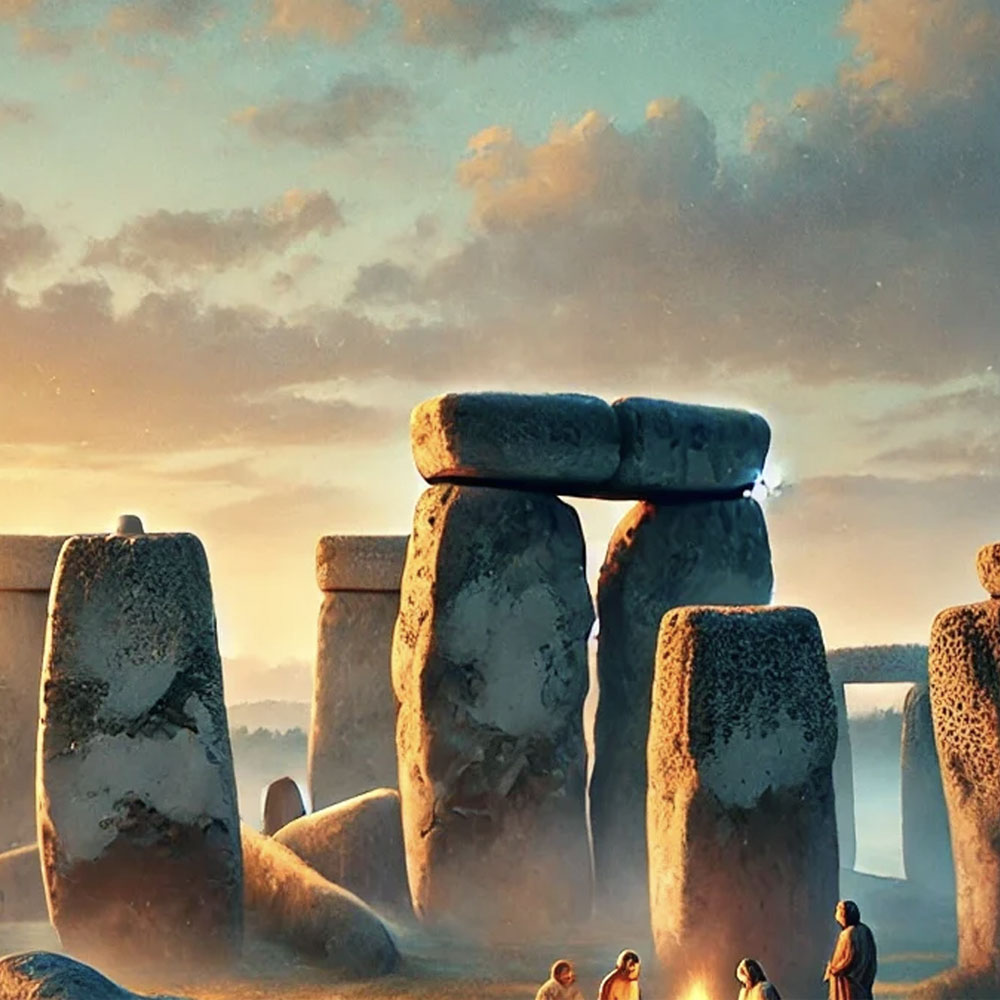
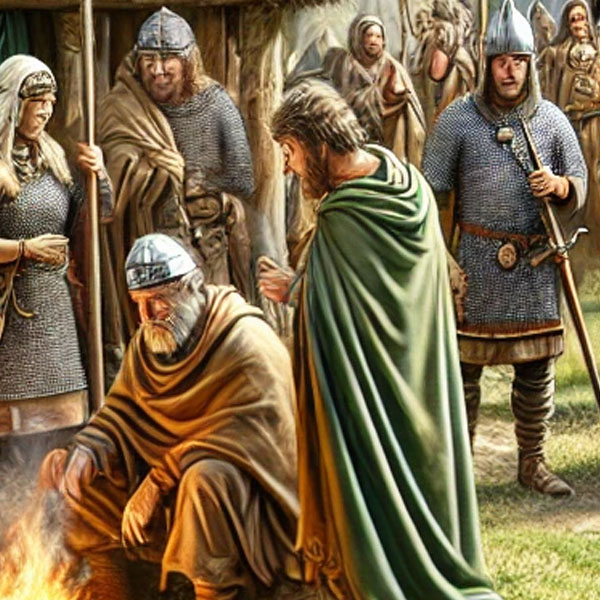
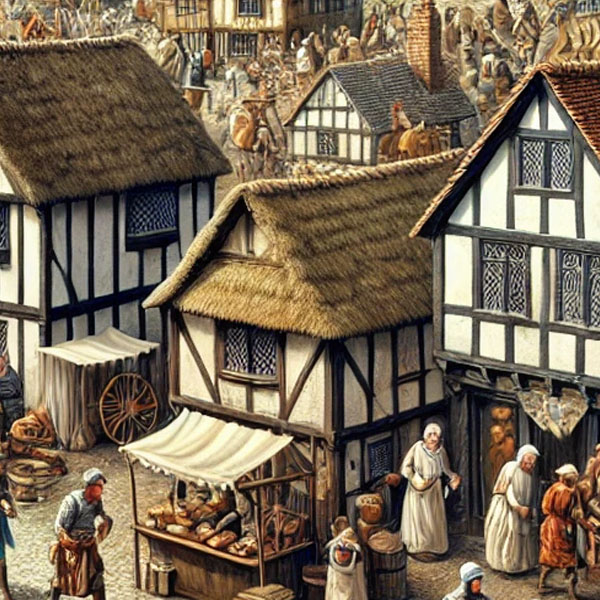
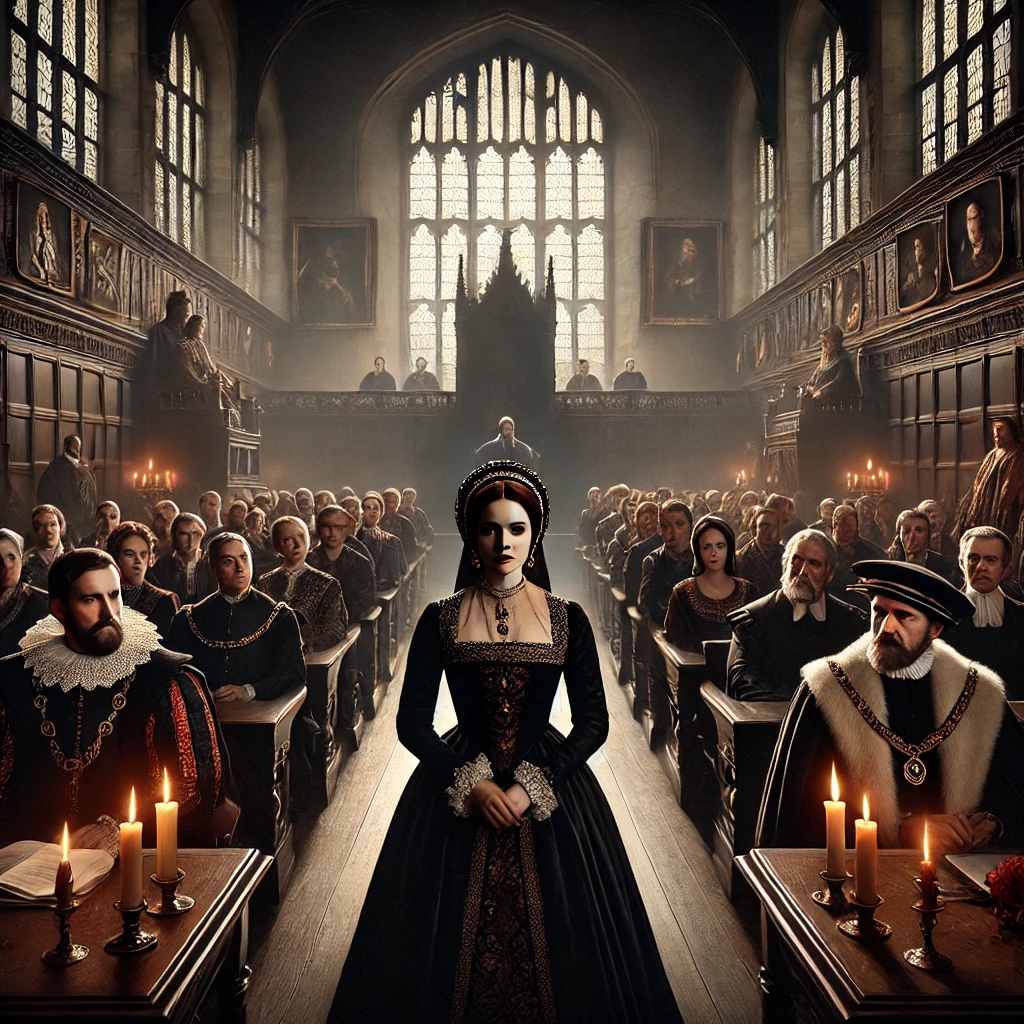
Explore Britain through the periods that shaped its institutions, buildings and everyday life.