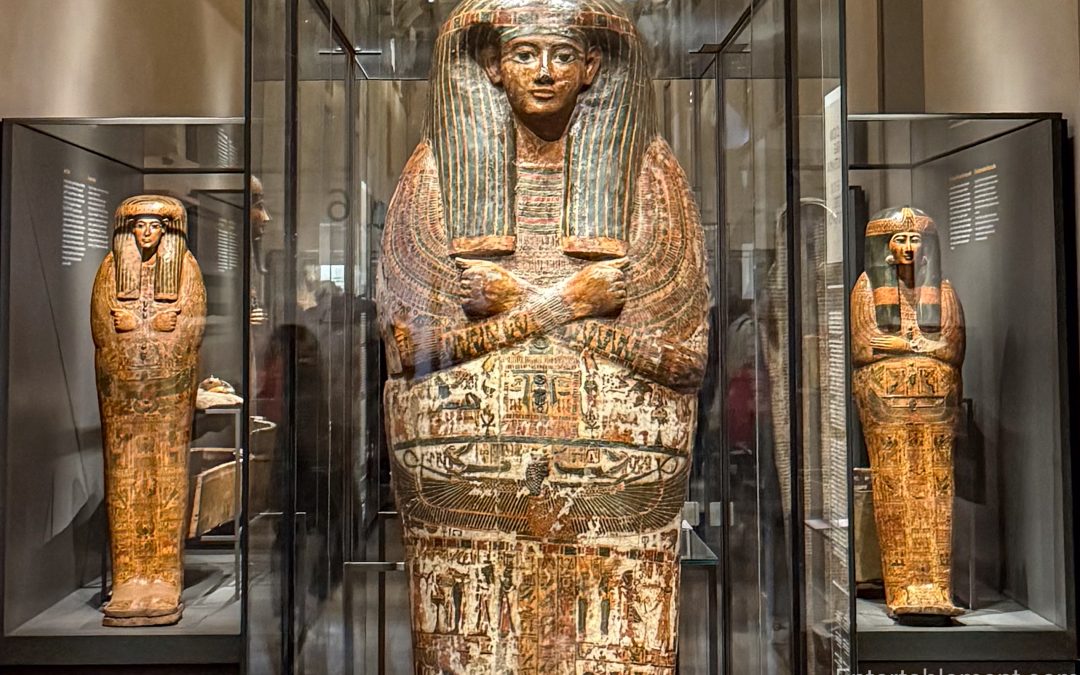
Egypt in Turin—An Accidental Highlight
Turin was not supposed to be the point. This was a Northern Italy trip with friends — Bill and Maura — the kind of people who have already seen most things, lived in most places, and are not easily impressed. Americans, but only technically so: twenty-three years...
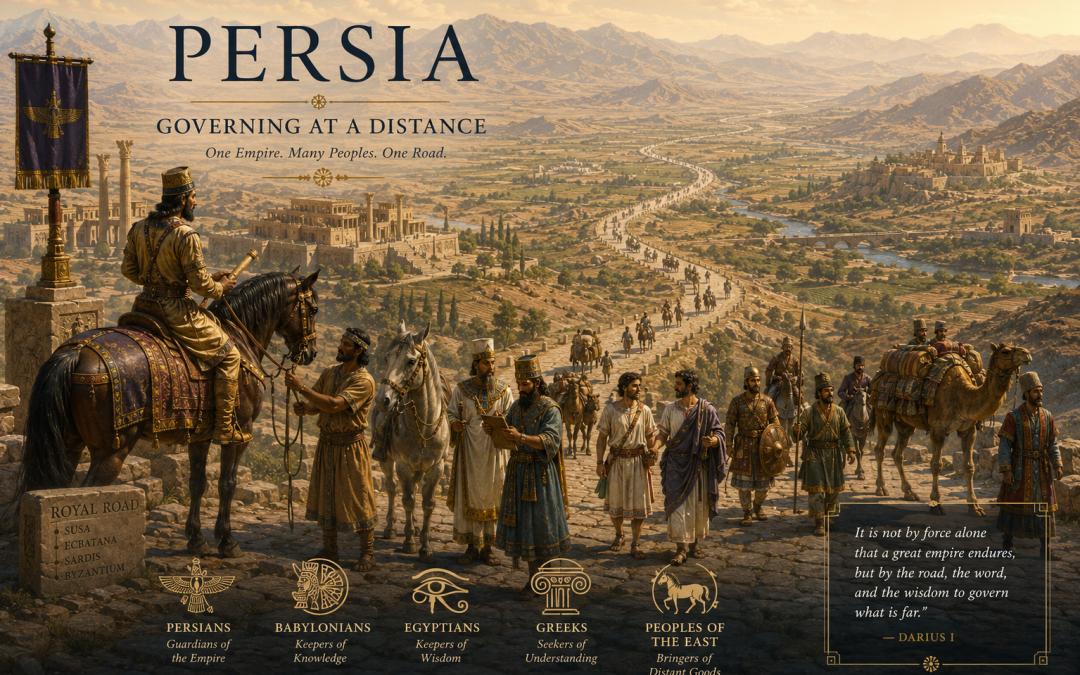
Persia — Governing at a Distance
How do you govern people who speak different languages, worship different gods, and live thousands of kilometres apart? For much of human history, the answer was simple: you didn't. Kingdoms grew only as far as a ruler could reasonably communicate, collect taxes and...
Alexandria — A Harbour for Knowledge
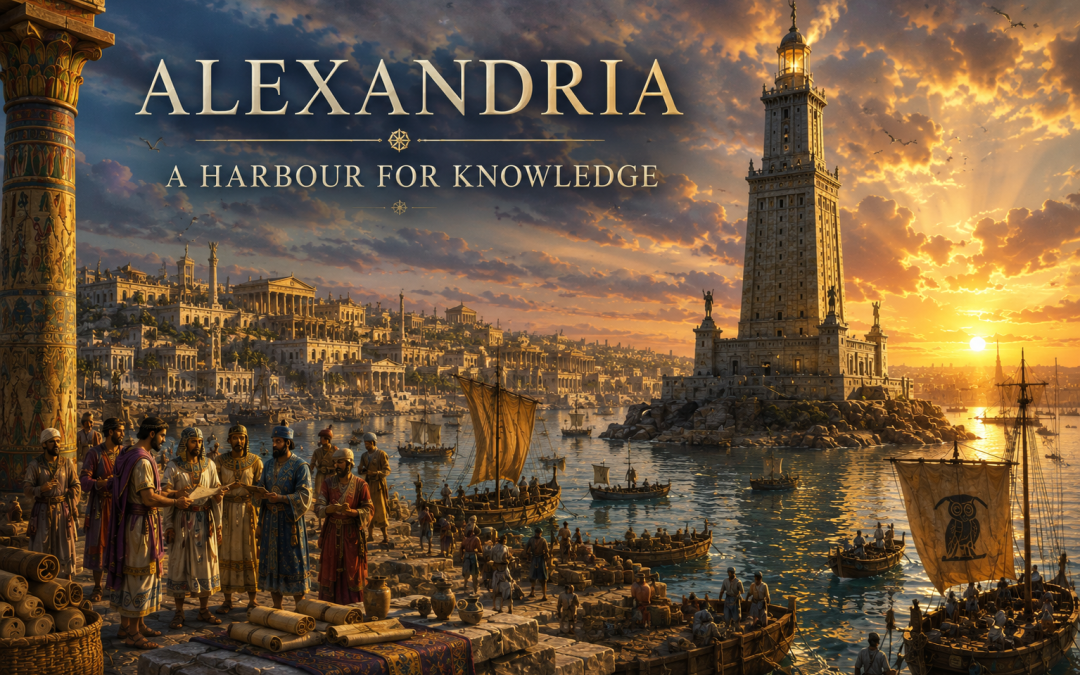
To understand the world is itself a form of power. Long before a ship reached the harbour of Alexandria, sailors knew they were approaching something remarkable. By day, a gleaming white tower rose above the Mediterranean horizon. By night, a great fire burned from...
Greece—When Life Moved Into the Open
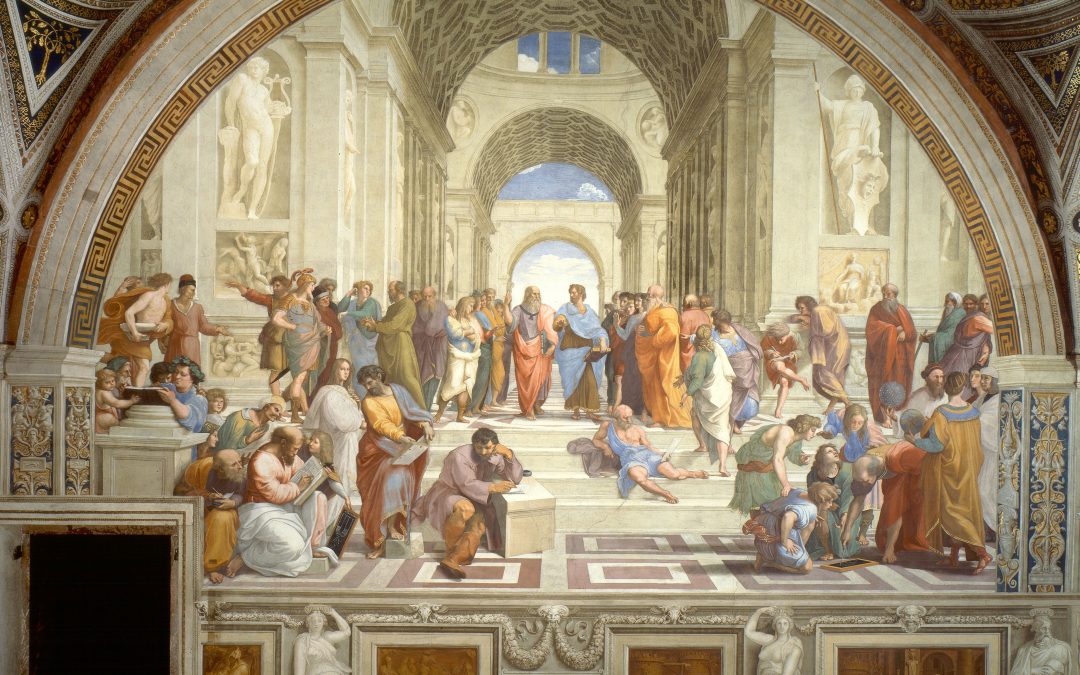
My working impression of Greece was embodied in the Vatican’s fresco The School of Athens by Raphael. In it, Socrates (left) argues in the crowd, Plato points upward toward higher truths beyond the visible world, and Aristotle, his hand held level, grounds philosophy...

Rome — Scale, Infrastructure, and the Relief of Decision
My first trip to Rome included our son Adam and his then-fiancée Annie. They had both been before—Annie in particular is travel-obsessed in the most admirable way—and they undertook to show us Rome in a single day. Though (probably because) we were neophytes, Glenn...
Collapse, Scarcity, and Survival—When Rome Leaves the Room
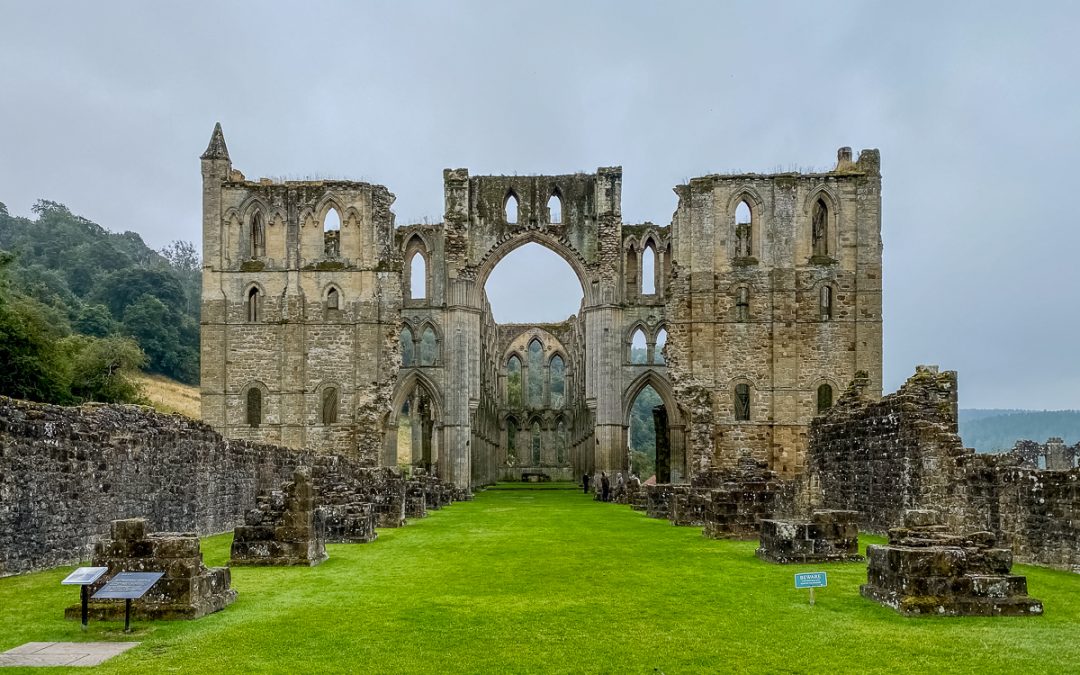
For a long time, I thought of what followed Rome's departure from England as collapse — full stop. The so-called “Dark Ages.” Civilization slipping backwards into mud and thatch as roads were abandoned and stonemasonry was forgotten. That view turns out to be more...

Italy — Rome Never Really Left
It is easy to picture Rome at its height — luxurious baths, roads stretching to eternity, and spectacles in the Colosseum — an empire that seems to have been running perfectly well. Which makes its “fall” feel abrupt, almost inexplicable. But Rome did not stop because...
Paris—Where Gaul Keeps Going
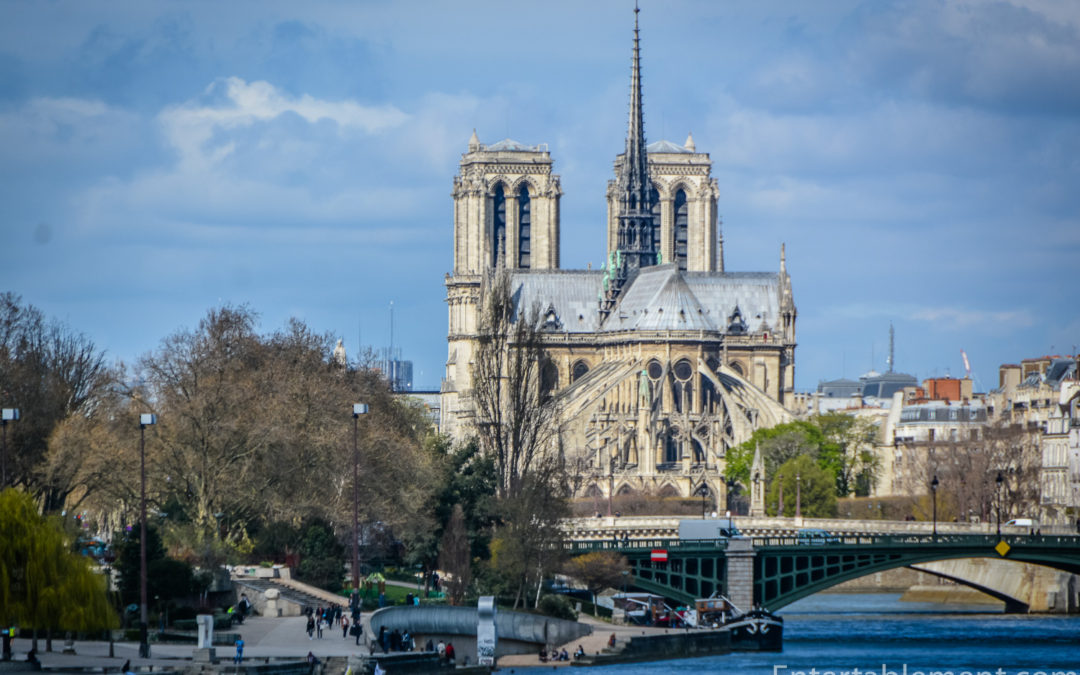
When the roof of Notre-Dame de Paris caught fire in April 2019, the images traveled around the world almost instantly. People watched the flames climb through the timber framework, watched the spire collapse, and wondered — for a moment — whether something...
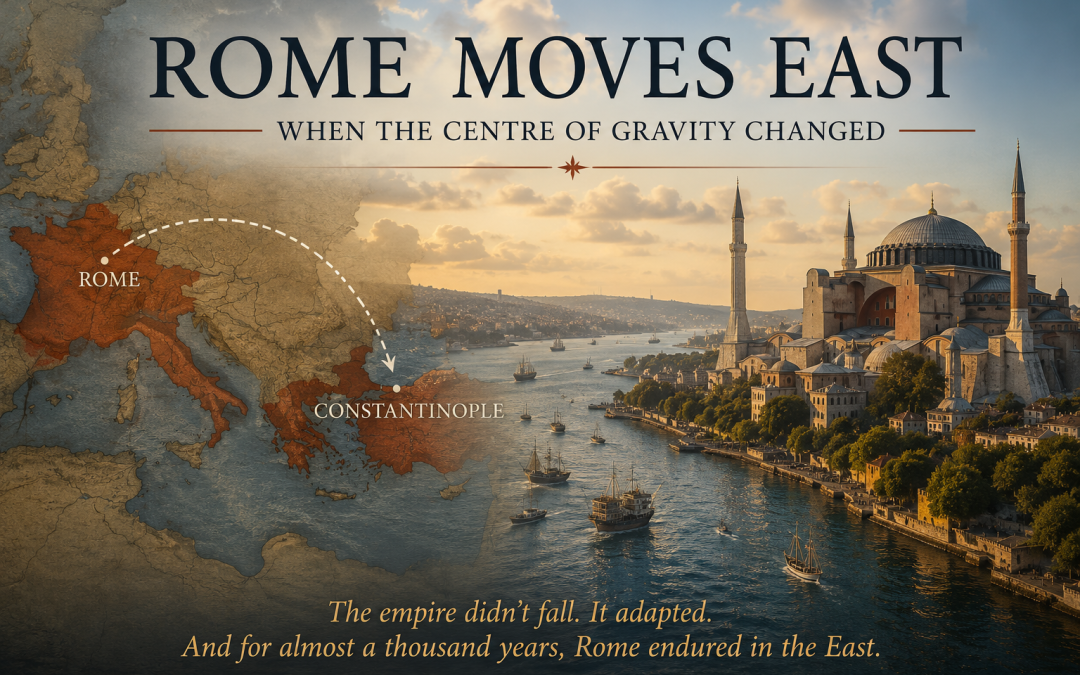
Rome Moves East — When the Centre of Gravity Changed
Ask almost anyone when the Roman Empire fell and the answer comes back without hesitation: 476 AD. It is one of those historical facts that seems so well established we rarely think to question it. The difficulty is that it isn't quite true. Part of the Roman Empire...
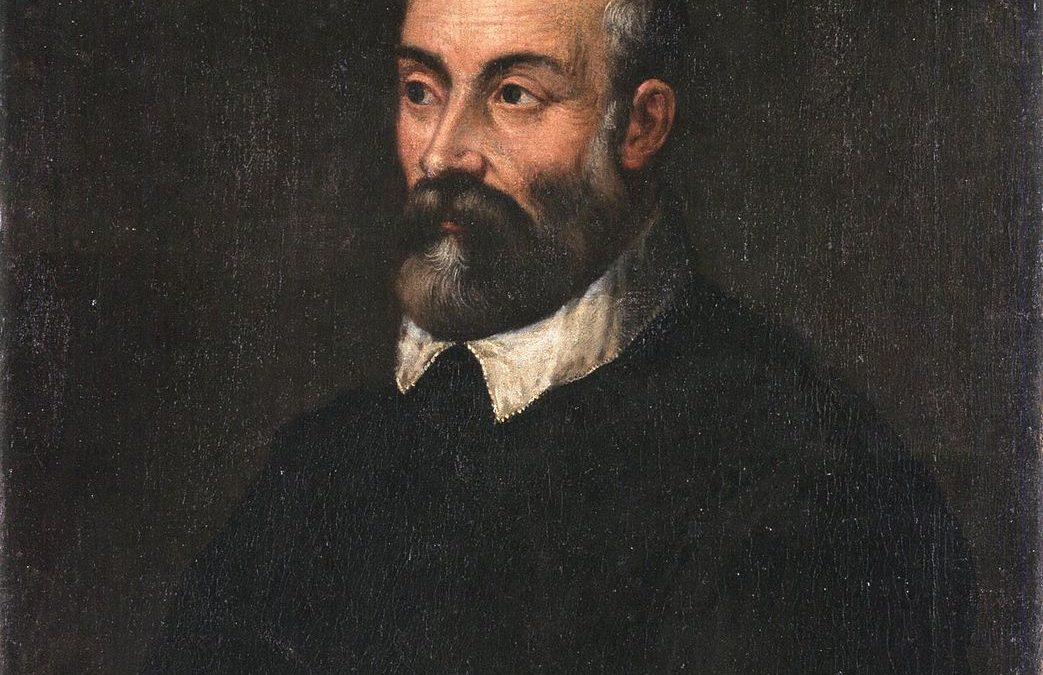
Andrea Palladio (1508–1580): The Master Builder Who Thought Like a Philosopher
You may not know his name, but you’ve seen his work—echoed in country houses, government buildings, and countless stately facades across Europe and America. If you’ve ever stood in front of a Georgian manor or admired the U.S. Capitol, you’ve been in conversation with...