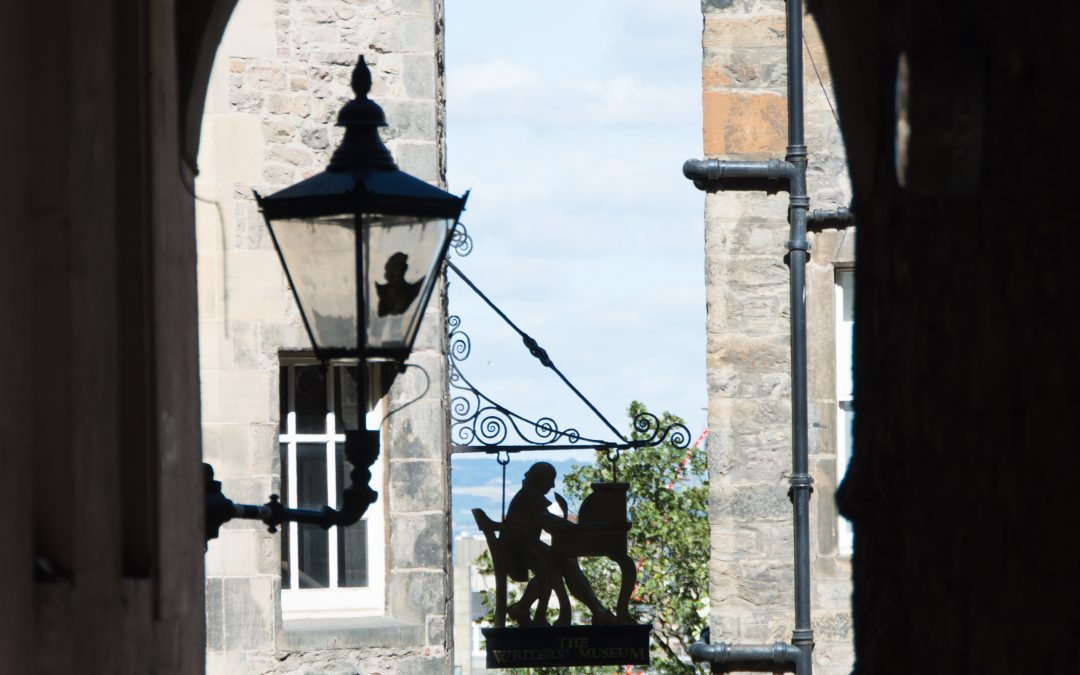
Edinburgh is a city best approached on foot, although your legs may have a few objections. The Old Town rises and falls along a rocky ridge, its narrow closes disappearing between tall buildings,

Streets occasionally open onto unexpected views of the Firth of Forth or the hills beyond. Edinburgh is a city that makes you curious about what lies around the next corner. And, as it happens, curiosity became one of Edinburgh’s great contributions to the world.

By the eighteenth century, this relatively small northern capital had become an extraordinary centre of intellectual activity. Philosophers, physicians, architects, scientists, lawyers and economists were asking questions that would help reshape the modern world.
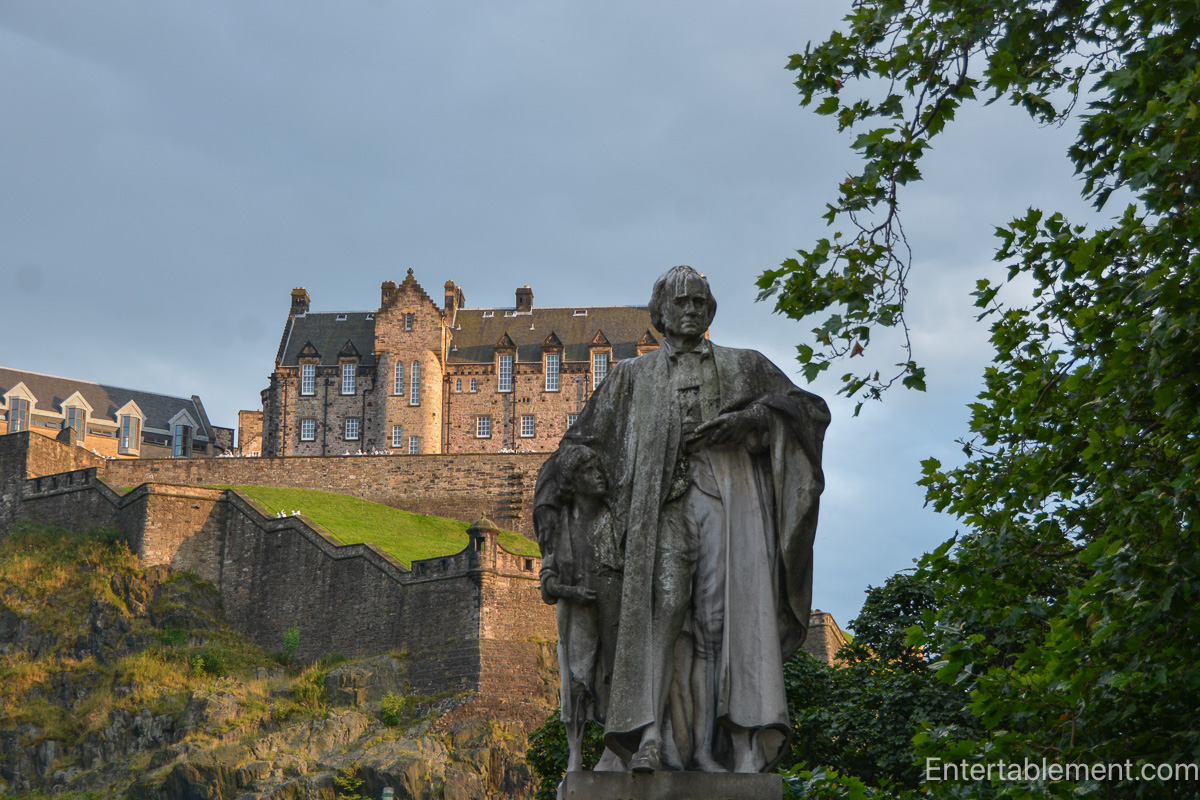
How do people make moral judgments? What makes societies prosperous? Why do institutions work as they do? How much of what we believe can actually be demonstrated?
These were not entirely new questions. What was remarkable was the concentration of people asking them, challenging one another’s answers, and finding a remarkably receptive audience.
A City Built on a Ridge
Edinburgh’s geography did not make expansion particularly convenient. The medieval town developed along the ridge between Edinburgh Castle and Holyrood Palace.

As its population grew, the available space became increasingly crowded. Buildings rose to extraordinary heights, and people of very different means lived remarkably close together, sometimes in the same tenement.
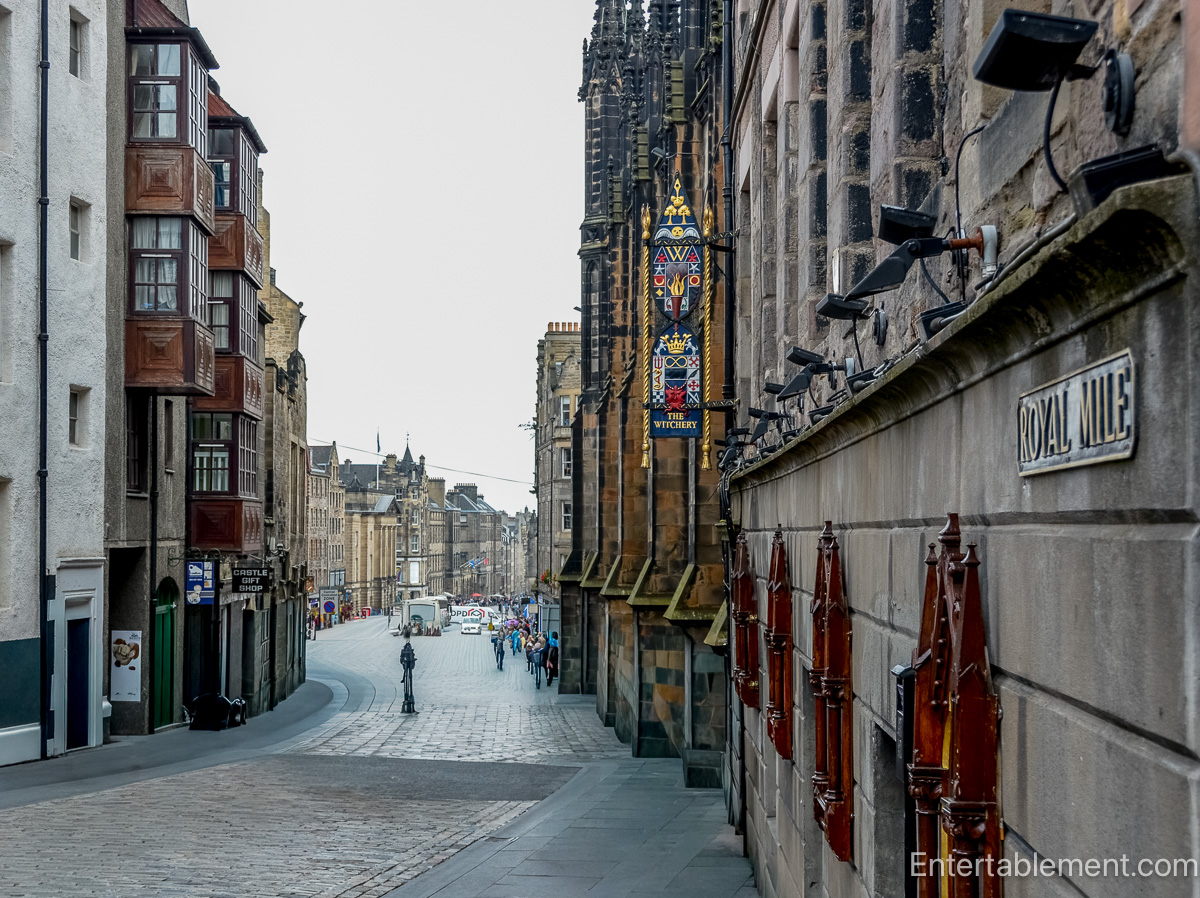
The Old Town was noisy, congested and, by modern standards, decidedly unsanitary. Yet it also brought people into frequent contact. Lawyers, merchants, academics and tradesmen encountered one another in streets, taverns, churches and coffeehouses. Ideas travelled easily in a place where people could scarcely avoid meeting.

The castle and palace represented older forms of authority, but between them lay a town increasingly occupied with the practical business of law, commerce, education and government. And Edinburgh had acquired an important institutional advantage: a population unusually accustomed to reading, argument and instruction.

Learning to Read—and to Disagree
The Scottish Reformation had placed considerable emphasis on individual engagement with Scripture. If people were expected to read the Bible, they first had to be taught to read.
Scotland developed a network of parish schools, reinforced by legislation in the seventeenth century. Coverage and quality varied, and education was by no means equally available to everyone. Nevertheless, schooling became a significant part of Scottish institutional life, with consequences extending well beyond religion.
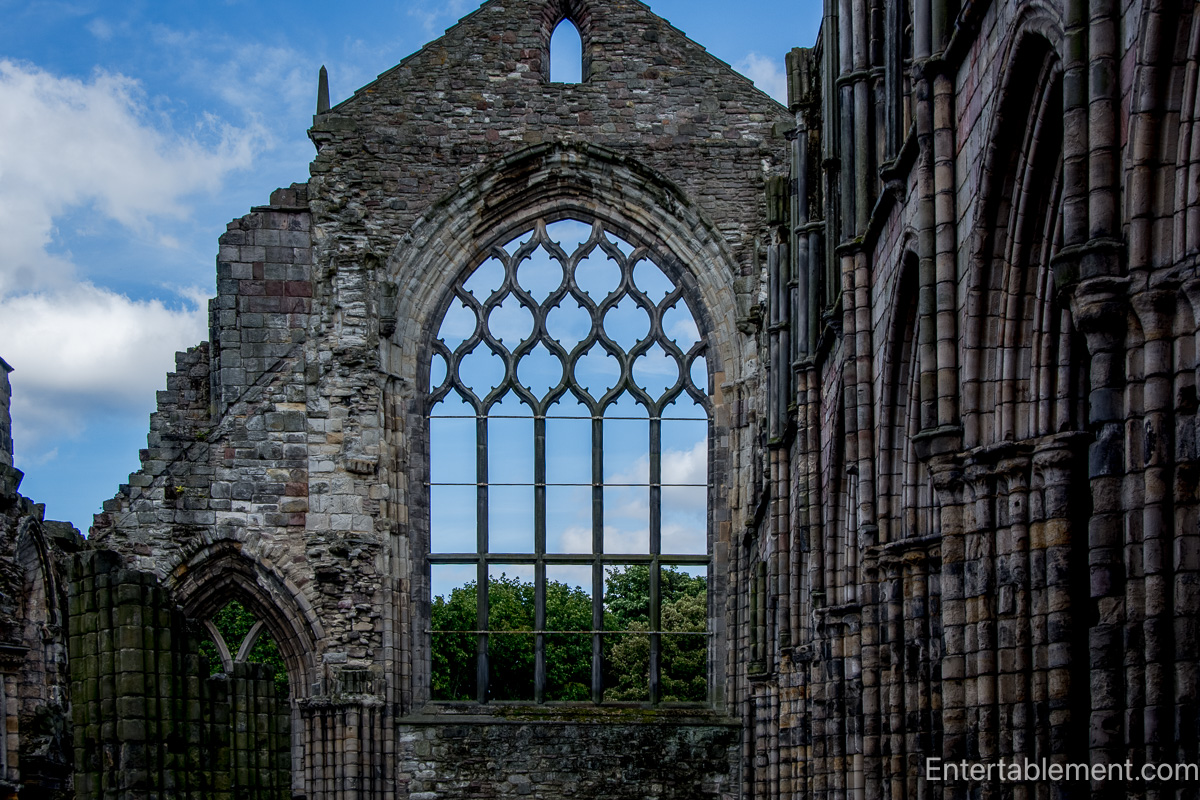
Reading made it easier to acquire and circulate knowledge. Numeracy supported trade and administration. Universities drew students into a culture of disputation, while the professions supplied practical problems that demanded solutions.
Edinburgh was also developing a lively literary culture. Allan Ramsay (1684–1758), a poet, playwright and bookseller, helped bring Scottish writing to a wider audience. His circulating library made books available to readers who might not otherwise have afforded them, while his own work celebrated the Scots language and its literary possibilities.
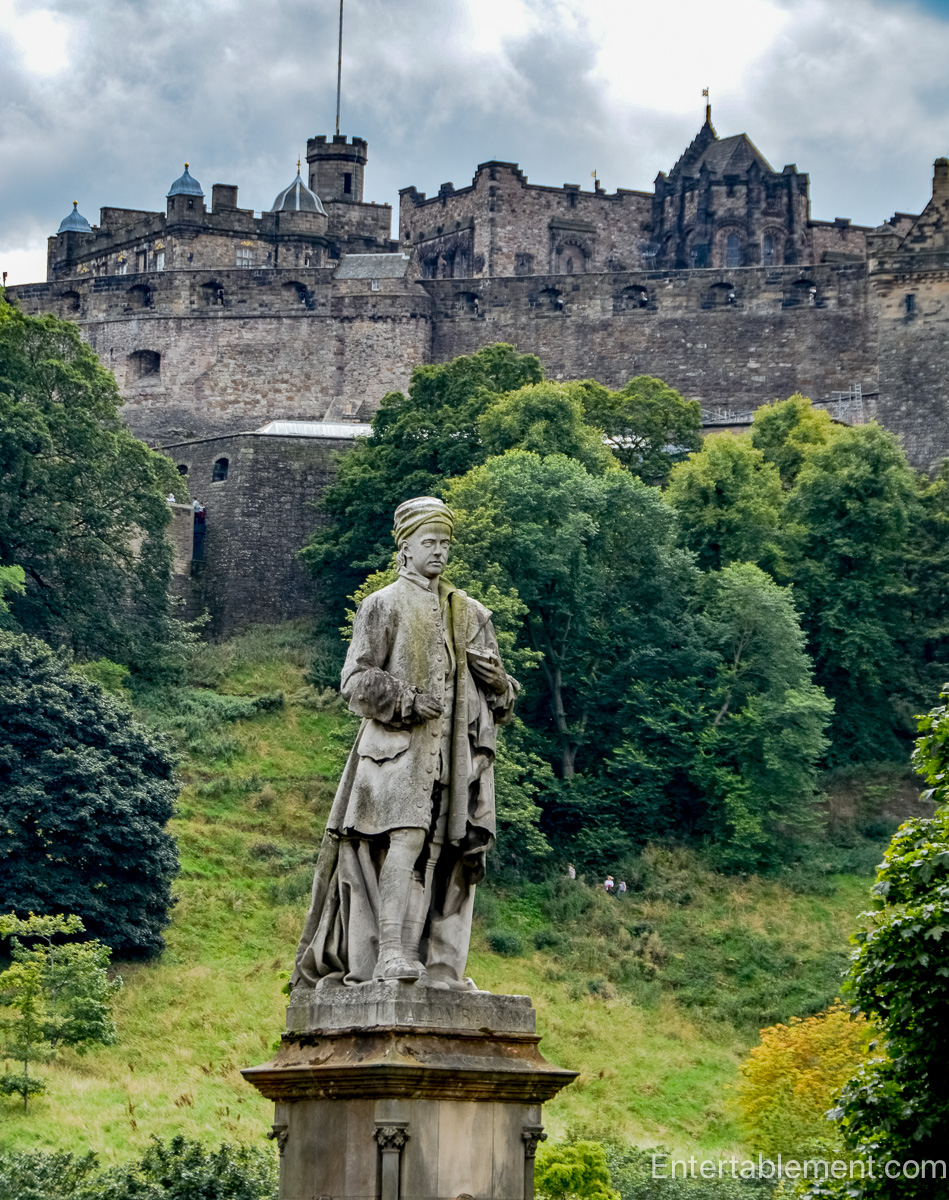
His son, also Allan Ramsay, became one of Britain’s leading portrait painters and would later paint David Hume. The connections between Edinburgh’s literary, artistic and philosophical worlds were already taking shape.
But encouraging people to read did not necessarily mean encouraging them to question everything they read.
David Hume discovered the limits of Edinburgh’s intellectual tolerance in 1745, when he sought the Chair of Moral Philosophy at the University of Edinburgh. His scepticism about religion had made him controversial, and opposition from religious authorities and their supporters helped prevent his appointment. One of Scotland’s most original thinkers was considered unsuitable to teach moral philosophy in his own city.
There is a considerable irony here. The religious institutions that had helped establish Scotland’s educational foundations were not always comfortable with the questions that education made possible.
The Company They Kept
The Scottish Enlightenment was not simply a collection of unusually clever men sitting alone with their books; it was also a social phenomenon. Edinburgh supported clubs, societies, lectures and convivial gatherings in which ideas were tested through conversation. People moved between disciplines with a freedom that seems almost extravagant today.
A philosopher might discuss economics with a merchant, medicine with a physician, or political institutions with a lawyer. Their interests overlapped because the questions themselves overlapped.
David Hume was among the most influential figures in this world. His inquiries into human understanding, belief and moral judgment challenged assumptions that many of his contemporaries preferred to leave undisturbed.
His friend Adam Smith approached human behaviour from another direction, exploring sympathy, moral approval, self-interest, cooperation and the organization of economic life.
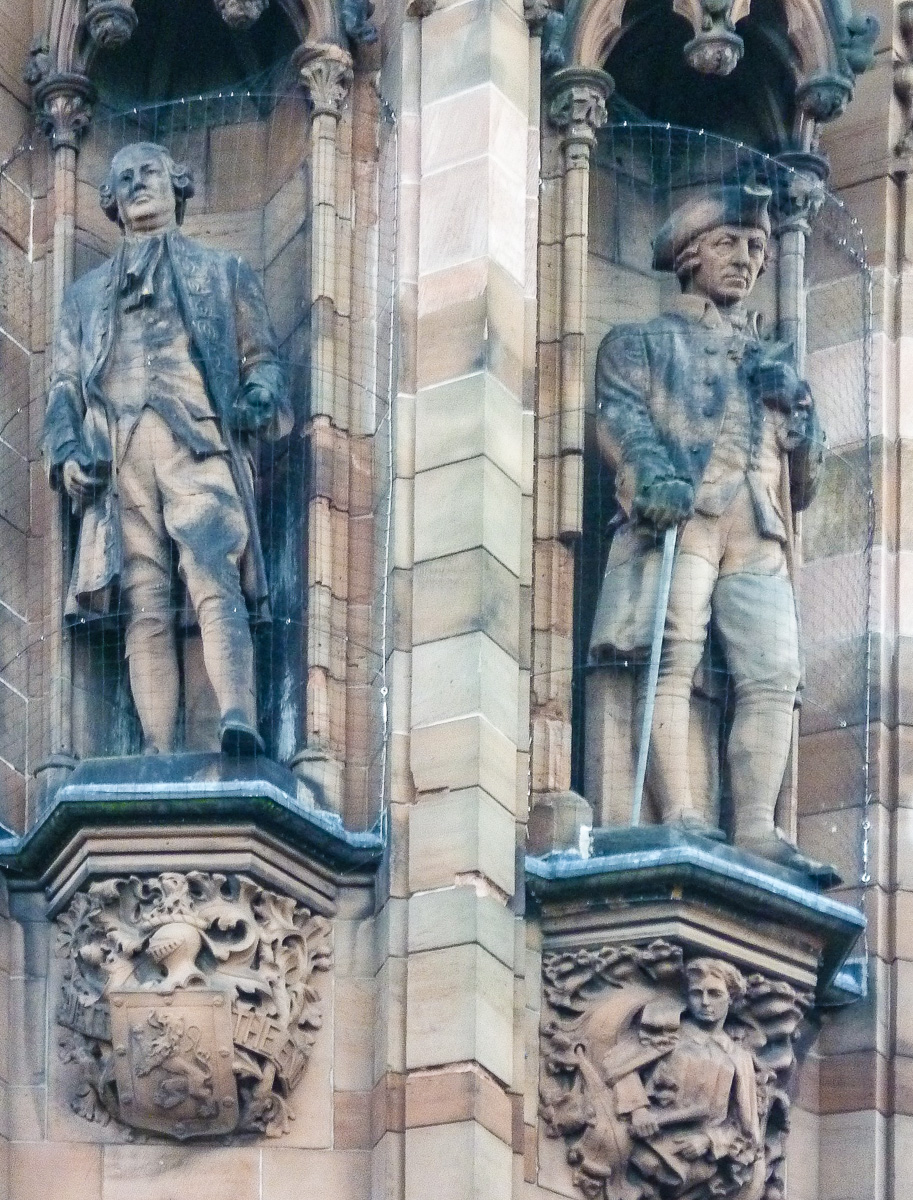
Their friendship is one of the most appealing features of the period. They did not agree about everything, but each valued the other’s judgment and company.
And they were hardly alone. Edinburgh’s intellectual circle included physicians such as William Cullen and Joseph Black, the geologist James Hutton, the philosopher Adam Ferguson and many others whose work crossed the boundaries we now draw between disciplines.
The Scottish Enlightenment flourished partly because its participants were interested in the same broad problem: understanding how the world worked, rather than merely describing how it ought to work.
A New Town for a Changing City
By the middle of the eighteenth century, Edinburgh’s physical limitations had become increasingly difficult to ignore. The answer was ambitious: build an entirely new town to the north.
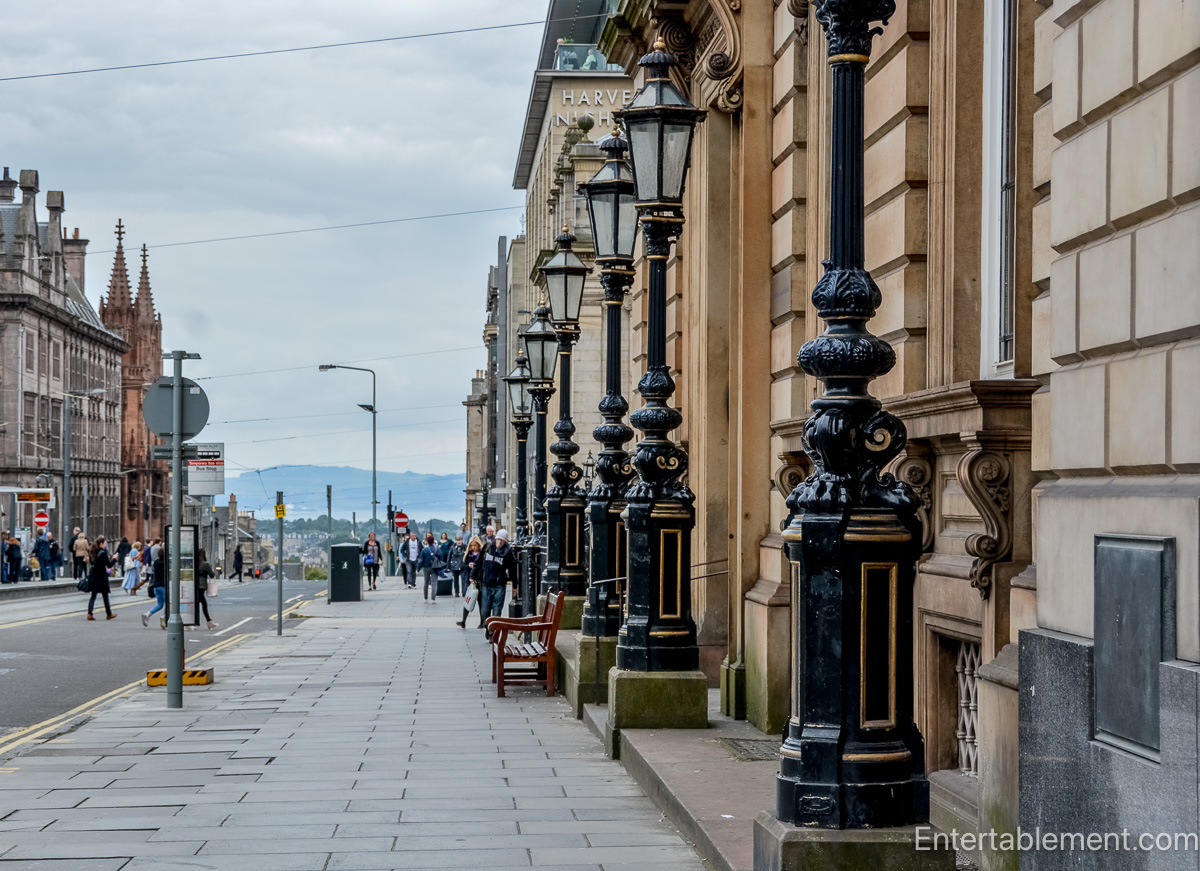
James Craig’s winning plan of 1767 offered something strikingly different from the crowded medieval ridge. Broad streets, orderly squares, generous proportions and classical architecture created a new urban environment for a city eager to accommodate its growing prosperity and aspirations.
The Nor Loch was gradually drained, and the valley it occupied was eventually transformed into Princes Street Gardens. Today, children ride a carousel beneath the great bulk of Edinburgh Castle, visitors stroll among the flowerbeds, and trains pass along the edge of what was once a defensive barrier. It’s a delightful place to linger, with two very different versions of Edinburgh rising on either side.

Walking from the Old Town into the New Town remains a remarkable experience. One moment, you are negotiating steep streets and enclosed spaces. The next, the city opens into a series of measured vistas. The contrast reflects changing expectations about urban life: space, sanitation, circulation, privacy and civic order.

The New Town did not replace the Old Town. The two developed alongside one another, giving Edinburgh an unusually visible record of its own transformation. And although it is tempting to read the Enlightenment directly into Craig’s geometry, cities are never quite that obliging. The New Town was also a practical response to overcrowding and the preferences of people who could afford to move.
Ideas and incentives were operating together.
Edinburgh Looks Outward
For all its distinctive Scottish character, Edinburgh was never intellectually isolated. Its scholars and professionals corresponded with colleagues across Britain, Europe and the Atlantic. Books, letters, travellers and commercial networks carried ideas in both directions.

Benjamin Franklin visited Scotland and formed friendships with members of its intellectual community, including Hume. Edinburgh’s thinkers, in turn, followed developments in politics, science and commerce far beyond Scotland. This international exchange matters because the Scottish Enlightenment was part of a much wider conversation about knowledge, government, economic activity and the possibilities of human improvement.
Scotland contributed powerfully to that conversation, but it also borrowed, adapted and challenged ideas arriving from elsewhere.
Beyond the Enlightenment
There is another Scotland to remember alongside Edinburgh’s learned societies and elegant New Town.
During much of the period in which Lowland thinkers were examining prosperity, progress and the workings of society, profound changes were taking place in the Highlands.
Traditional relationships between landowners and communities were being altered. Commercial agriculture, population growth, new industries and shifting patterns of land use created opportunities for some and devastating losses for others. The Highland Clearances would expose difficult questions about property, obligation, economic change and the distribution of power.
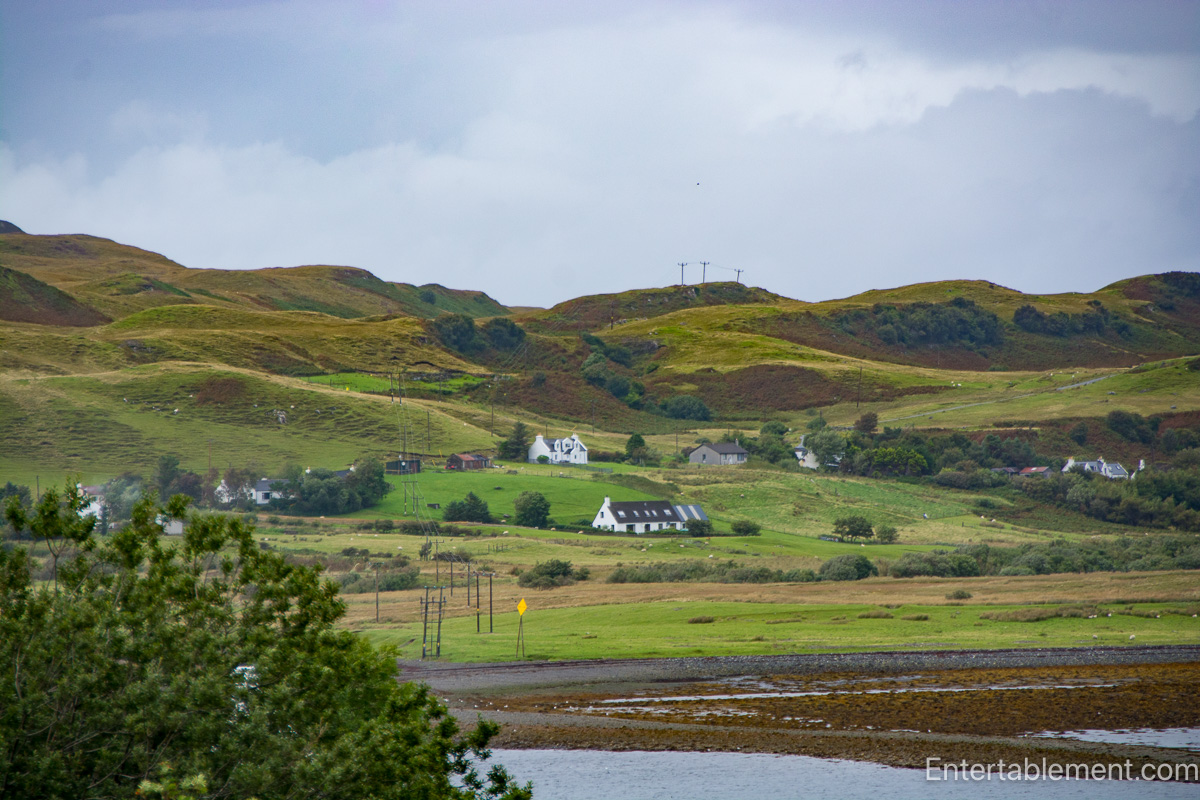
Scotland’s intellectual and economic transformations were occurring within the same society, and not everyone experienced change in the same way.
A City That Still Invites Questions
Edinburgh remains a wonderful city to explore on foot, from the narrow closes of the Old Town to the gracious streets of the New. Its buildings and public spaces tell a story of successive generations adapting what they inherited, sometimes with results their predecessors could scarcely have imagined.

Hume and Smith would undoubtedly recognize many of the questions we continue to ask about human behaviour, prosperity and the institutions that govern our lives. We have acquired extraordinary new capabilities since their time, but deciding how best to use them remains a work in progress.
I suspect they would have enjoyed joining that conversation.