

York offers a clue to one of the great stories of medieval England.
Walk through the city on a busy Saturday morning and, after a while, something begins to feel oddly familiar. The market is bustling. Shops line narrow streets. The cathedral dominates the skyline. People stream through gates in walls that have stood for centuries.
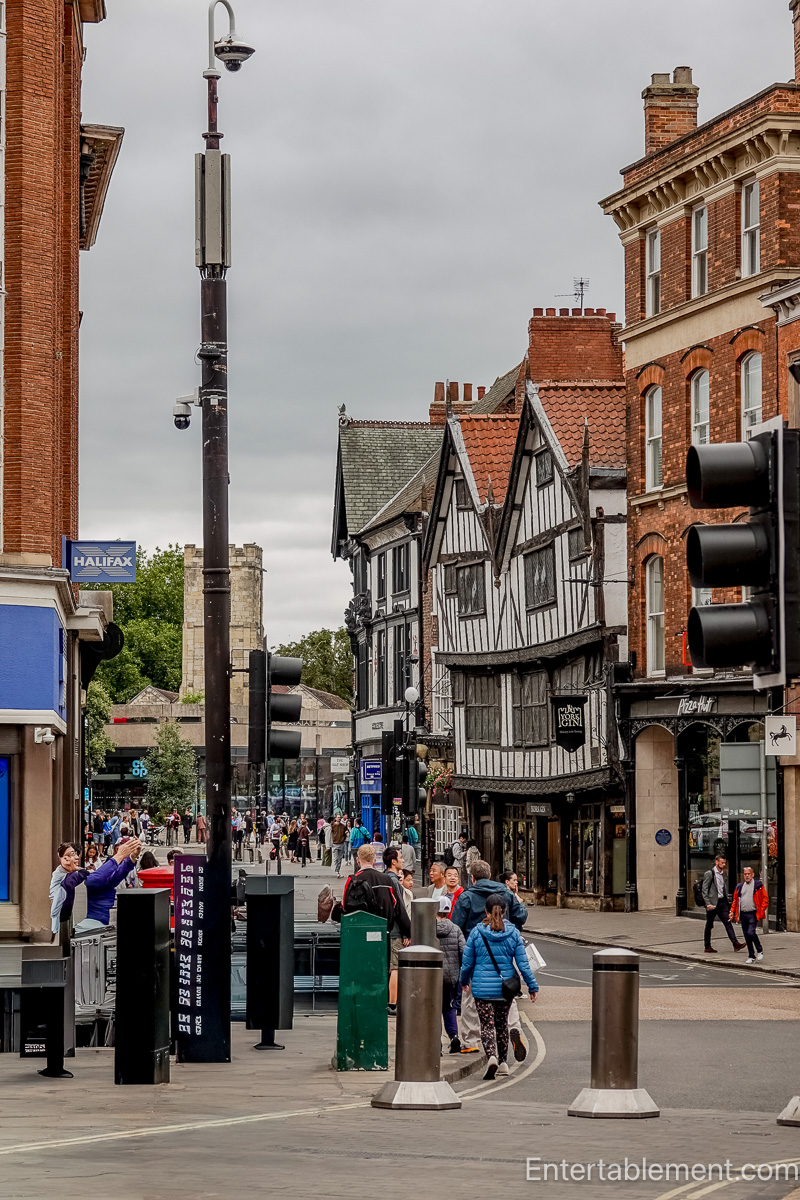
It feels timeless. Yet almost everything that gives York its character today was shaped during one remarkable period in English history.
England’s Long Ascent
The two centuries between the Norman Conquest and the calamities of the fourteenth century were among the most remarkable periods of sustained growth in English history.
Looking back, it is remarkable how much changed in just two centuries. England grew richer, more populous and more organized. Towns expanded. Trade flourished. Laws became more consistent. Institutions that still shape the country today quietly took root.
If the Norman Conquest laid the foundations, these were the generations that built upon them. England was not simply recovering from conquest. It was learning how to become a kingdom.
If 1066 was the beginning of England’s reconstruction, then the High Medieval Period was the long ascent.
From Conquered Realm to Ordered Kingdom
Conquest is one thing. Governing successfully afterwards is quite another. William the Conqueror left behind castles and a new aristocracy, but his most enduring legacy may have been something far less dramatic.
The Normans imposed a new aristocracy, strengthened royal authority, and transformed landholding. Their greatest administrative achievement, however, was the Domesday Book, an extraordinary survey that allowed the Crown to know, tax and govern its kingdom with a precision unmatched elsewhere in medieval Europe.
 Source
Yet the true significance of the conquest lay not in what was built immediately, but in what became possible afterwards. England emerged as one of the most centralized kingdoms in Europe.
None of this happened overnight. Year by year the Crown became better at knowing what it owned, collecting what it was owed and recording how the kingdom functioned. The Exchequer evolved into one of medieval Europe’s most sophisticated financial systems, while written records steadily replaced memory and custom.

Courts increasingly operated in the king’s name. Written records multiplied. Government became less dependent on personal relationships and more dependent upon institutions.
The process was slow and often imperfect, but the trend was unmistakable. Local government also became more consistent as sheriffs administered the king’s authority across England’s counties, linking the Crown to communities throughout the realm. (Read more: Sheriffs and Shires — The Geography of Governance.)
A kingdom that had once struggled against Viking invasions was becoming a remarkably effective medieval state.
Feeding a Growing Kingdom
The clearest sign of success was demographic. England’s population grew dramatically between the eleventh and thirteenth centuries. Forests were cleared. Marshes were drained. New market towns appeared. Marginal land was brought under cultivation.
By 1300, perhaps five million people inhabited England, more than double the population of the Norman era. To contemporaries, this expansion must have seemed evidence of prosperity and divine favour.
To the people living through it, this must have felt like an age of confidence. Forests disappeared beneath new fields. Market towns multiplied. Everywhere, England seemed to be expanding.
The Age of Cathedrals
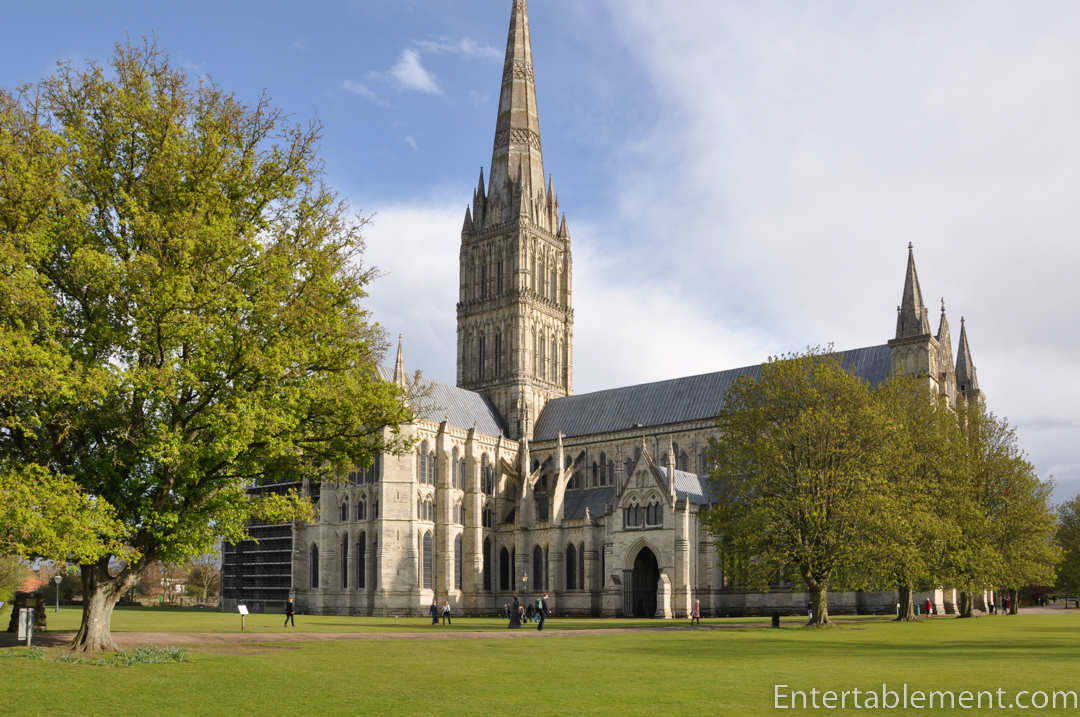
Only a confident society attempts projects whose completion it may never live to see, and the confidence of the period can still be seen in stone. Across England, churches and cathedrals rose on a scale unimaginable to earlier generations.
The heavy Romanesque architecture of the Normans gradually gave way to the soaring lines of the Gothic style. Salisbury, Lincoln, Canterbury, and Westminster became expressions not merely of faith, but of ambition. These buildings were public declarations of confidence. Constructed over decades, sometimes generations, they represented enormous investments of labour, skill, and wealth.
Law, Government, and the English State
Some of the most important changes left no visible monument. During Henry II’s reign, justice increasingly moved from private settlements into royal courts. Perhaps the greatest achievement of the High Medieval Period was less visible than castles or cathedrals. It was the growth of law.
The reign of Henry II saw the expansion of royal justice and the foundations of what would become the English common law tradition (read more: Common Law — When Trust Became a System.) Disputes increasingly moved from private settlement to royal courts.
No medieval king would have imagined himself constrained by law in the modern sense. Yet the principle that rulers themselves operated within a legal framework gradually gained strength.
Magna Carta, extracted from King John in 1215, was born from immediate political conflict. Yet its deeper significance lay in the idea that even kings could not govern entirely according to whim.
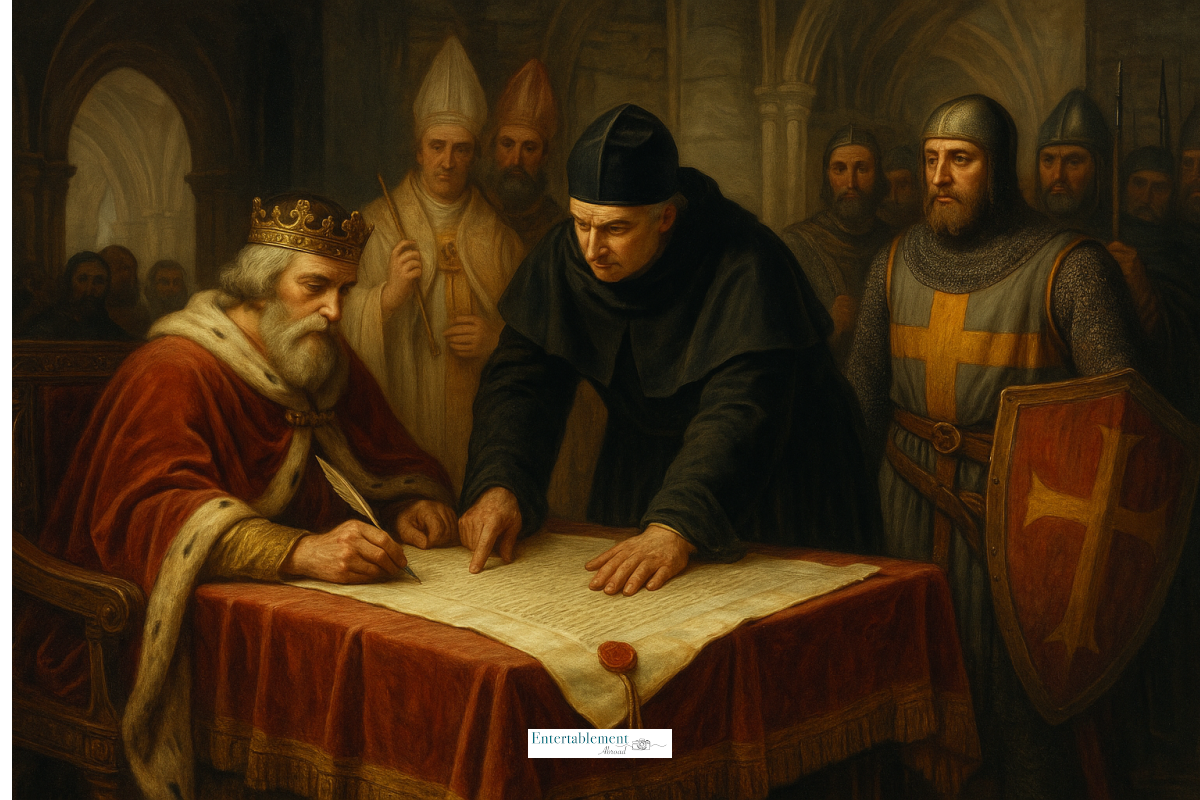
The consequences of that principle would echo for centuries.
The Emergence of Parliament
England’s political evolution followed a similarly gradual path. Parliament was not created in a single moment. It emerged through necessity. (read more: Parliament — Institutionalizing Consent.)
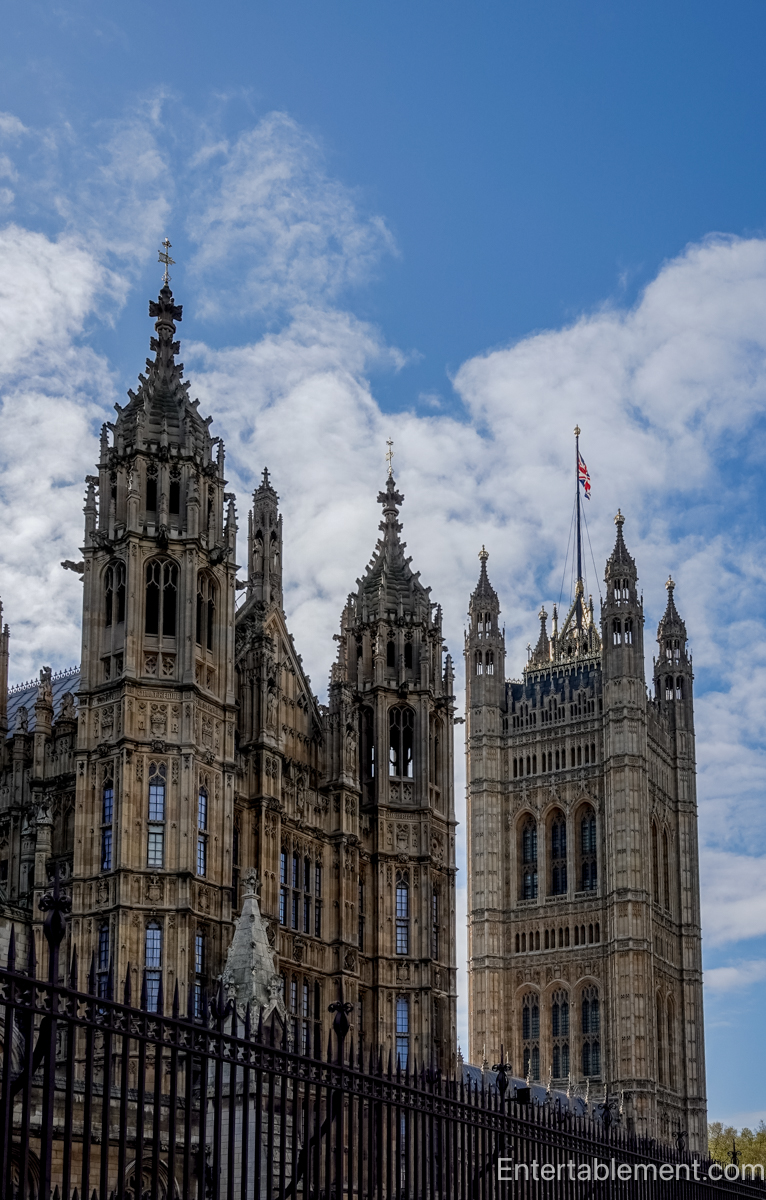
Kings required money. Money required taxation. Taxation required consent. Consent required consultation. Over time, assemblies of nobles, clergy, and representatives of towns became increasingly important.
No one in 1300 could have foreseen modern parliamentary democracy. Yet England was quietly acquiring something almost as important: the habit of governing through consultation rather than command alone, distinguishing it from many contemporary kingdoms.
A Society at Its Peak
By 1300, England was flourishing. A traveller crossing England in 1300 would have encountered bustling market towns, sturdy stone bridges, prosperous monasteries, parish churches, watermills, castles and carefully cultivated fields stretching across much of the landscape.
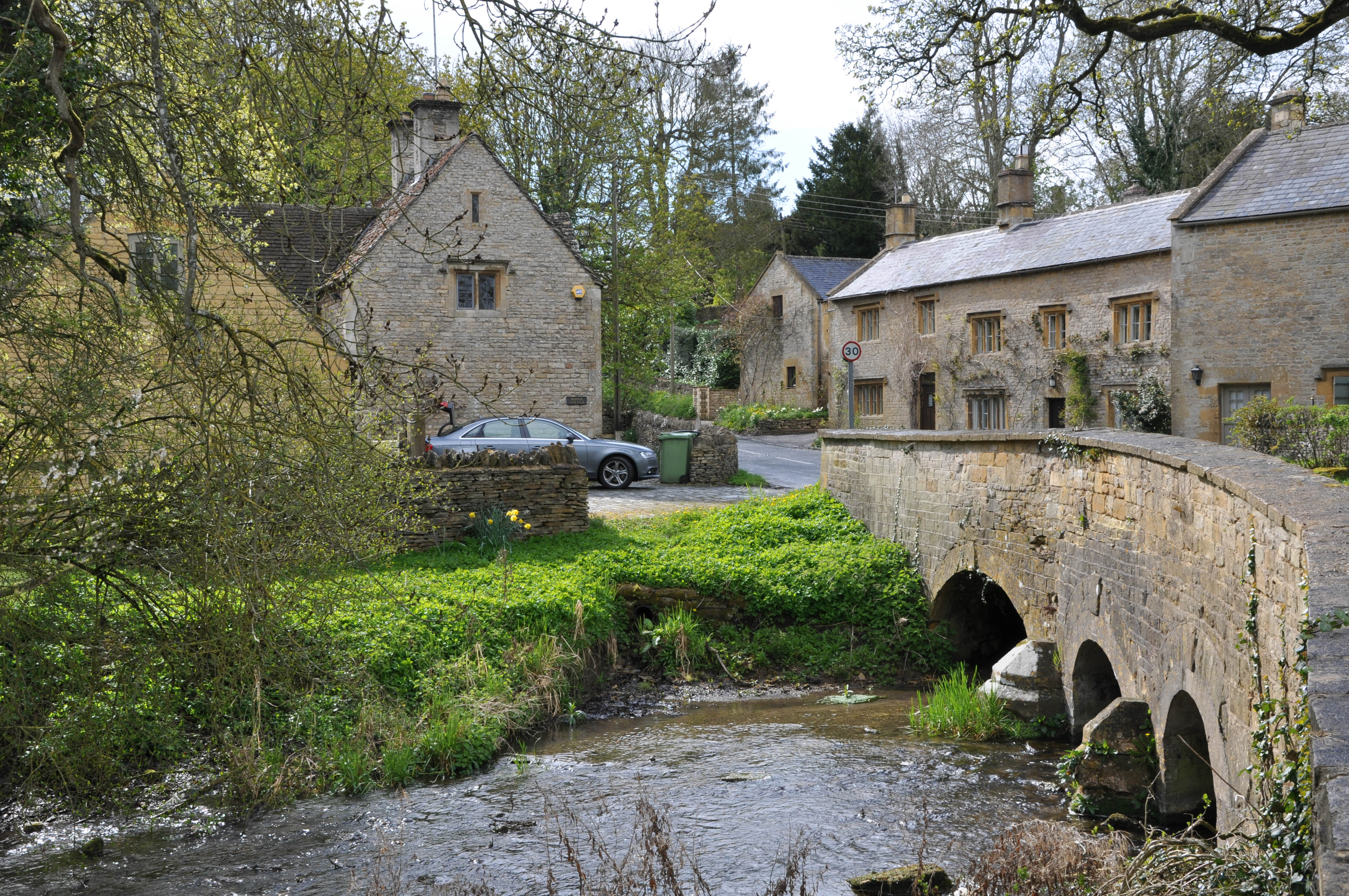
Markets linked villages to growing towns, while merchants, pilgrims and craftsmen moved with a confidence that would have been unimaginable two centuries earlier.
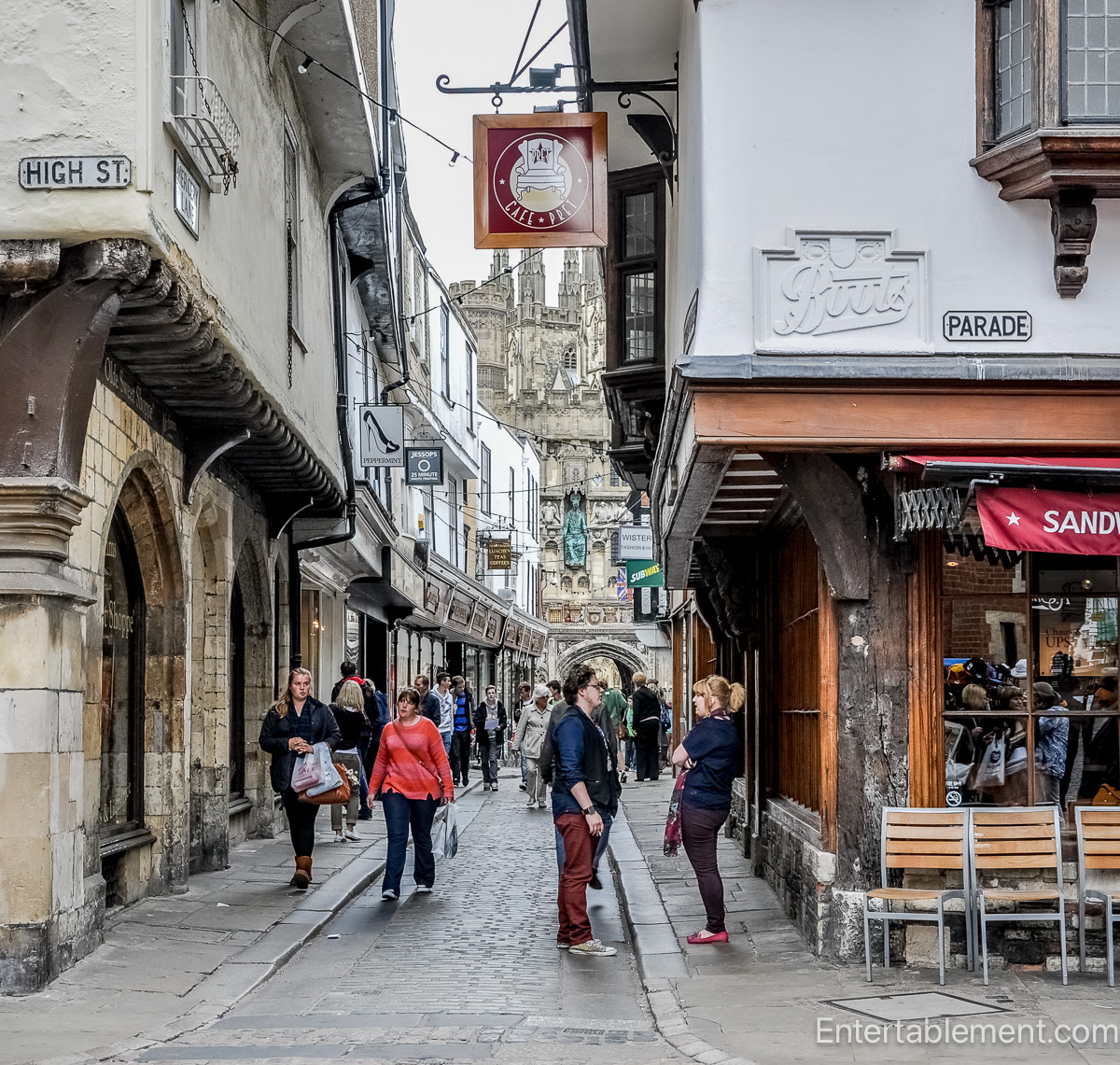
This was no longer a kingdom struggling simply to survive. It had become one of Europe’s most organized and prosperous societies, the product of generations of careful institution-building.
The Edge of the Abyss
Success has an odd habit. It often conceals the very weaknesses it creates.
By 1300 England looked remarkably prosperous. Yet many farming families lived close to subsistence. More land had been brought under cultivation, but much of it was marginal. Trade connected towns more closely than ever before. Institutions had grown larger, richer and more interdependent.
None of this seemed dangerous at the time. Quite the opposite. These were the achievements of a successful civilization.
Yet success changes the nature of failure. A poor harvest, a disease or political instability could now spread further and affect far more people than it had two centuries earlier.
The great ascent was almost complete. The stress test was about to begin.





_MET_DP873998.jpg)