Entertablement Abroad
  • Start Here
  • Ideas & Systems
    • The Continental Thread
    • Hidden Framework
  • Places & Structures
    • Britain
      • England
        • Castles & Stately Houses
        • The Cathedral Project
          • Abbeys, Monasteries and Churches
          • Cathedrals
          • Cathedral Tapestry
        • Unique Places to Stay
      • Scotland
        • Castles & Stately Homes
    • Europe
      • Croatia
      • France
        • Chateaux
      • Greece
      • Italy
      • Spain
        • Beautiful Towns
        • Cathedrals
        • Unique Places to Stay
    • New World
      • USA
  • Fascinating People
  • The Cathedral Project
    • CATHEDRAL STORIES
    • Cathedral Timeline
    • Cathedral Tapestry
    • CATHEDRAL MAPS
  • Historical Periods
    • Prehistoric Britain to the Romans (3000 BC – 410 AD)
    • Early Middle Ages (450-1066)
    • Medieval (1066–1485)
    • Tudors (1485–1603)
    • Stuarts (1603–1714)
    • Georgians (1714–1837)
    • Victorians (1837–1901)
    • Modern Britain (1901–Present)
  • Latest Writing
  • About Us
Select Page
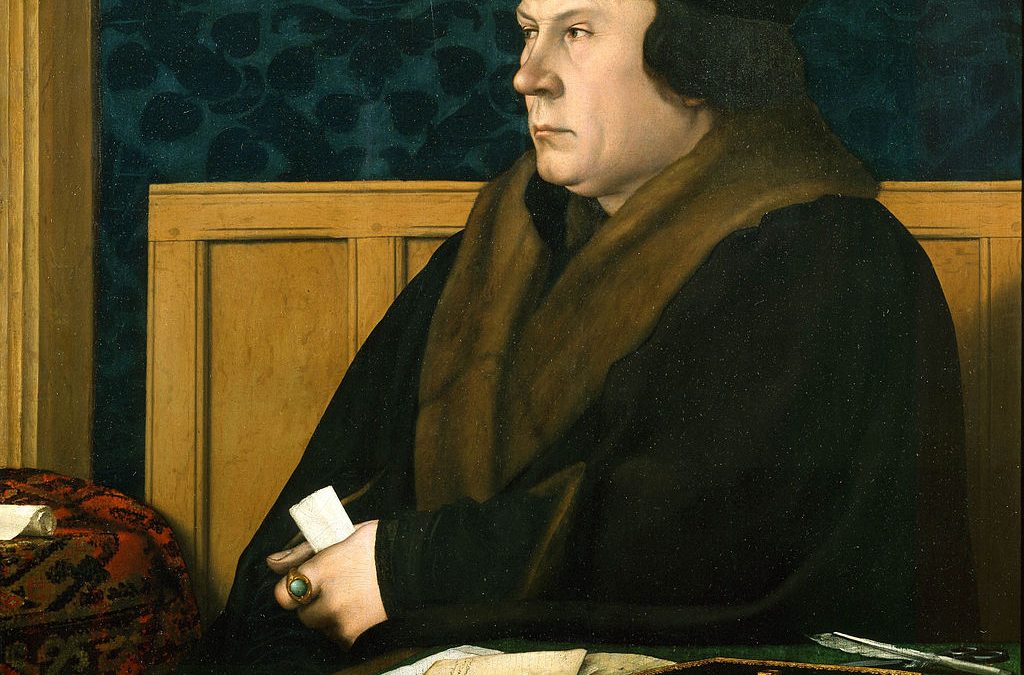
The Peerage and The Gentry — England’s Governing Class

The Peerage and The Gentry — England’s Governing Class

by Helen Kain | Jul 22, 2026 | HF — Human Infrastructure, Hidden Framework, Tudors (1485–1603)

Westminster Hall has witnessed coronation feasts, royal courts, state trials and the evolution of Parliament. Yet England was never governed from this room alone. Beyond these walls, thousands of members of the peerage and gentry quietly carried out the work that kept...
George Gilbert Scott (1811–1878) — The Architect Who Rebuilt Medieval Britain

George Gilbert Scott (1811–1878) — The Architect Who Rebuilt Medieval Britain

by Helen Kain | Jul 20, 2026 | Act V - Civilization Compounds, Fascinating People, FP Act V — Civilization Compounds, Victorians (1837–1901)

Walk into almost any English cathedral and there is a good chance George Gilbert Scott has already been there. York, Lichfield, Ely, Chichester, Peterborough, Rochester, St Albans, Hereford, Exeter, Durham, Salisbury—the list seems almost endless. By the time of his...
Edward Burne-Jones (1833–1898) — When Beauty Became a Form of Stewardship

Edward Burne-Jones (1833–1898) — When Beauty Became a Form of Stewardship

by Helen Kain | Jul 19, 2026 | Act V - Civilization Compounds, Fascinating People, FP Act V — Civilization Compounds, Victorians (1837–1901)

Walk into almost any Victorian church in England and, if the sun is shining, there is a good chance Edward Burne-Jones will introduce himself before anyone mentions his name. Light pours through one of his stained-glass windows, filling the stone with deep blues,...
John Ruskin (1819–1900) — When Beauty Became a Moral Question

John Ruskin (1819–1900) — When Beauty Became a Moral Question

by Helen Kain | Jul 19, 2026 | Act V - Civilization Compounds, Fascinating People, FP Act V — Civilization Compounds, Victorians (1837–1901)

Why do some buildings move us while others leave us completely unmoved?  It is a deceptively simple question, yet one that occupied John Ruskin for much of his life. He wrote about paintings, cathedrals and architecture, but he was never really writing about art...
Collapse, Scarcity, and Survival—When Rome Leaves the Room

Collapse, Scarcity, and Survival—When Rome Leaves the Room

by Helen Kain | Jul 15, 2026 | Act I - Inheritance, Carousel Ideas & Systems, CT Act I — Inheritance, Early Middle Ages (410-1066)

For a long time, I thought of what followed Rome’s departure from England as collapse — full stop. The so-called “Dark Ages.” Civilization slipping backwards into mud and thatch as roads were abandoned and stonemasonry was forgotten. That view turns out to be...
Diocletian — The Emperor Who Tried to Make Rome Work Again

Diocletian — The Emperor Who Tried to Make Rome Work Again

by Helen Kain | Jul 5, 2026 | Act I - Inheritance, Fascinating People, FP Act I — Inheritance, Prehistoric Britain to the Romans (3000 BC – 410 AD)

By the end of the third century, the Roman Empire was in trouble. It had not buckled—it was still vast, wealthy, and formidable. Roman armies still defended long frontiers and trade still crossed the Mediterranean. Cities still functioned; the machinery of empire had...
« Older Entries

Follow Us


_____________________

Categories

Subscribe To Blog and Newsletter

Subscribe to get our latest content delivered by email.

    We won't send you spam. Unsubscribe at any time.
    Powered By ConvertKit

    Archives

    Recent Posts

    • Chichester Butter Cross
      The Long Recovery — When England Quietly Changed Direction
    • The Peerage and The Gentry — England’s Governing Class
    • From Conquest to Kingdom — England’s High Medieval Ascent (1066–1300)
    • George Gilbert Scott (1811–1878) — The Architect Who Rebuilt Medieval Britain
    • Edward Burne-Jones (1833–1898) — When Beauty Became a Form of Stewardship

    Quick Links:

    • HOME
    • ABOUT US
    • BLOG
    • THE CATHEDRAL PROJECT

    Our Sister Sites:

    Our original website,  still going strong after more than a decade:

    Our book site features books and quarterlies with tableware, recipes, tablescapes and more 

    Contact Us: