At the far eastern end of Westminster Abbey stands one of the most remarkable buildings in England.
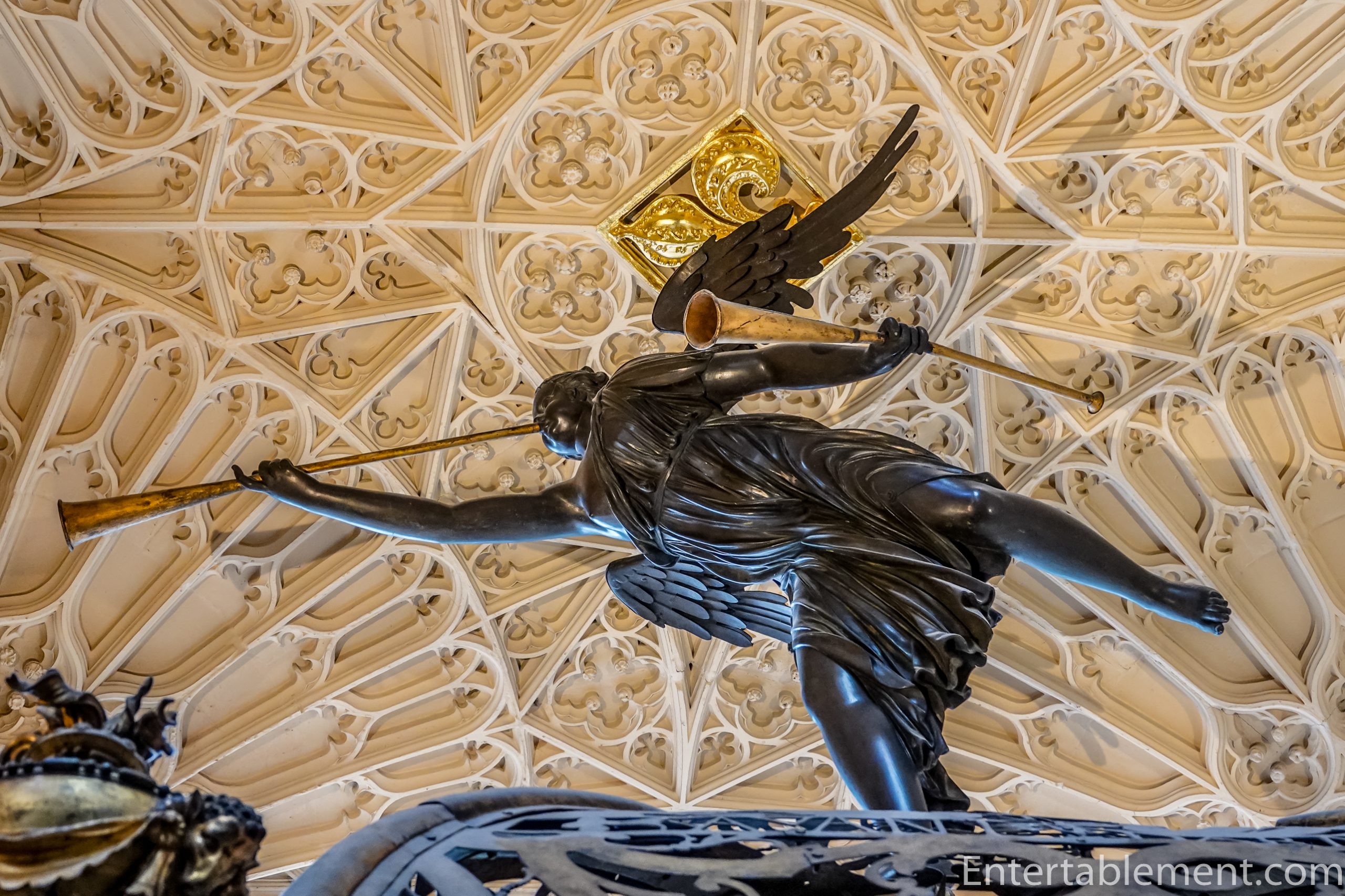
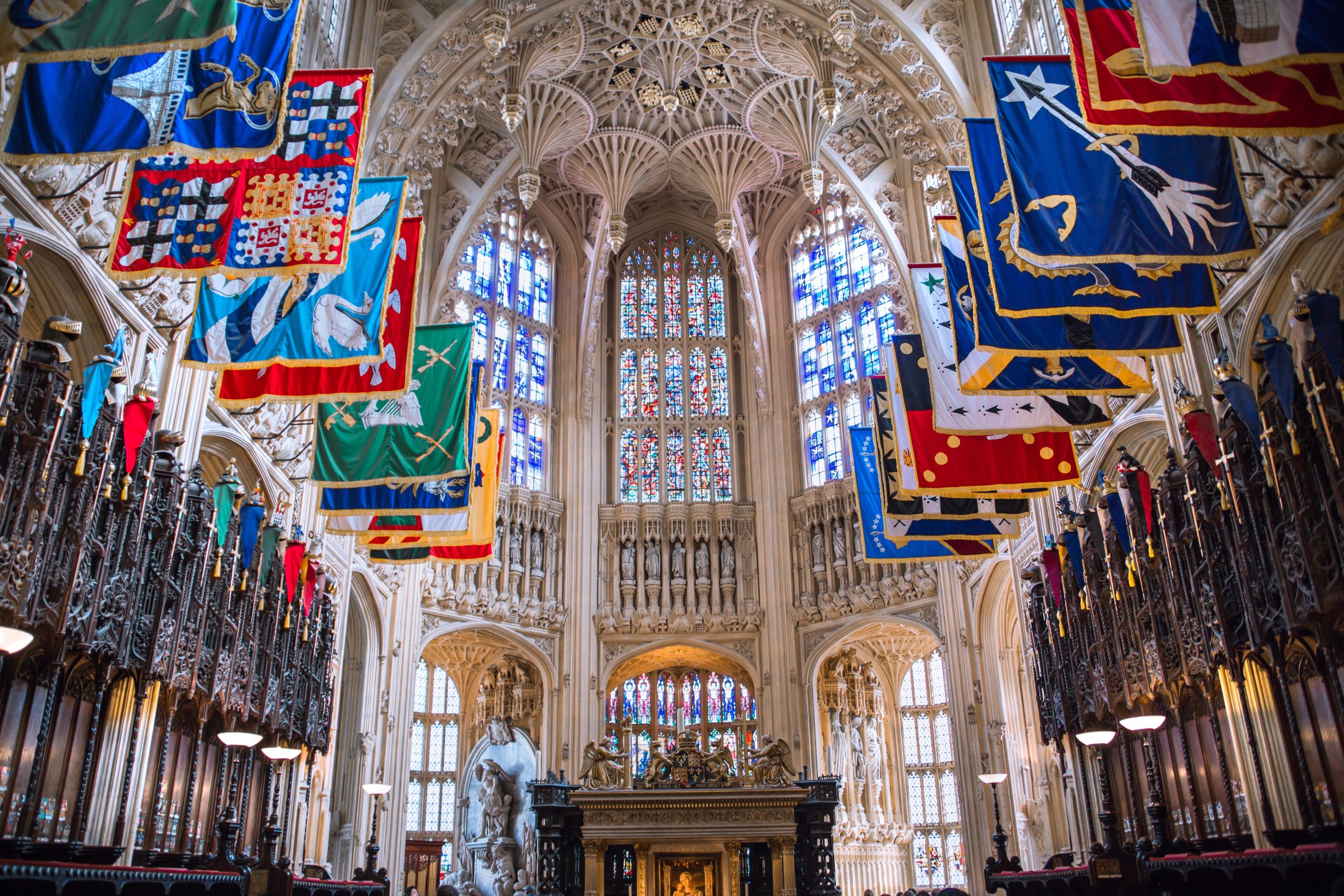
The chapel appears almost impossibly delicate. Stone vaults spread across the ceiling like lace, their intricate fan patterns suspended above a space filled with royal tombs and heraldic banners. Light filters through tall windows, illuminating carvings that celebrate kings, saints, and the Virgin Mary.
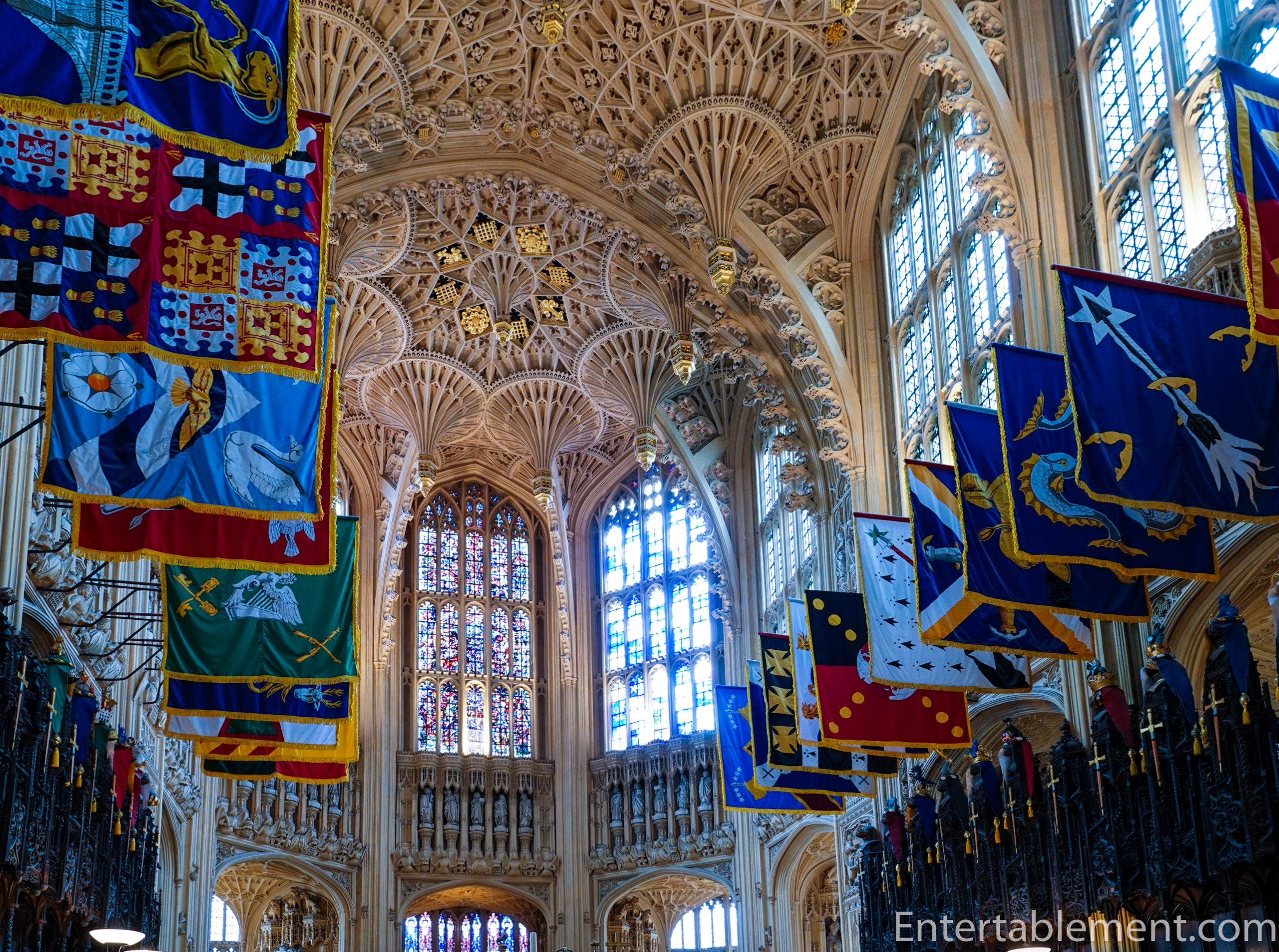
This is Henry VII’s Lady Chapel.
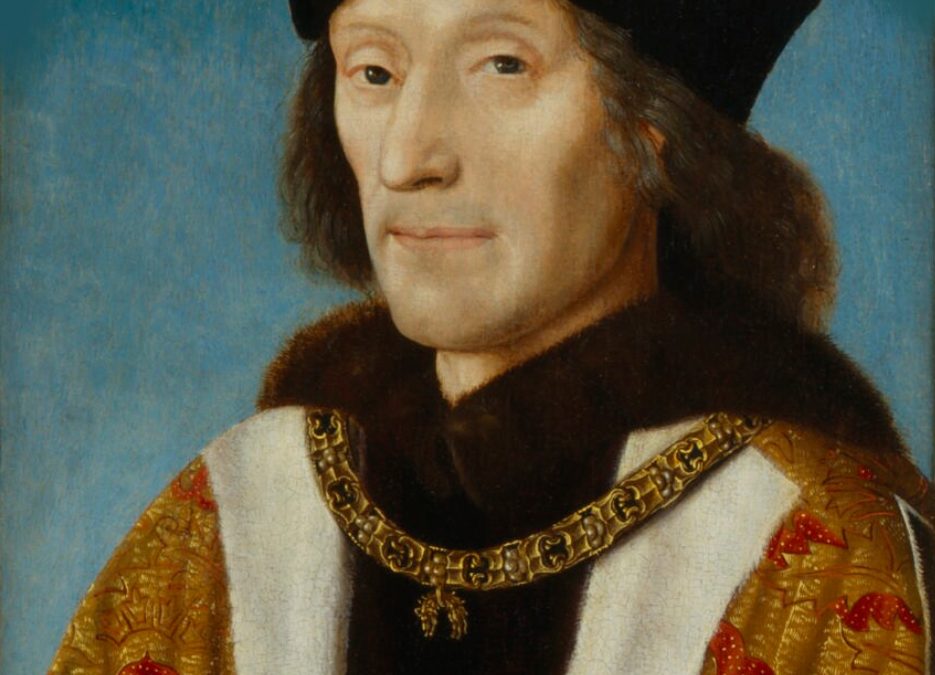
It was commissioned by Henry VII, the founder of the Tudor dynasty.
At first glance the building seems to belong entirely to the world of devotion and ceremony. Yet it is also something else: a political statement carved in stone.
Henry VII had come to the throne after decades of dynastic conflict known as the Wars of the Roses. Kings had been deposed, restored, and killed in battle. Powerful nobles had shifted alliances with alarming speed.
Henry’s own claim to the crown was far from straightforward.
And so, at the end of his reign, he built a chapel that proclaimed something his kingdom had not seen for a generation: stability. Yet the stability Henry VII celebrated in stone had been anything but certain when he first claimed the crown.
A Claim from the Margins
Henry Tudor’s path to the throne was anything but straightforward. His claim to the crown came through his mother, Margaret Beaufort, whose ancestry traced back to John of Gaunt, a son of Edward III. The difficulty lay in the Beaufort line itself.
John of Gaunt’s children by Katherine Swynford had originally been born outside marriage. Although they were later legitimized, they were formally barred from the royal succession. In purely dynastic terms, Henry’s claim was therefore rather thin. For years it seemed unlikely that he would ever need it.
A King in Exile
Henry spent much of his youth far from England. After the Yorkist victory during the Wars of the Roses, he was taken into exile in Brittany and later in France. For more than a decade he lived abroad, an obscure Lancastrian claimant whose prospects appeared remote.
Yet exile also had an unexpected advantage. While the rival factions of England fought among themselves, Henry survived. In a conflict where fortunes could change rapidly and violently, survival was no small achievement.
Opportunity
By the early 1480s the political landscape in England had grown increasingly unstable. The death of Edward IV was followed by the brief and troubled reign of his brother, Richard III. Richard’s seizure of the throne created discontent among several powerful nobles. Disillusioned Yorkists began searching for an alternative figure around whom opposition could gather.
Henry Tudor, distant though he had been from England for many years, suddenly appeared a plausible candidate.
In 1485 he crossed the Channel with a modest army and landed in Wales, gathering support as he marched toward the Midlands. The two forces met near the village of Market Bosworth.
Bosworth
The Battle of Bosworth proved decisive, though not entirely predictable. As the armies faced one another, the outcome remained uncertain. Several powerful nobles waited to see how the battle would develop before committing themselves fully to one side or the other.
When the moment came, those shifting loyalties proved fatal for Richard III. The king was killed in the fighting, becoming the last English monarch to die on the battlefield.
Henry Tudor emerged victorious.
A Calculated Settlement
Henry understood that military victory alone would not secure the throne. To stabilize the kingdom he took a step that was both politically shrewd and symbolically powerful. In 1486 he married Elizabeth of York, the daughter of Edward IV. The marriage united the rival houses whose conflict had dominated English politics for decades.
The emblem of the new dynasty—the Tudor rose—combined the red of Lancaster and the white of York. It was a powerful visual declaration that the long struggle had finally ended.

A Cautious King
Henry VII ruled very differently from the magnates who had dominated the previous generation. Where figures like Richard Neville, 16th Earl of Warwick had relied on personal alliances and military power, Henry relied on careful administration, financial control, and constant vigilance.
He remained wary of the great nobles whose shifting loyalties had helped destabilize earlier reigns. Through a mixture of legal restraints, financial penalties, and strategic marriages, he worked steadily to strengthen royal authority. The process was not always popular, but it was effective.
By the end of his reign England was far more stable than it had been when he first claimed the throne.
The End of the Wars
The rise of the Tudor dynasty gradually brought the Wars of the Roses to a close. There would still be pretenders and conspiracies, but the age of rival armies marching under competing royal banners had come to an end.
Henry’s greatest achievement may simply have been this: he survived long enough to secure the future of his line. His son would later become one of the most famous—and controversial—monarchs in English history: Henry VIII.
The dramatic Tudor world that followed would overshadow the quiet founder of the dynasty. Yet without Henry VII’s careful consolidation of power, that world might never have existed at all.
Beneath the extraordinary fan vaults of his chapel, Henry VII lies beside Elizabeth of York, the queen whose marriage symbolized the end of a divided kingdom.
After decades of conflict, the Tudor dynasty had finally given England something it had long lacked: continuity.