by Helen Kain | Jun 15, 2026 | Hidden Framework, Medieval Framework
Civilizations cannot function through command alone. As societies grew larger and more complex, different groups inevitably developed different interests. Kings sought revenue. Towns wanted autonomy. Merchants looked for opportunities to trade. Monasteries desired...

by Helen Kain | Jun 15, 2026 | Hidden Framework, Medieval Framework
Knowledge presents a curious problem. A skilled craftsperson can teach an apprentice. A parent can pass experience to a child. A teacher can educate a classroom. But how does an entire society accumulate knowledge over centuries? How do ideas survive the people who...
by Helen Kain | Jun 15, 2026 | Hidden Framework, Medieval Framework
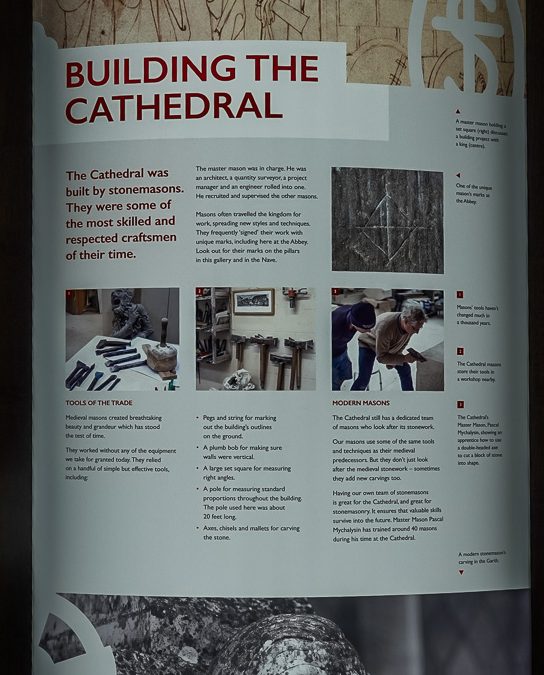
Civilizations depend upon skills. That may sound obvious, but it poses a surprisingly difficult challenge. A cathedral does not build itself. Someone must know how to quarry stone, shape timber, design arches, and raise walls that will stand for centuries. Tools must...

by Helen Kain | Jun 15, 2026 | Hidden Framework, Medieval Framework
Civilizations depend upon trust. Not necessarily trust between friends, neighbours, or family members. Most societies manage that reasonably well. The greater challenge is trust between strangers. Imagine arriving in a town you’ve never visited before. You agree...

by Helen Kain | Jun 14, 2026 | Hidden Framework, Medieval Framework
Parliament is often presented as an early step on the road to democracy. There is some truth in that interpretation. Yet it risks missing the more immediate question Parliament was created to solve: How do you govern increasingly capable people? By the thirteenth...
by Helen Kain | Jun 14, 2026 | Hidden Framework, Medieval Framework
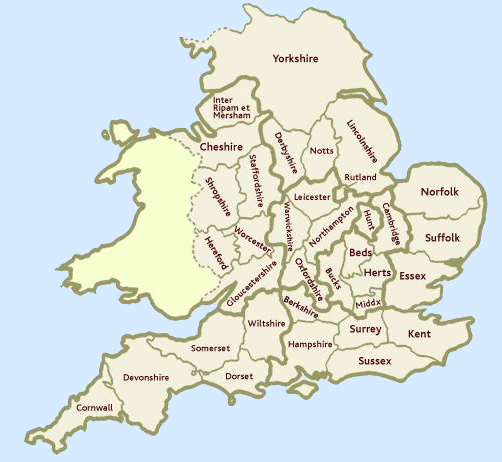
How do you govern a kingdom before telephones, railways, newspapers, or computers? The question confronted every medieval ruler. Authority might reside in London, Winchester, or Westminster, but England stretched far beyond the horizon. Messages travelled at the speed...