

The Victorian Era was a time of immense change in Britain, shaped by the Industrial Revolution, the expansion of the British Empire, and significant social and political reforms.
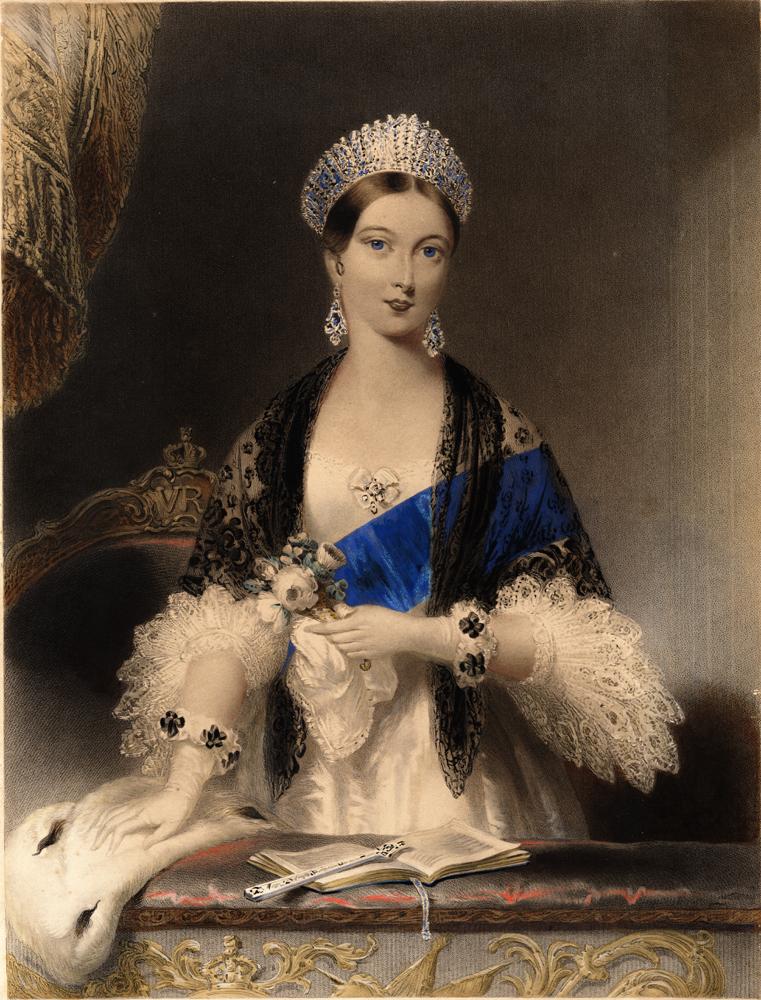
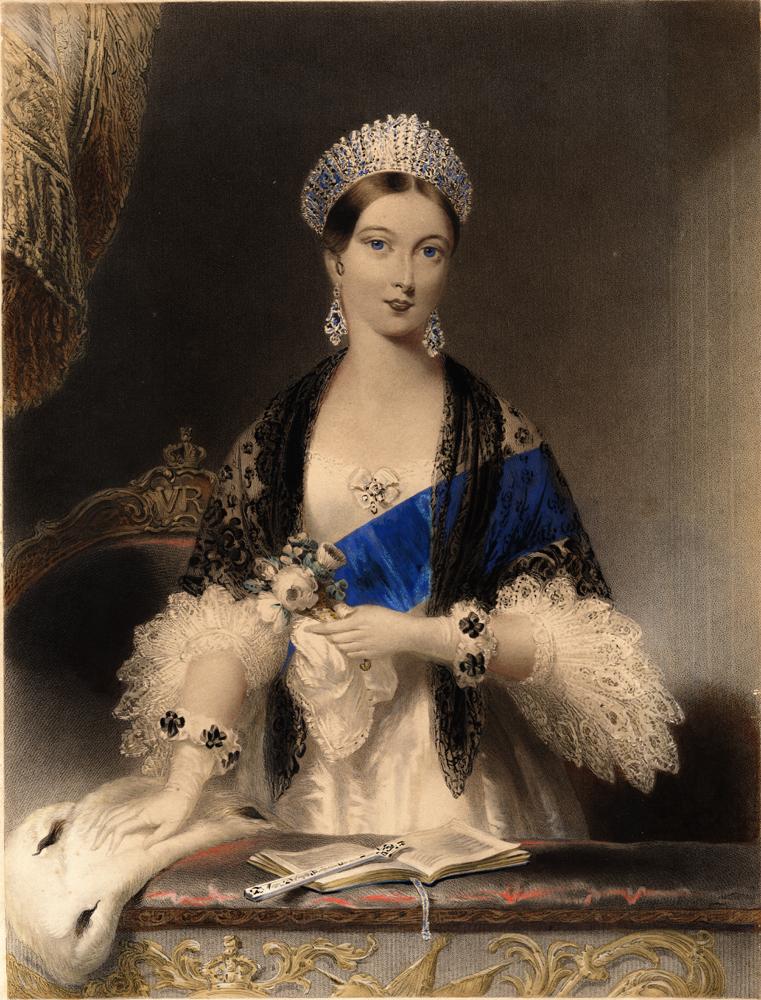
Politically, Queen Victoria reigned as a constitutional monarch, symbolizing national unity and imperial pride. Parliament held legislative power. Several significant pieces of legislation were passed to rebalance electoral power towards greater democracy.

In 1832, the Great Reform Act was passed in response to years of criticism of the electoral system. The Act gave the middle class a greater political voice by expanding the electorate, lowering property qualifications, redistributing seats from rural areas to industrial towns like Manchester and Birmingham, and abolishing “rotten boroughs” (constituencies with few voters and no secret ballot). Further reforms in 1867 and 1884 extended voting rights to working-class men, gradually democratizing British politics.
The class system remained rigidly hierarchical; the landed gentry dominated the aristocracy, who owned large estates and controlled politics. However, a burgeoning middle class comprising industrialists, merchants, and professionals rose in wealth and status, emphasizing education and moral values.
Victorian society was divided along strict gender roles.

Middle- and upper-class women focused on domestic life, while working-class women often worked in factories or as servants. The late 19th century saw the beginnings of the women’s suffrage movement.

The Victorian era was the height of the Industrial Revolution, which drove technological, economic, and social change. Innovations in machinery improved productivity in textiles, agriculture, and construction. Railways connected cities and rural areas, revolutionizing travel and trade.

Steamships enabled faster and more reliable international trade. The penny post (1840) and the invention of the telegraph revolutionized communication. The Great Exhibition of 1851, held in the Crystal Palace, showcased British industrial and technological achievements.

The populace continued migrating from the country into towns and cities; London grew rapidly, as did the northern industrial towns such as Manchester and Birmingham.

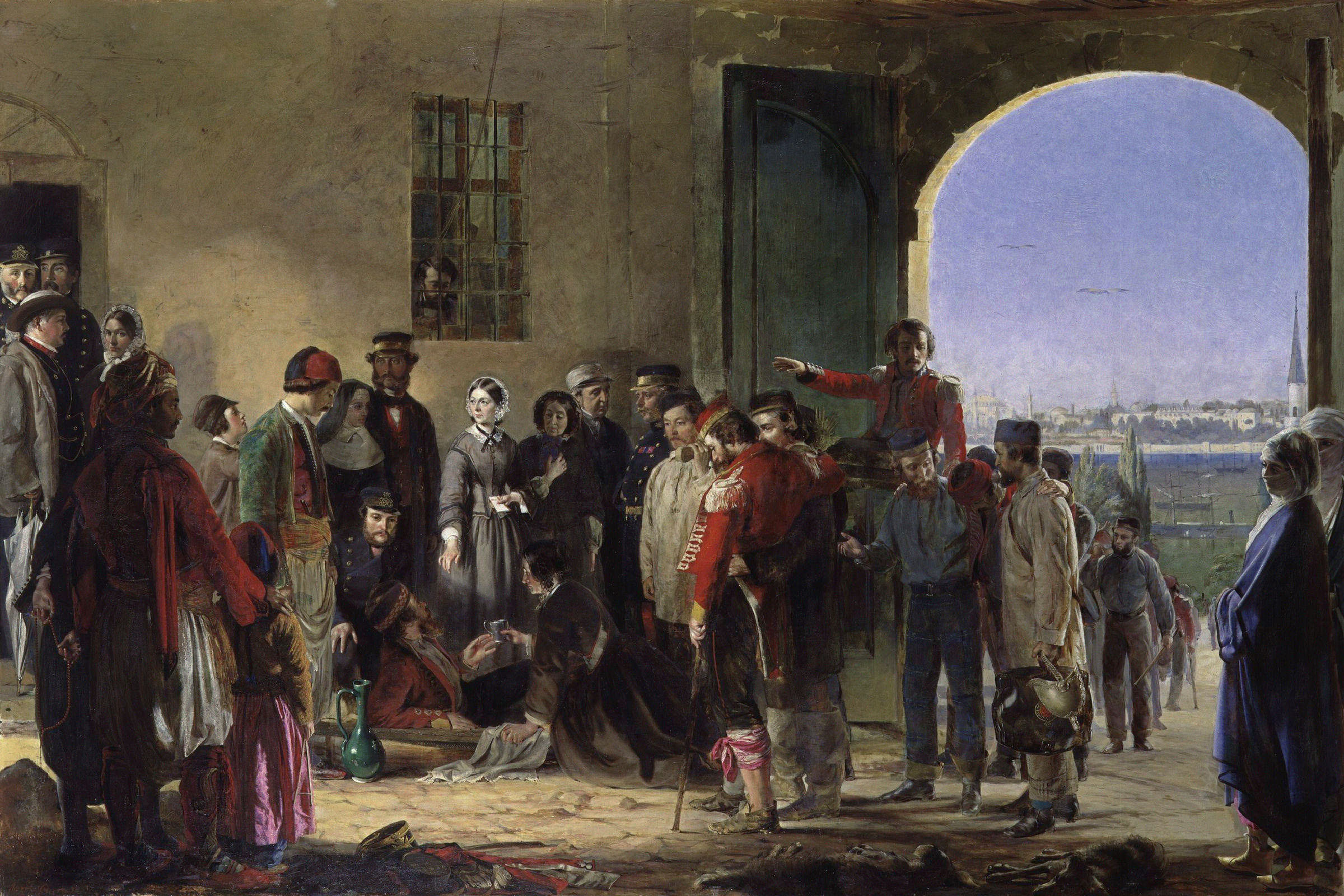
Public health advances, including Joseph Bazalgette’s sewer system in London, reduced disease and improved urban life, while gas and electric lighting transformed cities and homes. Significant advances in science and medicine included using anaesthesia and antiseptics (pioneered by Joseph Lister) and developing public health measures. Florence Nightingale established the foundation of modern nursing.
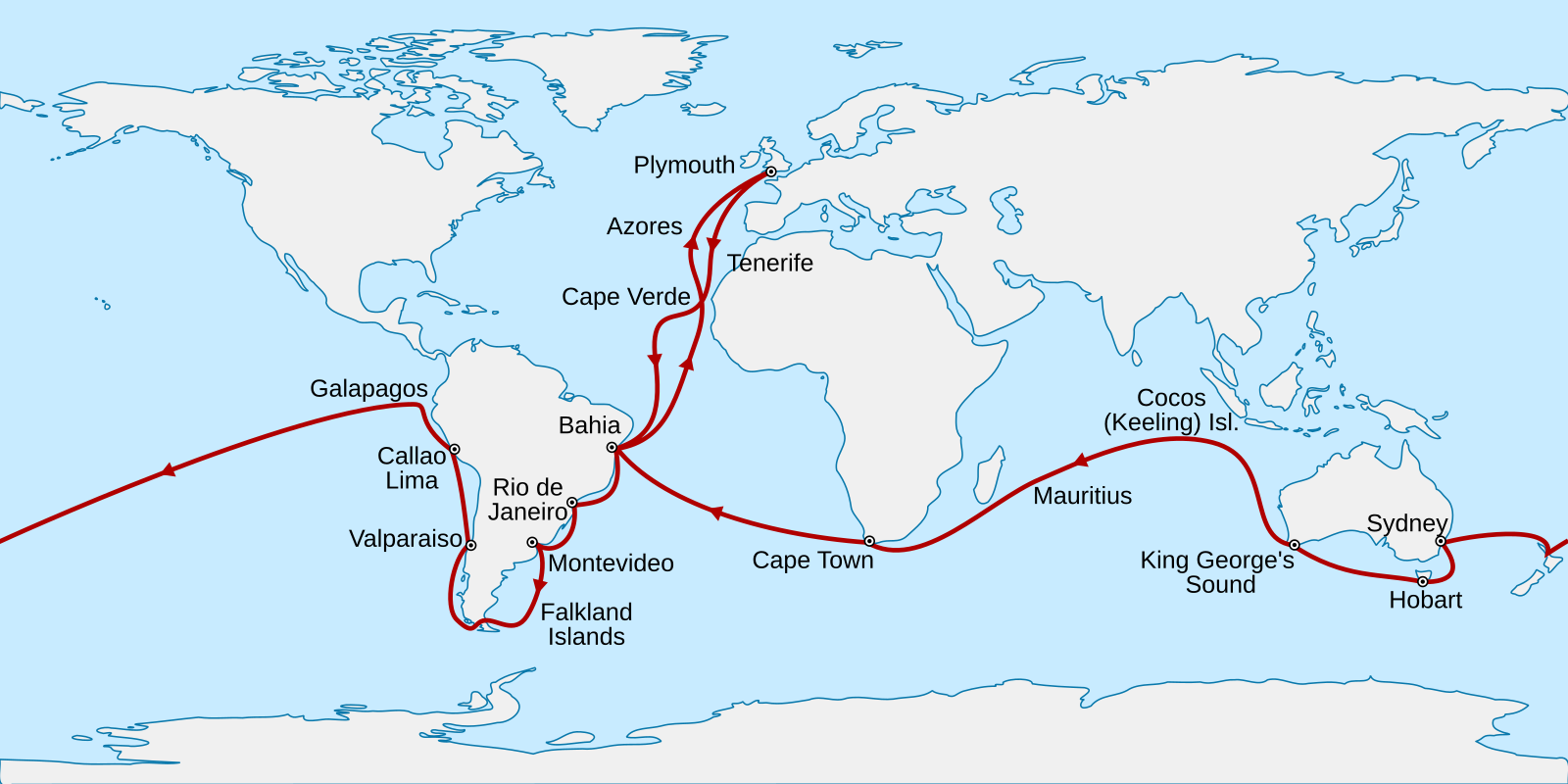
Charles Darwin’s On the Origin of Species (1859) introduced the theory of evolution, challenging traditional religious views.
Religion remained central to Victorian life, with the Church of England dominating, though nonconformist and Catholic communities gained greater acceptance, and missionary work expanded globally as part of the Empire. Sir George Gilbert Scott, a prolific English Gothic Revival architect, worked extensively in the widespread refurbishment and rebuilding of Church of England churches and cathedrals in an effort to reverse the decline in church attendance.

Literature flourished, with authors like Charles Dickens, the Brontë sisters, and Thomas Hardy depicting the complexities of Victorian life.
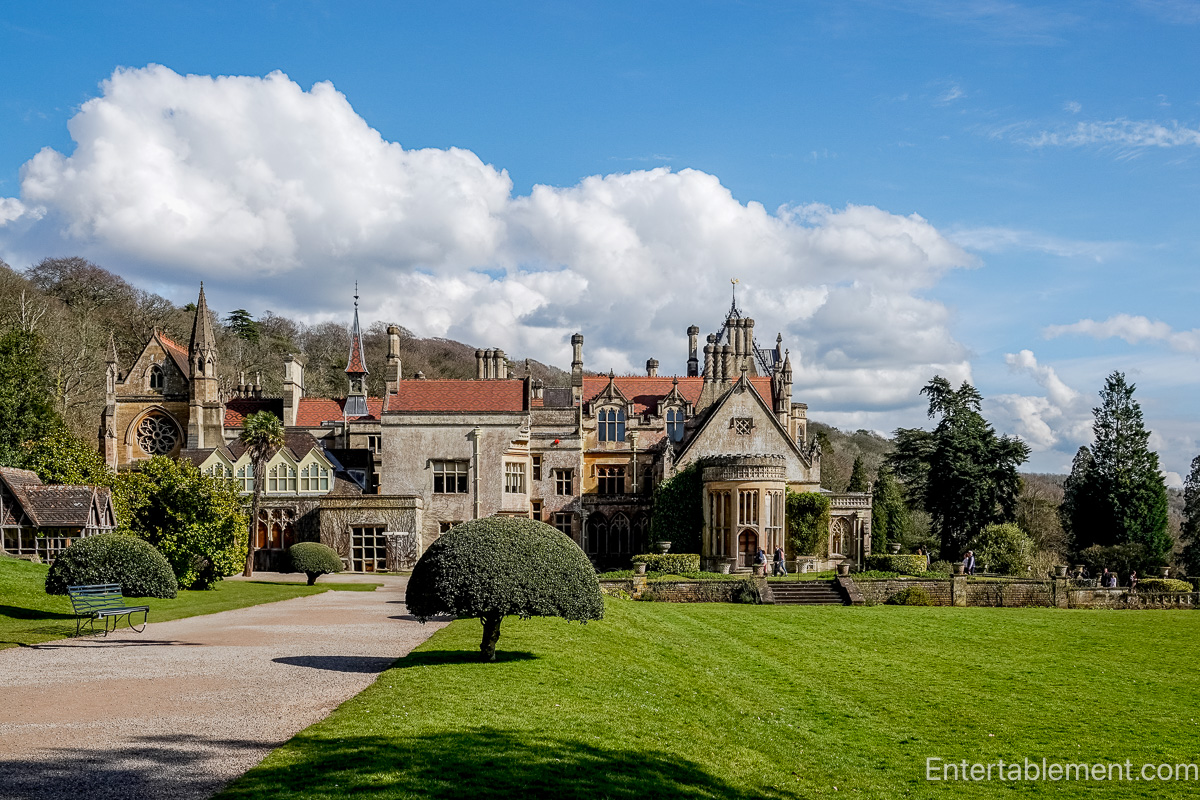
A surge in the construction and renovation of grand country and manor houses reflected wealth generated by industrialization and the Empire. Instead of developing a unique style, the Victorian era saw a revival of enthusiasm for past styles, including the Gothic Revival, inspired by medieval cathedrals featuring pointed arches, spires, and stained glass, such as Tyntesfield in Somerset.
Professional architects became a distinct profession; previously, it was common for them to act as developers and surveyors. But by the 1820s, the roles devolved, leaving architects free to experiment with a profusion of styles. The Institute of British Architects (later the Royal Institute of British Architects) was created in 1834. Its first president, Earl de Grey, designed his own house, Wrest Park, in a French Baroque style. By the end of the century, such amateur architects had largely disappeared.

Building firms like Thomas Cubitt employed a staff of largely anonymous in-house architects. Cubitt built large parts of Belgravia and Pimlico in London and Osborne House on the Isle of Wight for Queen Victoria and Prince Albert in the Italianate Style. The Elegant Osborne House is a symmetrical structure with large windows, a low-pitched roof, and cupolas.

Victorian interiors were lavish, with ornate woodwork, patterned wallpapers, and heavy furnishings reflecting the upper class’s wealth and tastes.

Osborne House
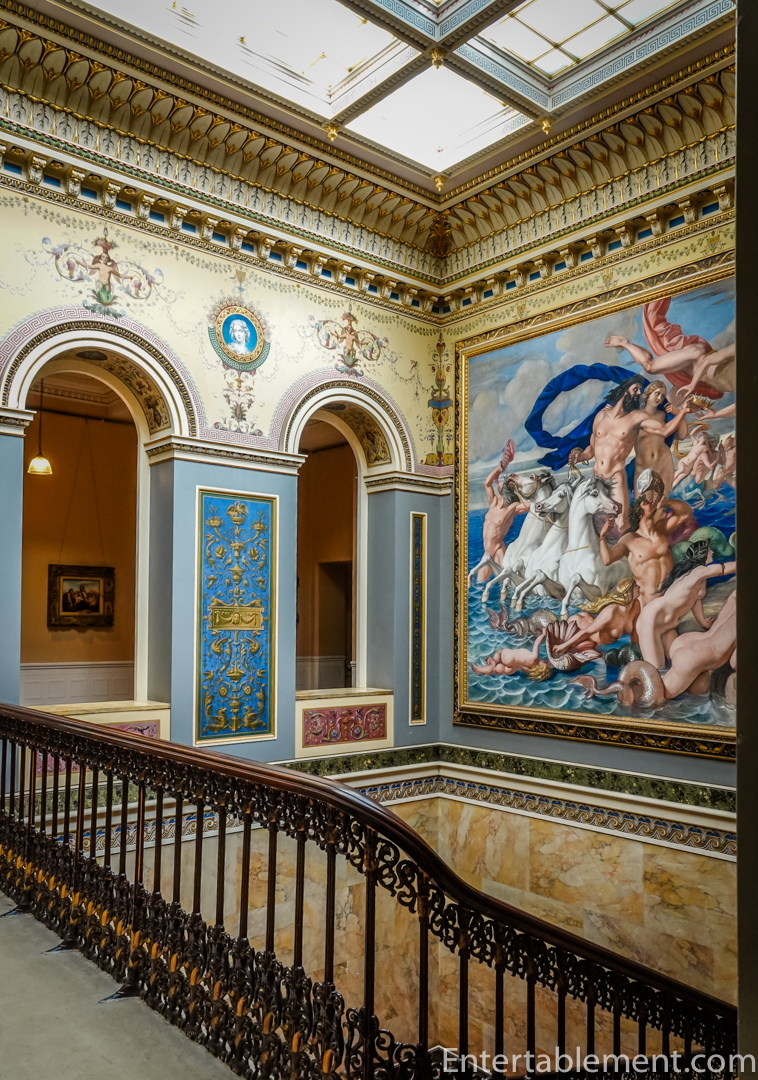
Osborne House
Country estates for the landed gentry and aristocracy were centres of estate management and social gatherings. They included tenant farms and villages, with the manor house as the administrative hub. Innovations such as gas lighting, flushing toilets, central heating, and piped water significantly improved the livability of these homes.
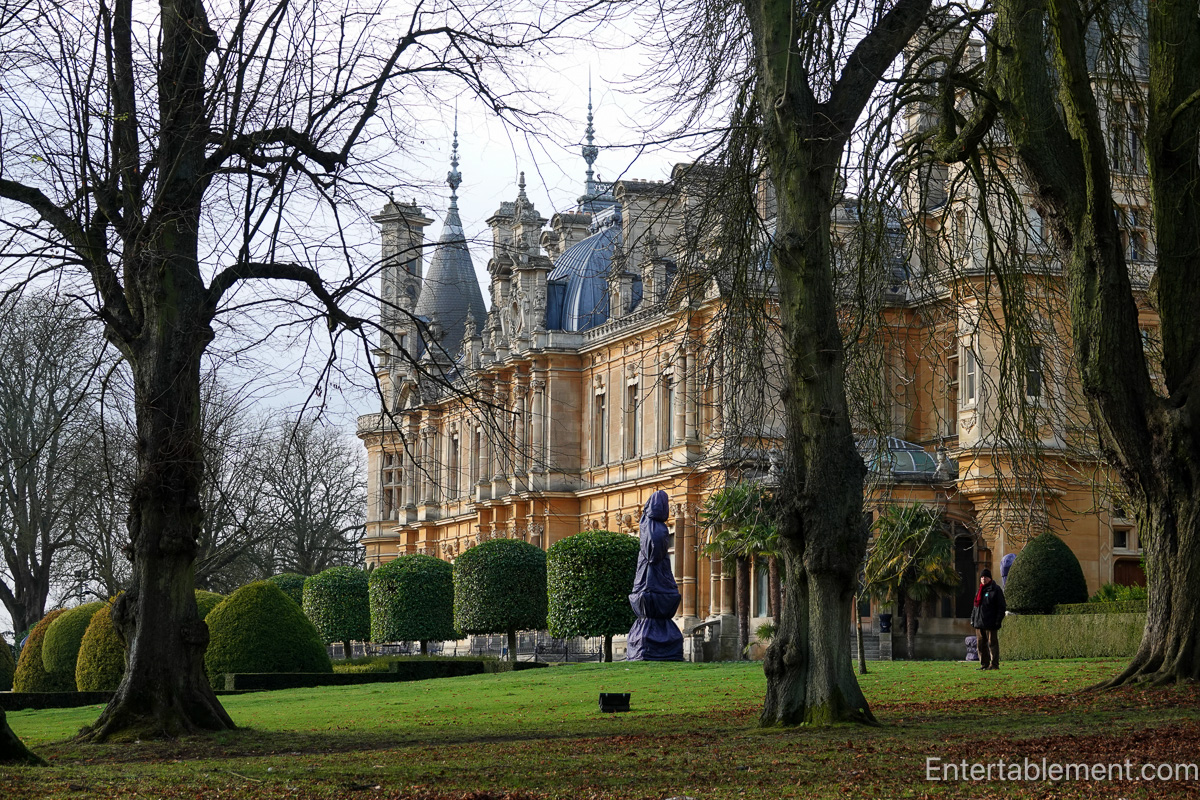
The grandeur of its country houses defined the Victorian era, along with the expansion of democracy, the rise of the middle class, and groundbreaking technological and scientific advancements. This period laid the foundation for modern Britain, balancing tradition with the momentum of progress.








_The_Railway_Station_colorized.jpg)


