
Entertablement Abroad explores how the world we inherited came to work — not only through ideas and art, but through the systems and structures that made everyday life possible.
Through essays on people, places, and periods, the site looks at how people thought, how ideas and systems travelled across borders, what environments people lived inside and depended on, and how societies oriented themselves in time.
Beliefs became buildings. Philosophy left marks on cities and interiors. Roads, water, timekeeping, and sanitation quietly shaped what could endure. Taken together, these pieces suggest a simple inversion: culture does not precede stability; it grows from it. From cathedrals to kitchens, from drawing-room debates to sewer lines, Entertablement Abroad traces the connections between how people lived, what they believed, and what they built.
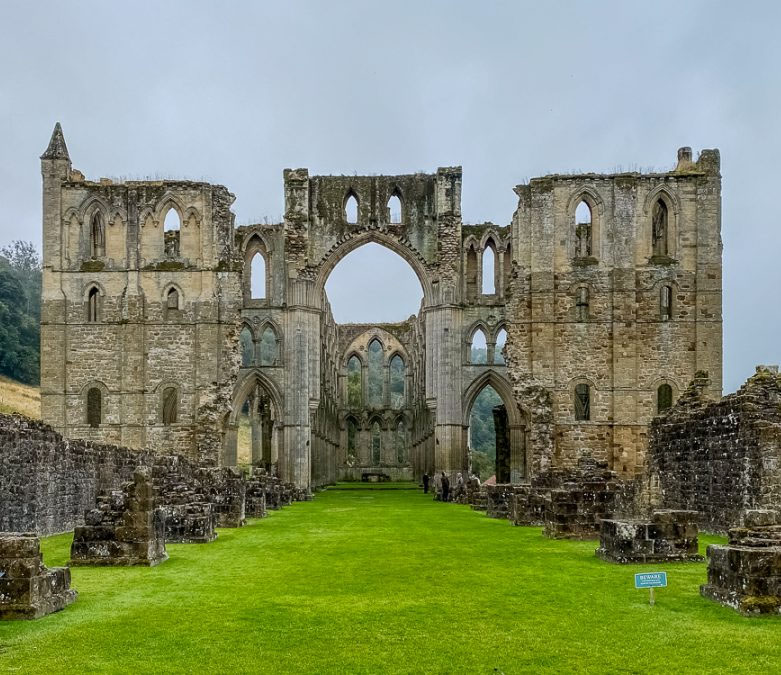
Ideas & Systems
History is often told through the lives of leaders. Kings, queens, emperors, reformers, and revolutionaries make for compelling stories, and their decisions can alter the course of events. Yet leaders rarely act in isolation. They inherit institutions, ideas, technologies, and constraints they did not create, and their successes often depend upon systems already in place.
Ideas & Systems begins where the individual story becomes insufficient.
While Britain passed through its familiar periods, ideas, institutions, and practical solutions travelled far beyond national borders. Trade routes connected distant societies. Religious communities preserved knowledge across centuries. Financial innovations spread from one city to another. Systems of law, governance, commerce, and cooperation evolved through adaptation rather than invention.
These essays follow those movements across place and time, exploring how societies learned to manage complexity, coordinate at scale, and pass knowledge from one generation to the next. Together, The Continental Thread and Hidden Framework examine the often invisible forces that shape civilization long after the leaders themselves have passed from the scene.
Places & Structures
Ideas may shape civilizations, but people experience them through places.
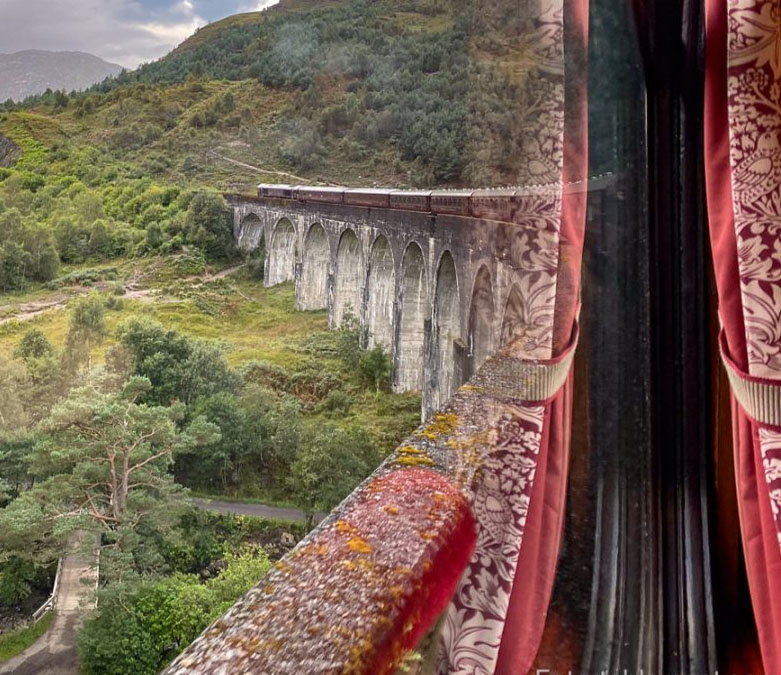
The buildings, streets, landscapes, and monuments that survive today are more than historical attractions. They are physical records of how people lived, worked, worshipped, governed, traded, and entertained themselves. Some were built to inspire awe. Others were designed simply to solve practical problems. All reveal something about the societies that created them.
From cathedrals and castles to country houses, city streets, museums, and archaeological sites, Places & Structures explores the environments people inhabited and the choices those environments reflect. History may be written in documents, but it is often easiest to understand when standing where it happened.
Fascinating People
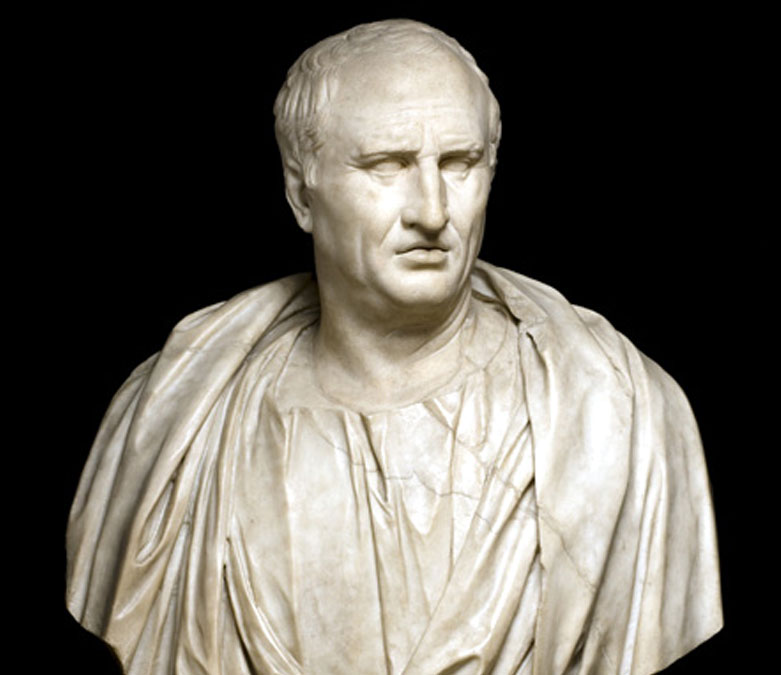
History is often told through individuals because people make ideas easier to see.
Kings, queens, reformers, thinkers, entrepreneurs, artists, and adventurers all lived within particular circumstances, yet each reveals something about the wider world around them. Their lives illuminate the values, assumptions, ambitions, and constraints of their age.
These essays explore people whose stories help explain larger historical developments. Some were famous. Others are largely forgotten. All offer a human perspective on the societies that produced them and the ideas that shaped their world.
Exploring Britain’s Eras
Historical eras offer orientation. They help us locate ourselves in time, understand sequence, and recognize change. Britain’s familiar periods — Roman, Medieval, Tudor, Georgian, Victorian, Modern — provide a useful framework, but they are only a starting point.
Look more closely, and the boundaries blur. What appears as rupture in one place is continuity in another. What feels like decline often masks persistence elsewhere. Britain’s story makes the most sense not in isolation, but when seen in conversation with the wider world.
Exploring Britain’s Eras provides a chronological scaffold — a way to get your bearings — while opening outward to what was happening beyond Britain at the same time, and how those parallel histories shaped what followed.

You Can Start Anywhere
Most essays lean primarily on one of these ways of looking, but none stands alone. Read together, they show how ideas became material, how systems outlasted styles, and how much of what we call civilization rests on things we rarely stop to notice.
We’re very glad you came — and hope you’ll stay to explore how our history came to be.