
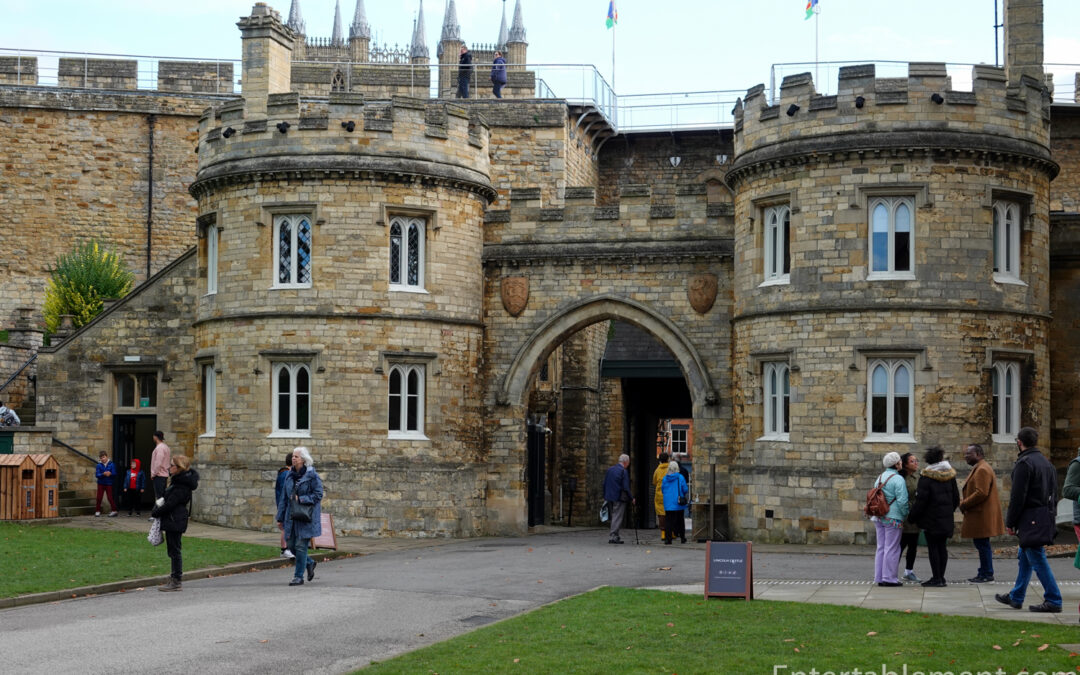
It was quiet the day we visited Lincoln Castle. The sun bounced off the high curtain walls, the grass in the old motte was lush and soft, and the Victorian prison—now a museum—hummed faintly with the sounds of schoolchildren and subdued commentary.
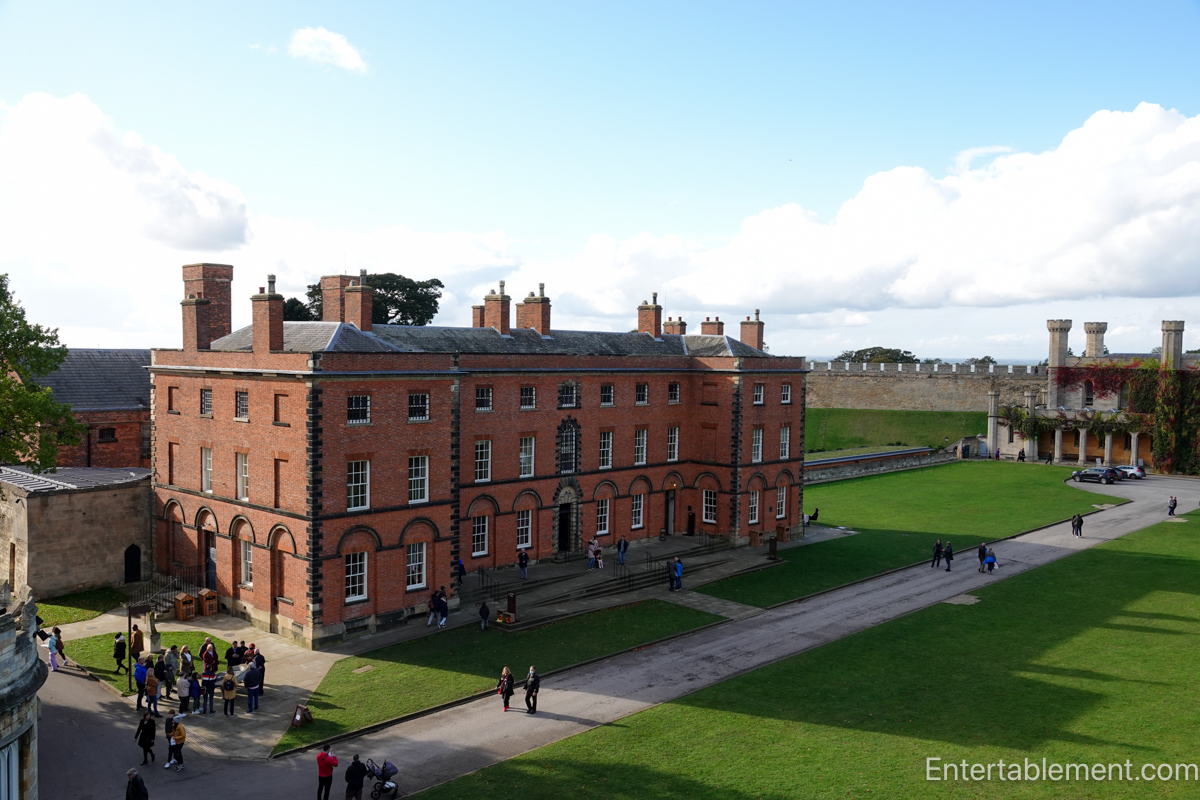
But make no mistake: Lincoln Castle has known chaos. Real chaos. The kind with swords and sieges, hostages and traitors, rival monarchs and long memories.
This is the story of The Anarchy—a civil war so devastating that chroniclers claimed “Christ and His saints slept.” And Lincoln Castle was at the centre of it all.
Matilda and the Crown That Slipped
When King Henry I died in 1135, he left no surviving legitimate male heir. His only legitimate son had drowned in the White Ship disaster. So Henry named his daughter, Empress Matilda, as his successor.
But Matilda had two problems: she was a woman in a man’s world, and she wasn’t in England when her father died.
Her cousin Stephen of Blois moved quickly. With the help of powerful churchmen, he claimed the throne before Matilda could act. Thus began nearly 20 years of intermittent civil war—a brutal, unresolved conflict we now call The Anarchy.
Lincoln Castle, strategically perched on a Roman hilltop, changed hands multiple times. It was one of the great prizes in a conflict where loyalty was thin and power precarious.
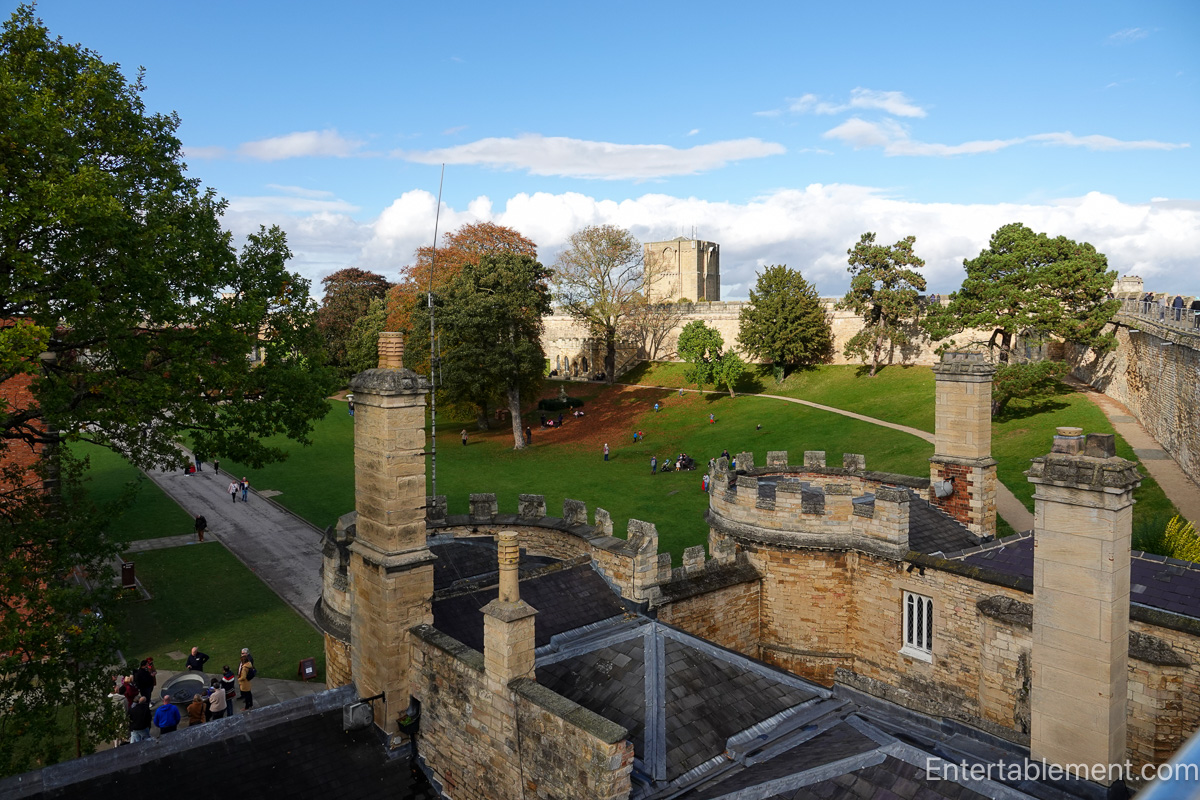
The First Battle of Lincoln (1141)
By 1141, Matilda’s cause was gaining traction. The Earl of Chester, Ranulf de Gernon, had seized Lincoln Castle in her name. King Stephen responded by marching north to reclaim it.
What followed was a rare, full-scale medieval battle. Matilda’s forces, led by her half-brother Robert of Gloucester, clashed with Stephen’s men in the shadow of the castle.
Stephen was captured.
It should have been the moment Matilda secured her crown. But politics is rarely tidy. The Londoners rejected her. Her forces fractured. Stephen’s wife (also named Matilda—because history likes to keep us on our toes) rallied his supporters, and the Empress was eventually forced to release him.
So the war dragged on.
A Crown Deferred, Not Denied
Though Matilda never ruled as queen, her son would. Henry II, founder of the Plantagenet dynasty, took the throne in 1154 after Stephen’s death.
Lincoln Castle, battered and rebuilt, stood through it all.
Today, it’s easy to walk the walls, admire the Georgian courthouse, or explore the well-interpreted Magna Carta vault and forget the tumult that once defined this place. But the scars are there, hidden in the stone.

And standing on the ramparts, with the cathedral towering behind and the old Roman roads fanning out below, it’s not hard to imagine the clash of swords and the shouts of men. A king once lost his crown here. And a queen who never was almost claimed it.

Next up: Medieval Justice—Blood, Faith and Sovereignty, where Lincoln’s castle walls take on a different kind of gravity, as the silent witnesses to a new regime of reform.