
At the eastern end of Westminster Abbey, beyond the high altar and through a screen of delicate stonework, lies Henry VII’s Lady Chapel.

Near the centre stands the tomb of a king and queen who changed the course of English history. The king was Henry VII, founder of the Tudor dynasty. Beside him lies Elizabeth of York. Their marriage helped end one of the most turbulent periods England had ever experienced.
A Princess of York
Elizabeth was born in 1466 to Edward IV, the Yorkist king whose victories had temporarily secured his family’s hold on the throne during the Wars of the Roses.
For much of her childhood the Yorkist cause appeared triumphant. Her father ruled confidently, the court was prosperous, and Elizabeth herself grew up surrounded by the privileges of a royal household. But the stability proved fragile. Edward IV died unexpectedly in 1483. Within weeks the political landscape changed dramatically.
The Princes and the Usurpation
Edward’s young son briefly became king as Edward V, but the boy’s uncle soon seized power. That uncle became Richard III.
The fate of Edward V and his brother Richard of Shrewsbury remains one of the most famous mysteries in English history. For Elizabeth of York, however, the political consequences were immediate. Her family’s position became dangerously uncertain. The Yorkist dynasty that had once seemed secure was suddenly vulnerable.
A Marriage That Changed England
Into this uncertain world stepped a distant Lancastrian claimant: Henry VII. After defeating Richard III at the Battle of Bosworth Field, Henry moved quickly to secure his fragile hold on the throne.
His most important decision was political as much as personal. In 1486 he married Elizabeth of York. The marriage united the rival dynasties whose struggles had shaped English politics for decades. The new Tudor emblem — a red rose enclosing a white one — symbolized that union.
In Elizabeth’s person, the Yorkist claim passed into the new Tudor line.
The Quiet Queen
Elizabeth of York was not a political operator in the dramatic style of some later Tudor figures. Instead, she fulfilled the traditional role expected of a queen consort: supporting the monarchy through diplomacy, household management, and, above all, the production of heirs.
In that task she succeeded. Among her children were:
- Henry VIII
- Margaret Tudor
- Mary Tudor
Through these children the Tudor dynasty would extend its influence across England and Scotland.
A Symbol of Reconciliation
Elizabeth’s greatest historical significance may lie less in what she did than in what she represented. Her marriage to Henry VII symbolized the end of decades of dynastic conflict. York and Lancaster were no longer rival houses; they had become a single royal family.
That symbolism mattered enormously in a country exhausted by years of instability. The Tudor rose proclaimed the message clearly: the war between the roses was over.

Beneath the Tudor Vaults
Elizabeth of York died in 1503 at the age of thirty-seven, shortly after the birth of her final child. Her husband, grief-stricken, commissioned the magnificent chapel at Westminster Abbey that now bears his name.
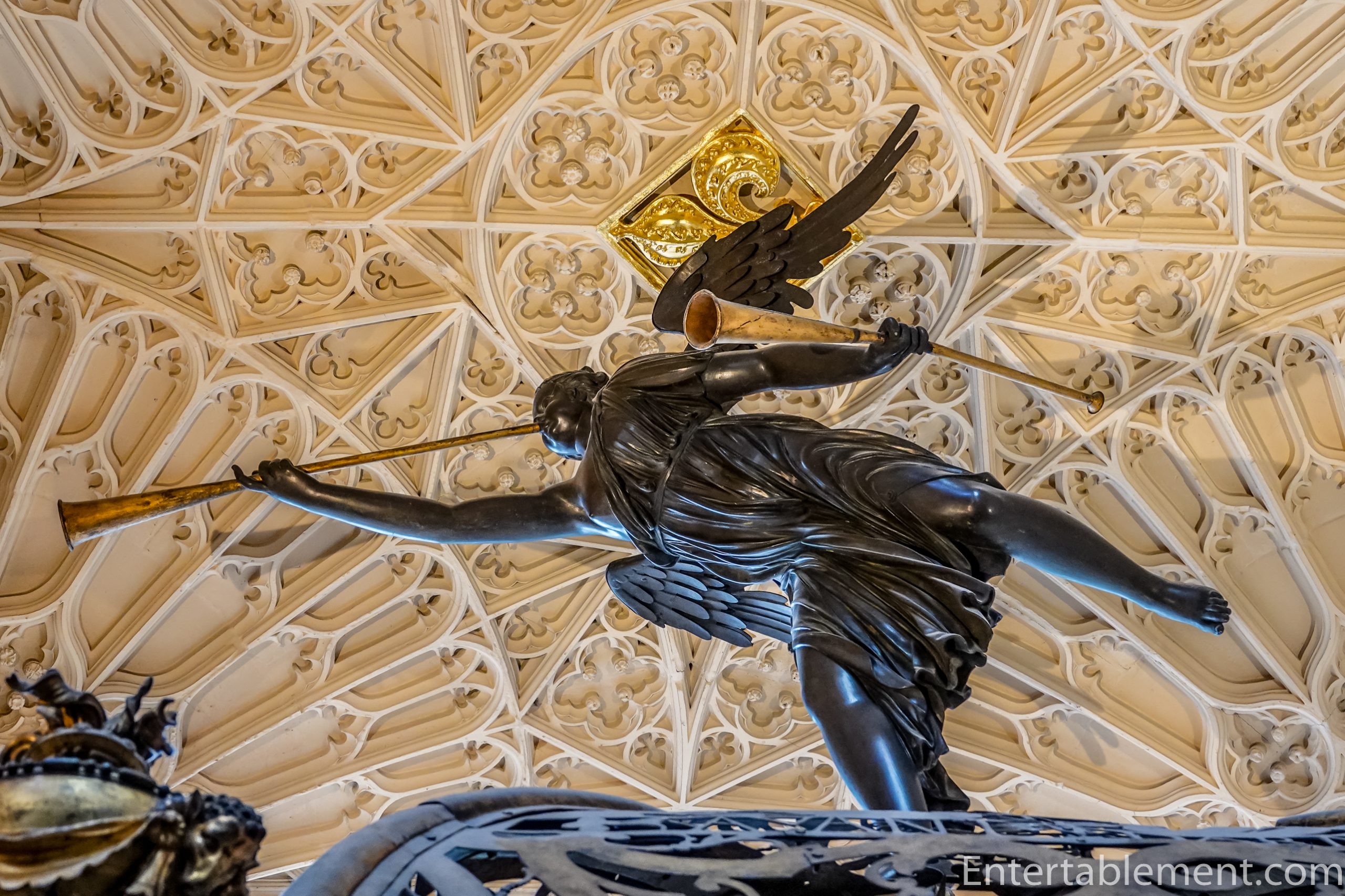
Today they lie together beneath an elaborate bronze tomb within Henry VII’s Lady Chapel.
Visitors often look upward first, captivated by the extraordinary fan vaulting above them.
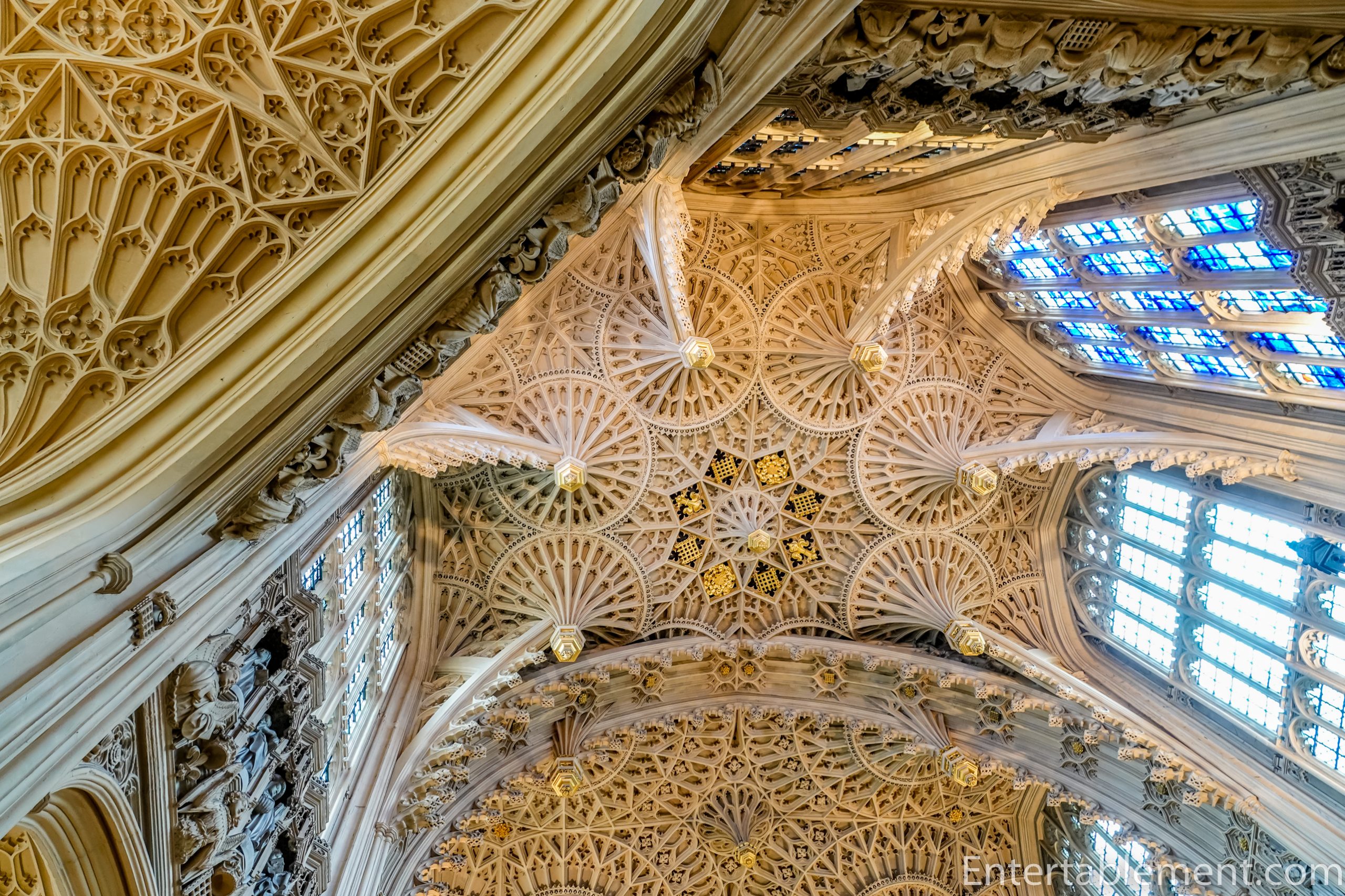
Yet the tomb below tells its own story. Beneath those carved stones rests the queen whose marriage helped reconcile two rival dynasties and stabilize a kingdom that had known decades of conflict.
History sometimes remembers kings and battles most clearly. But in this case, the future of England depended just as much on a wedding.