

When the Normans invaded Britain in 1066, they brought feudalism, significant political upheavals, and advancements in society and technology. The hierarchy was very straightforward: The king granted land to powerful nobles in exchange for military service and loyalty. The noblemen managed estates, controlled knights, and governed serfs and peasants who worked the land. Simples.
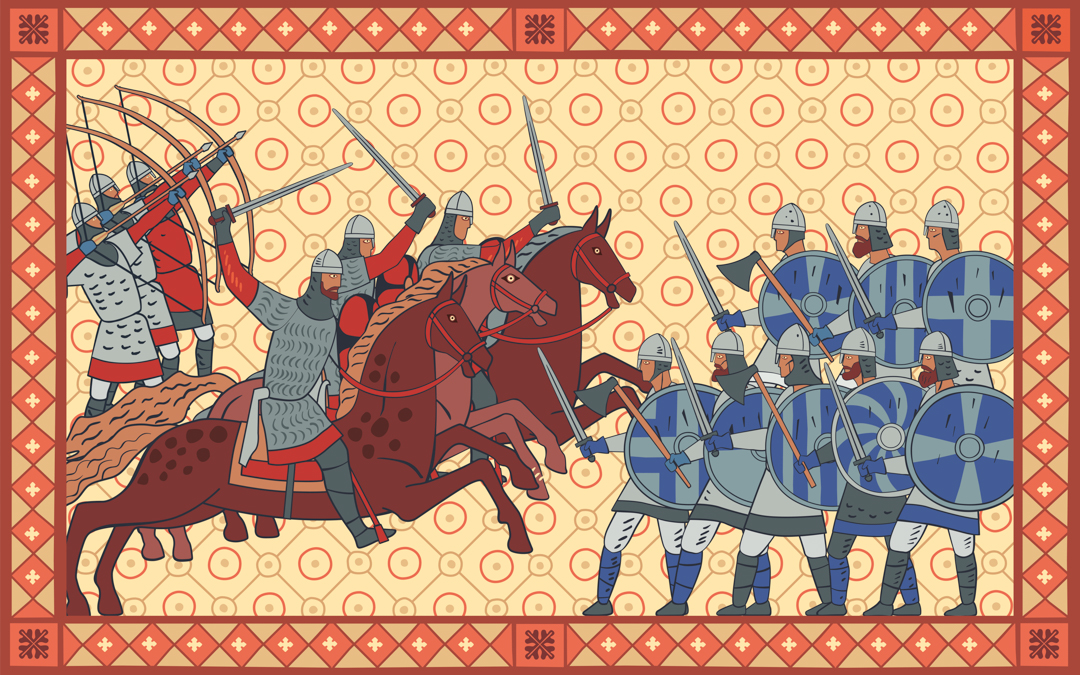
Bayeux Tapestry, Battle of Hastings
Local governance revolved around the manorial system: local lords acted as economic leaders and judicial authorities over their tenants. Serfs were bound to the land and paid rent or provided labour in return for protection. If you were a lord, all went swimmingly—until it didn’t.

King John, who was highly unpopular, used his power a touch too liberally and took things too far. The barons revolted, and the Magna Carta (Great Charter) of 1215 ensued.
It limited royal authority and established principles of justice and due process, influencing England’s legal framework.
King John signed it under duress, then revoked it, but was ultimately forced to accept its authority.
The Black Death (1347–1351) devastated the population and weakened the feudal system. Survivors suddenly found themselves with significant leverage, probably for the first time. Serfs previously bound to their lord’s land took their much-needed labour to a higher bidder. Their increased confidence spawned the Peasants’ Revolt of 1381, a serious challenge to feudal oppression.
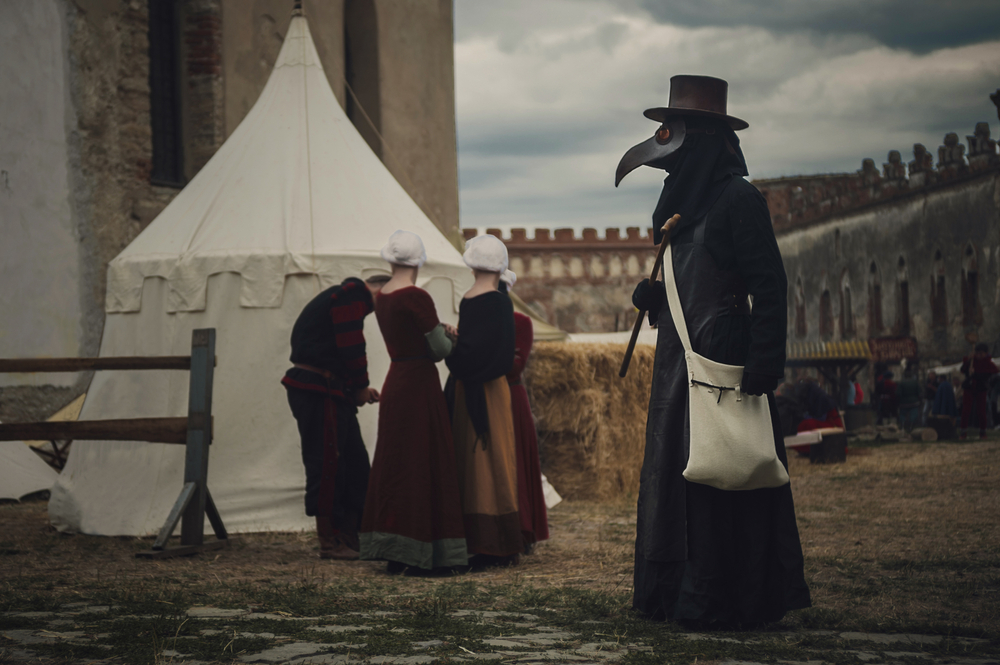
Meanwhile, the Hundred Years’ War (1337–1453) — a never-ending conflict between England and France — shaped national identity and military organization. The longbow, famously used in battles like Crécy (1346) and Agincourt (1415), became a defining symbol of English military success. Early gunpowder weapons appeared in the late 14th century, marking the transition from medieval to early modern warfare.
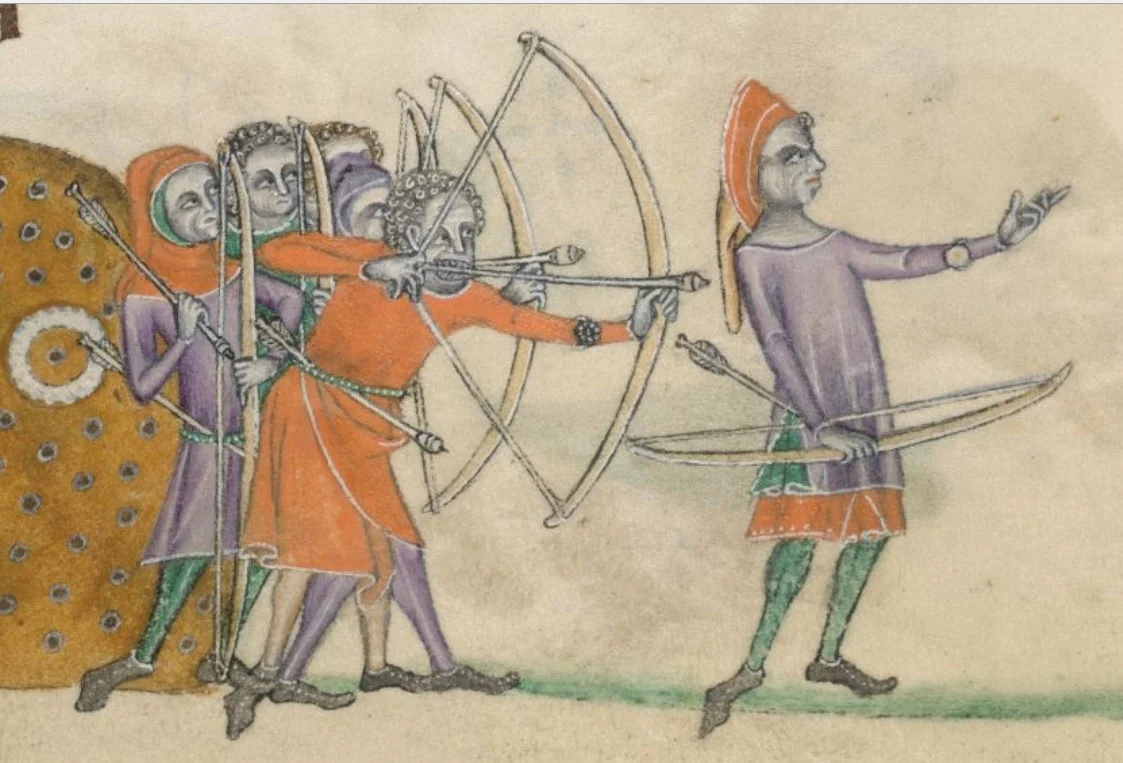
On the agricultural front, heavy ploughs and water mills increased productivity, allowing for the cultivation of more land and surplus food. The three-field system, introduced earlier, became standard, improving crop rotation and soil fertility.

The expansion of trade led to the growth of towns and the merchant class. The wool trade flourished, particularly in the Midlands and East Anglia, making England a key player in European commerce.
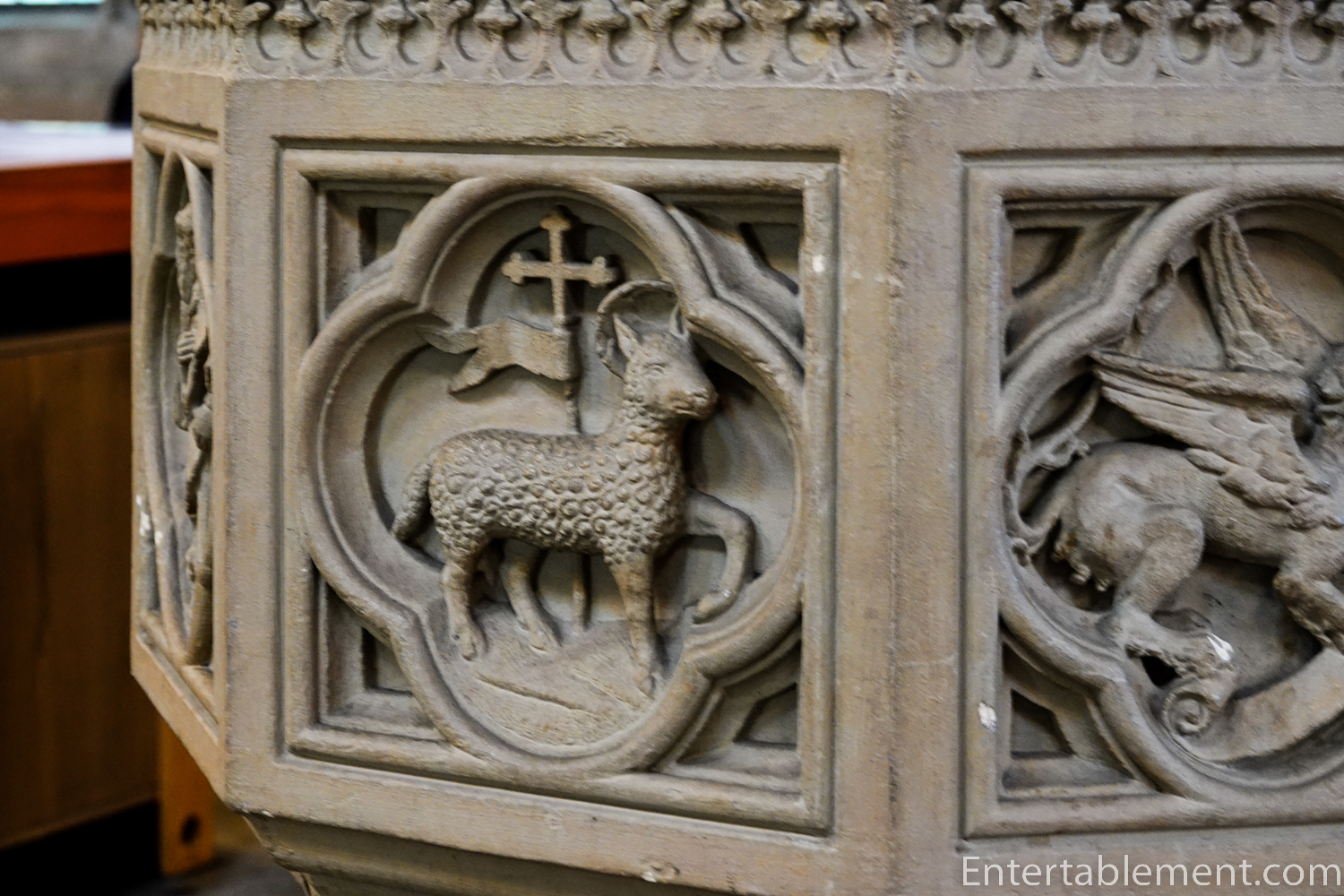
Baptismal Font at Bradford Cathedral. Bradford was notable for its wool trade.
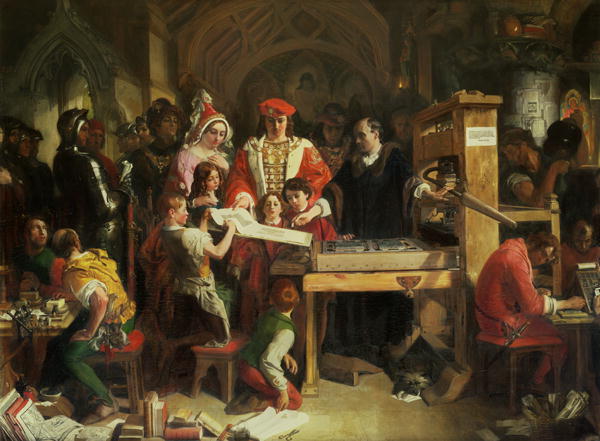
The founding of universities like Oxford (c. 1096) and Cambridge (1209) contributed to intellectual progress. By the late 15th century, the printing press (introduced to England in 1476 by William Caxton) began transforming access to knowledge.
The Church held immense social and political influence. Bishops and abbots often controlled large estates and played key roles in governance. Monasteries served as centres of learning, healthcare, and charity.
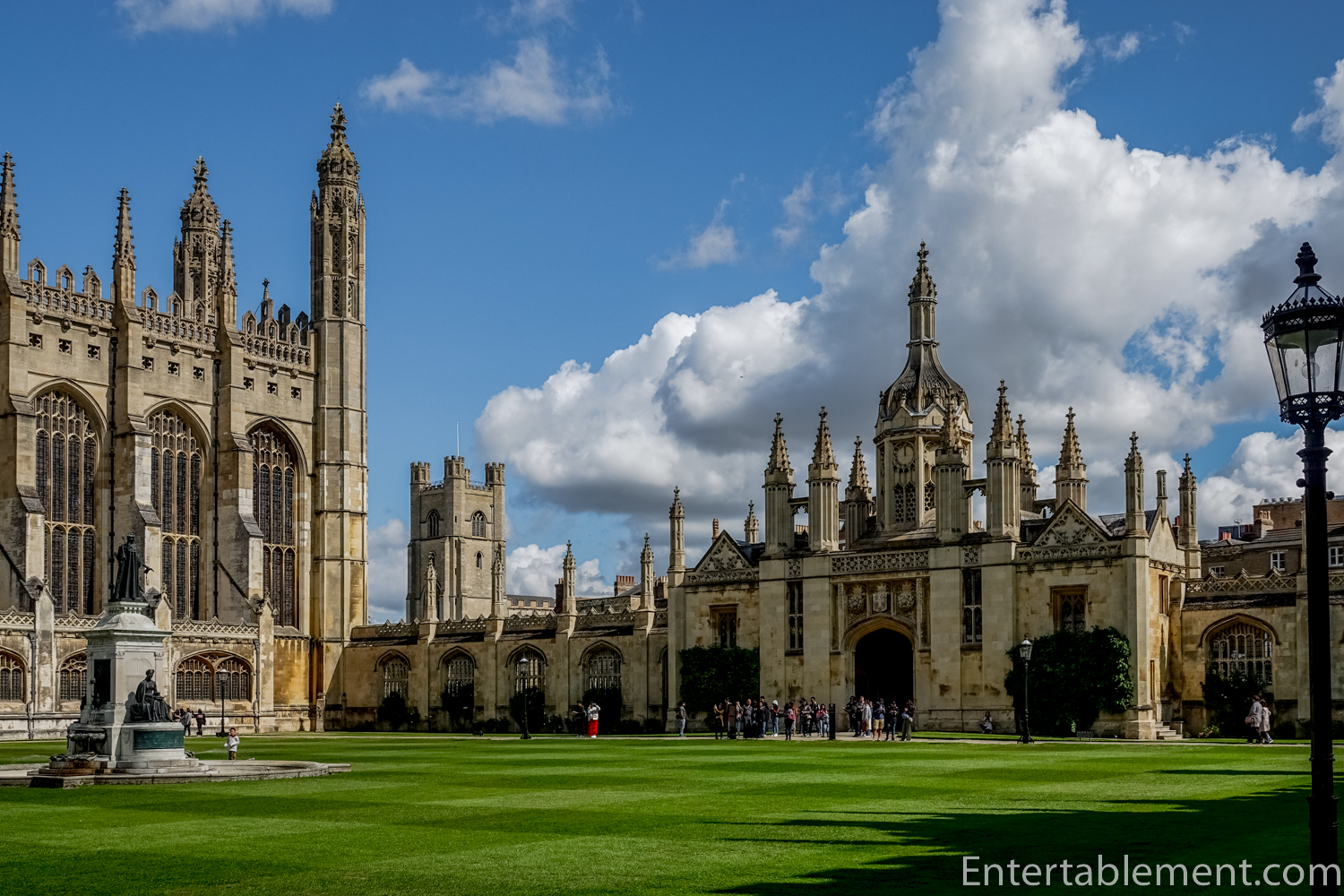
King’s College Chapel
The Norman Romanesque Style (1066–1200) abounded in the early Medieval period. It featured massive, rounded arches and sturdy stone structures in castles and cathedrals, such as Durham and Rochester.

Durham Cathedral
Gothic architecture supplanted Norman in the early 13th century with its innovative pointed arches, ribbed vaults, and flying buttresses, exemplified by York Minster.

York Minster
Early in the 11th century, stone-built motte-and-bailey castles and fortified manor houses became widespread, replacing earlier wooden structures. These manors served as administrative hubs for the lords managing agricultural estates.

Arundel Castle
As the 13th century dawned, manor houses began evolving into more comfortable and less militarized residences, reflecting greater stability. Timber-framed halls, solar rooms (private quarters for the lord), and intricate gardens emerged. Broughton Castle and Haddon Hall in Derbyshire are good examples.

Broughton Castle
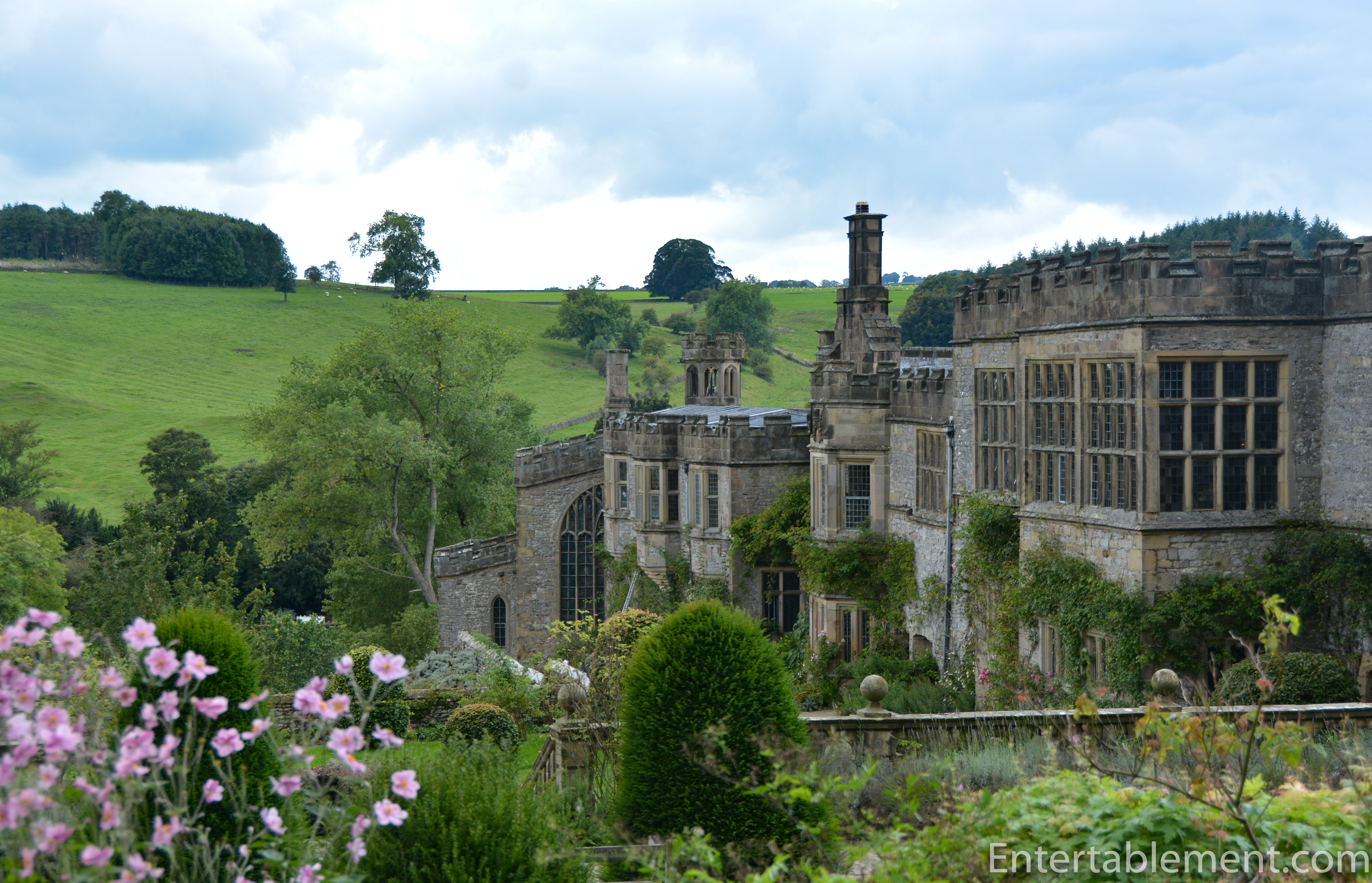
Haddon Hall
The Wars of the Roses (1455–1485), a series of dynastic conflicts between the houses of Lancaster and York, culminated in the rise of the Tudor dynasty in 1485.

The Medieval period profoundly shaped Britain from the Norman conquest, legal and political reforms, and gradual shifts toward a more centralized monarchy.