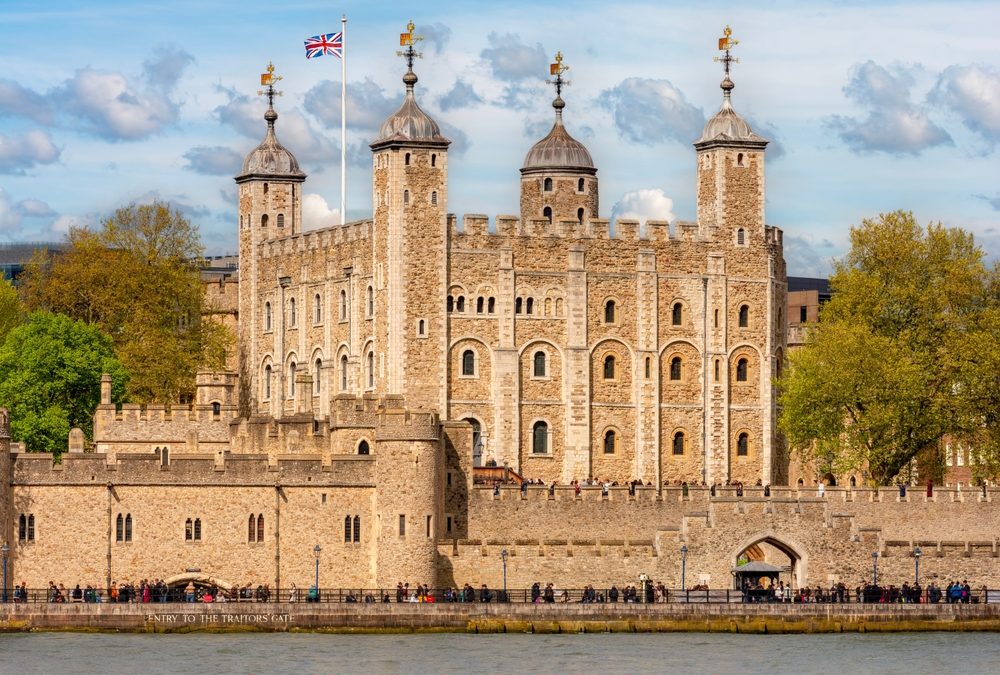
In 1075, a white stone fortress began rising above the timber streets of London. It was not English. Its builders spoke French, and its sheer presence above the city announced something unmistakable: England had been conquered.
The White Tower — now embedded within the Tower of London — was more than a castle. It guarded the Thames, protected royal authority, and reminded London daily who now ruled the kingdom.
After the Battle, Securing the Peace
William the Conqueror may have won England at Hastings, but securing it proved rather more complicated. Even some Norman barons were reluctant to follow him across the Channel, since England technically lay beyond their feudal obligations.
William solved the problem in a familiar enough way: land, wealth, and opportunity. England was richer than Normandy, and conquest offered extraordinary rewards.
The rewards came quickly. Within a generation, most of England’s productive land had passed into Norman hands. The Saxon aristocracy was largely swept aside. Bishops were replaced and monasteries reorganized. French became the language of the ruling elite.
Yet what becomes striking, travelling through England today, is not simply that the Normans conquered the country, but how thoroughly they reshaped it afterward.
The Norman Building Campaign
After years spent wandering through cathedrals, abbeys, castles, and royal foundations, one begins to notice the Norman fingerprint almost everywhere.
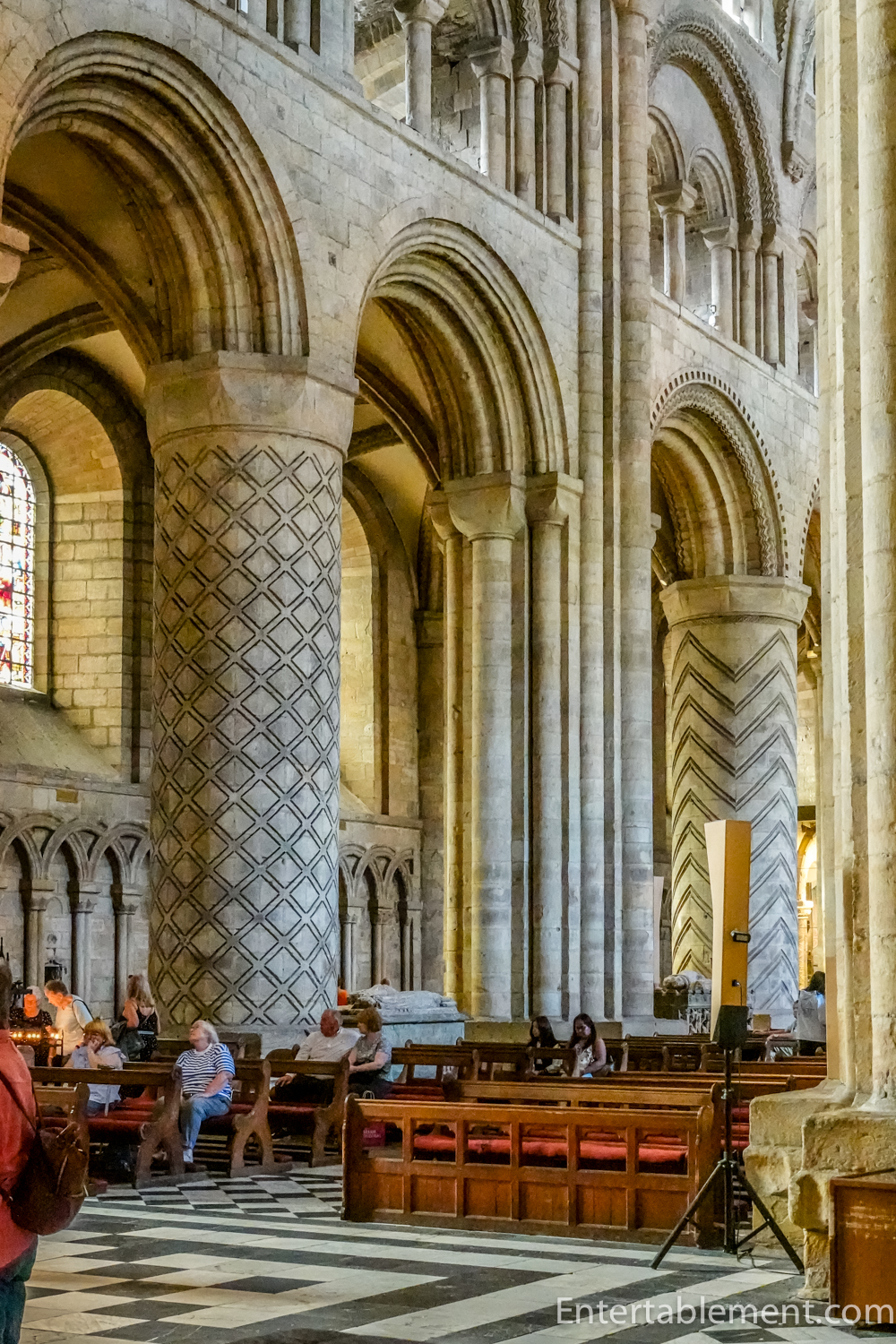
Durham Cathedral
Thick piers with rounded arches. Keeps planted above rivers and roads with an air of complete confidence. The conquest survives not just in chronicles, but in the physical grammar of the landscape itself.
Norman Fortresses
England before 1066 had relatively few major fortifications. The Normans changed that with astonishing speed. Castles appeared at river crossings, ports, roads, and administrative centres — Dover, Rochester, Norwich, Colchester, Richmond, and dozens more besides. Within decades, England had become a landscape of fortresses.
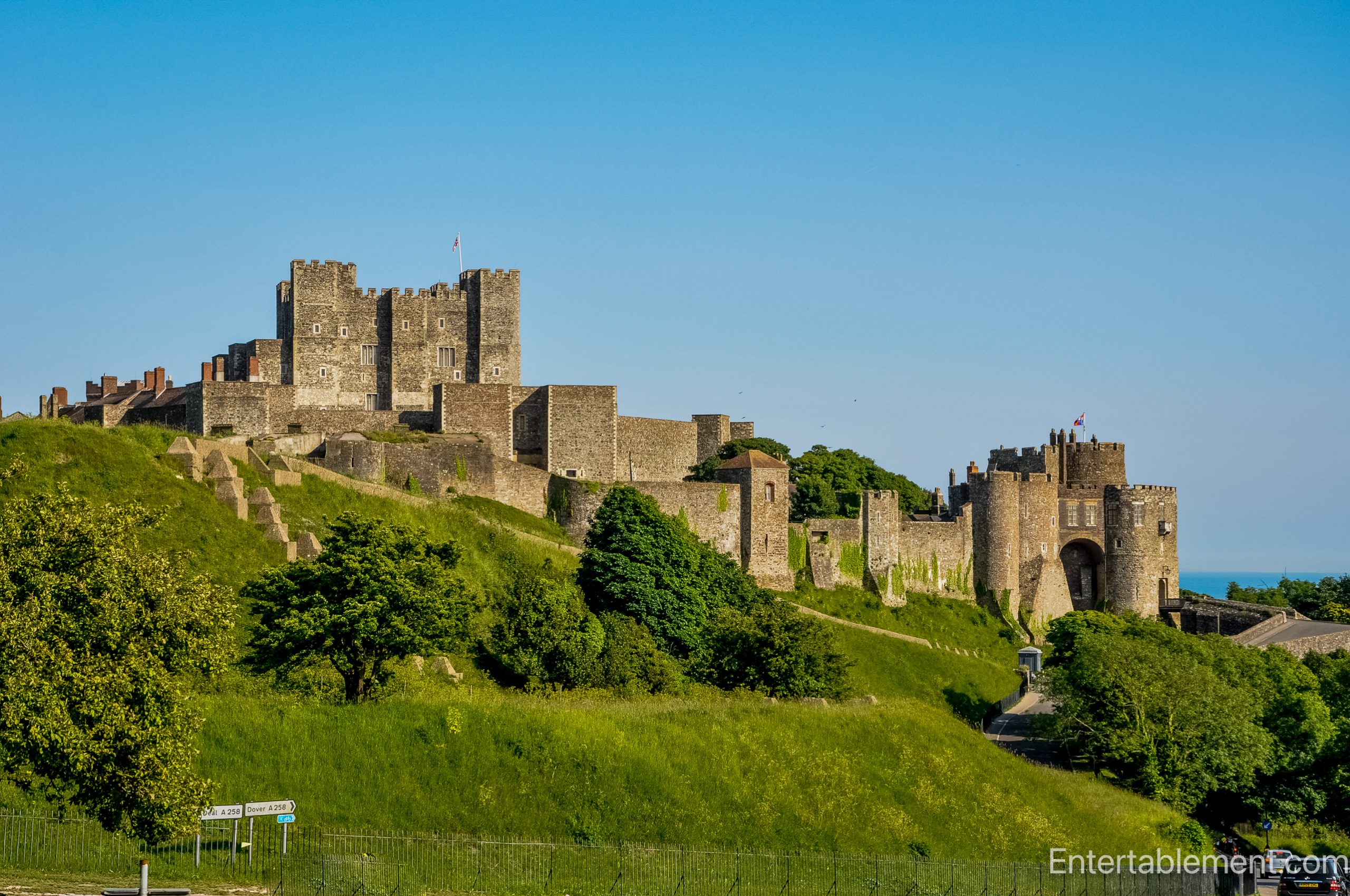
Dover Castle
These castles were doing far more than defending territory. A Norman keep looming above a Saxon town was a constant reminder of who now governed England.
The White Tower was the grandest expression of this new order: fortress, palace, barracks, treasury, prison, and royal residence all folded into one massive structure. The Normans were not simply effective conquerors; they were remarkably organized.
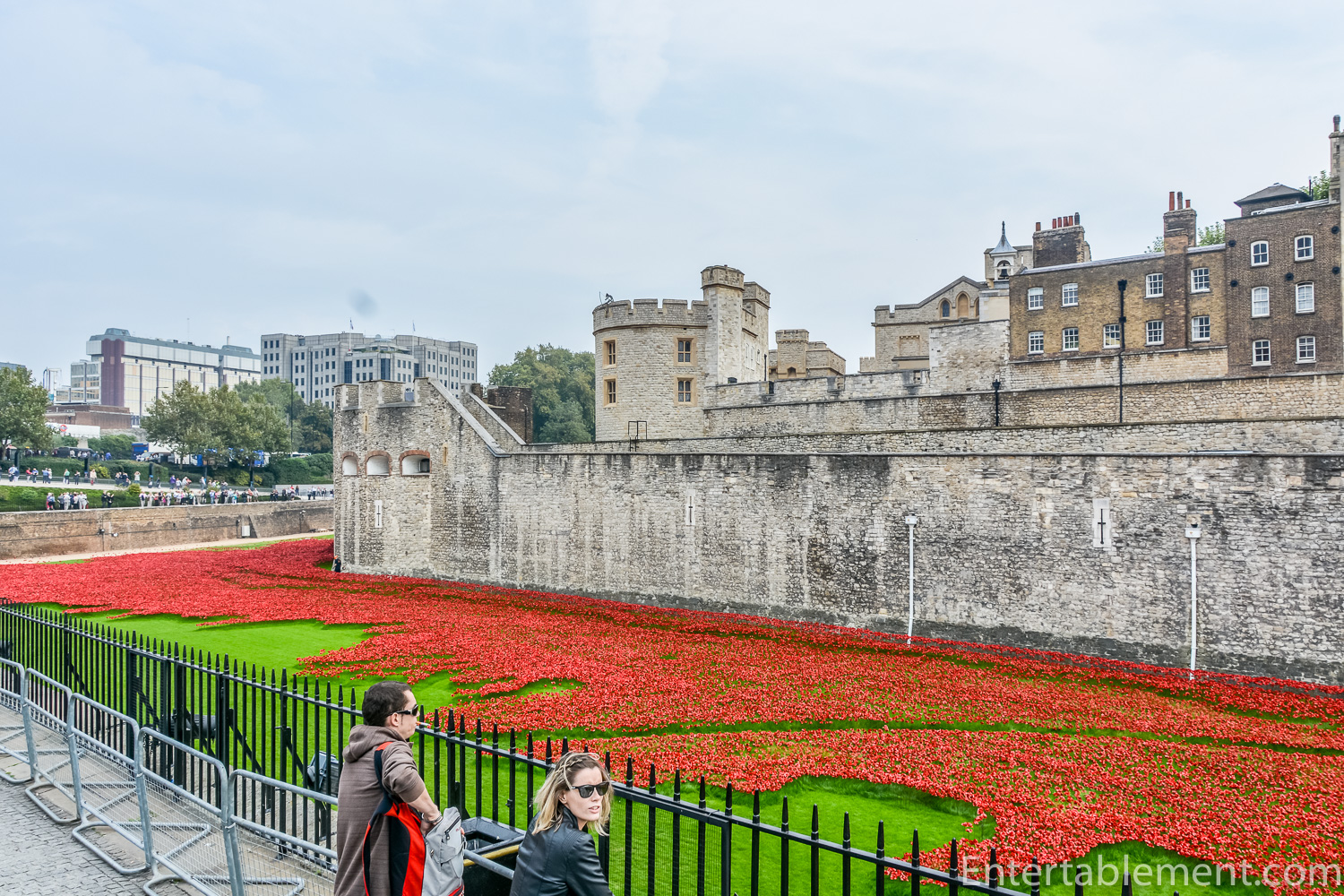
Tower of London with Bloodswept Lands Display 2018
William the Conqueror as a Modern Tech Bro
At times, William the Conqueror feels less like a medieval warlord than the architect of an extraordinarily aggressive corporate acquisition — replacing management, auditing assets, installing loyal personnel, and integrating England into a larger continental network.
The Domesday Book alone suggests the mentality of someone deeply interested in dashboards and operational scalability. Can’t you just picture the video?
OPENING; Dark screen. Minimalist synth music.
“In 1066, one founder set out to scale governance across a newly acquired market…”
CUT TO THE TOWER OF LONDON
“His solution? Distributed fortress infrastructure.”
CUT TO DOMESDAY BOOK
“Before data-driven administration was cool, William was already optimizing taxable assets at scale.”
CUT TO DURHAM
“Legacy architecture was replaced with a bold new vertical integration strategy.”
MONASTERIES
“The Cistercians pioneered operational efficiency through standardized devotional workflows.”
ENDING
Slow aerial shot of England’s cathedral landscape.
Voiceover: “Move fast and seize fiefs.”
Picture the poor exhausted monks at Canterbury: “Per my last illuminated manuscript…”
Then there’s the Norman LinkedIn page!
“Passionate cross-Channel leader specializing in scalable fortress deployment and organizational restructuring.” or “Thought leader in integrated feudal solutions.”
But I digress…
Norman Cathedrals
The same transformation unfolded in sacred architecture. Invariably located adjacent to a protective castle, in cathedral after cathedral, the Norman style announces itself almost immediately: massive columns, rhythmic arches, and a kind of muscular confidence very different from the surviving fragments of Saxon England.

Rochester Cathedral
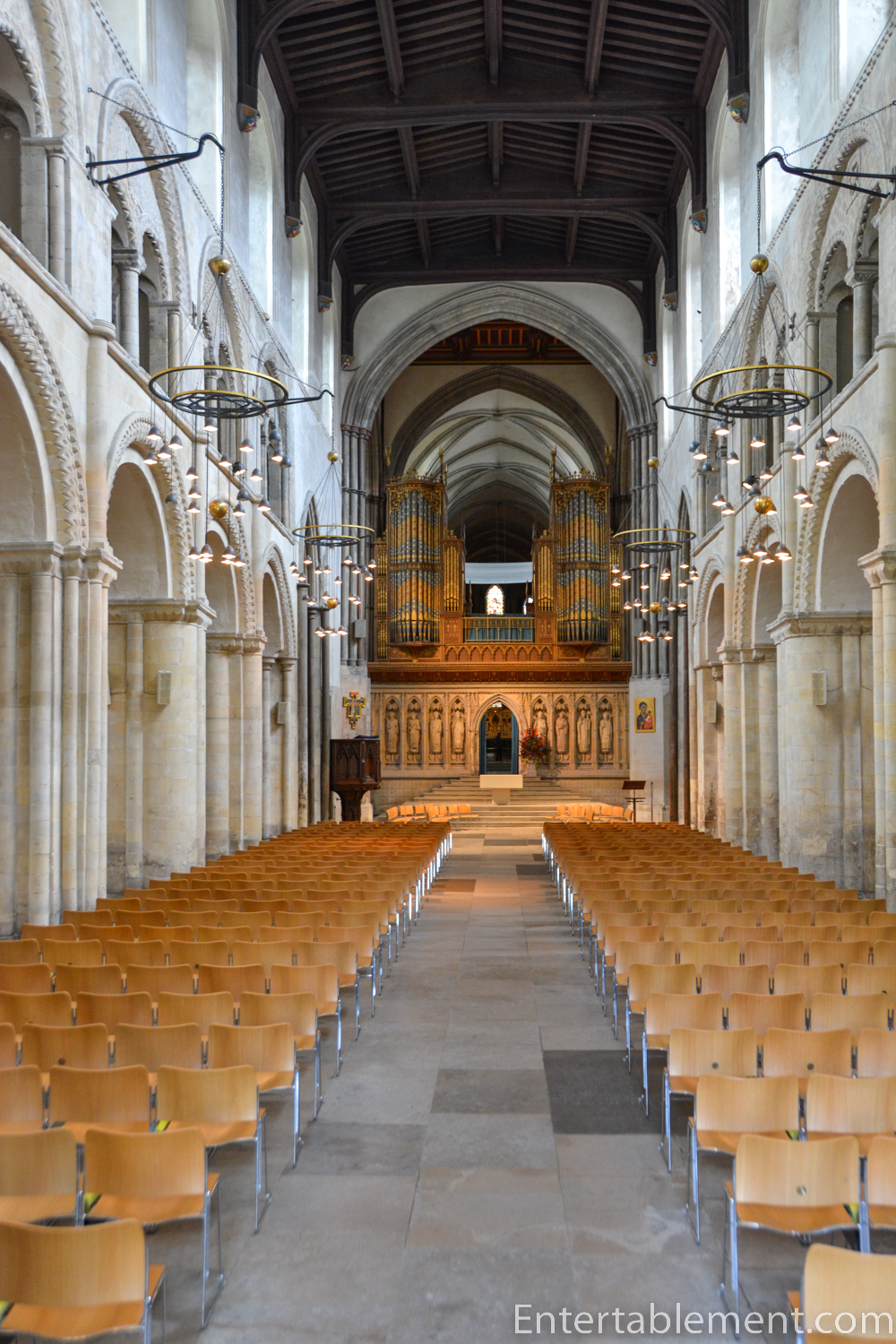
Rochester Castle Nave
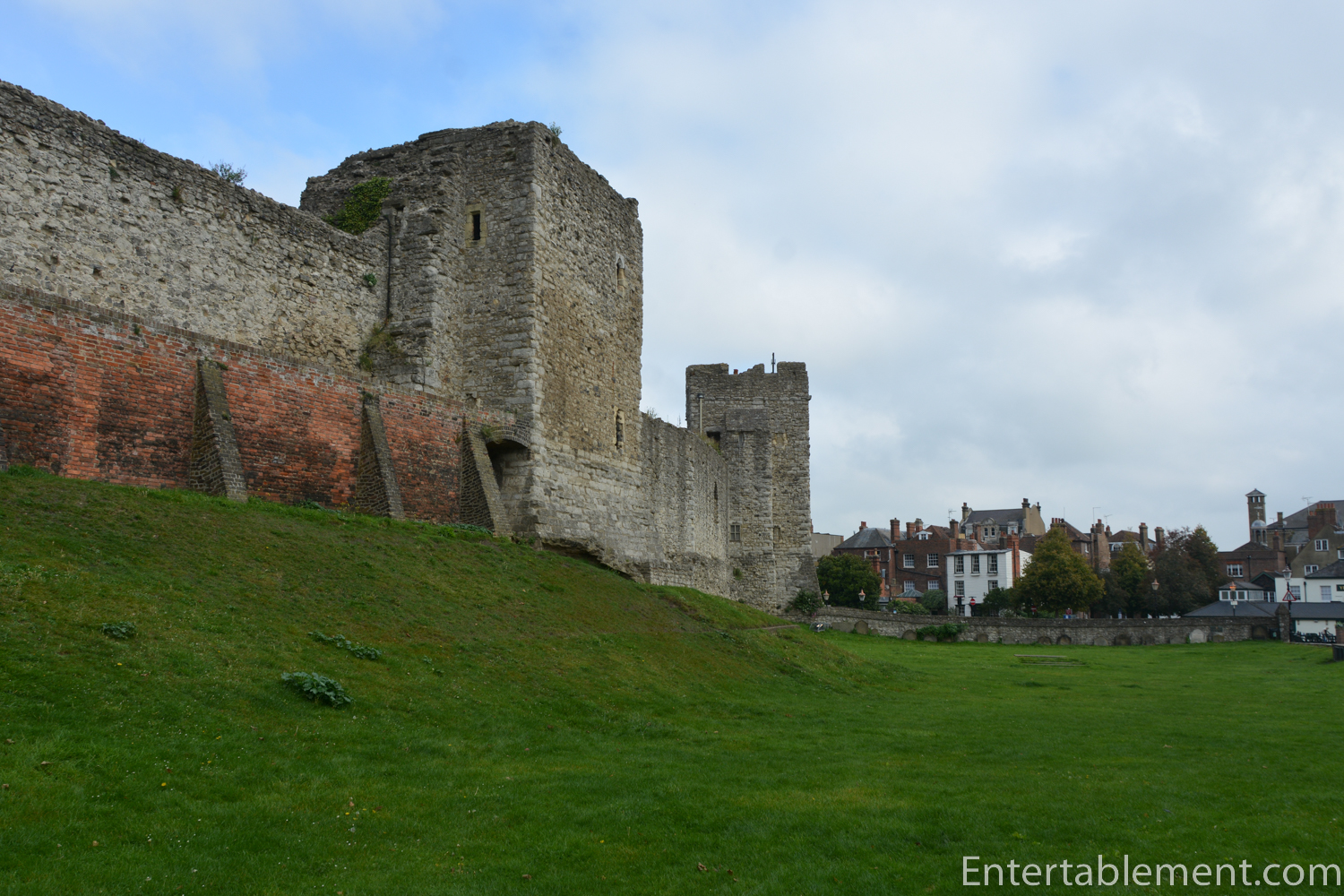
Rochester Castle
That contrast is part of what makes the period so striking to modern visitors. After the Roman withdrawal, much of England reverted to timber construction. A few Saxon churches survived in stone, but comparatively little remains visible above ground. Then suddenly the Normans arrive, and England seems to become monumental again.
At Durham Cathedral, begun in 1093 after the suppression of northern resistance, the scale of Norman ambition becomes impossible to miss. Durham still dominates the surrounding landscape nearly a thousand years later. Its vast stone vaulting and engineering confidence feel closer to continental Europe — and in some ways closer to Rome — than to the England that preceded it.
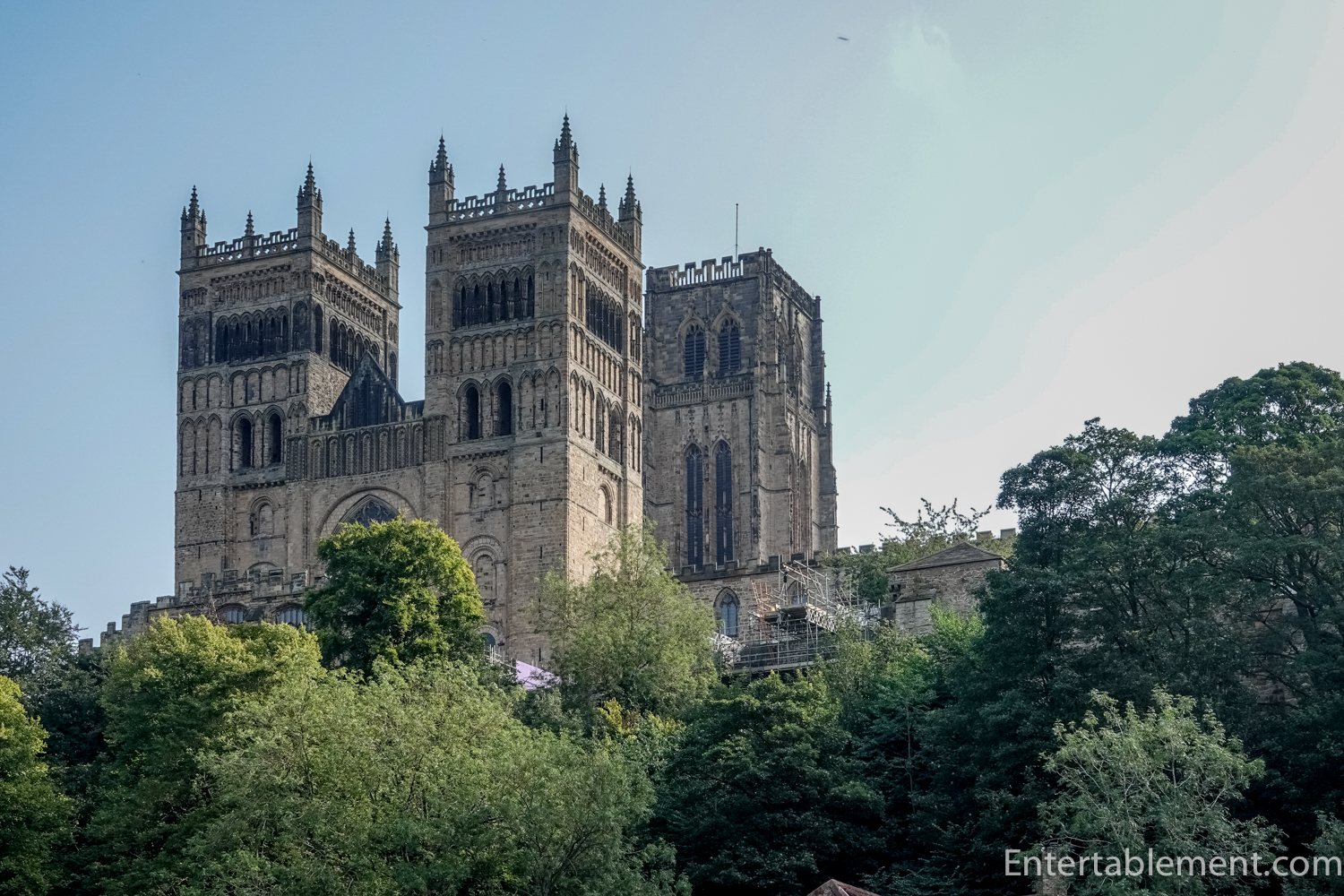
Durham Cathedral
The rebuilding extended far beyond castles and cathedrals. Monasteries became centres of administration, agriculture, learning, and land management. The great abbeys of Rievaulx Abbey and Fountains formed part of a growing continental network of discipline and organization, particularly under the Cistercians, who arrived in the twelfth century with a remarkably systematic approach to monastic life.
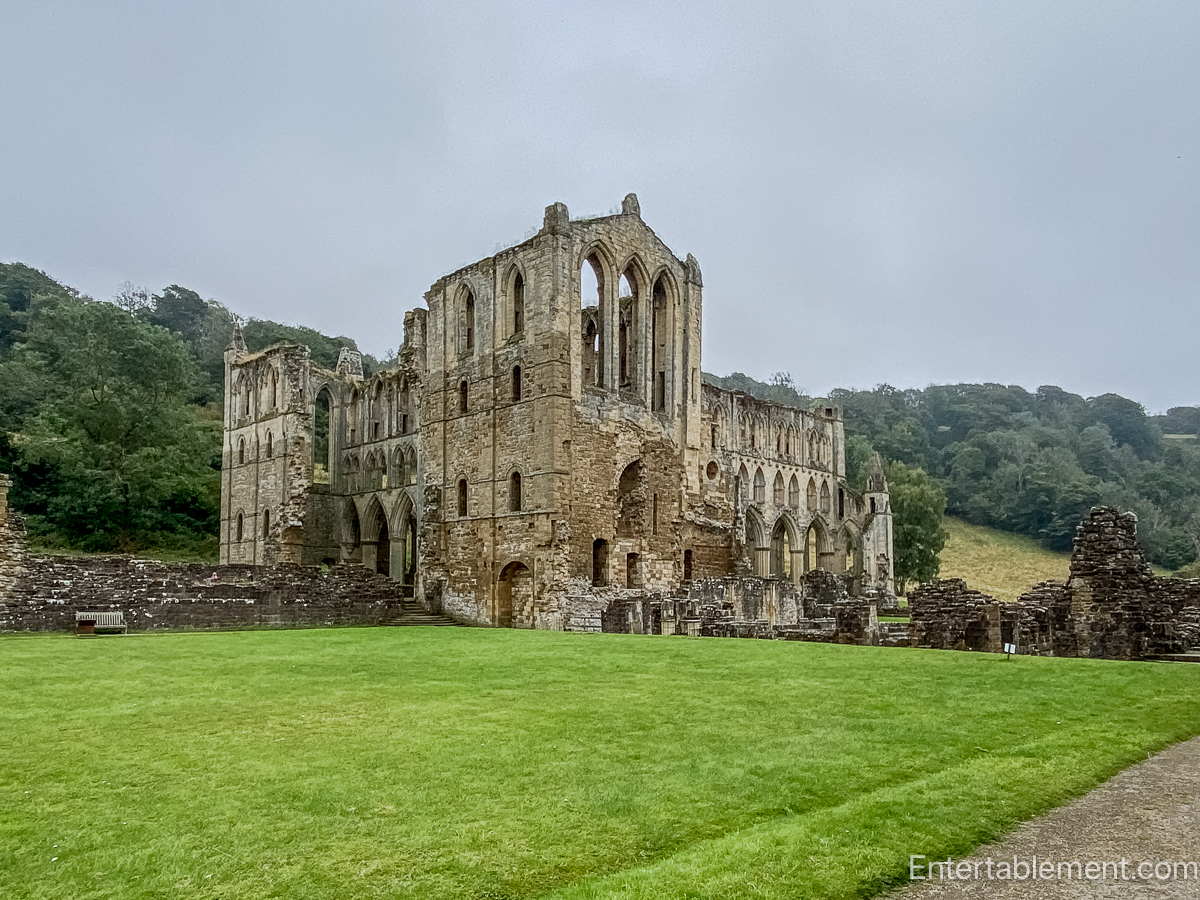
Rievaulx Abbey
These institutions were spiritual, certainly, but they were practical too — managing estates, preserving texts, coordinating labour, and extending influence deep into the countryside.
Even memorial architecture served the purposes of legitimacy. Battle Abbey, founded on the site of Hastings itself, framed Norman victory not merely as conquest, but as providence.

Battle Abbey
England’s Burgeoning Continental Connections
What emerged after 1066 was something much larger than a successful invasion. England was drawn decisively back into the continental world. Norman rulers, clergy, aristocrats, and craftsmen moved constantly between England and France, carrying with them ideas about architecture, governance, warfare, and administration. The Channel remained physically fixed, but politically and culturally it narrowed considerably.
And the Norman imprint lasted.
Castles evolved from instruments of occupation into centres of aristocratic life. Cathedrals became part of English identity itself. Monasteries reshaped agriculture, literacy, and administration. Royal government became increasingly centralized and ambitious.
Henry VIII dominates popular imagination because he was theatrical. William was infrastructural.
Nearly a thousand years later, the Norman landscape still feels astonishingly present. One encounters it in keeps above river crossings, in abbey ruins folded into quiet valleys, and in cathedral naves that continue to dwarf the towns around them.
The conquest endured because it was built into the landscape itself.
- Related Post: Wait…The Normans Were Vikings?