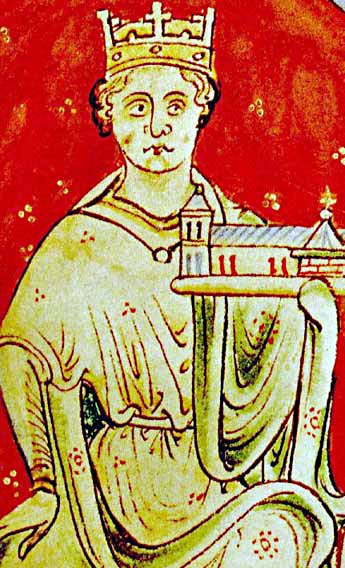
Few rulers have attracted a worse reputation than King John.
Medieval chroniclers described him as cruel, suspicious, and untrustworthy. Later generations turned him into the villain of Robin Hood stories. Even today, “King John” is rarely spoken with affection.
Yet history’s most notorious kings are often more interesting than their reputations suggest.
John inherited a difficult situation in 1199. His brother Richard had left behind a kingdom burdened by taxation and a continental empire under pressure. Powerful rivals challenged John’s authority in France and at home. Though the challenge was formidable, John undoubtedly made it worse.
His greatest failure came in Normandy. In 1204 he lost the duchy that had linked England to its Norman origins for nearly 140 years. The loss transformed English politics and forced the Crown to seek new revenues to finance attempts at recovery.
As taxes increased, discontent grew and relationships deteriorated.
John’s Disputes
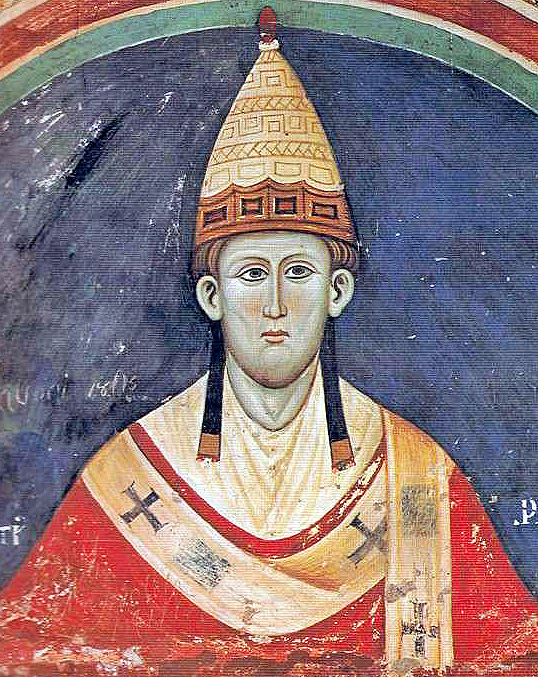
John quarrelled with the Church, provoking a dispute with Pope Innocent III that led to England being placed under interdict. He alienated many of his leading nobles. His demands for money and military service generated resentment across the kingdom.
None of these difficulties would have been fatal in isolation.
Together they created a crisis of trust. The problem was not simply that people disagreed with John. Increasingly, they did not believe him. The resulting rebellion culminated in one of the most famous documents in history.
Magna Carta
In 1215 a group of barons compelled the king to accept Magna Carta. At the time, the charter was not a declaration of democracy or universal rights. It was a practical attempt to limit perceived abuses of royal power and restore confidence in government.
Yet some of its principles would echo across centuries:
- The king was subject to law.
- Taxation required consent.
- Free men possessed legal protections against arbitrary imprisonment.
John never intended Magna Carta to endure. He sought its annulment almost immediately, and civil war followed.
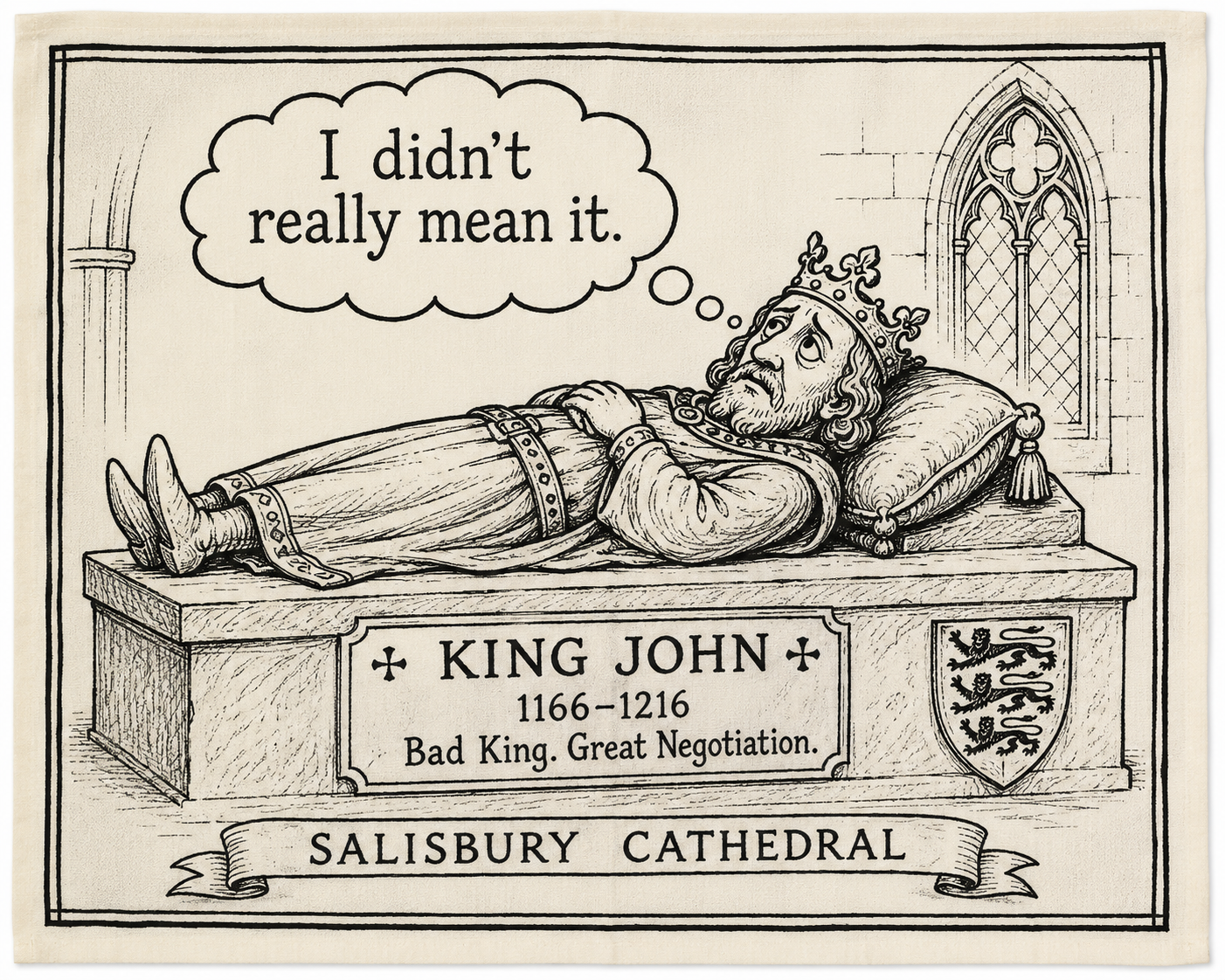
Yet his failure proved more influential than many kings’ successes. By exposing the dangers of unchecked authority, John accelerated the development of constitutional constraints that would shape England’s future.
History remembers him as a bad king and that judgment is difficult to escape. Yet he also occupies a peculiar place in the story of English government. Without John’s failures, Magna Carta might never have emerged.
Sometimes history advances not because leaders succeed. Sometimes it advances because they fail.