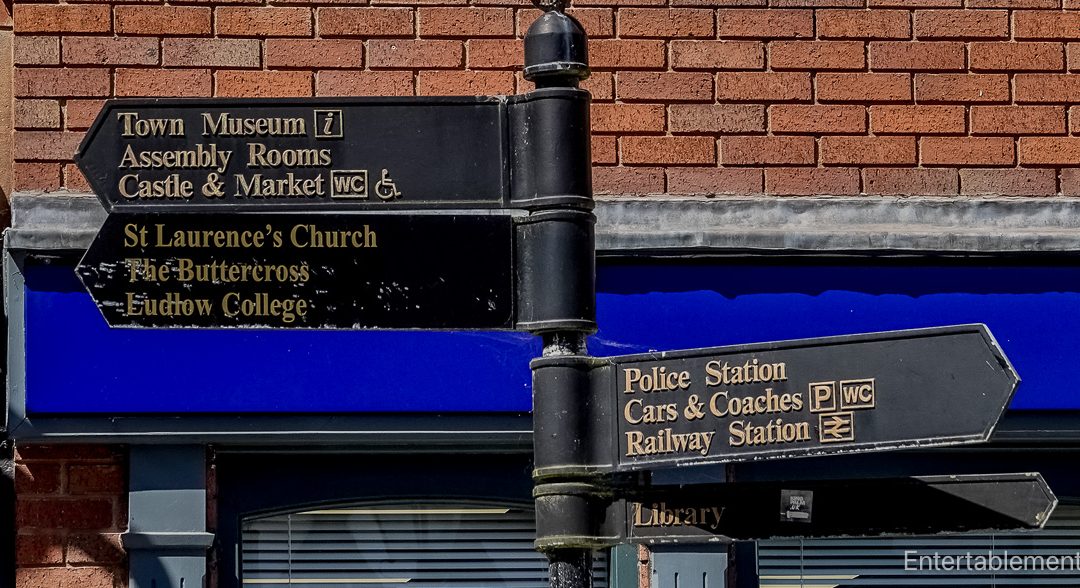
At a crossroads in Ludlow, a signpost directs visitors towards the castle, market, St Laurence’s Church, the Buttercross, assembly rooms, town museum, college and library. It is a wonderfully concise introduction to the town, and to something we seldom think about: the institutions that allow a community to function.
Ludlow has been accumulating them for nearly a thousand years. Some were established by royal authority, others by merchants, churchmen, benefactors or townspeople pursuing their own interests. They weren’t working to a common plan, yet their efforts produced a remarkably durable network of places, customs and obligations.
The buildings make this history unusually easy to follow.
A Market Needs More Than Merchants
Ludlow grew up beside a Norman castle, founded in the late eleventh century to help secure the Welsh Marches. The castle brought authority and protection, but the settlement needed trade to prosper. Markets drew farmers and merchants from the surrounding countryside, creating opportunities for craftsmen, carriers, innkeepers and shopkeepers.
The old street names still reveal how business was organized. The Bull Ring was once the Beast Market, while Cooks’ Row occupied part of the same area in the Middle Ages. Livestock and prepared food had their customary places.

Today, the Bull Ring Farm Shop and Ye Olde Bull Ring Tavern preserve the name, although their customers have rather different expectations of the neighbourhood.

A short walk brings us to the Buttercross, overlooking the market. Its handsome eighteenth-century architecture is a reminder that commercial institutions could become expressions of civic pride as well as practical necessities.
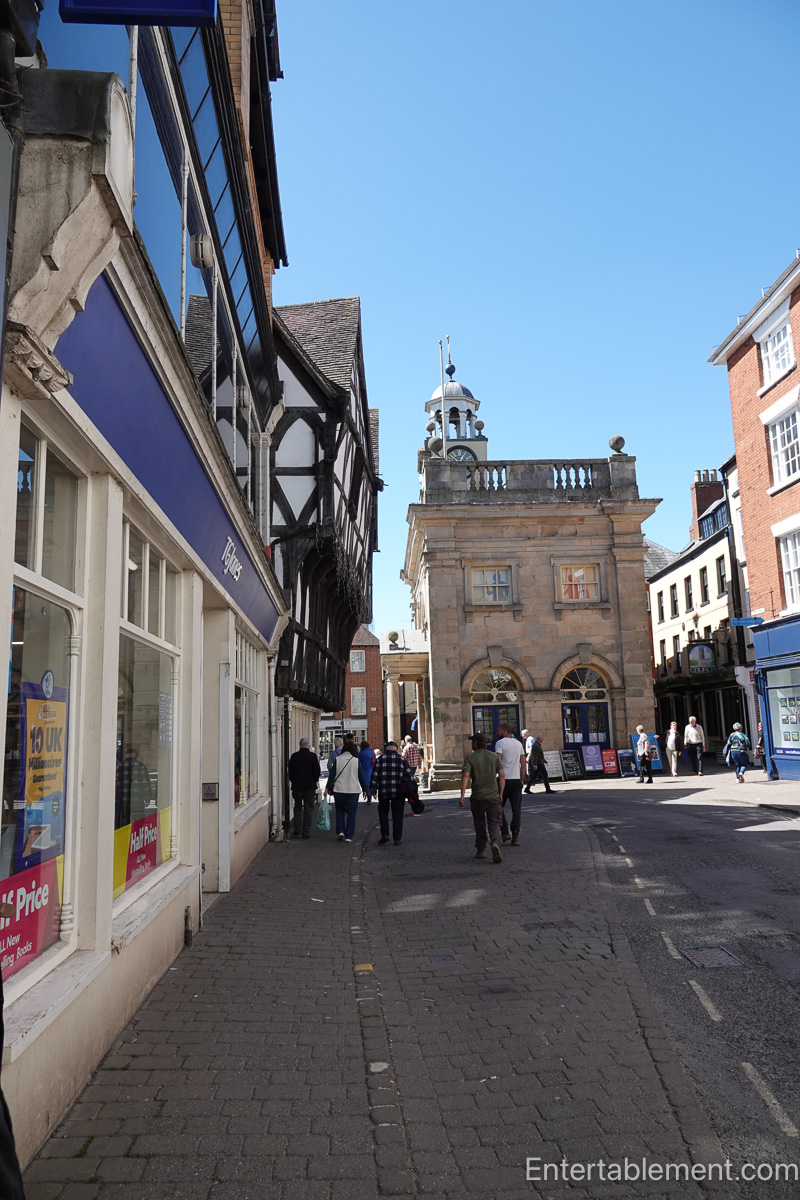
A successful market was worth accommodating properly, and its buildings helped give the town a recognizable centre.
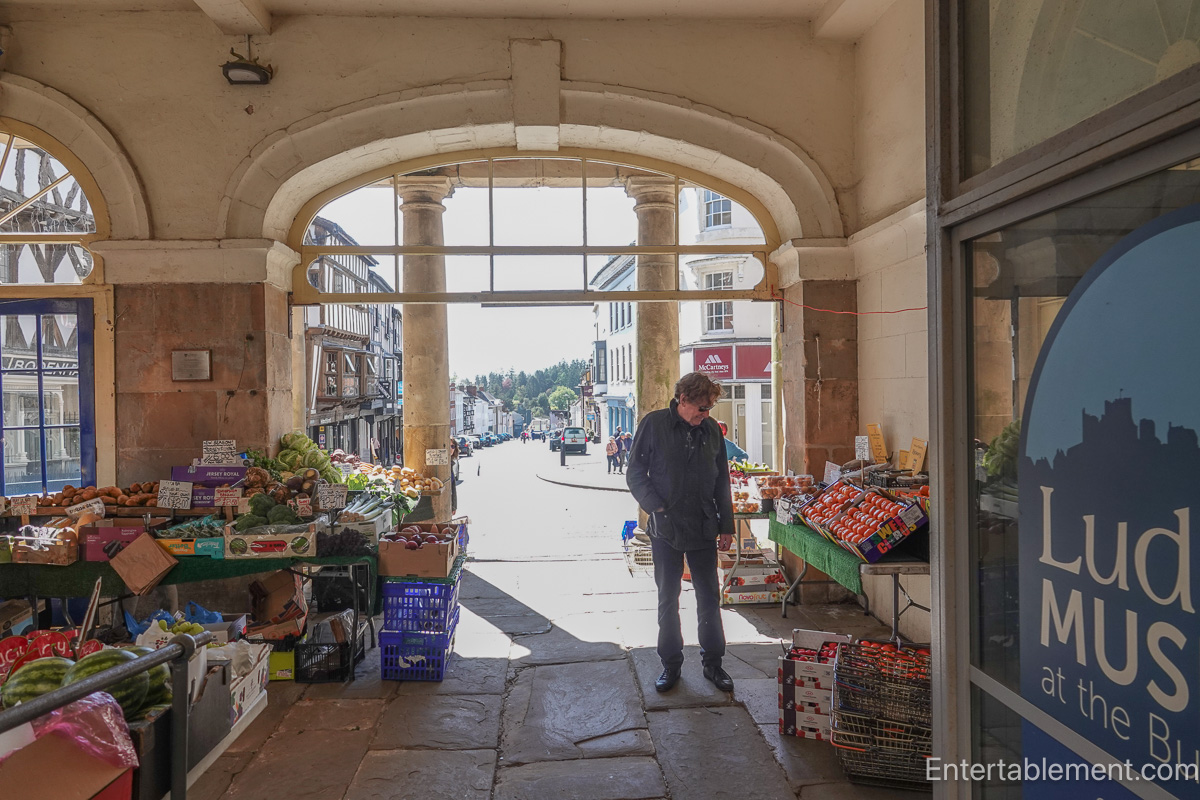
But markets required something less visible than buildings: rules. Ludlow’s fifteenth-century Tolsey was associated with the administration of market tolls. The town also had a Court of Piepowder, whose splendid name comes from the French for dusty feet. It provided swift justice for disputes arising in the market, particularly useful when one of the parties was a travelling merchant who might be gone by the following day.

The arrangement was practical rather than philosophical. Traders needed to know what they owed, customers needed some protection against dishonest dealing, and disagreements had to be settled before everyone packed up and went home. Commerce depended upon a measure of predictability.

We tend to admire the bustle of an old market square without giving much thought to the arrangements that made the bustle possible. Yet the toll collector and the market court were as much a part of its operation as the butcher and the baker.
Where Business Became Community
Trade brought people together, and the town developed places to accommodate them.

The Feathers Hotel, with its exuberant timber-framed façade, became an inn around 1670. Its nineteenth-century balcony was used for electioneering, a reminder that inns were often centres of political and social activity as well as hospitality. Travellers found food and lodging; residents exchanged news, conducted business and gathered to debate the affairs of the day.

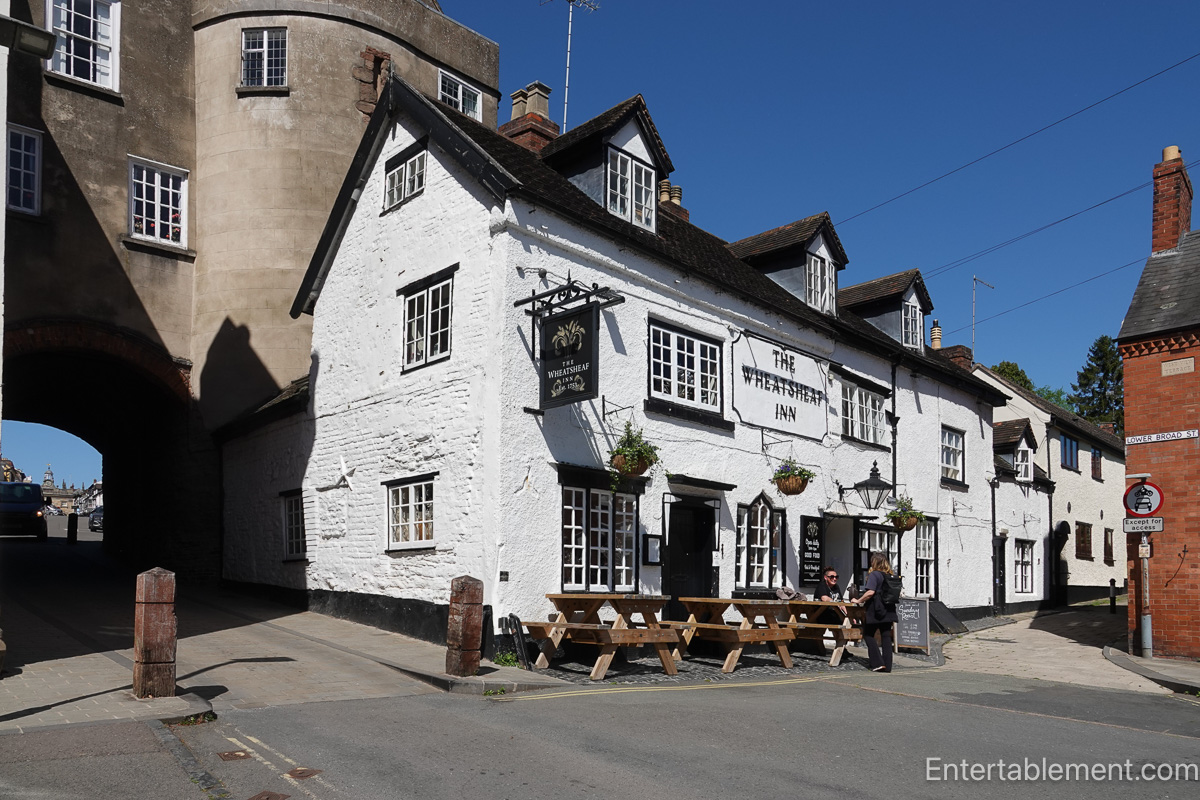
Near Broad Gate, one of the surviving entrances through Ludlow’s town walls, stands the Wheatsheaf Inn.
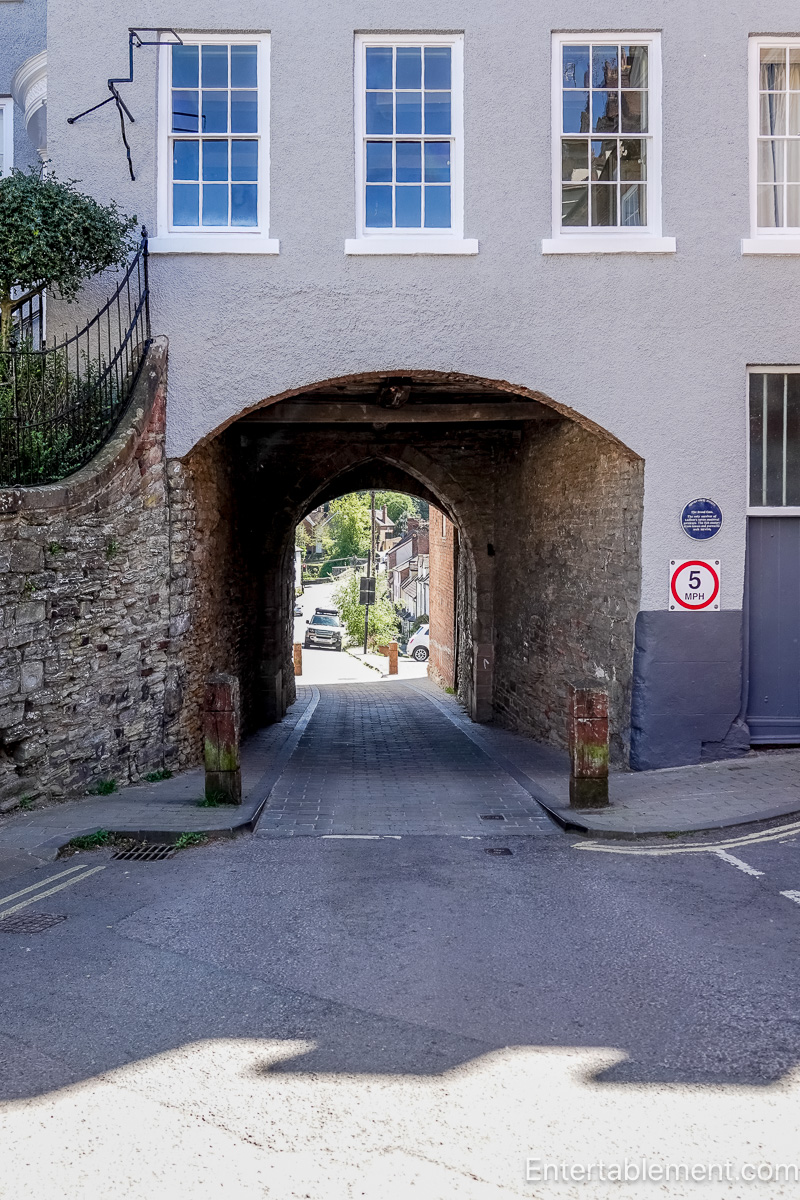
The pairing is rather pleasing. The gateway once helped control movement into the town, while the inn welcomed those who had made the journey. Both belonged to the practical business of managing a settlement that was connected to the wider world.
Other associations developed around occupation, religion and mutual obligation. Guilds could regulate trades, support members and contribute to the town’s religious life. Their activities also reflected the privileges and restrictions of the period; membership could offer protection to insiders while making life more difficult for competitors. Medieval cooperation was not necessarily inclusive.
Still, these organizations enabled people to undertake things that would have been difficult to accomplish individually. They pooled resources, established customs and gave activities a continuity that extended beyond any one member’s lifetime.
The parish church offers a particularly rich example.

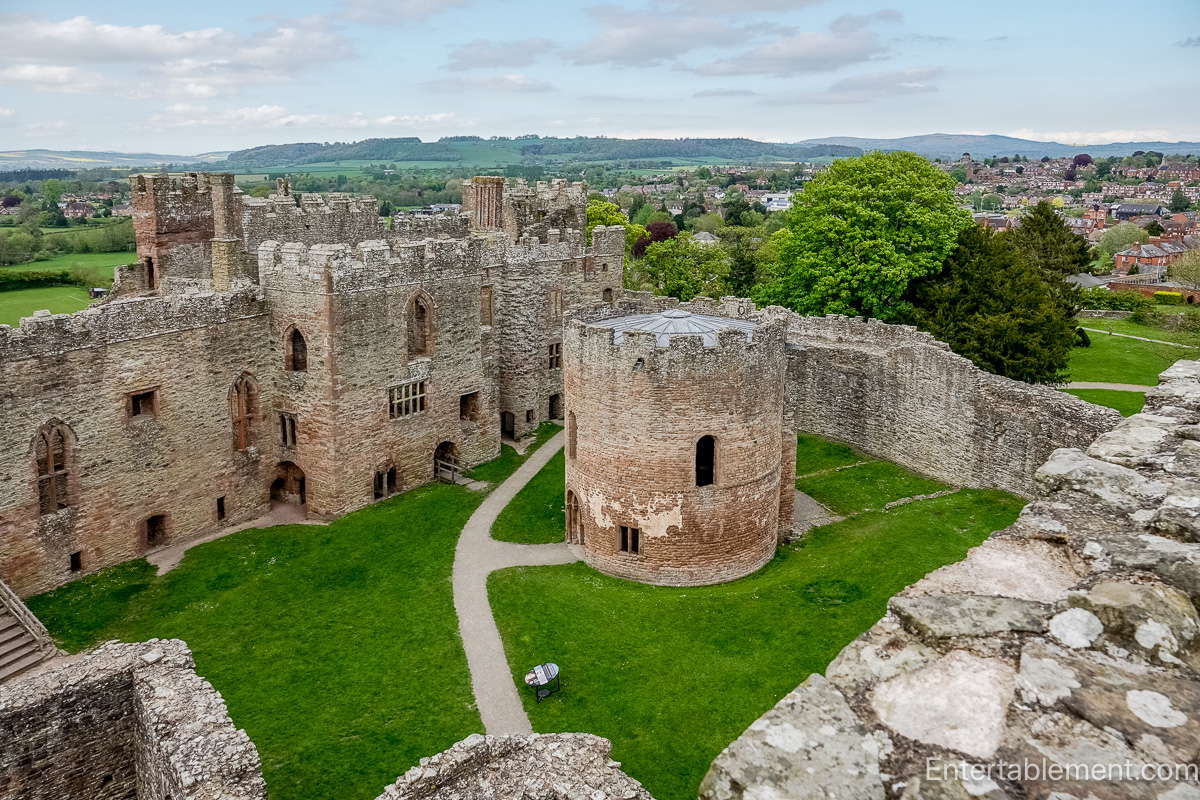
From Ludlow Castle, the rooftops spread towards the great tower of St Laurence’s, one of England’s most impressive parish churches. Its scale reflects the wealth and ambition of the medieval town, while its furnishings reveal the contributions of guilds and individual patrons.
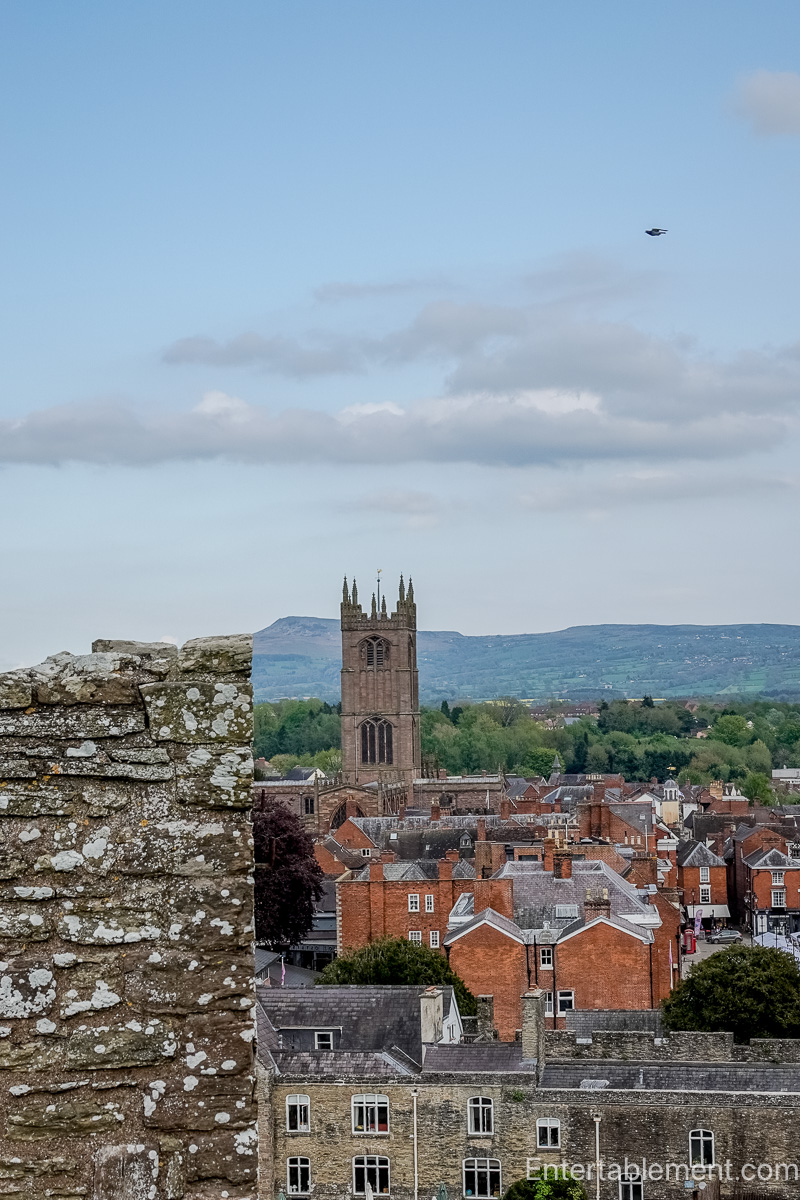
St Laurence’s was a place of worship, certainly, but it was also woven into the town’s social and charitable life. Religious observance, education, benefaction and the commemoration of the dead brought people together in ways that commerce alone could not. Its extraordinary carved misericords and stained glass remind us that beauty mattered, too. People were willing to devote considerable resources to creating something that would outlast them.

The church and castle dominate Ludlow’s skyline, but the town between them tells an equally important story. Authority might be exercised from the castle, and religious life centred on the church, while everyday cooperation took place in markets, inns, workshops and meeting rooms.
The Result of Human Action
In 1767, the Scottish philosopher Adam Ferguson published An Essay on the History of Civil Society. He observed that nations often arrived at institutions that were “the result of human action, but not the execution of any human design.”
Ludlow is a splendid illustration.
The castle was deliberately built. Markets were authorized, charters granted and churches constructed. The people responsible knew what they wanted to achieve, at least in the immediate sense. What they could not foresee was how their separate undertakings would interact over centuries.
A market attracted traders, who needed accommodation and reliable rules. Prosperity supported the church and charitable institutions. Roads brought visitors and goods. As occupations multiplied, people established associations to protect their interests or pursue common purposes. Each development created possibilities—and sometimes problems—that encouraged further changes.

Ferguson wasn’t suggesting that institutions appeared by magic, or that nobody ever planned anything. His insight concerned the larger pattern that emerged from countless individual decisions. The town became more than anyone had set out to build.
Nor was this process uniformly beneficial. Market privileges could restrict competition, guilds could exclude outsiders, and political or religious authority could be coercive. The institutions of a town reflected the interests and prejudices of its inhabitants as well as their ingenuity. They were human creations, with all the complications that implies.
A Town That Keeps Changing
One of the pleasures of Ludlow is seeing how readily old buildings have accommodated new purposes. Medieval streets contain modern shops, former commercial premises survive in altered form, and the market continues to draw people into the centre of town.
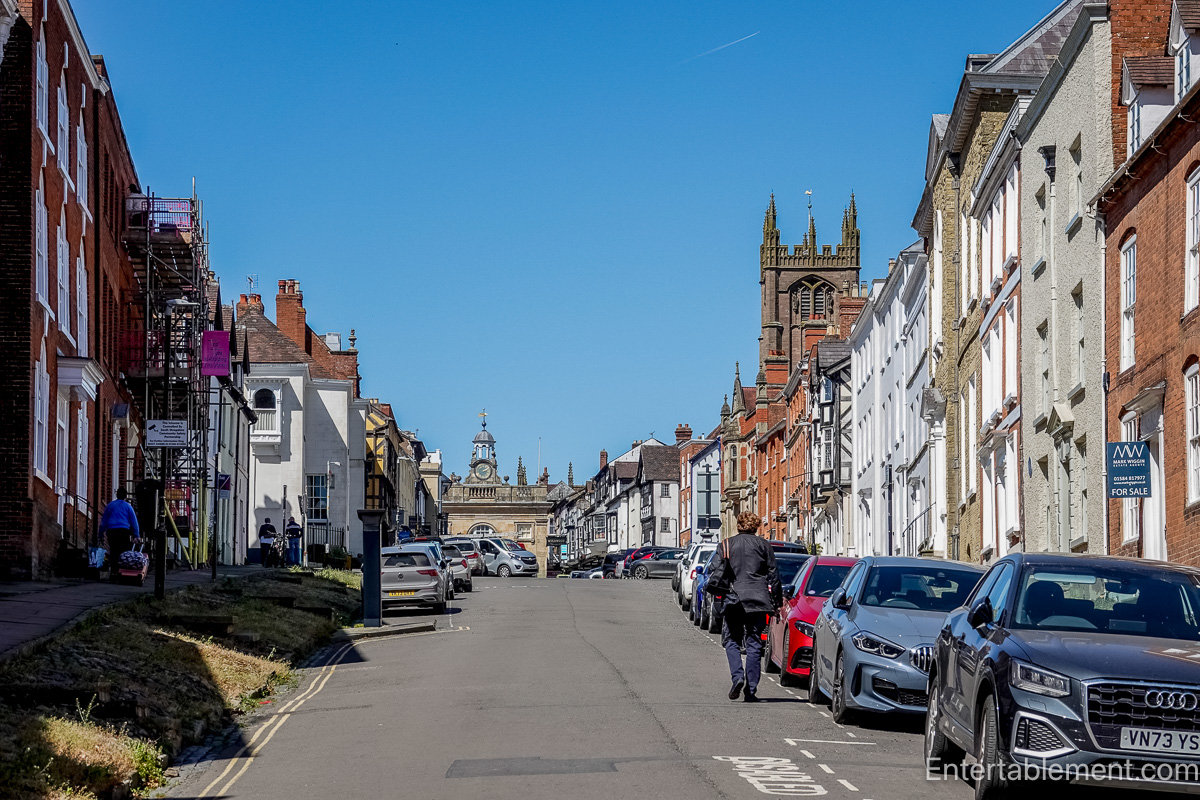
Preservation has become another chapter in the story. The Ludlow Civic Society’s plaques explain the history of buildings that might otherwise go unnoticed. The Tolsey, threatened with demolition, was restored in the 1960s through cooperation between its owner and several public and heritage bodies. A building originally associated with collecting tolls survived because later generations valued its place in the town’s history.

The people who built Ludlow’s earliest institutions were concerned with the needs of their own time. They could hardly have imagined tourists admiring their handiwork centuries later, or civic organizations devoted to explaining and preserving it. Yet those modern activities have become part of the town’s continuing life.
We usually think of infrastructure in physical terms: roads, bridges, canals, water supplies and power lines. These systems are essential, but they are only part of what enables people to live together. Courts, markets, schools, churches, charities and civic associations provide another kind of framework, one built around expectations, responsibilities and shared purposes.
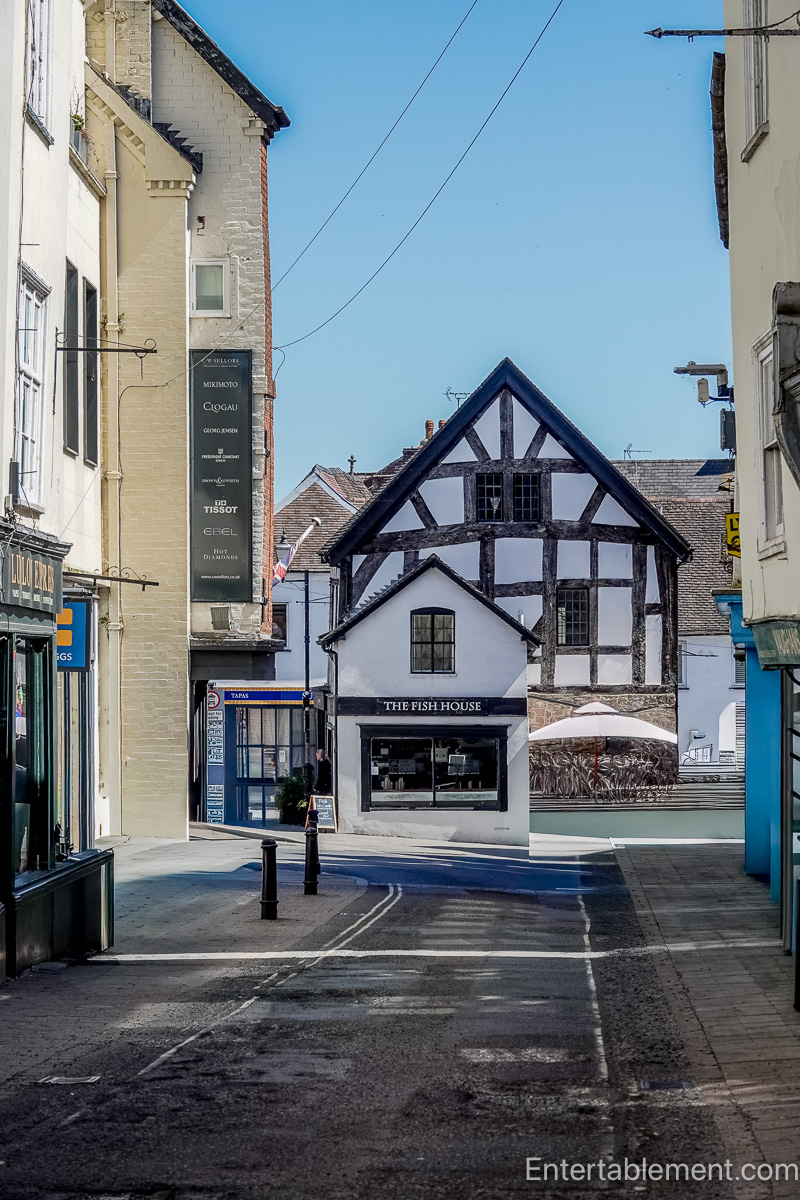
Ludlow makes that framework visible. Its streets contain the accumulated solutions to problems faced by generations of inhabitants: how to trade fairly, settle disagreements, accommodate strangers, worship, learn, organize and preserve what matters.

No one designed the whole arrangement. And nobody ever finished it.

A town is not simply something people build. It is something they keep making.