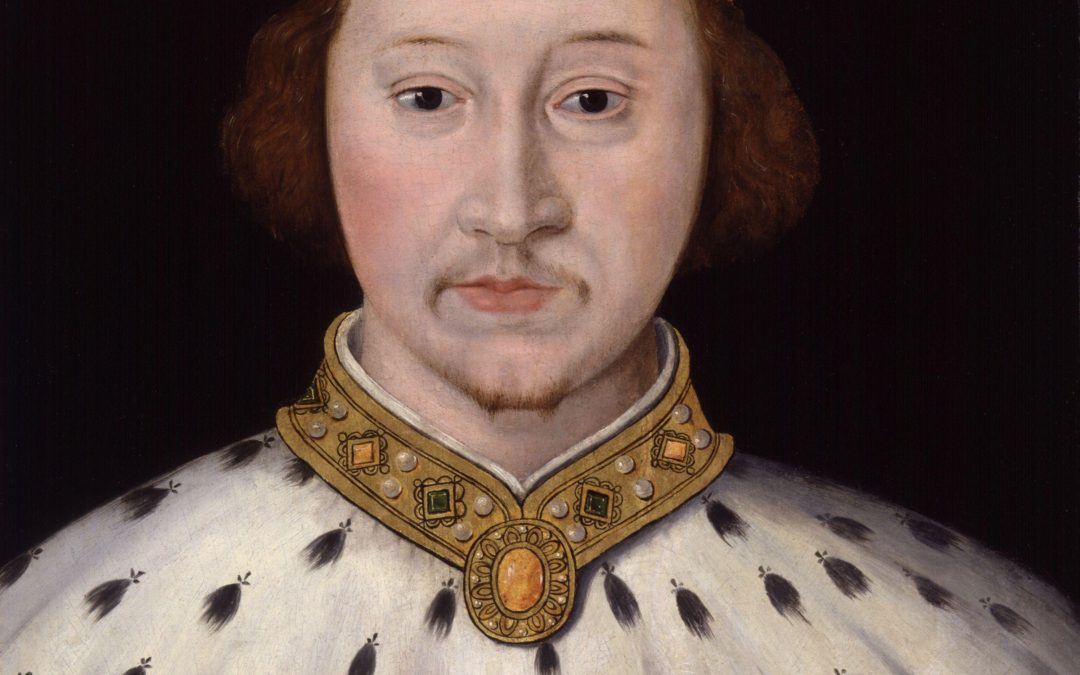
History remembers Richard II in two very different ways.
One is the brave fourteen-year-old king who rode out to confront the rebels during the Peasants’ Revolt of 1381 and helped prevent a kingdom from descending into chaos. The other is the deposed monarch whose insistence on royal authority cost him his throne. Both are true.
Richard’s reign sits at a pivotal moment in English history. The great victories of Edward III were fading into memory. The Black Death had transformed society. Labour shortages, rising expectations, political tensions, and the growing importance of Parliament were reshaping the relationship between rulers and the ruled.
The old assumptions no longer worked quite as they once had.
The Peasant’s Revolt
Richard inherited this changing world at the age of ten when his grandfather Edward III died in 1377. Although he wore the crown, government initially rested in the hands of councillors, nobles, and experienced administrators. Like many child rulers, he inherited authority before he had the opportunity to understand how fragile authority could be.
That lesson arrived abruptly in 1381. The Peasants’ Revolt began as opposition to taxation but quickly became something larger. Rebels from Kent and Essex marched on London. Royal officials were attacked. Government authority appeared to be collapsing.
At the centre of the crisis stood a boy king.
Richard’s decision to meet the rebels remains one of the most remarkable moments of medieval kingship. While others hesitated, he rode out to negotiate. When the rebel leader Wat Tyler was killed during a tense confrontation at Smithfield, Richard reportedly stepped forward and declared: “I am your captain.”
Whether every detail unfolded exactly as chroniclers later claimed is impossible to know. What is clear is that Richard displayed courage and composure at a moment when both were desperately needed.
Ruling in a Changed World
For a brief time, it seemed England had found a king equal to the challenges of his age. Yet the years that followed revealed a growing tension between Richard’s understanding of monarchy and the political realities of late medieval England.
Richard was intelligent, cultured, and deeply conscious of royal dignity. He patronised the arts, cultivated elaborate court ceremony, and developed an exalted view of kingship. Increasingly, he came to see the monarch not merely as the first among England’s rulers, but as a figure whose authority carried a sacred quality.
The difficulty was that England had changed. The political nation expected consultation. Taxation required consent and powerful nobles expected influence. Parliament had become an increasingly important part of government—authority was no longer simply exercised; it was negotiated. And Richard found this frustrating.
His reign became marked by clashes with leading nobles, including the group later known as the Lords Appellant. Although he eventually regained control, the experience appears to have reinforced his suspicion of opposition. Criticism increasingly looked like disloyalty. Resistance began to resemble treason.
The Perils of Concentrated Power
As the years passed, Richard concentrated power in his own hands. Opponents were punished and lands were confiscated. Exiles multiplied. The king’s confidence in his own authority grew just as confidence in his judgment began to decline.
The decisive moment came in 1399. When Henry Bolingbroke, son of John of Gaunt, returned from exile to reclaim his inheritance, many expected a limited dispute. Instead, support for Richard evaporated with startling speed. The king who had once saved his throne at Smithfield found himself abandoned by many of those whose loyalty he assumed.
Richard was deposed and imprisoned. Within months he was dead. His downfall revealed a truth that would echo throughout English history: Power may be inherited, but authority must be continually earned.
Richard II was neither tyrant nor victim. He was a king whose vision of monarchy increasingly diverged from the political realities of his age. Courageous, intelligent, and deeply committed to the dignity of kingship, he nevertheless struggled to recognize how profoundly England had changed.
His reign exposed a constitutional question that England would revisit again and again in the centuries that followed:
How powerful should a ruler be?
The answer remained unfinished. It still is.