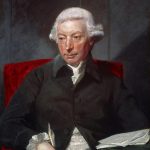

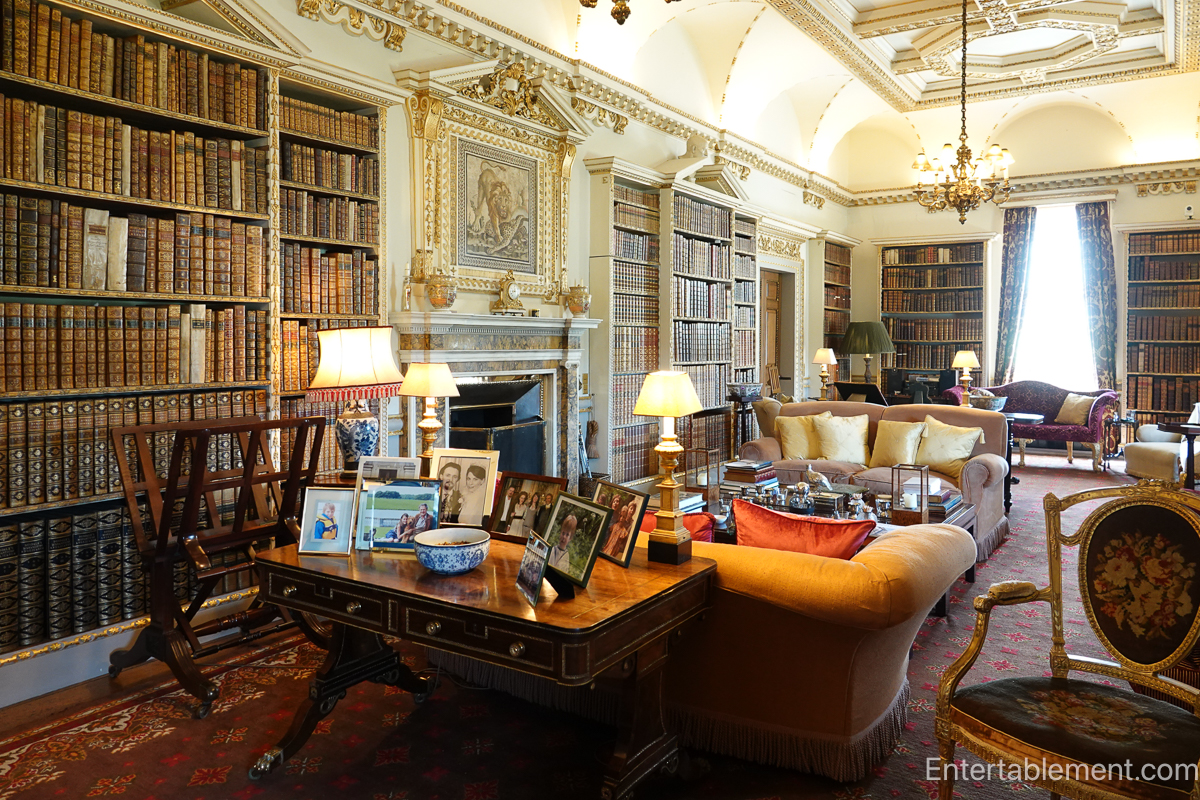
Step into the grand library at Holkham Hall, and you’ll feel the weight of words. Towering shelves, polished wood, centuries of collected thought. It’s a fitting legacy for a man like Sir Edward Coke (1552–1634)—a legal titan whose pen did more damage to royal authority than many swords ever could.
From Norfolk to Notoriety
Born in Norfolk, Coke rose through the ranks with astonishing speed. Educated at Trinity College, Cambridge, and trained at the Inner Temple, he was quickly recognized for his razor-sharp legal intellect and an even sharper tongue. Called to the bar in 1578, he quickly ascended through the ranks of Elizabethan law, known for his eloquence and grasp of precedent. He served as Speaker of the House of Commons, As Attorney General under both Elizabeth I and James I, he prosecuted major trials—including that of Guy Fawkes—yet his legacy lies not in whom he prosecuted, but in what he protected.
Yet Coke is best remembered not for his titles, but for his principles.
The Crown is Not Above the Law
In a time when the divine right of kings loomed large, Coke stood squarely in defence of common law as a limit on arbitrary power. His most famous confrontation with James I came during debates over royal prerogative, where he argued that even the king must be subject to the law: “The king is under God and the law.”
His stance earned him dismissal, but also lasting admiration. As Chief Justice of the Common Pleas and later the King’s Bench, he issued decisions that would echo through legal history, including the famous Dr. Bonham’s Case, where he asserted the power of the courts to strike down statutes that were “against common right and reason.”
Banished from the bench, Coke did not go quietly. He returned to Parliament, where he became a thorn in the side of royal overreach. He helped draft the 1628 Petition of Right—a forerunner to the constitutional monarchy and a critical precedent for later documents like the U.S. Bill of Rights.
Legacy in Ink and Principle
Coke was a key figure in the creation of habeas corpus as we know it, the cornerstone of legal protections against unlawful detention. He defended parliamentary privilege, judicial independence, and individual rights—not for romantic reasons, but because he believed stability required limits.
His ideas crossed oceans. American revolutionaries later quoted him liberally in their resistance to British rule. Jefferson read Coke. So did Adams. So did Madison.
Holkham’s Silent Witness
At Holkham Hall, built by Coke’s descendant, the 1st Earl of Leicester (yes, the title was revived!), the stately grandeur speaks volumes—but it is the books that whisper Coke’s true legacy. Law as a living force. Authority held to account. Precedent as a promise.
Coke’s Legacy
Coke didn’t invent liberty. But he made sure it had footnotes. Coke was not always easy to like. Though he was a man of formidable intellect, he could be bombastic, stubborn, and ruthless. He had a volcanic temper. But he was also courageous in the face of tyranny. His writings and rulings continue to resonate, serving as a reminder that liberty depends not on good rulers but on enduring law. As one of the most influential jurists in English history, he helped lay the foundation for the rule of law as we understand it today.