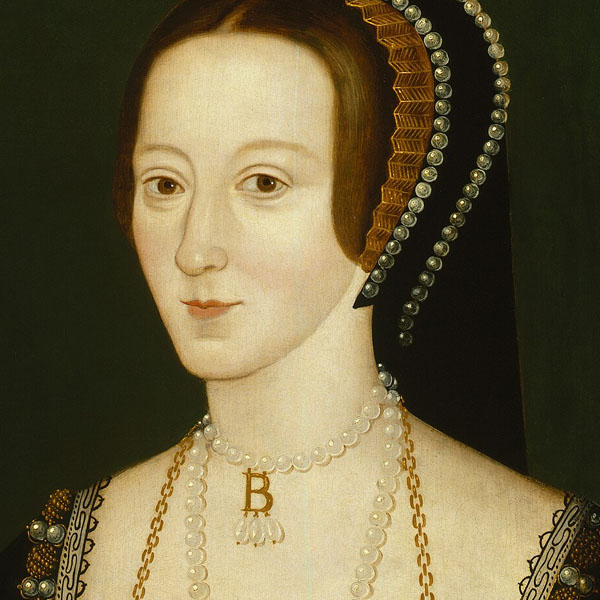
Anne Boleyn: The Rise, Fall, and Legacy of Henry VIII’s Most Controversial Queen
Few historical figures have been as divisive, enigmatic, and consequential as Anne Boleyn. She was not merely the woman for whom Henry VIII broke with Rome but a political strategist, religious reformer, and key architect of the Tudor era. Her meteoric rise and...

Bess of Hardwick — The Woman Who Built an Empire
Few women in Tudor England wielded as much power and influence as Bess of Hardwick. From humble beginnings, she became one of the wealthiest and most formidable figures of her time. Astonishingly, she outlived four husbands, building grand houses and leaving a legacy...
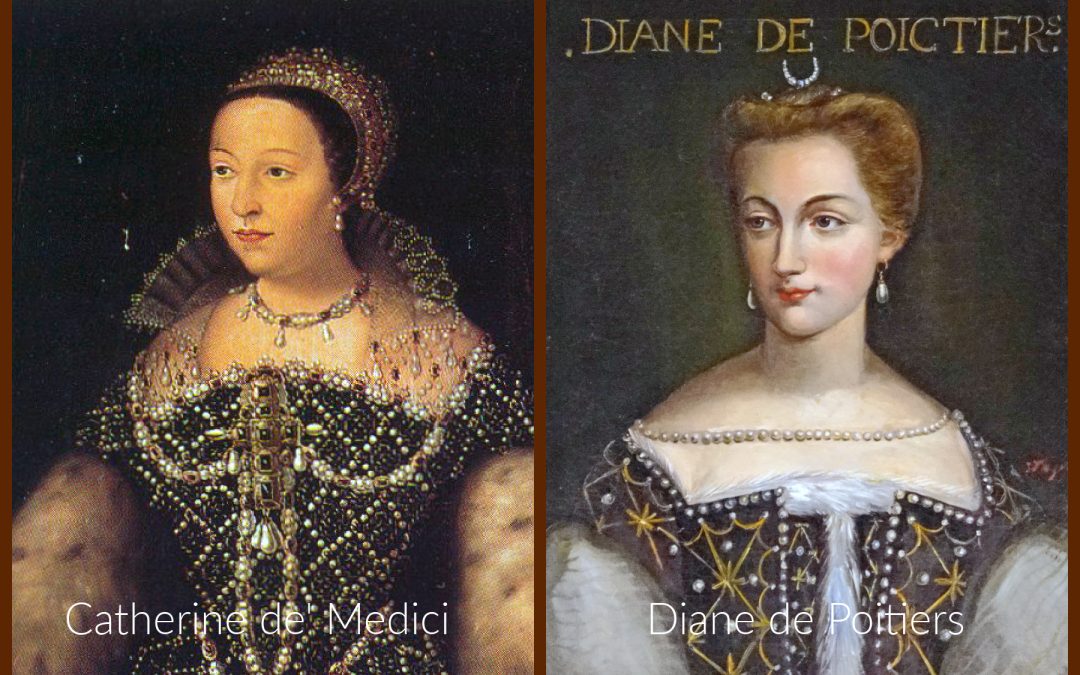
Catherine de Medici & Diane de Poitiers—A Rivalry Written in Stone
Few rivalries in history are as deliciously dramatic—and as deeply embedded in architecture—as that of Catherine de Medici and Diane de Poitiers. These two formidable women left their mark not just on French politics, but quite literally on its châteaux. Catherine de...
Catherine of Aragon — The Queen Who Would Not Yield
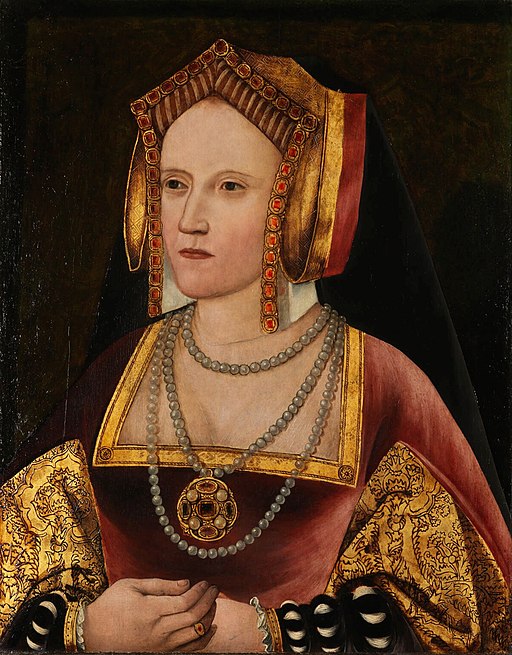
In the north aisle of Peterborough Cathedral lies the tomb of a woman who once sat at the centre of European politics. Visitors often pause there longer than they expect. The inscription records her not as Queen of England but as Katherine, Dowager Princess of...

Edward Coke (1552–1634) — The Relentless Voice of the Common Law
Step into the grand library at Holkham Hall, and you’ll feel the weight of words. Towering shelves, polished wood, centuries of collected thought. It’s a fitting legacy for a man like Sir Edward Coke (1552–1634)—a legal titan whose pen did more damage to royal...

Elizabeth I—The Virgin Queen and Master of Strategy
Few monarchs command the same fascination as Elizabeth I, the daughter of Henry VIII and Anne Boleyn. From 1558 to 1603, her reign was one of the most celebrated in English history—an era of exploration, artistic flourishing, and political triumph. Yet, Elizabeth’s...

Elizabeth of York — The Queen Who United Two Kingdoms
At the eastern end of Westminster Abbey, beyond the high altar and through a screen of delicate stonework, lies Henry VII's Lady Chapel. Near the centre stands the tomb of a king and queen who changed the course of English history. The king was Henry VII, founder of...
Francis Walsingham — The Spymaster Who Protected Elizabethan England
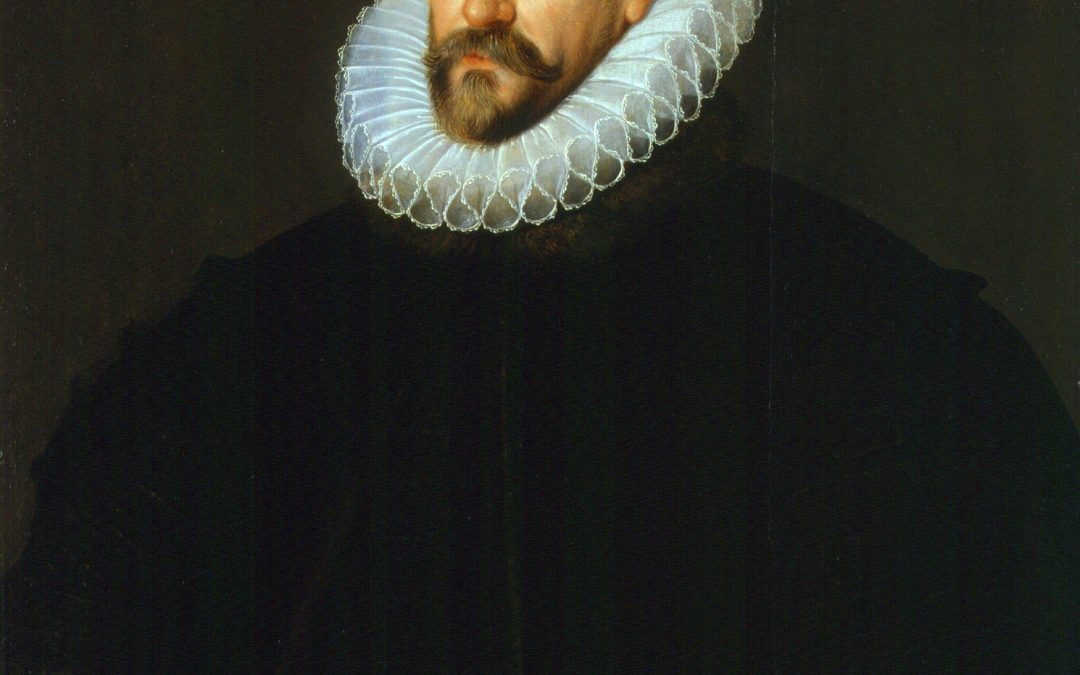
Francis Walsingham wasn't just a statesman—he was the mastermind behind England's first true intelligence network. As Elizabeth I's principal secretary and spymaster, he protected the realm from Catholic plots, foreign threats, and internal conspiracies. His work laid...
Henry VII — The King Who Built Stability
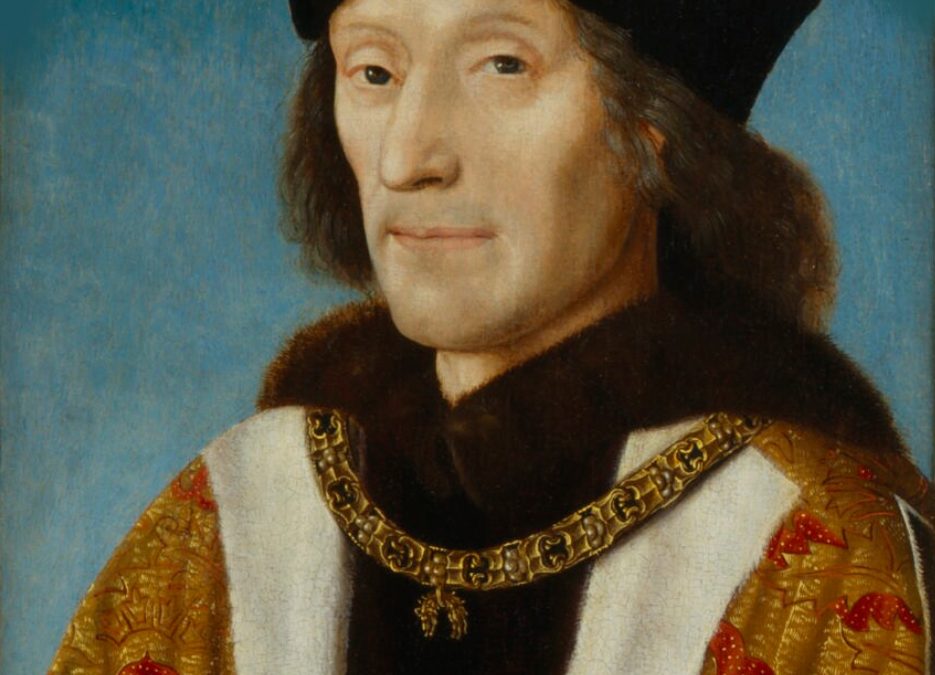
At the far eastern end of Westminster Abbey stands one of the most remarkable buildings in England. The chapel appears almost impossibly delicate. Stone vaults spread across the ceiling like lace, their intricate fan patterns suspended above a space filled with royal...

Henry VIII — The King Who Reshaped England
Travel through England long enough and a single name begins to surface again and again. It appears in the roofless remains of monasteries scattered across the countryside, in royal palaces rebuilt on a scale meant to impress Europe, in the uneasy stories associated...