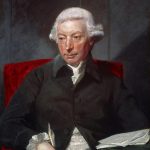

Visitors entering St George’s Chapel, Windsor walk across a floor beneath which generations of English monarchs lie buried. Among them rests one of the most formidable kings of the fifteenth century: Edward IV.

Tall, charismatic, and a gifted battlefield commander, Edward transformed the fortunes of the House of York during the turbulent years of the Wars of the Roses. For more than two decades he held the English throne with a confidence that seemed, for a time, to promise the end of dynastic conflict.
Yet the stability he created proved more fragile than it appeared. Edward’s sudden death in 1483 set in motion a chain of events that would ultimately bring down his dynasty and open the path for the Tudors.
The Rise of a Yorkist King
Edward was born in 1442, the eldest son of Richard, Duke of York and Cecily Neville. At the time England was ruled by the gentle but politically fragile Henry VI, whose inability to control rival factions of the nobility had pushed the country toward civil conflict.
When Edward’s father was killed in battle in 1460, the young Yorkist heir inherited not only his father’s claim to the throne but also the responsibility of leading his faction in a widening war.
Edward proved astonishingly capable. In a series of decisive victories — most notably at Towton in 1461 — he crushed the Lancastrian army and secured the crown. At just nineteen years old he became king.
England now had a Yorkist monarch.

Windsor Castle
The Kingmaker’s Protégé
Edward’s rise owed much to the support of one of the most powerful men in England: Richard Neville, 16th Earl of Warwick.
Warwick was a formidable political operator whose influence stretched across much of the kingdom. His support helped secure Edward’s throne, and for several years the two men worked together to stabilize Yorkist rule.
But the partnership eventually fractured over a decision that revealed Edward’s independence.
The Marriage That Changed Everything
In 1464 Edward secretly married Elizabeth Woodville, a widowed noblewoman whose family lacked the political prestige Warwick had hoped for in a royal alliance.
The marriage stunned the political establishment.
Warwick had been negotiating a diplomatic marriage that might strengthen England’s position in Europe. Instead he discovered that the king had already chosen a bride for himself.
The decision reshaped court politics. The Woodville family rose rapidly in influence, while Warwick found his own authority diminishing. Within a few years the former allies had become enemies.
Exile and Return
Warwick eventually rebelled against the king he had helped place on the throne. In a remarkable twist of fortune, the Kingmaker briefly restored the deposed Henry VI to power in 1470.
Edward fled to the continent. Yet the exile proved short-lived. Within months Edward returned to England, gathered support, and defeated Warwick’s forces in a series of battles. Warwick himself was killed at the Battle of Barnet, ending the career of the Kingmaker.
Edward regained the throne and ruled for another twelve years.
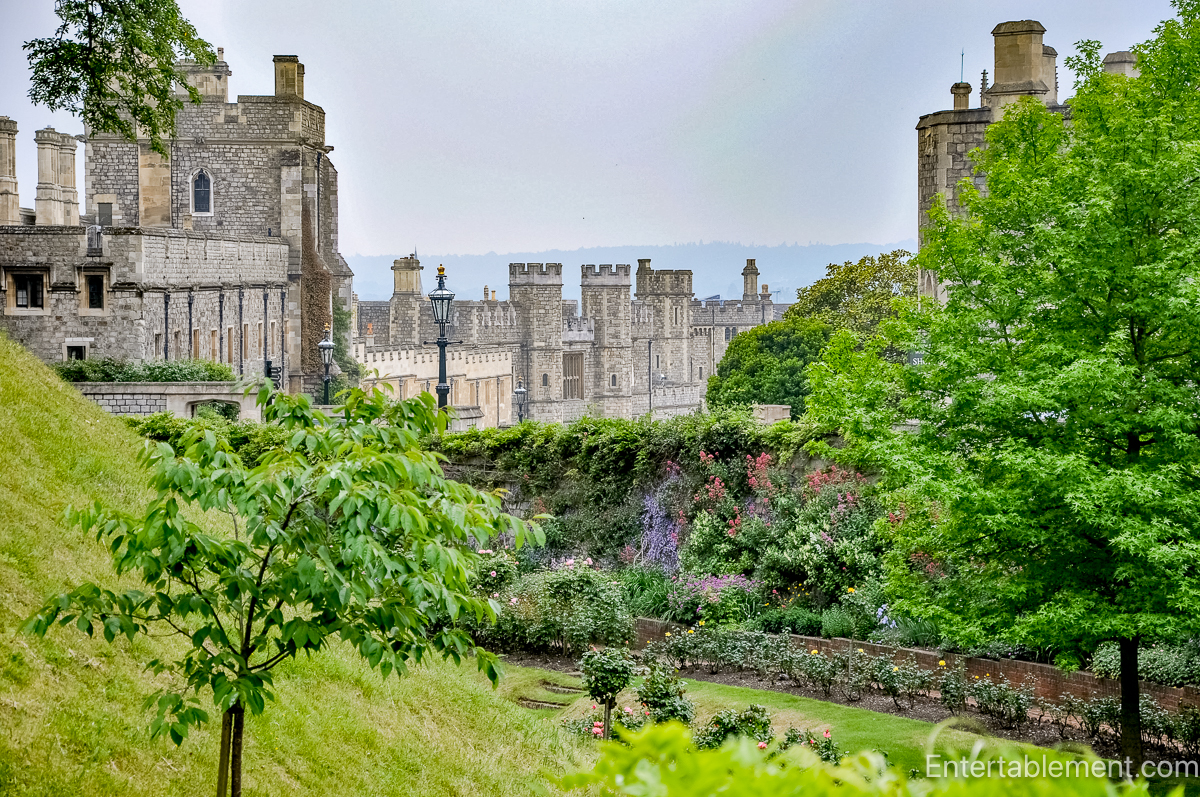
Windsor Castle
A Successful Reign
Edward IV’s second reign brought a degree of stability that England had not experienced for decades. He strengthened royal finances, restored order after years of civil war, and presided over a court known for its magnificence.
Contemporaries often remarked on his physical presence. Edward was unusually tall for the period — reportedly over six feet — and possessed the confidence and charisma that helped secure loyalty among his supporters.
For many observers it seemed the worst of the Wars of the Roses had passed.
The Fragile Peace
Yet the peace Edward created rested heavily on his personal authority.
When the king died suddenly in 1483 at the age of forty, the crown passed to his twelve-year-old son Edward V. The boy never ruled.
Within months his uncle Richard III claimed the throne, the young princes disappeared into the Tower of London, and England once again descended into uncertainty.
Two years later Richard himself would fall at the Battle of Bosworth Field, bringing the Yorkist era to an end.
A Legacy in Windsor
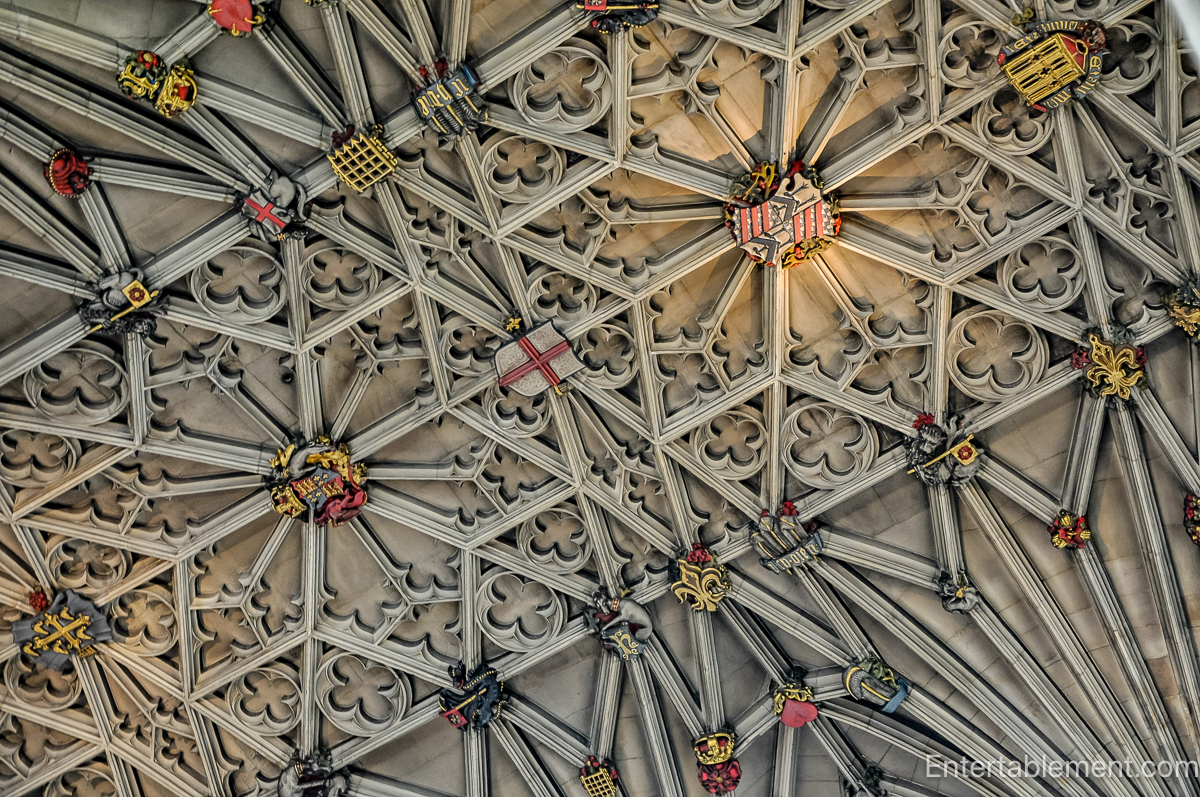
Edward IV’s tomb lies within St George’s Chapel at Windsor, the magnificent Perpendicular Gothic building whose reconstruction he began during his reign.
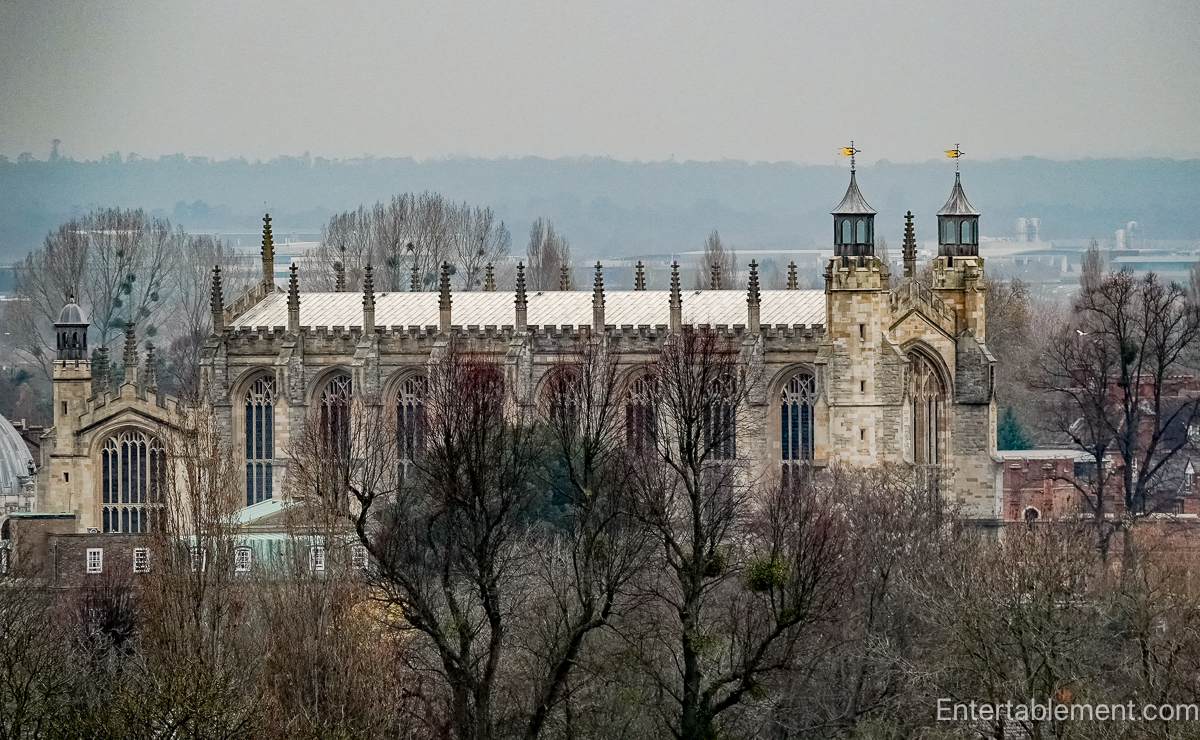
The chapel later became the burial place of many English monarchs, including Henry VIII and Elizabeth II.
Standing inside the chapel today, it is easy to overlook how decisive Edward’s role once seemed. For more than twenty years he appeared to have resolved the dynastic struggle that had torn England apart.
Yet history turned on what happened after his death.
Edward IV had won the crown in battle and ruled with confidence. But the stability he created did not outlive him, and the Wars of the Roses would reach their final act only two years after his brother seized the throne.