
Britain
Britain wears its history unusually close to the surface.
Castles became houses, monasteries became ruins, medieval streets grew into modern towns, and gardens and great estates changed with the generations that inherited them.
Across the country, buildings and landscapes preserve evidence of how people lived, worshipped, governed, worked and adapted.
Explore Britain through the places where those stories can still be seen.
Castles & Stately Homes
Power, ambition, comfort and taste, written in stone.
From medieval strongholds to great country houses, these places reveal how Britain’s rulers, landowners and families lived—and how their homes adapted as the world around them changed.
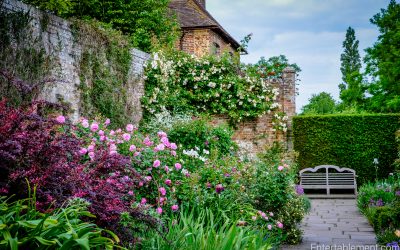
Sissinghurst Castle
It has been a lifelong ambition of mine to see the great gardens of England, and Sissinghurst Castle was top of the list. The home of Vita Sackville-West and her husband, Harold Nicolson, together they created one of England's most beautiful and famous gardens. ...
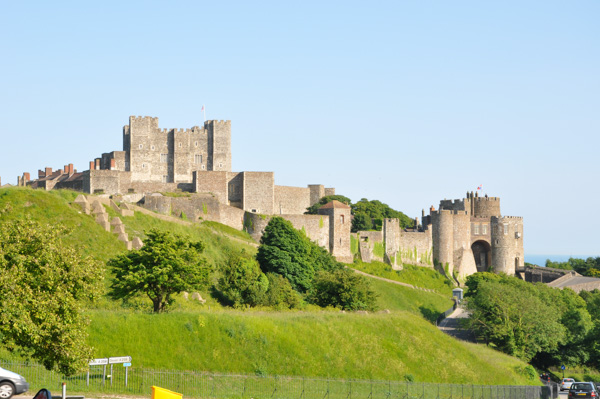
Dover Castle
We are now settled in the Priest’s Cottage at Sissinghurst, our base in Kent for the next week. There is so much to see in this part of England! Dover Castle and the White Cliffs are in our sites today.
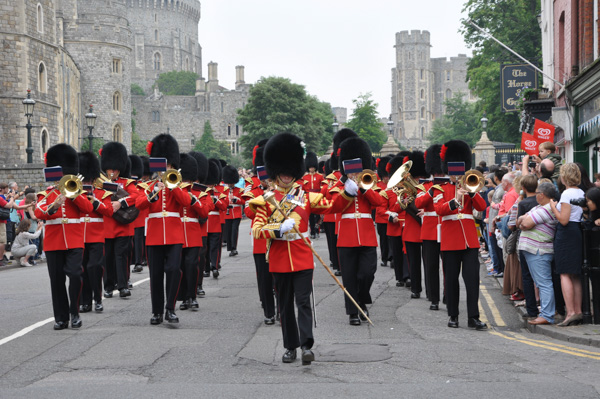
Windsor Castle
Whenever we set out to visit England, our friends joke about us visiting the Queen. Well, this time we did see the Queen. She drove within 10 feet of us on her way to Ascot, the day her filly Estimate won the Gold Cup.
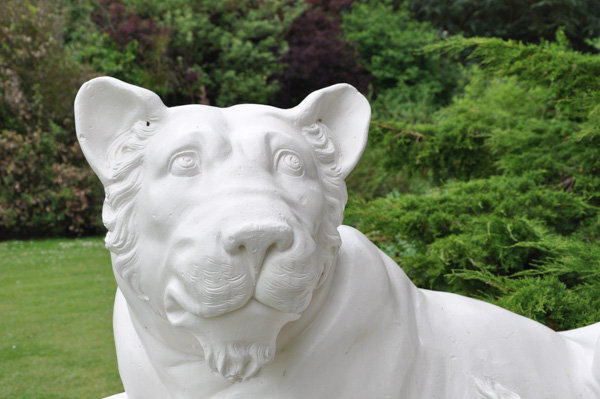
West Wycombe Park
West Wycombe is a country house built during the Regency period by Sir Francis Dashwood, 2nd Baronet. Sir Francis appears to have been a bit of a lad, as the saying goes. Described as a “libertine and dilettante”, he established the notorious Hellfire Club near the mansions in the West Wycombe Caves before embarking on the Grand Tour typical of young men of the era.

Castle Howard
The next day we made our way over to Castle Howard. Built in large part between 1699 and 1721 for the third Earl of Carlisle, it has been in the Howard family for over 300 years. Not a castle, per se, it was Sir John Van Brugh’s first foray into architecture (?!), for which he was not formally trained.
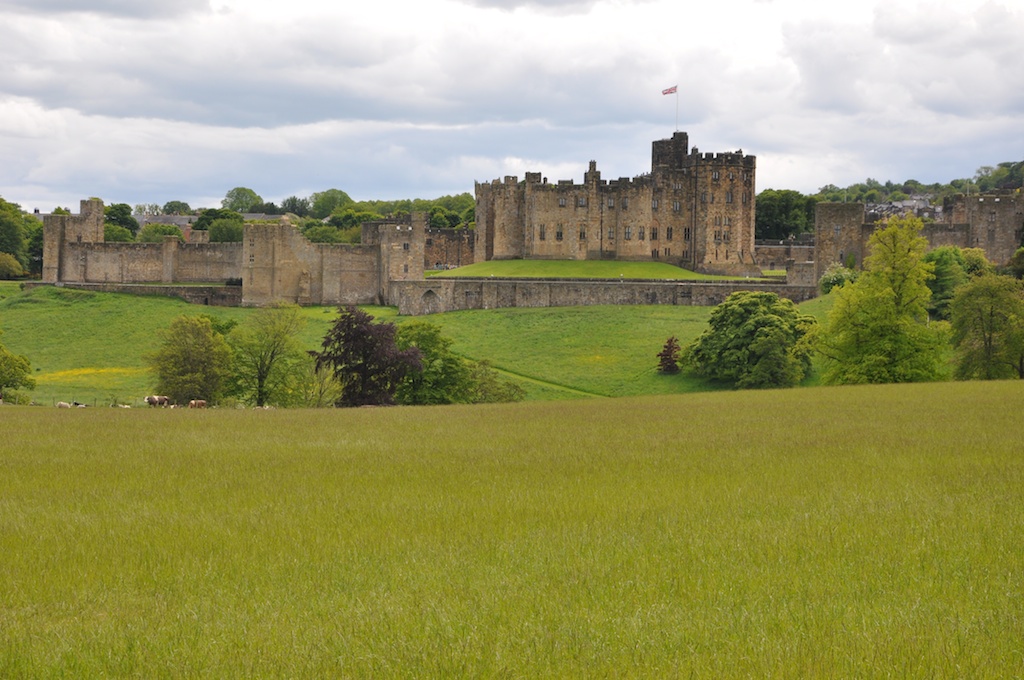
Alnwick Castle, Northumberland
Many of us will recognize Alnwick as “Hogwarts” from the Harry Potter films, particularly the courtyard where the broom flying scenes were filmed. The second-largest inhabited castle in England after Windsor Castle, Alnwick is the embodiment of what a castle should look like!

Bamburgh Castle, Northumberland
We’re back in the UK for another “slice” of England, starting this visit up in Northumberland. We flew overnight into Heathrow, picked up the rental car and headed straight north. After checking into our hotel, Eshott Hall, our first stop was Bamburgh Castle. My maiden name is Bambrough, and I’ve long wished to visit what the family has always jokingly referred to as the Family Castle. I was regretful to find that a Bambrough has not inhabited the castle since 1075 when those pesky Normans wrested it from the Earl of Bamburgh.

Petworth House & Park
Petworth House in West Sussex, England. is a late 17th century mansion on a site previously occupied by a fortified manor house. The original estate was a royal gift from the widow of Henry I to her brother Jocelin de Louvain, who soon after married into the Percy family of northern England. Petworth was originally intended for occasional use, however it became a permanent home to the Percys in the late 1500’s after Elizabeth I grew suspicious of their allegiance to Mary, Queen of Scots and confined the family to the south.
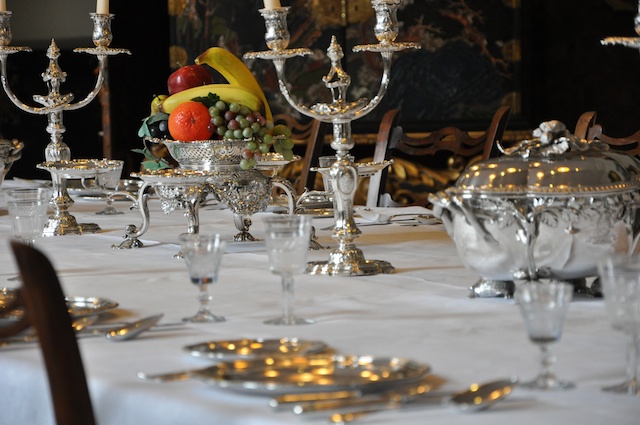
Berkeley Castle
Berkeley Castle has been in Berkeley family hands for over 850 years, and is most famous for being the site of the murder of Edward II.
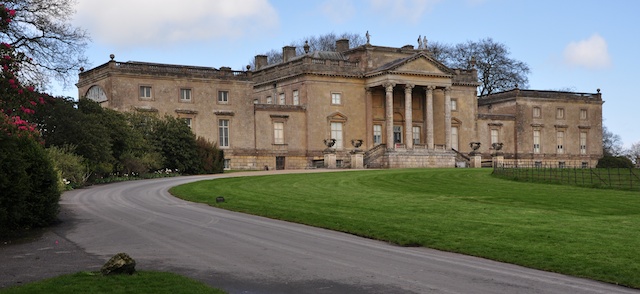
Stourhead, Wiltshire
We are settled in Bath now for about a week, and have begun visiting some of the splendid country house estates with which England is so richly endowed. Famous for its breathtaking gardens, Stourhead was our first destination.

St. Michael’s Mount, Cornwall, England
We spent yesterday travelling down to Cornwall, to see St. Michael’s Mount, an island off the coast near Penzance. The castle on the island has been the home of the St. Aubyn family since the 17th century. The family donated the property to the National Trust in 1954.
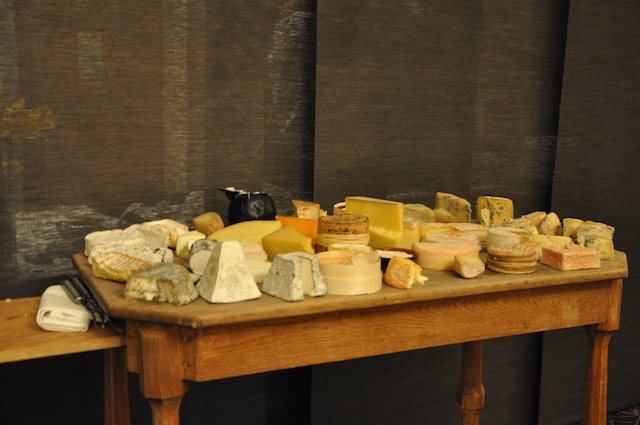
Bovey Castle, Dartmoor National Park
We spent a wonderful few days at Bovey Castle in Dartmoor National Park. By English standards, the hotel has a very short history – built in the early 20th century by the WH Smith family. It is in a spectacular location, set amid a world-class golf course in rolling countryside.
Abbeys, Monasteries & Churches
For centuries, religious houses stood at the heart of British life.
Their surviving buildings and ruins tell stories of worship, learning, wealth, community, upheaval and adaptation—from medieval foundations through Reformation and beyond.
No Results Found
The page you requested could not be found. Try refining your search, or use the navigation above to locate the post.
The Cathedral Project
Britain’s cathedrals are history in layers.
Norman arches, Gothic vaults, chantry chapels, shattered shrines and Victorian restorations preserve centuries of changing belief, architecture and ambition. Explore them through stories, a timeline, map and architectural tapestry.

St Paul’s Cathedral
In 313 AD, Roman Emperor Constantine issued the Edict of Milan, accepting Christianity, and ten years later, it became the Roman Empire's official religion. A short time later, Londinium, or London as we know it today, had its first Cathedral, over which Bishop...

Truro Cathedral
The Diocese of Truro was one of the Victorian creations, established in December 1876 when the See of Exeter was divided into two. Truro Cathedral, or the Cathedral of the Blessed Virgin Mary, bears a striking resemblance to Lincoln Cathedral, though it is several...
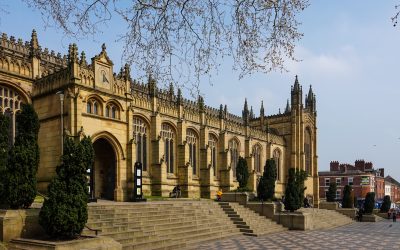
Wakefield Cathedral
It was a real pleasure to visit Wakefield's Cathedral, though I wish I could have seen it before it was surrounded by post-war construction. Back in the day, the then All Saints Parish Church overlooked the centre of a market town, surrounded by bucolic countryside....

Wells Cathedral
Wells Cathedral has proven to be our favourite of all the cathedrals we have visited. The nearby springs, or wells, (hence the name) have been the site of worship since Roman times. The current cathedral was begun about 1175 on a new site to the north of the old minster church, built around 700 AD. Wells was the first English cathedral to be built entirely in the new Gothic style, brought from France by Bishop Reginald de Bohun.
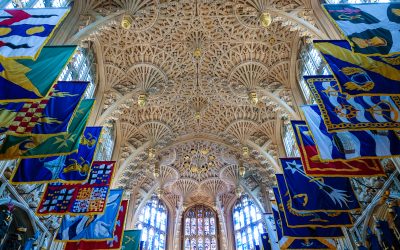
Westminster Abbey
Until very recently, photographs were not permitted inside Westminster Abbey; I surmised that the late Queen took a dim view of people taking selfies draped over the myriad tombs and monuments. But something clearly changed because people clicked away with impunity...
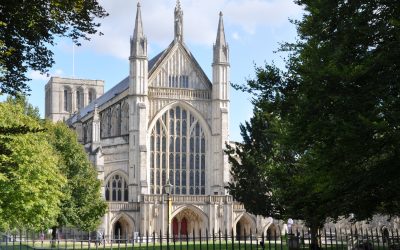
Winchester Cathedral
Before Westminster Abbey, Winchester was the big noise for coronations and royal burials— the capital of Saxon England and the seat of power. By the time William the Conqueror arrived in 1066, its church was the burial site for 17 kings. Winchester had churches as...

Worcester Cathedral
Worcester Cathedral, more formally known as The Cathedral Church of Christ and the Blessed Mary the Virgin of Worcester, has a very warm and engaging feel to it, possibly because it's a hodgepodge of every type of English architecture from Norman to Perpendicular...
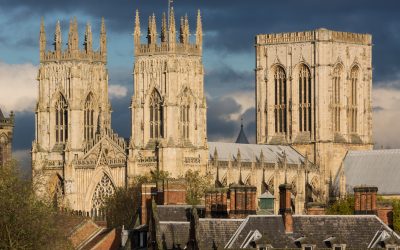
York Minster
While York Minster is architecturally stunning, it has also always been politically noteworthy. In 1042, its Archbishop Eldread Edward the Confessor was succeeded by Harold Godwinson in 1066. Later that same year, Eldread was called to Westminster Abbey to crown...

England in the Autumn
The long-awaited, oft-rescheduled trip to England was a heady mix of emotions: apprehension as to how difficult it might be to navigate changing requirements, elation at the freedom of travelling again, disappointment and frustration with the National Trust, amusement...
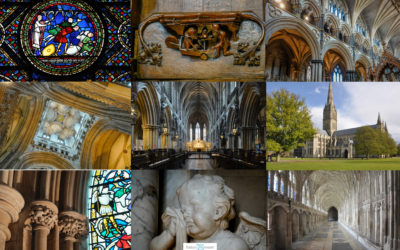
What’s With the English Cathedrals?
Friends and followers of Entertablement have asked me about my fascination with English cathedrals. It's an odd focus, I readily concede, and until very recently, I struggled to articulate a satisfactory answer. Upon reading the marvellous book, England's Cathedrals...

Royal Doulton Cathedral Plates, signed by John Hugh Plant
For my birthday this year I was very touched to receive an extremely thoughtful gift of six cabinet plates featuring great Cathedrals of England from my husband. The plates are by Royal Doulton, hand signed by JH Plant, c. 1902 – 1920. John Hugh Plant was a renowned landscape artist who spent many years with Coalport and Wedgwood before joining Royal Doulton in 1902.
Gardens
Gardens are never merely decorative.
They reflect changing ideas about beauty, nature, status and leisure—from formal geometry and sweeping landscapes to Arts and Crafts borders and the intensely personal gardens of individual owners.
No Results Found
The page you requested could not be found. Try refining your search, or use the navigation above to locate the post.
Towns & Cities
Streets have long memories.
Market squares, city walls, Georgian terraces, industrial quarters and medieval lanes reveal how communities grew, prospered, struggled and reinvented themselves over centuries.
No Results Found
The page you requested could not be found. Try refining your search, or use the navigation above to locate the post.
Unique Places to Stay
Sometimes the best way to understand a historic place is to live in it for a while.
From gatehouses and converted follies to houses embedded in historic estates, these are places where the past becomes, temporarily, home.
No Results Found
The page you requested could not be found. Try refining your search, or use the navigation above to locate the post.