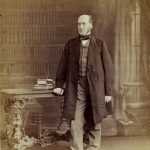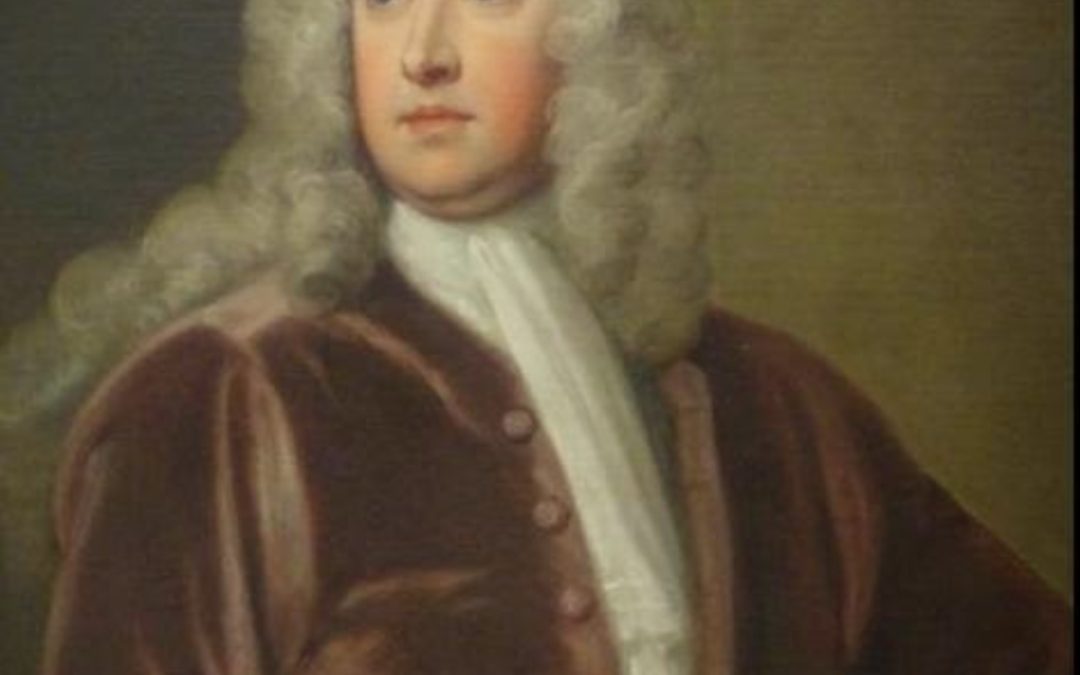
Born in 1668 into a Warwickshire gentry family, Thomas Archer belonged to the generation that reshaped England after the Restoration. Christopher Wren was rebuilding London. Vanbrugh and Hawksmoor were redefining aristocratic grandeur. Architecture itself had become a statement about confidence, stability and civilization after the upheavals of civil war and Cromwell.
Yet Archer never quite fitted alongside his more famous contemporaries. Wren feels fundamentally intellectual — balanced, rational and quietly authoritative. Vanbrugh projects mass and power. Archer, by contrast, seems positively to delight in movement, drama and surprise.
During his travels in Europe, Archer fell heavily under the spell of the Roman Baroque. While English taste gradually drifted toward Palladian restraint and cultivated understatement, Archer embraced the exuberance of continental architecture wholeheartedly.
One sees this immediately at Wrest Park. The Pavilion at the end of the Long Water does not courteously settle into the landscape; it announces itself. As visitors move along the canal, the building slowly resolves in the distance, its dome and sculptural ornament carefully positioned to control perspective and movement.
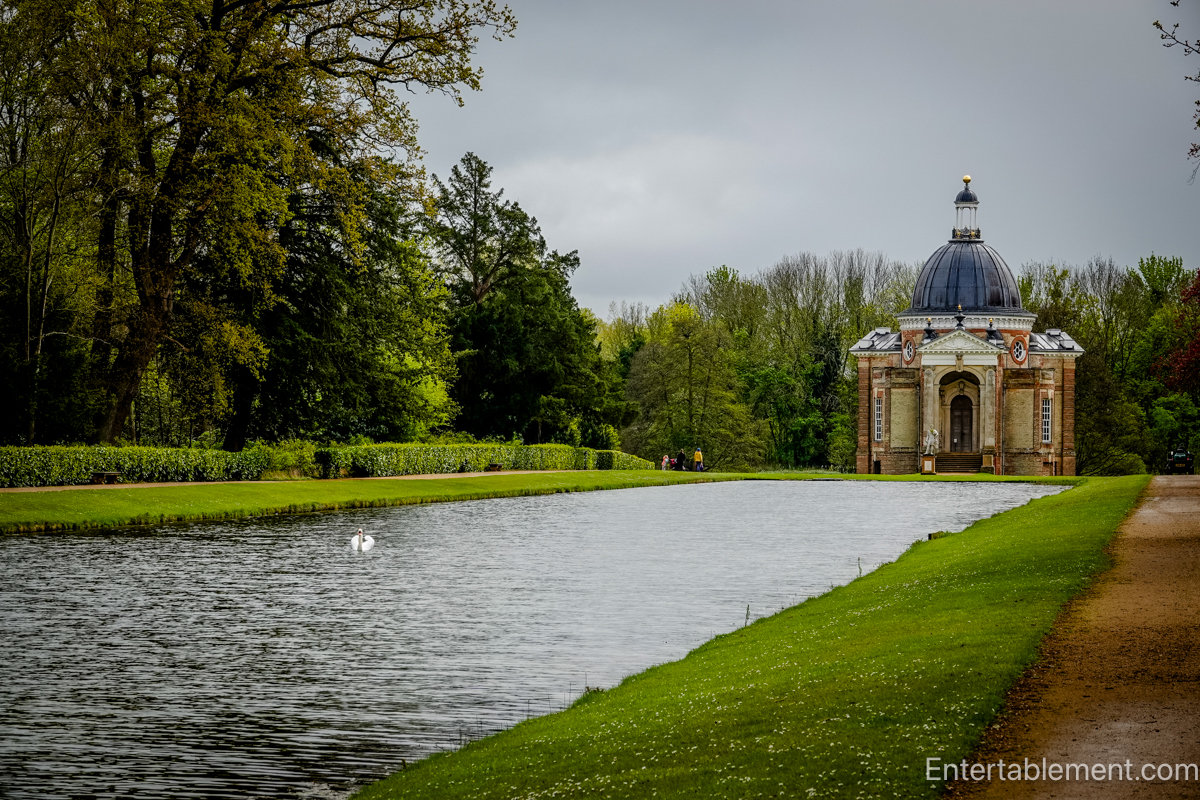
Archer understood that architecture could guide perception itself. That instinct appears throughout Archer’s work. His church of St John’s, Smith Square in London carries the same visual confidence and sense of movement.
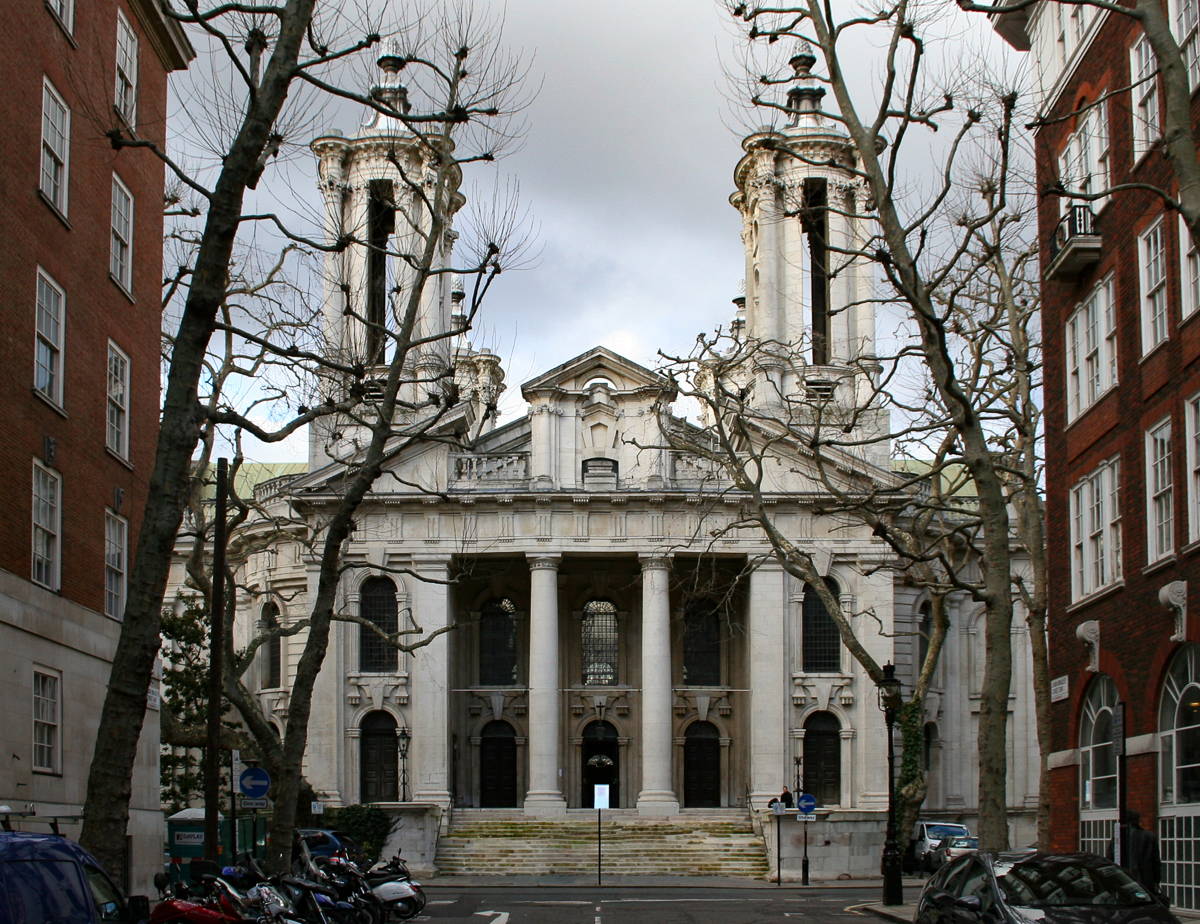
Enough time has now passed that Baroque architectures’ grand ambitions feel less overpowering and more oddly charming. One can admire the artistry while smiling slightly at the sheer confidence of an aristocratic pavilion attempting to channel imperial Rome in rural Bedfordshire.
But perhaps that is precisely why Archer remains so compelling. His buildings preserve a moment when England briefly flirted with a far more exuberantly European architectural identity before settling into the calmer rhythms of Georgian classicism and landscaped naturalism.
At Wrest Park, three centuries later, Archer’s Pavilion still quietly stages its effect.