
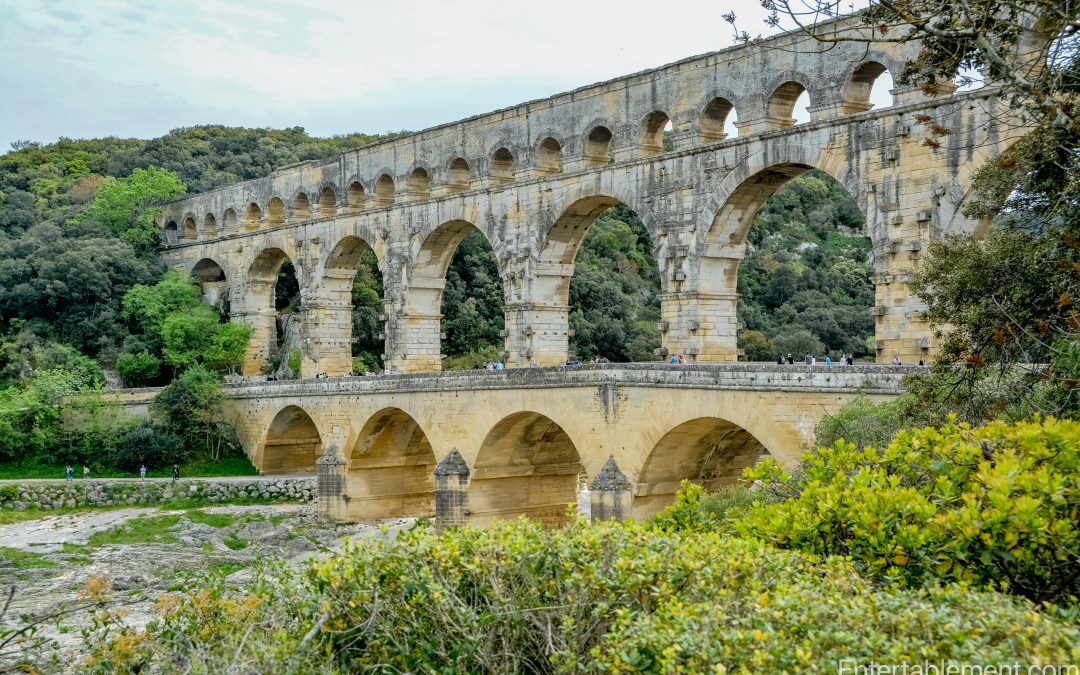
If you’ve ever flushed a toilet, turned on a tap, or bathed in water that didn’t come from a bucket, you’re enjoying the quiet success of one of civilization’s most ambitious engineering projects. Unlike roads or bridges, water systems are designed to disappear. When they work, they are invisible. When they fail, they become unforgettable.
From Roman aqueducts to Victorian sewers, the management of water has determined where cities grow, how dense they become, and whether they remain livable at all.
An Ancient Problem: Too Much, Too Little, Too Dirty
Water has always been both necessity and threat. Early civilizations clustered around rivers not out of romance, but because survival demanded it. In Mesopotamia and Egypt, irrigation turned floodplains into granaries. The Minoans built surprisingly advanced indoor plumbing. The Romans, most famously, elevated water engineering to an imperial art.
Their aqueducts carried clean water across valleys and hills using gravity alone. Their sewers—most notably the Cloaca Maxima—removed waste from dense urban populations. These systems enabled Rome to grow to a size unmatched in Europe for more than a millennium.

When Roman administration collapsed in the fifth century, much of that expertise went with it. Aqueducts fell into disrepair. Cities reverted to wells, rivers, and open drains. Waste and drinking water mixed freely, and disease followed predictable paths.
The medieval city was not ignorant of sanitation—it was constrained by the absence of systems large enough to manage it.
The Long Consequences of Dirty Water
Epidemics were not mysterious events, but infrastructural failures. Cholera, typhoid, and dysentery thrived where waste accumulated and water stagnated. The Black Death, though transmitted differently, spread rapidly through crowded, unsanitary urban environments already weakened by centuries of poor water management.
For hundreds of years, the solution to urban filth was dilution: dump waste into rivers and hope it washes away. As long as populations were small, this almost worked. By the nineteenth century, it catastrophically did not.
Reclaiming the Flow
The modern sanitation revolution arrived not through medical insight, but engineering resolve, and nowhere was this clearer than in London.
By the mid-1800s, the Thames had become an open sewer. Heat intensified the stench. Parliament could barely function during the infamous “Great Stink” of 1858. The response was not perfume or prayer, but pipes.
Joseph Bazalgette designed a vast, integrated sewer network that intercepted waste before it reached the river and carried it downstream. His solution required more than tunnels and pumps—he redirected the river’s edge itself. The result was the Thames Embankment.
The Embankment: Sanitation as Urban Design
The Embankment became a piece of multi-layered infrastructure: sewers below, transport routes above, utilities threaded through, and public space along the river. It narrowed and straightened the Thames, improving flow while hiding the machinery that made the city survivable.
Yes—this did fundamentally alter the riverfront. Buildings that once opened directly onto the Thames found themselves set back behind a new engineered edge. Somerset House, originally designed with a river-facing terrace and water access, lost its immediate frontage as the Embankment reshaped the shoreline. What had been a working river became, increasingly, a managed one.

Inside Somerset House, a ceremonial staircase once led up to the offices of Horatio Nelson at the Admiralty. It was not a river stair, but it belonged to a building whose orientation assumed the Thames was central to power and movement. When the Embankment reshaped the river’s edge, that assumption quietly expired. The staircase remained, but the world it was designed for did not.

This was not an accident. Victorian sanitation traded intimacy with the river for safety from it.
A System That Never Stops
London’s sewers were so well designed that they remain the backbone of the city’s system today—though they have not stood still. As populations grew and rainfall patterns changed, the city quietly expanded and modernized its underground networks, most recently through large-scale overflow tunnels designed to prevent untreated sewage from re-entering the Thames during storms.
This is a reminder worth lingering on: water infrastructure is never finished. It is a living system, constantly renegotiated between climate, population, and engineering limits.
Water as Power, Water as Theatre
Elsewhere, water took on different roles. In Paris, Georges-Eugène Haussmann rebuilt the city with sewers large enough to walk through, pairing sanitation with grandeur. At Versailles and Chatsworth, water became display—fountains and cascades advertising control over nature itself.
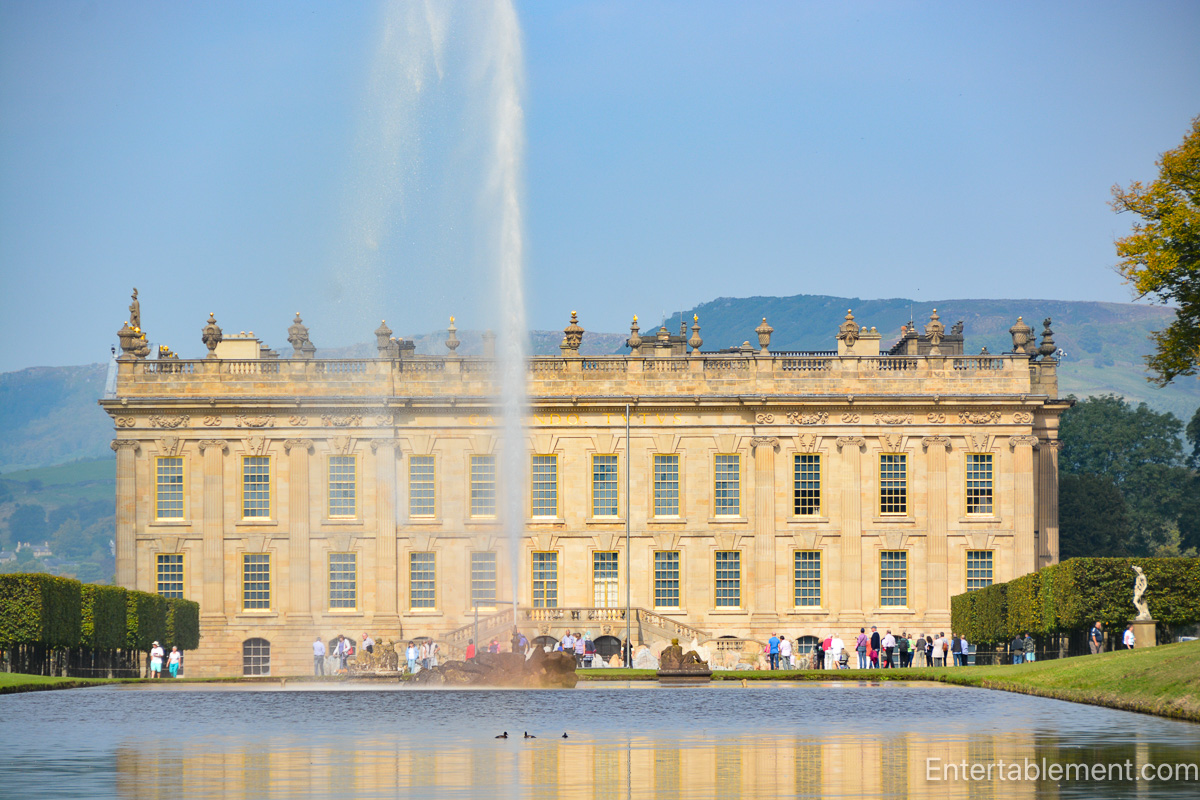
In Bath, Roman engineers still whisper through stone channels.
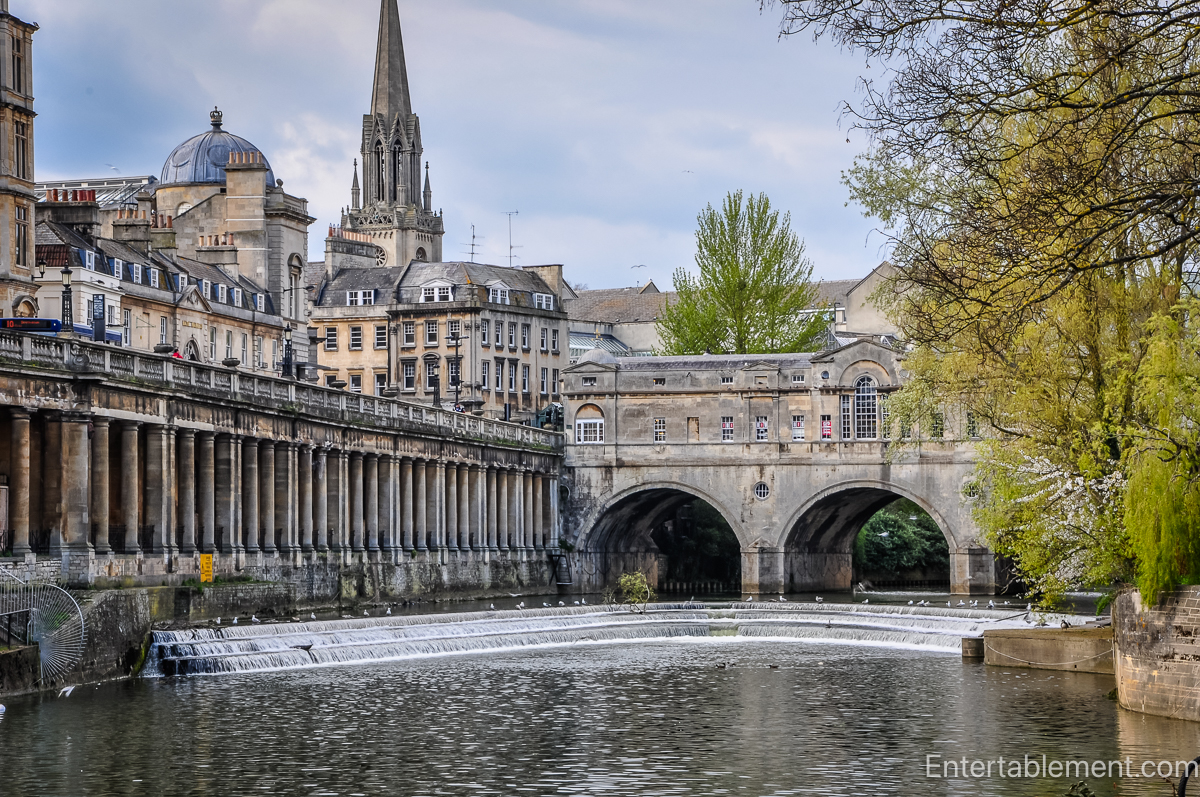
These are reminders that water engineering has always been about more than hygiene. It is about authority, planning, and permanence.
Conclusion: The Invisible City
Clean water and effective waste removal are the quiet preconditions of modern life. They enable density, longevity, and complexity. When they falter, cities unravel with alarming speed.
We notice water systems only when they break—when taps run dry, when floods overwhelm drains, when rivers turn hostile. Yet beneath our streets, an unseen architecture continues its work, hour by hour, gravity-fed and largely uncelebrated.
Civilization does not float above its water systems. It flows through them.
- Previous in the series: Potholes and Progress
- Next in the series: The Water Highways: Canals and the Logistics of The Industrial Revolution







Fascinating! Are there any records of how the Romans accomplished what they did? I’d love to see a blog post on that!
Funny you should ask! Stay tuned, Barb, because your question sent me off to do some more research. I’ll be posting on this soon. 🙂 Have a good weekend.