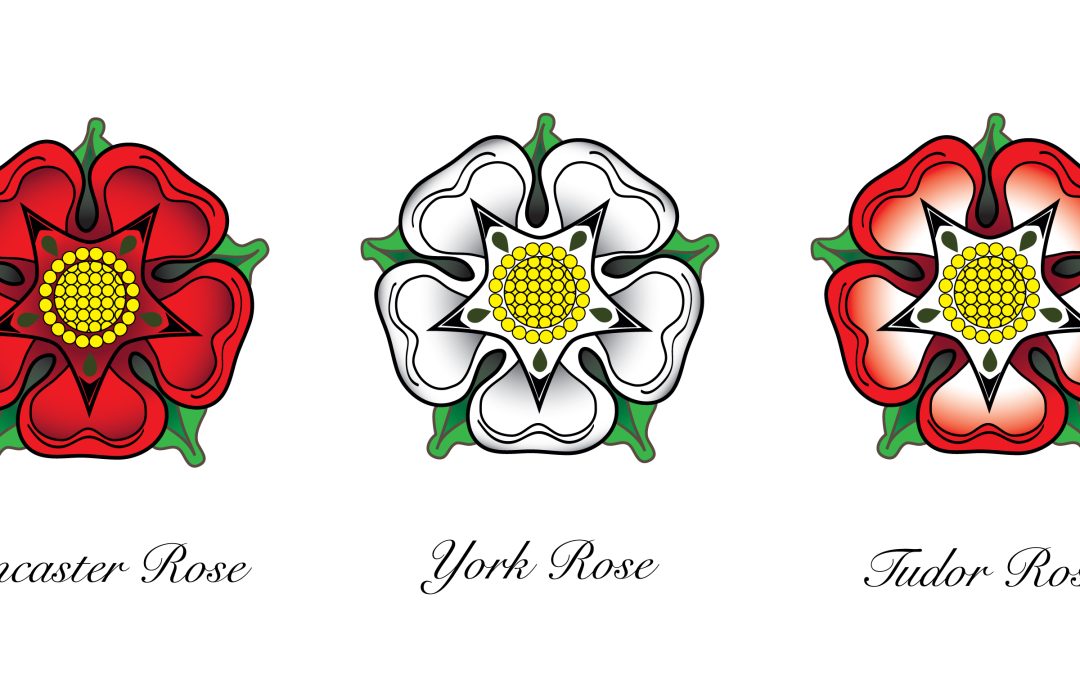
The conflict known as the Wars of the Roses was not a single war but a long struggle for the English crown fought between rival branches of the royal family. The two houses were House of Lancaster and House of York.
Both traced their ancestry to Edward III, and both believed they had a legitimate claim to rule.
The dispute might have remained theoretical had England not been ruled at the time by the gentle but politically fragile Henry VI. His inability to control rival magnates allowed competing factions of the nobility to gather around different claimants to the throne. Once those rivalries turned violent, the conflict spread across the kingdom.
Magnates and Kings
The Wars of the Roses were not fought solely by kings. Powerful nobles commanded private armies and often determined the outcome of battles. Among them, none was more influential than Richard Neville, 16th Earl of Warwick, whose shifting alliances helped place more than one monarch on the throne.
These magnates controlled land, wealth, and the loyalty of thousands of retainers. In a period when royal authority was weakened, such networks of allegiance could rival the power of the crown itself.
The Yorkist Kings
The Yorkist cause reached its height under Edward IV, a charismatic and capable ruler who won the crown on the battlefield and held it for more than twenty years. Yet his sudden death in 1483 reopened the struggle. Within months his brother Richard III had seized the throne, and England once again faced political uncertainty.
Bosworth
The conflict reached its final turning point at the Battle of Bosworth Field. Richard III was killed in the fighting, and the victorious challenger Henry VII was proclaimed king. His marriage to Elizabeth of York symbolically united the rival houses of York and Lancaster.
The End of the Conflict
Although smaller uprisings continued for a few years, the Tudor dynasty gradually consolidated power. By the early sixteenth century the dynastic struggles that had dominated the previous generation had faded into memory. Yet the consequences of the conflict shaped the course of English history for centuries.
The rise of the Tudors, the transformation of the monarchy, and eventually the dramatic reign of Henry VIII all emerged from the political landscape created by the Wars of the Roses.