

Forty-two cathedrals, ten years, and one curious Canadian
I didn’t set out to build a catalogue of cathedrals. Or stately homes. Or rebellious reformers. Or ecclesiastical power plays. I just liked beautiful places.
It began with a trip to Devon and a visit to Exeter Cathedral in 2012. As a neophyte photographer, I admired the architecture and took a few terrible photos. I didn’t know what a transept was. I hadn’t heard of the east–west orientation of cathedrals or the significance of the altar’s placement. A Canadian Catholic, I was blissfully unaware of the Dissolution of the Monasteries.
I was following a curiosity I couldn’t yet put a name to.
This comes to mind as a result of a conversation at dinner the other evening. Unexpectedly, a friend asked if I’d ever returned to re-photograph any of the cathedrals and if so, why?
“Yes,” was the answer. “Because I had no idea what I was doing,” was the reason.
From Wonder to Understanding
That first visit to Exeter turned out to be a starting point—not just for the Cathedral Project, but for an entirely new way of seeing.
I kept visiting cathedrals. At first, I admired them visually. But soon, I began to see patterns:
- The consistent orientation toward the rising sun (the altars are almost always in the east).
- The difference between Norman and Gothic arches.
- The “bones” of earlier churches are hiding inside later additions.
One cathedral led to another. Then another. And another.

Enter The Houses…
At the same time, we were visiting castles and stately homes. Let’s be honest: I went for the china, the plaster ceilings, and the bookshelves with rolling ladders.
But again, something deeper took hold. I began to understand the architectural layers that told stories:
- Former abbeys lie beneath stately homes.
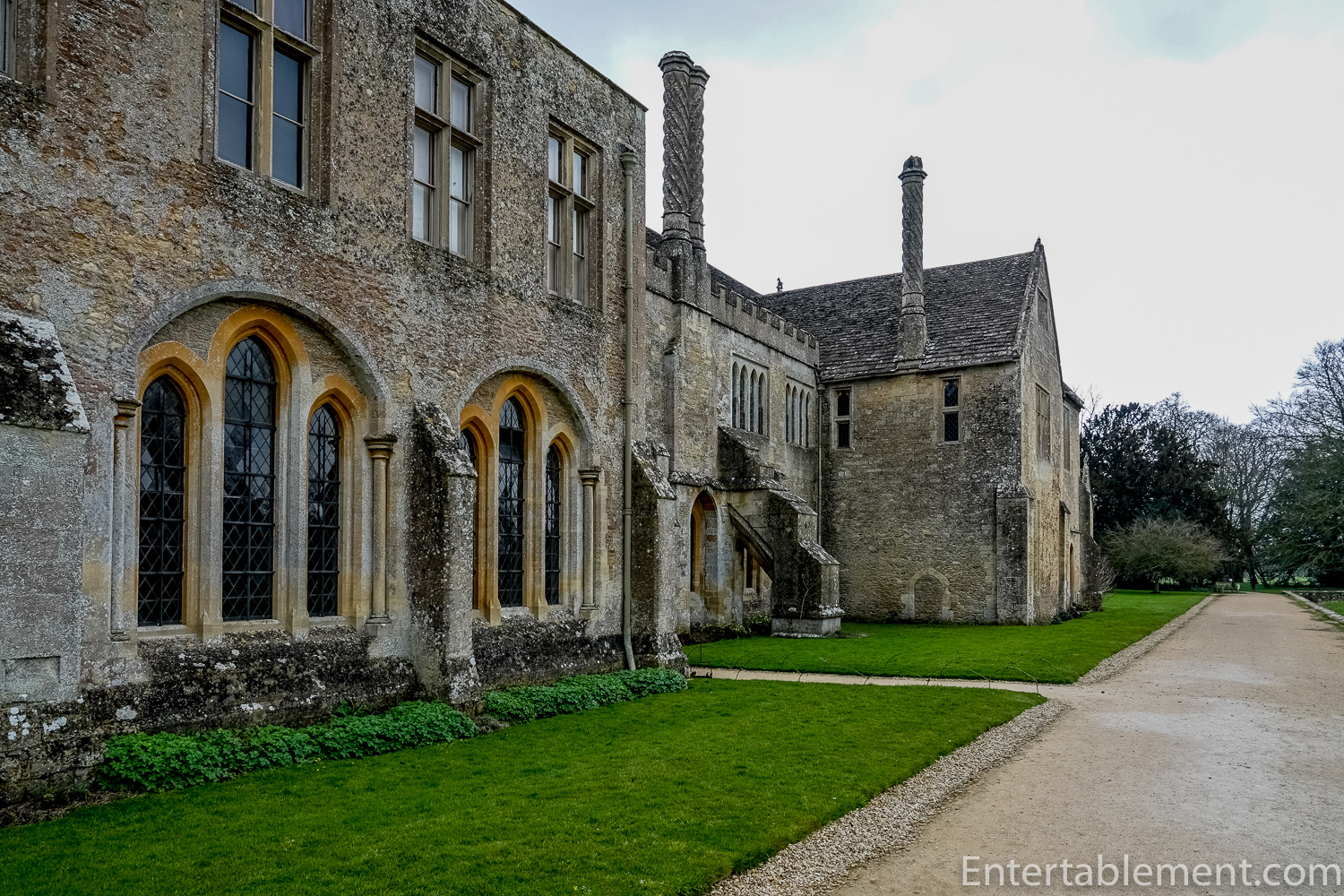
- Tudor courtyards sprouted from medieval halls, such as Markenfield Hall.
- Georgian elegance bridged Tudor beginnings and Victorian updates at Chatsworth.
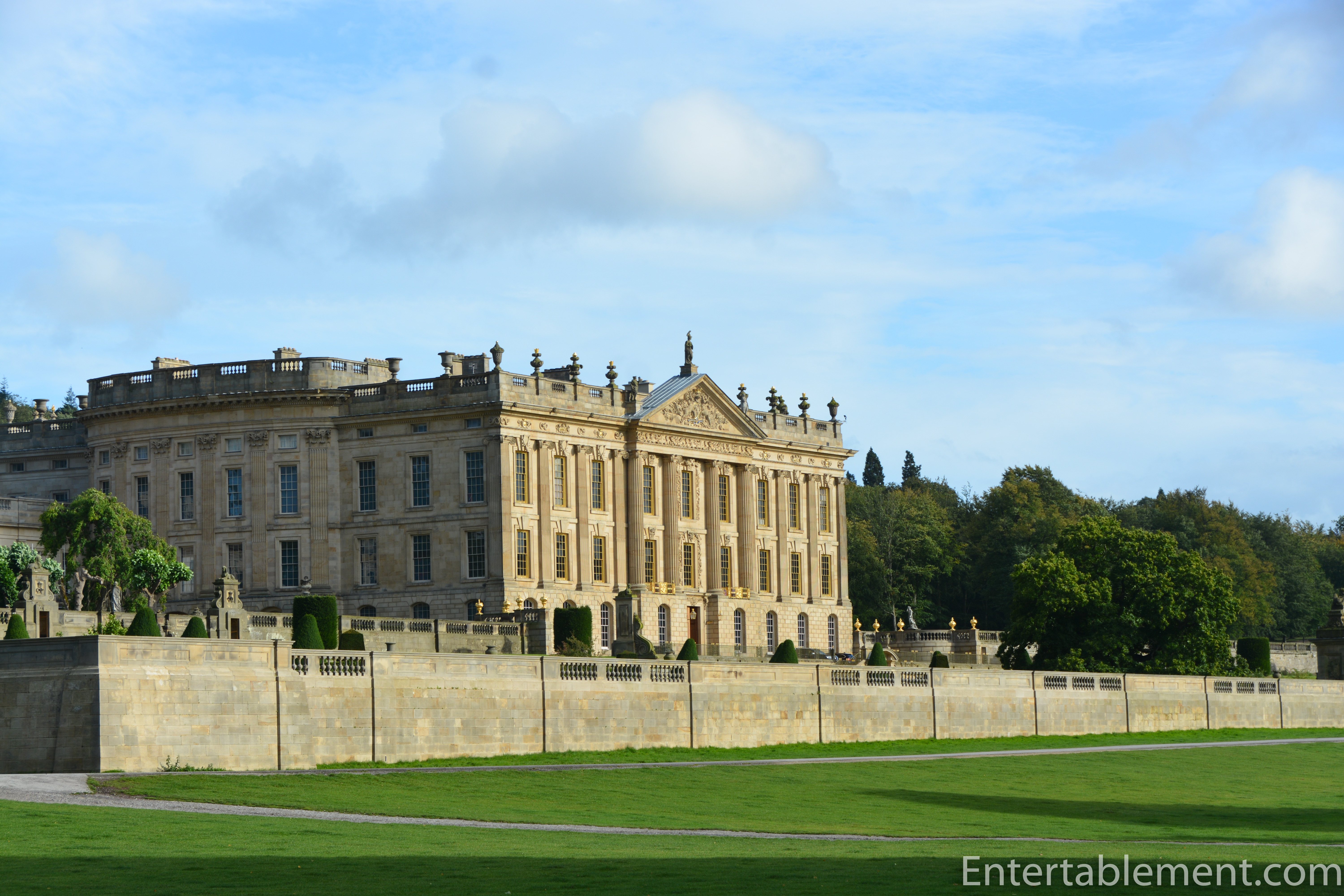
These weren’t just pretty places. They were chronicles in stone and plaster—and like the cathedrals, they were inextricably tied to religion, power, and the story of England itself.
I Didn’t Start With a Plan
People sometimes ask if I always meant to visit every cathedral.
The truth? No.
I was ten cathedrals in before I even considered it a project. At the time, it wasn’t about reaching a goal—I was pursuing understanding. Something new popped up with each new visit, giving me something I didn’t know I needed: context, connection, continuity.
We didn’t come to England to learn about the English Reformation. Or liturgical geography. Or the architecture of conquest. But I learned them anyway—through camera lens, conversation, and the quiet pull of each vaulted nave.
And, of course, we came because Glenn is a vintage car enthusiast and a World War I and II buff. Our visits usually revolve around the Goodwood Members’ Meeting in April or the Goodwood Revival in September.
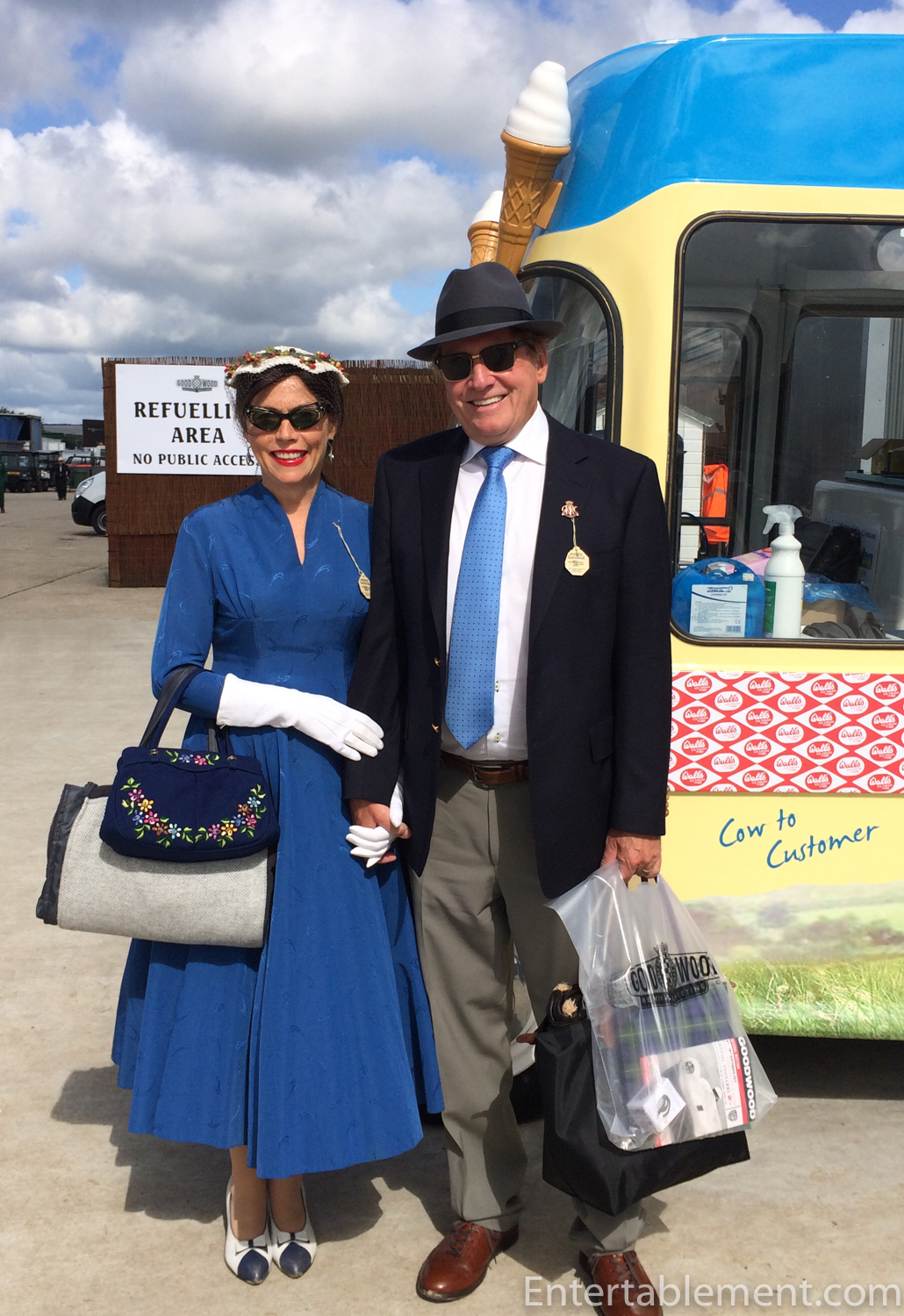
We visit airfields, climb radio towers, explore War Museums and take tours of auto factories. And Glenn visits many pubs whilst I photograph.

The Books That Found Me Along the Way
A few years into the Cathedral project, my business partner gave me two books for Christmas: Ships of Heaven by Christopher Somerville and England’s Cathedrals by Simon Jenkins.
I read Ships of Heaven right away. It gave me my first true sense of just how vulnerable and ambitious these buildings were. The author’s fascination with Ely Cathedral stood out—how its central tower collapsed after builders diverted a stream to accommodate a new east end. It was the first time I’d thought of water tables and marshlands as part of the story.
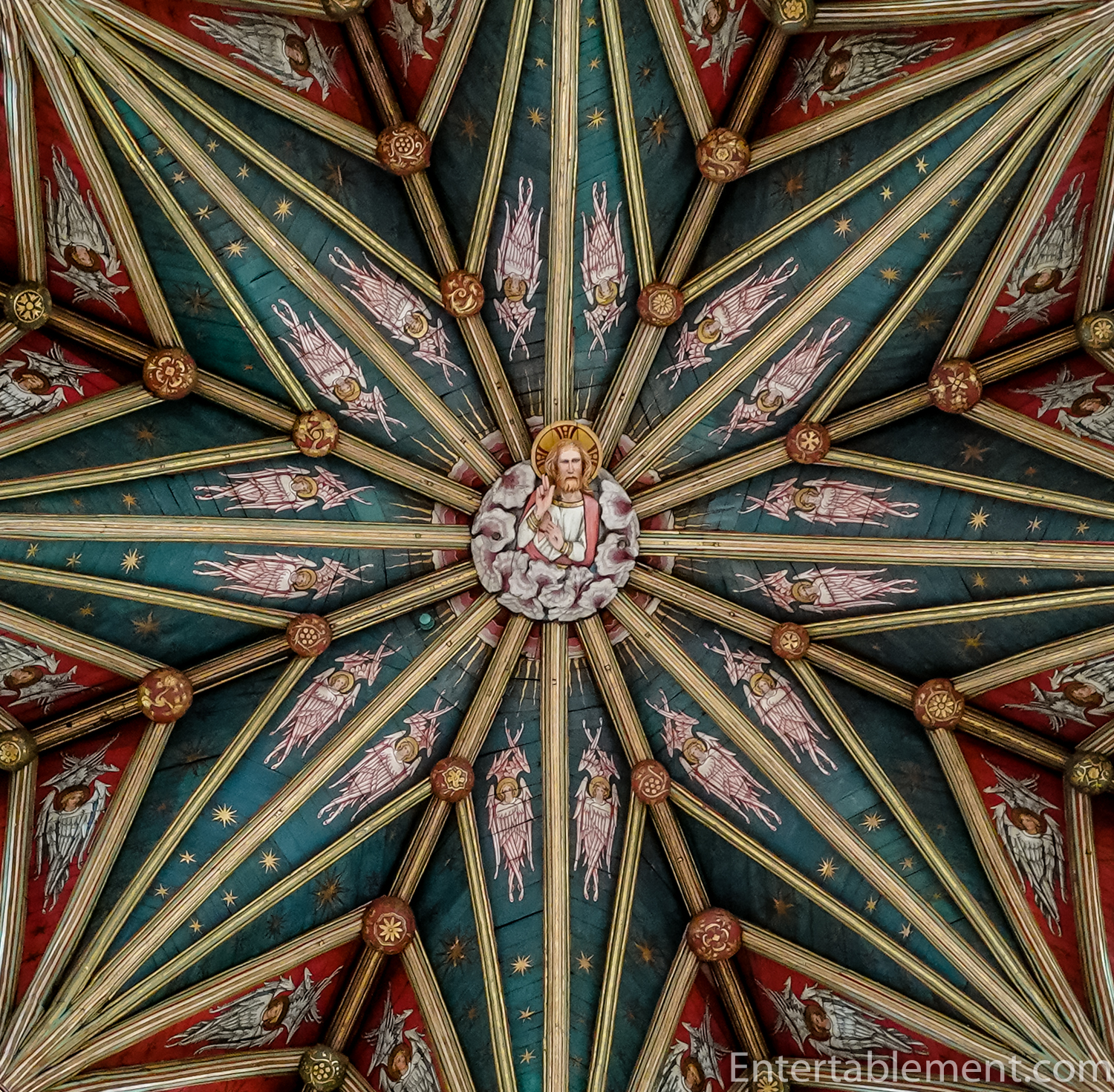
Ely’s Octagonal Wooden Lantern Tower, erected to replace the collapsed stone tower
Simon Jenkins came later (mea culpa). His book England’s Cathedrals would have been helpful earlier, as it offered the broad sweep I didn’t yet know I needed. However, it is only available in hardcover, and I never seemed to be in the same location as it was when I needed it. (I now own several copies). When I finally got to it, so much suddenly became clear. And in many ways, it confirmed what I’d already begun to feel: that each cathedral isn’t just a monument. It’s a living intersection of environment, engineering, belief, and identity.
And once I had Jenkins’ book in hand, I realized something important: There was no need for me to write a book. He had already done it—brilliantly. I wasn’t trying to outdo him or offer an authoritative guide. I was building something different: a visual archive, a travelogue of understanding, and a record of how a non-historian, non-academic can come to love—and learn from—England’s great churches.
I went to stately homes for the china and stayed for the civil wars. I visited cathedrals for the monumental architecture and stayed for the stories they told.
What the Cathedral Project Taught Me
- That beauty is never just decorative—it’s declarative.
- Those buildings don’t just house history—they become it.
- You don’t have to start with knowledge; you can start with curiosity.
The Cathedral Project wasn’t launched with a press release. It launched quietly, one visit at a time, with growing wonder and an increasing desire to understand how faith, politics, and architecture intertwine.
Where It’s Going Now
Now, I find myself tracing the threads between cathedrals and castles, clergy and kings. Between Thomas à Becket and Thomas Wolsey, Henry II and Simon de Montfort, parliaments and pulpits.
While Britain’s history stretches back millennia, only the last thousand years are marked in stone. What remains tells a story of power and loss, war and reinvention. Buildings reflect the people who built, destroyed, and repurposed them—sometimes all in the same generation..
Entertablement Abroad has always been about more than travel. It’s about the lives lived, choices made, and structures built that echo long after the original voices are gone.
I didn’t start with expertise. I began with wonder. And I’m still there. Trying to understand, make sense, sort it all out.
The Cathedrals were finished in 2022, but I’m digging into what remains of the abbeys and monasteries…

Fountains Abbey
… and some wonderful “Cathedrals that weren’t”.
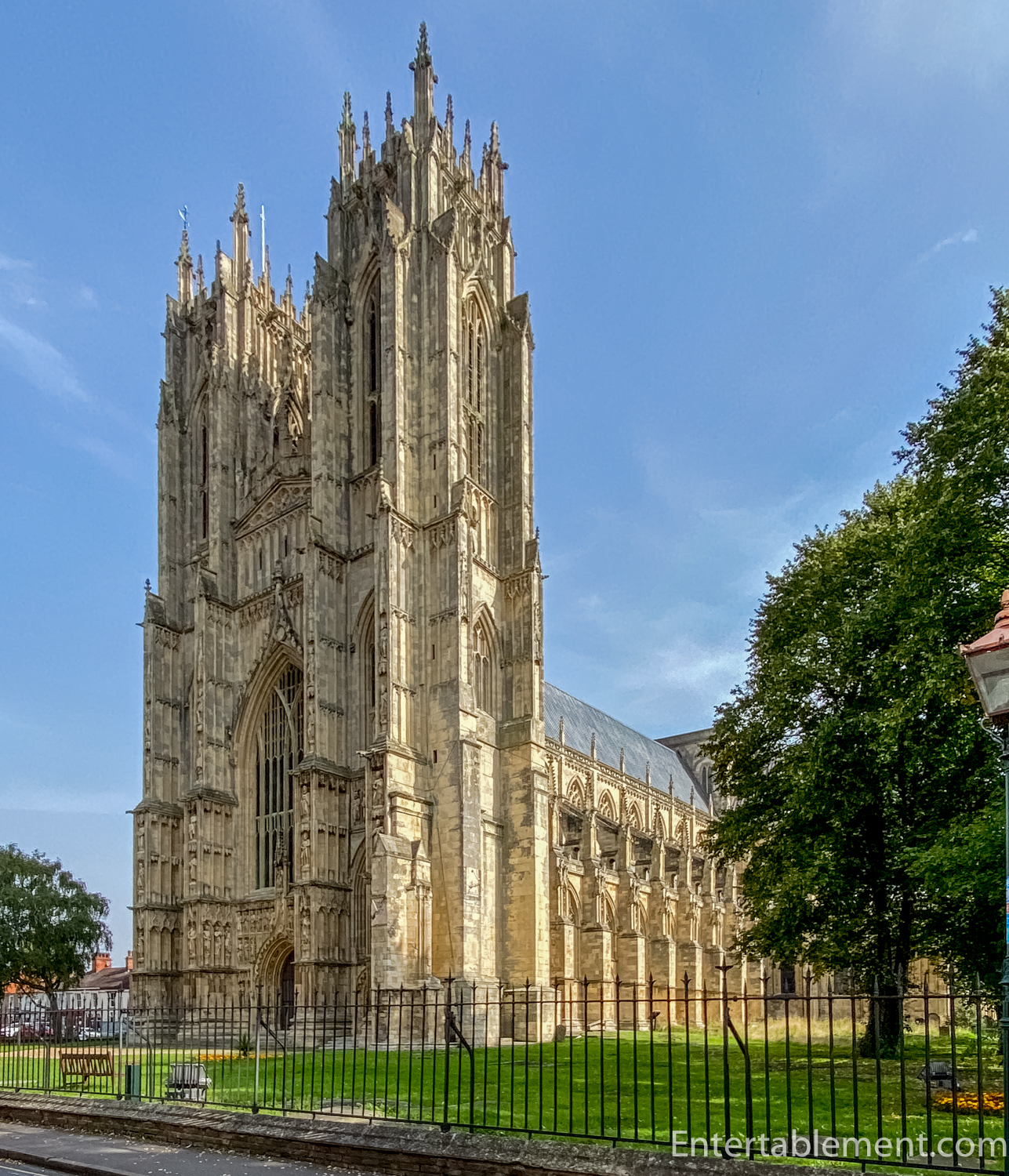
Beverley Minster
I’ve now visited and photographed more than 120 houses and castles; I’ve published a fraction of them. To say nothing of a cache of photographs from visits to Italy, France, Spain, Croatia, Greece, Turkey and Germany. I’ve just scratched the surface.
My good friend and web designer, Mary Plumstead and I have reorganized the site to better draw all the threads together. We have a carousel of Fascinating People, blocks for Britain’s Eras, Themes in History, Living Ideas, and The Hidden Framework. In many cases, they will relate to the Castle, Stately Home, Abbey or Church we are featuring. If your curiosity is piqued, you can dig further into how it all ties together.
History is messy. People are complicated. Buildings are confusing. But it sure is fun to explore!
Now, dear reader, I’d love to hear from you. What would you like to see more of? Houses? Castles? People? Context? I’d love to know!
Thanks for reading.






I love it ALL! I can’t wait to dig into what I might have missed, and keep reading what’s new! Thanks for sharing your fascinating work!!
I publish a lot “on the go” Barb, but try not to bombard my readers with too many emails. So you’ll often find new posts on the site that aren’t highlighted – especially themes in history and fascinating people. I tend to cluster the individual posts around a central theme. Currently working on Nancy Lancaster, of the Country House Style at Colefax and Fowler fame. She was the niece of both Nancy Astor and Irene Gibson (married to Charles Dana Gibson of “The Gibson Girl”). Married three times, there are about half a dozen blogs that stretch from hers, including an update of Cliveden. So – that’s an example. 🙂