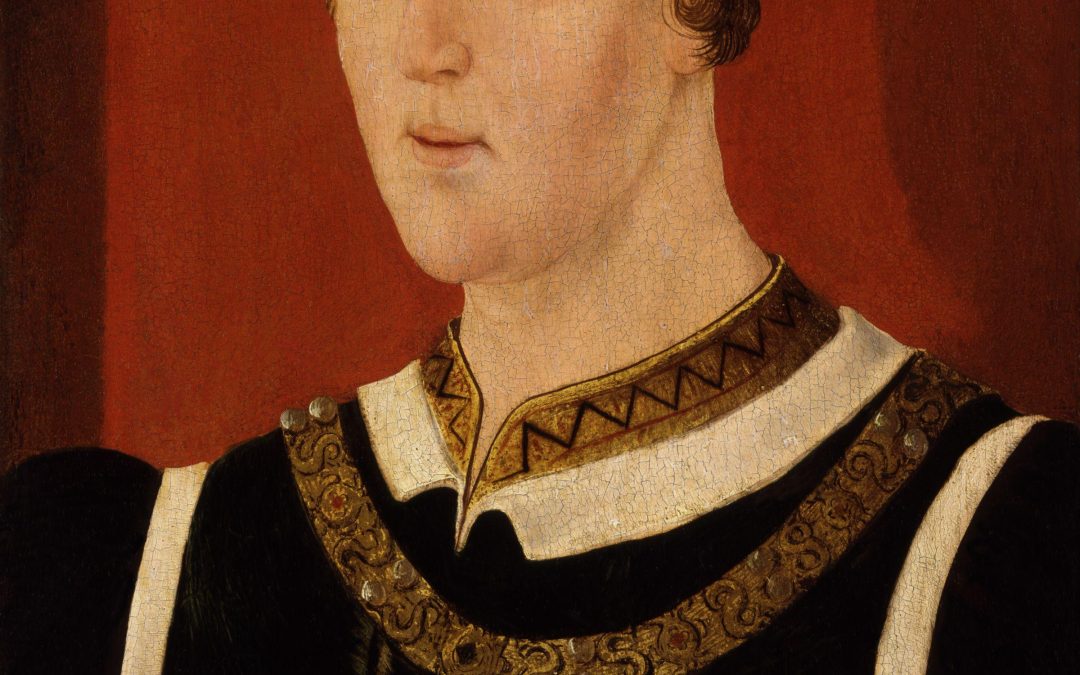
Few English kings left such a paradoxical legacy as Henry VI.
He was deeply religious, thoughtful, and devoted to learning. Unlike many medieval rulers, he preferred prayer and scholarship to warfare or political intrigue. His personal piety was widely admired, and he dreamed of strengthening education and religious life across England.
Yet his reign collapsed into chaos. The weakness of Henry’s rule, combined with periods of severe mental illness, allowed rival factions of the nobility to compete for power. Those struggles would eventually erupt into the dynastic conflict known as the Wars of the Roses.
Ironically, the most enduring monument to Henry VI’s reign is not a battlefield or a palace. It is a chapel.
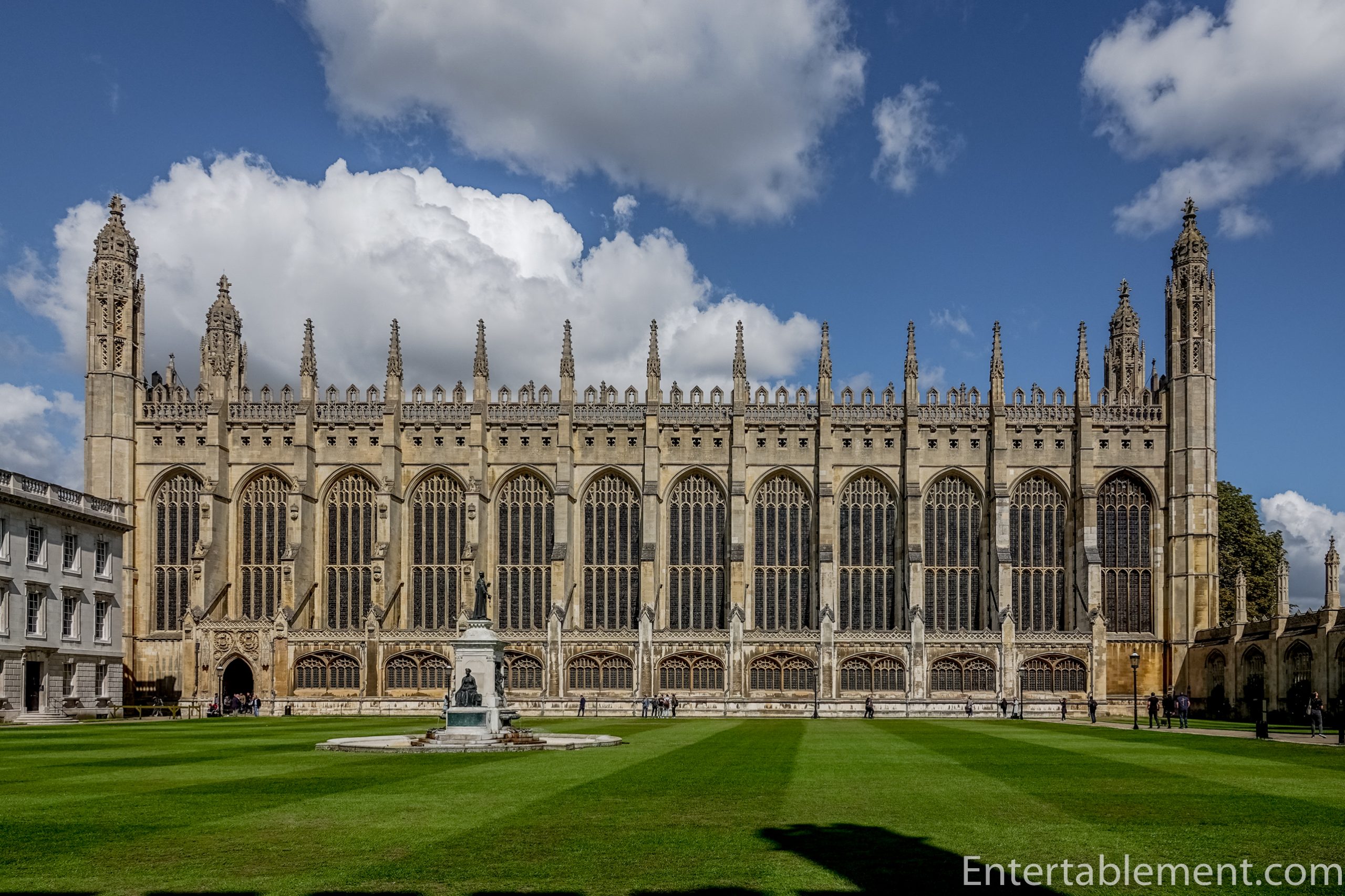
King’s College Chapel, Cambridge
The Scholar King
Henry became king in 1422, when he was only nine months old, inheriting the crowns of both England and France from his father, Henry V.
As he grew older, Henry showed little interest in the martial traditions that had defined his father’s reign. Instead he was drawn toward scholarship and religious life. He believed the kingdom would flourish if learning and faith were strengthened.
Two foundations embodied that vision:
- Eton College, founded in 1440
- King’s College, Cambridge, founded in 1441
Henry imagined a pipeline of education: boys educated at Eton would continue their studies at King’s College. The architectural centrepiece of that vision would become King’s College Chapel.
A Kingdom in Turmoil
Henry’s quiet temperament proved poorly suited to the brutal politics of 15th-century England.
By the 1450s the kingdom faced military losses in France, financial strain, and growing rivalry among powerful nobles. Matters worsened when Henry suffered a prolonged mental collapse that left him incapable of ruling. During those months the machinery of government effectively stopped.
Rival claimants to influence gathered around the throne. Among them were the powerful Yorkist faction led by Richard, Duke of York, and magnates such as Richard Neville, Earl of Warwick — later remembered as the Kingmaker.
Their struggles eventually erupted into open conflict. The Wars of the Roses had begun.
The King Who Lost His Throne
Henry VI was deposed in 1461 by the Yorkist king Edward IV, briefly restored to the throne in 1470, and deposed again the following year.
In 1471 he died in the Tower of London, most likely murdered. His reign had ended in tragedy. Yet the institutions he founded survived him.
A Legacy in Stone
Construction of King’s College Chapel began in 1446 during Henry’s reign. Political upheaval halted progress several times, and the building would ultimately be completed under the very dynasties that replaced him.
Yorkist kings continued the project. Tudor kings finished it.
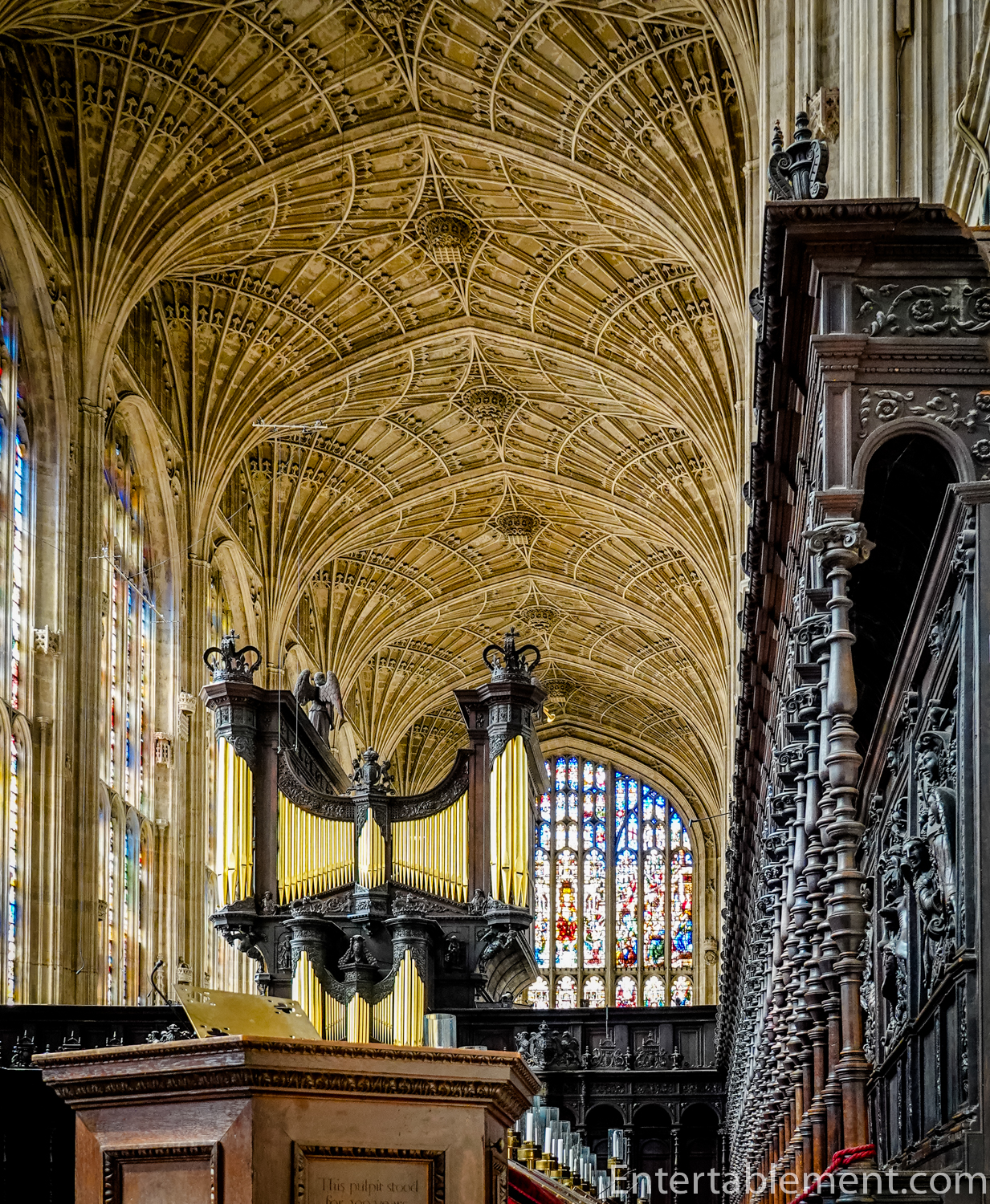
King’s College Chapel Cambridge
Today the chapel stands as one of the greatest masterpieces of English Gothic architecture — and the most enduring reminder of Henry VI’s vision.
Henry’s most lasting legacy can still be seen in Cambridge.