
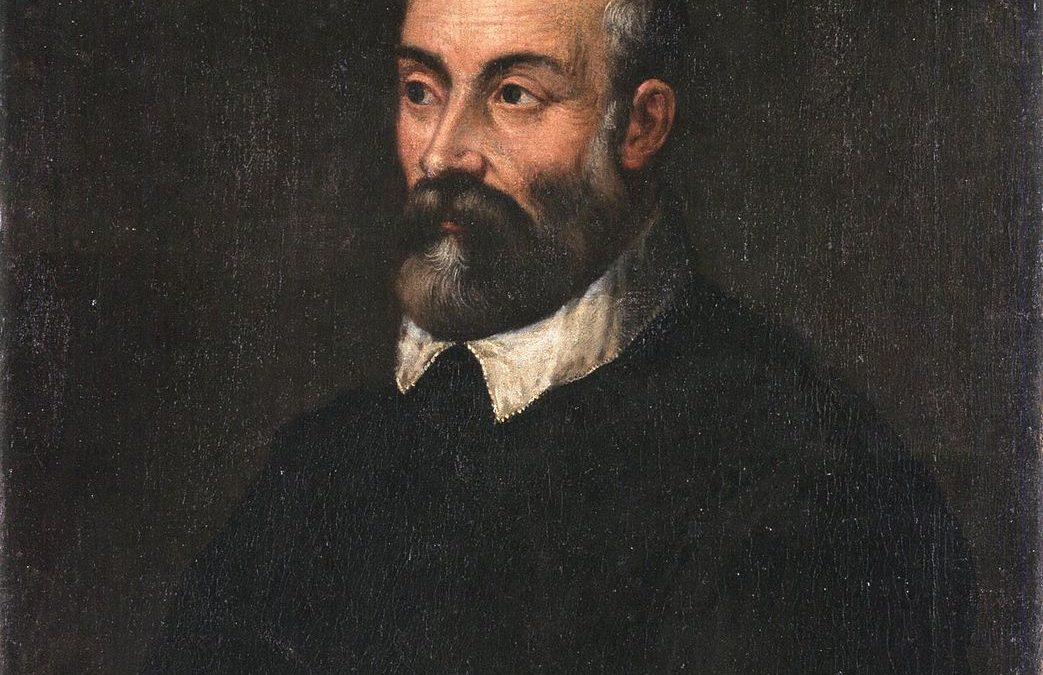
You may not know his name, but you’ve seen his work—echoed in country houses, government buildings, and countless stately facades across Europe and America. If you’ve ever stood in front of a Georgian manor or admired the U.S. Capitol, you’ve been in conversation with Andrea Palladio.
Born in 1508 in the Republic of Venice, Palladio started out carving stone, not drawing blueprints. But he had a voracious mind and a deep reverence for the order and clarity of ancient Rome. Like many thinkers of the Renaissance, he wasn’t content with tradition—he wanted to understand its why. That’s where things got interesting.
He studied Vitruvius, the Roman architect whose writings laid out the principles of good design: strength, utility, and beauty. And he worked at a time when Leonardo da Vinci had already redefined the very idea of proportion—think of the Vitruvian Man.
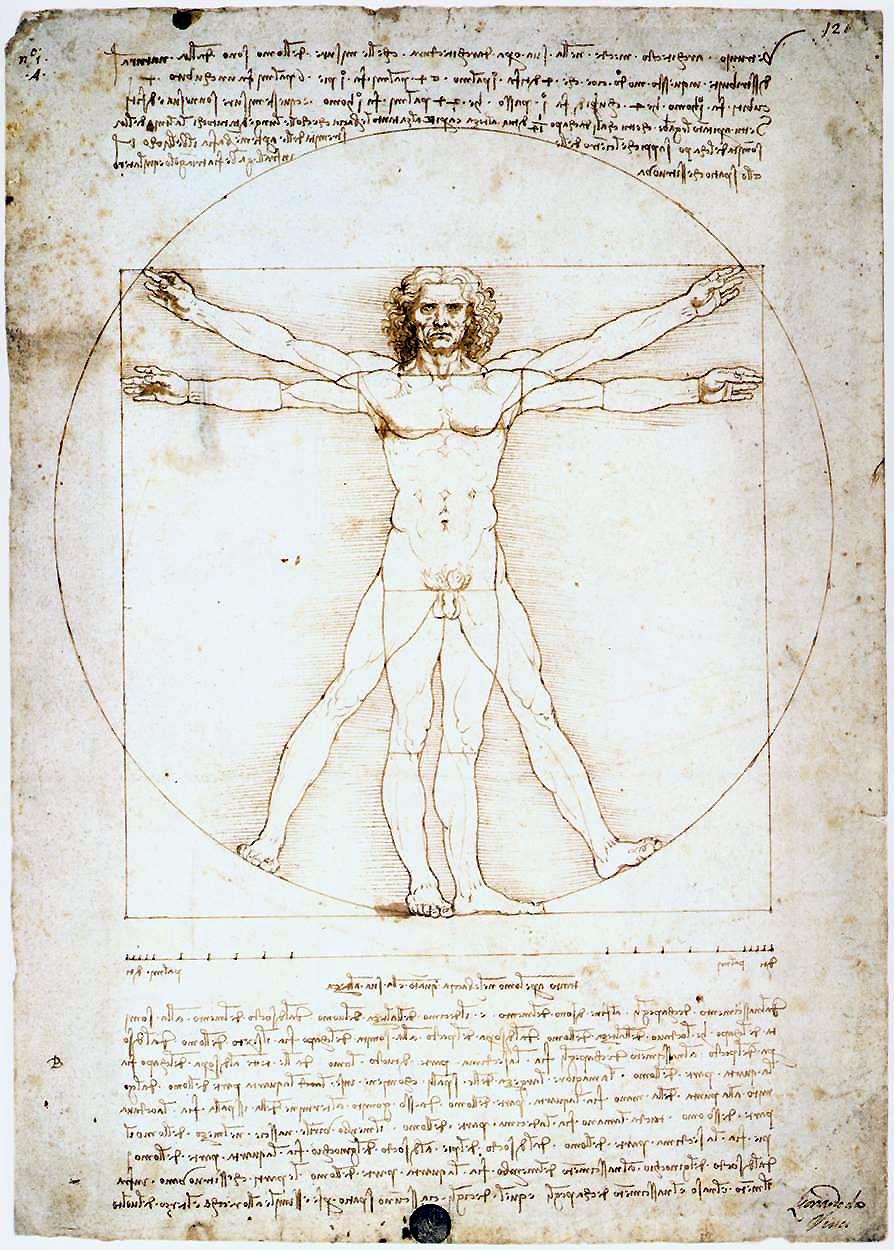
Palladio took those same principles and asked, “What if we built with them?” And then he did.
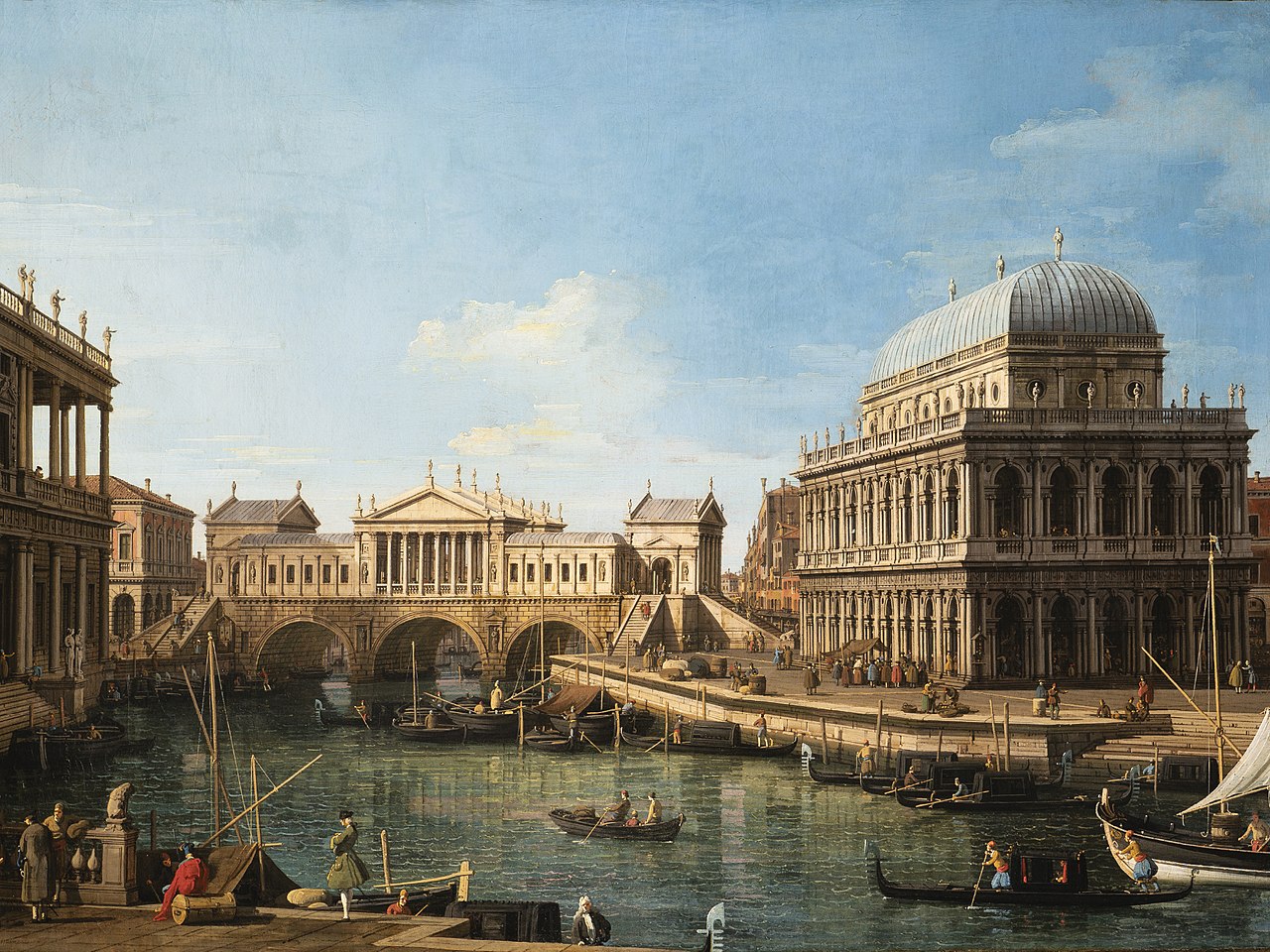
His villas in the Veneto weren’t just homes for the wealthy—they were essays in balance and order. No fluff. No excess. Just mathematical clarity and humanist grace. Palladio believed buildings could reflect the best of us: rational, elegant, and in harmony with nature. But here’s the real genius: he wrote it all down.
His Four Books of Architecture, published in 1570, were clear, illustrated, and endlessly reprinted. For architects across Europe, it became a manual. And when those ideas crossed the Channel, British designers like Inigo Jones and Colen Campbell picked them up and ran with them—literally building a new national style. Across the Atlantic, Thomas Jefferson embraced Palladio’s ideals too, calling his treatise his “architectural Bible.” Monticello? Pure Palladio.
His influence is quiet but seismic. Palladio didn’t just shape buildings—he shaped what buildings mean: dignity, order, and civic virtue.