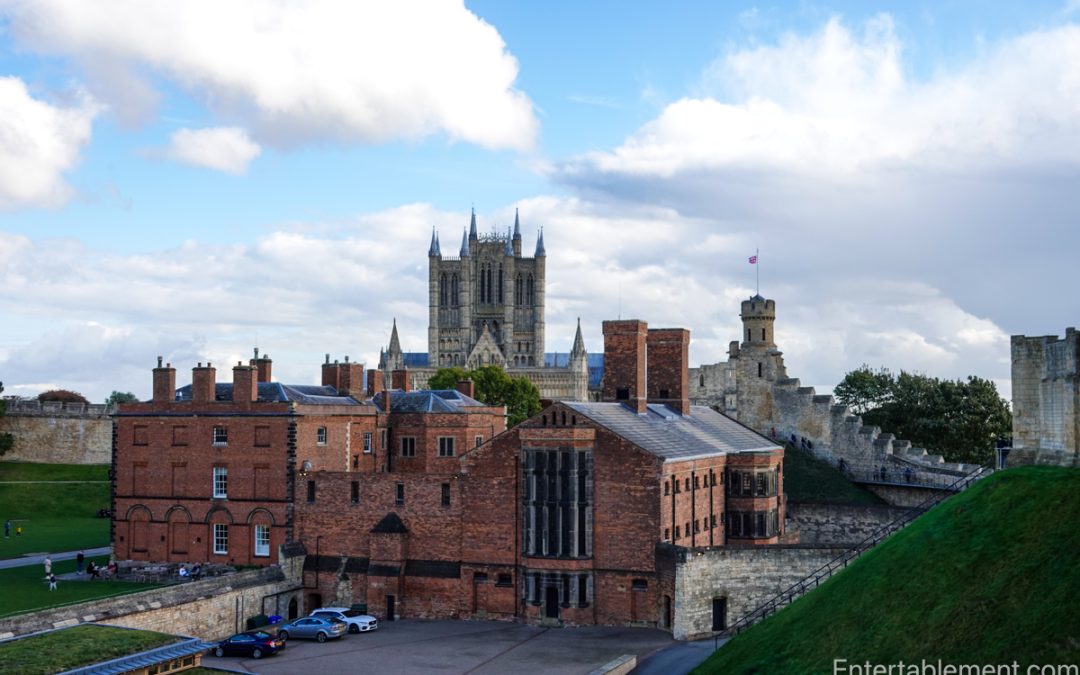
Set high on the hill beside the Cathedral, Lincoln Castle has always loomed large—both literally and symbolically.
 ,
,On a recent visit with my husband, Glenn, and our youngest daughter, Lauren, as we wandered its stone walls and peered into the prison cells, I was struck by how much this site still has to say about justice, control, and the very human need to address misbehaviour.
As Glenn, a lawyer, often reminds me, laws didn’t develop in a vacuum—they were a response to misbehaviour. No one simply decided to proscribe murder, theft, or assault out of moral abstraction; these were practical reactions to recurring problems.
It began life as a fortress, of course. But as we’ll see, Lincoln Castle has worn many faces—from Norman stronghold to Victorian moral machine—all while keeping watch over the city below.
Fortress of Power
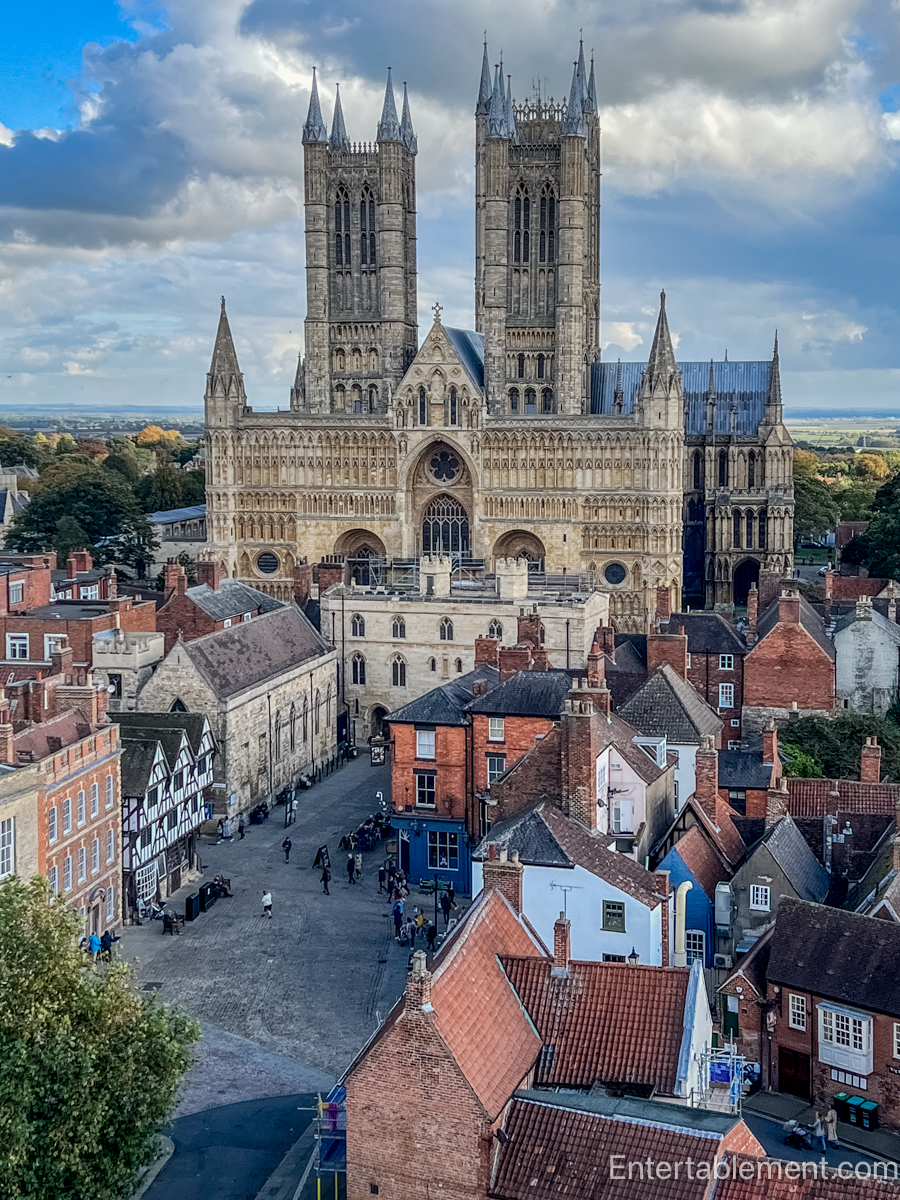
William the Conqueror didn’t waste time after Hastings. By 1068, he was reinforcing his grip with cathedrals and castles across England—and Lincoln got both.

The Cathedral was one of fifteen set up by the Normans to replace Saxon bishops, and the castle arrived not long after, to keep that new religious order well defended.
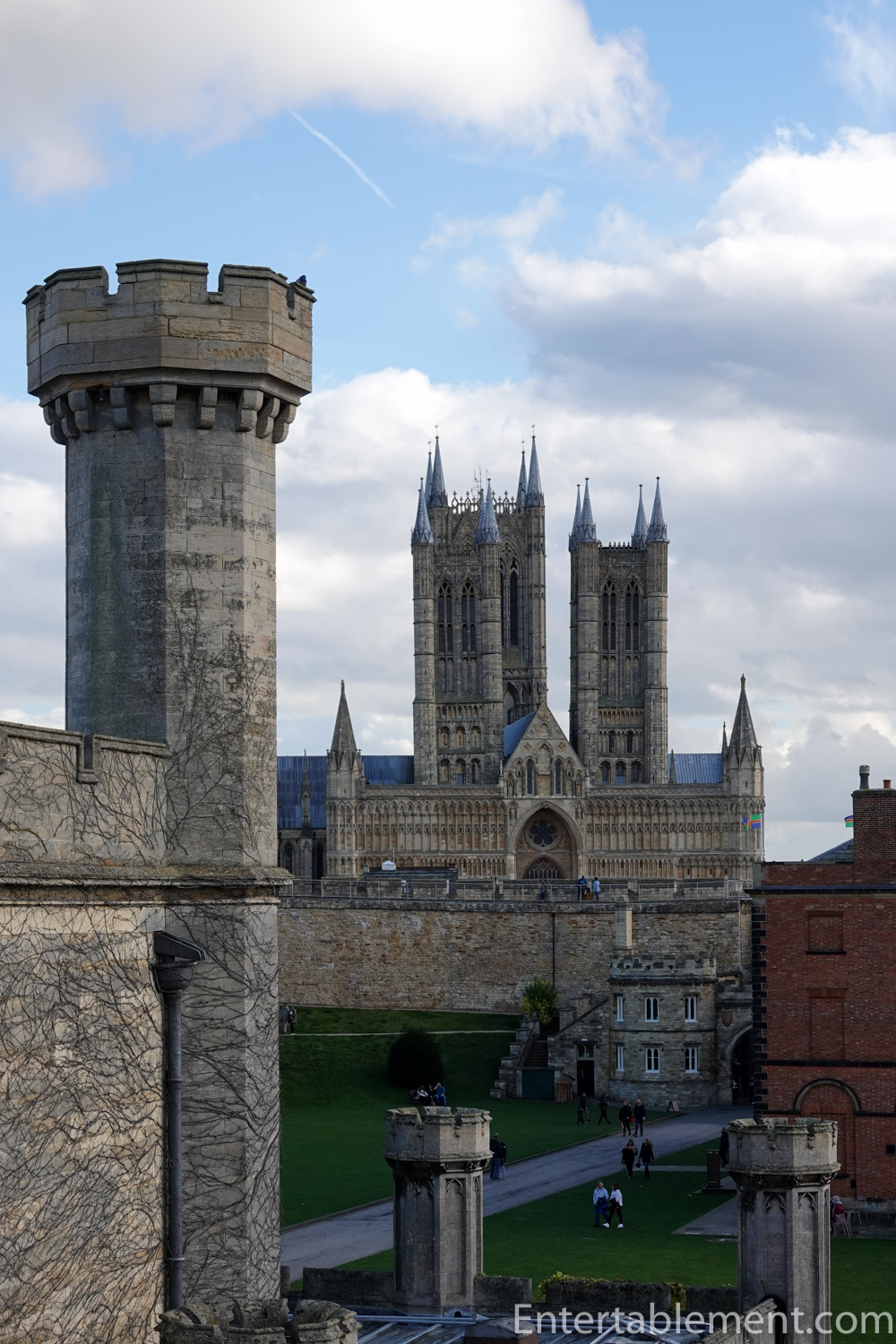
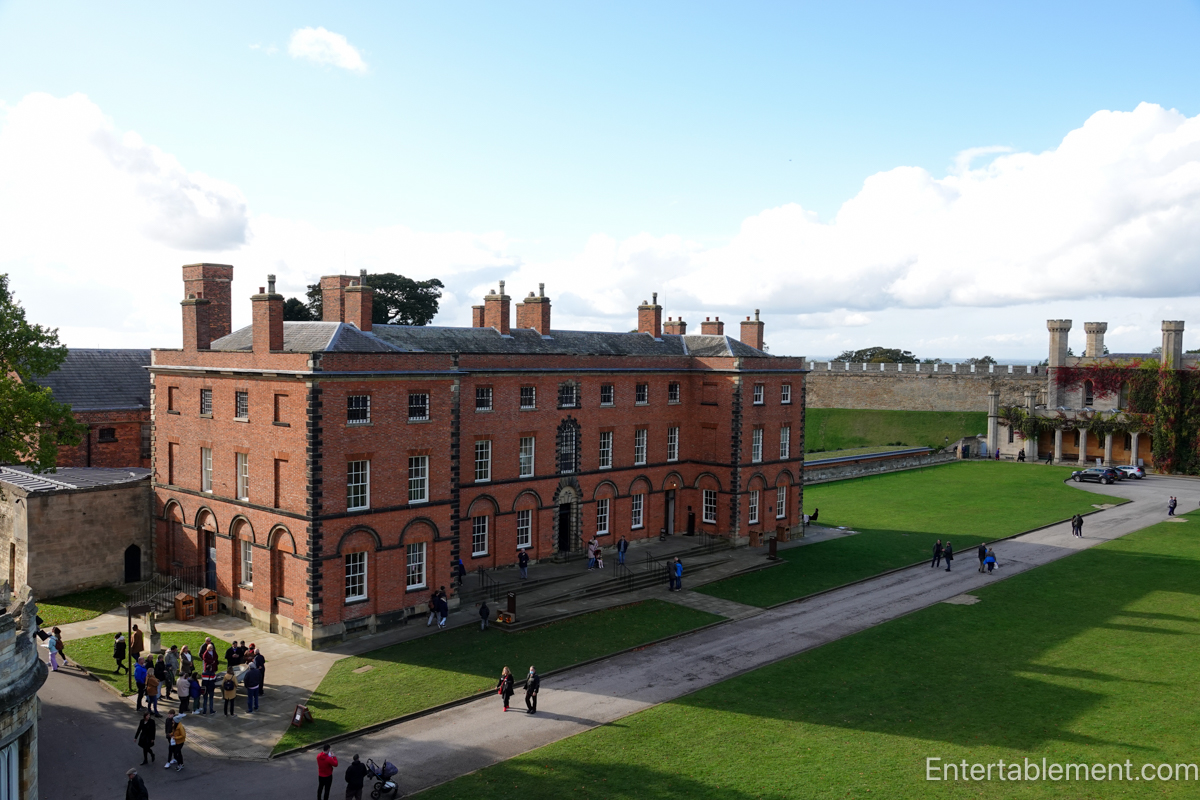
The castle was also established as a seat of justice, and it continues in that role today: the Crown Court still operates within its walls. That ivy-covered, imposing building tucked behind the red-brick prison block is no museum piece—it’s a functioning piece of Britain’s legal system.

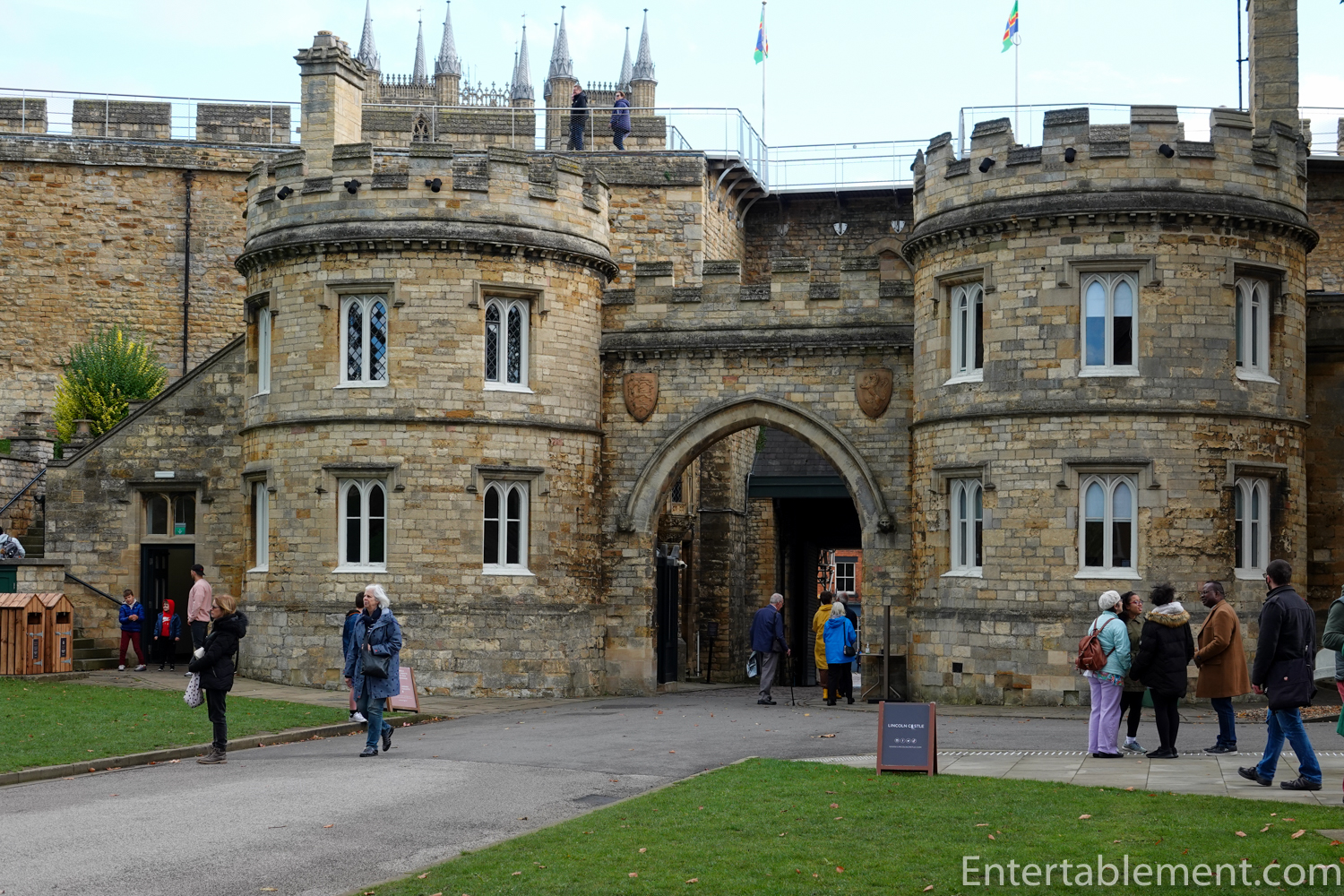
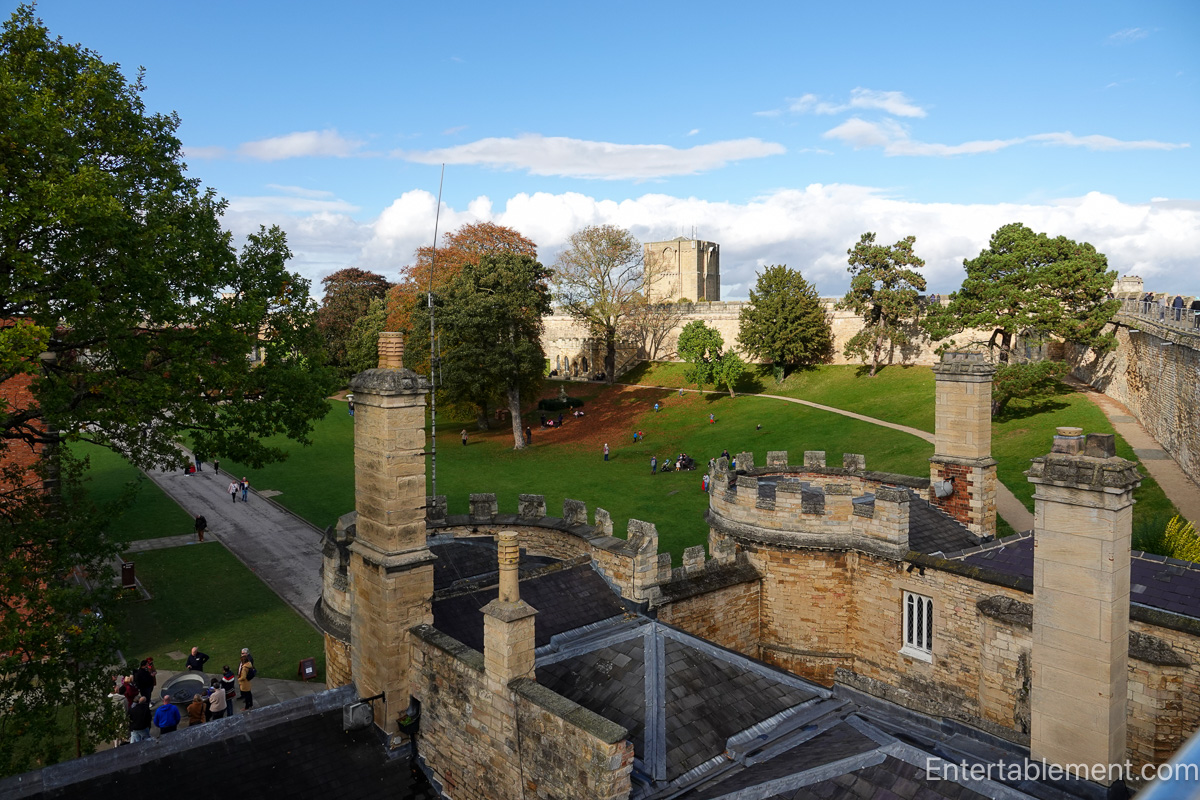
Today, the castle walls still circle the green, with their thick stone and square towers quietly reminding us who used to call the shots.
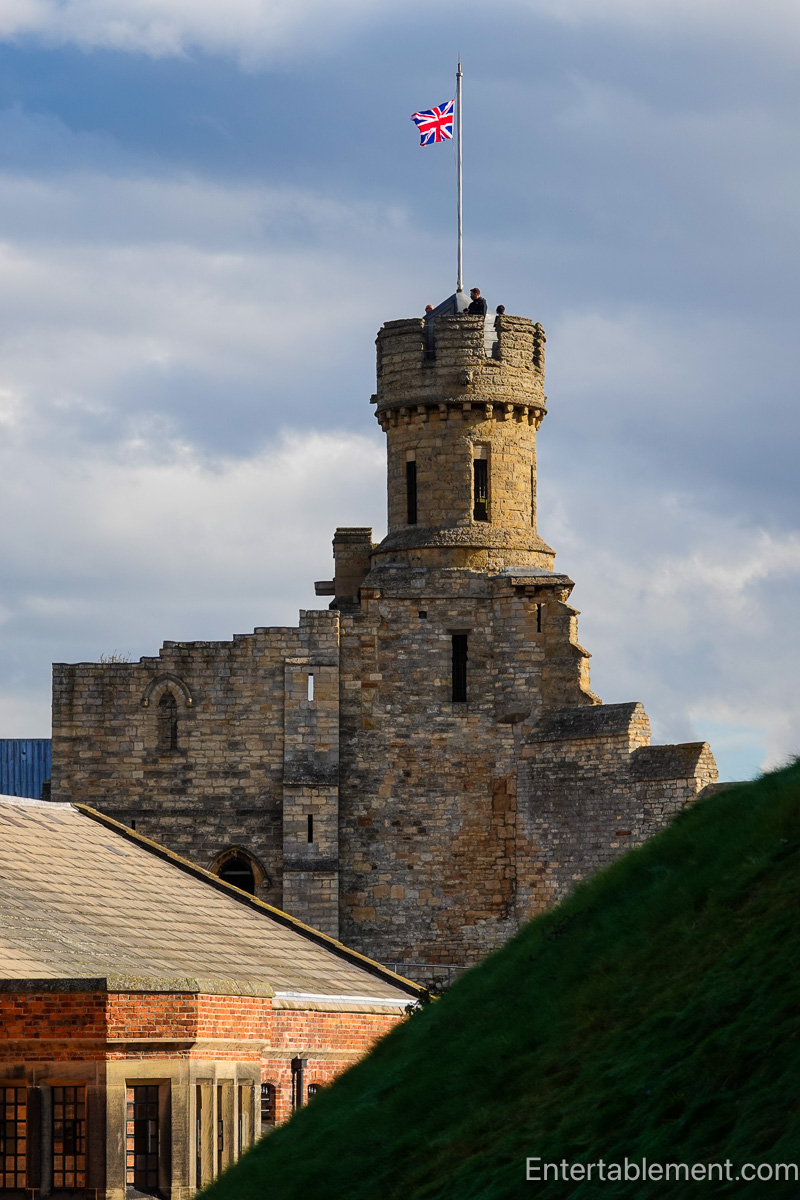
A Prison in the Castle
Fast-forward several centuries, and the castle found a new role: a correctional facility. The Victorians had very particular ideas about morality and reform, and Lincoln Castle’s tidy new prison block reflected that in full. The emphasis was on silence, separation, and self-examination.
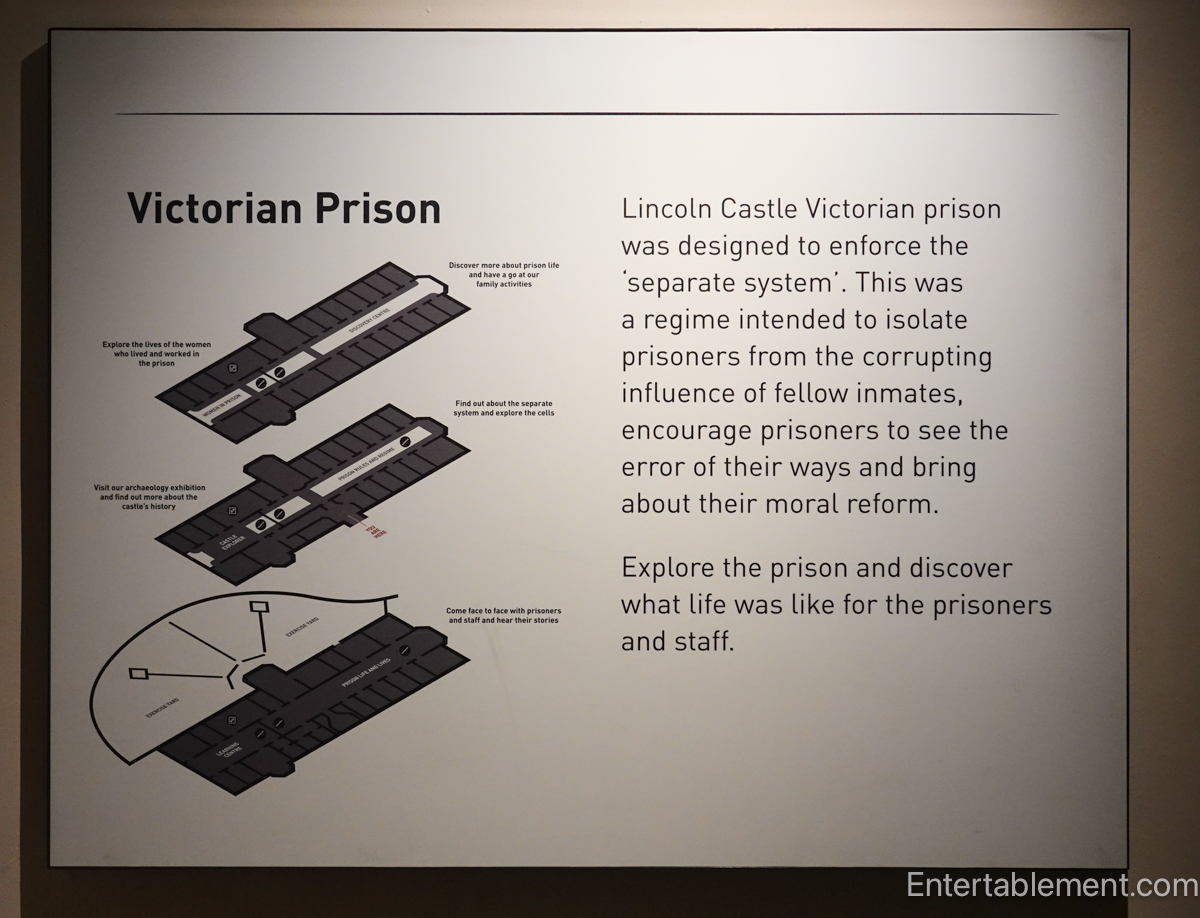
The separate system meant each prisoner was alone with their Bible and their thoughts. The chapel was especially chilling: box pews with high partitions so no one could even glimpse a fellow inmate.

Cells were sealed up tight—good for moral hygiene, not so great for actual hygiene.
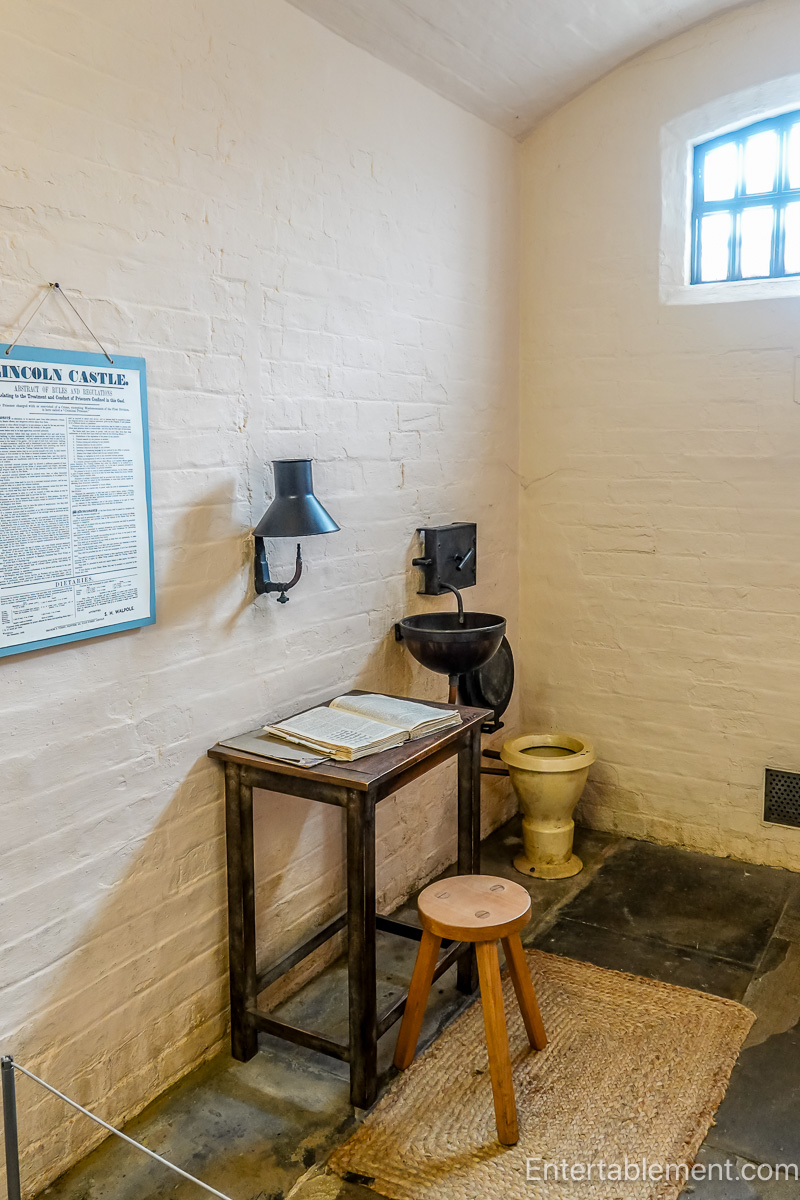
Which brings us to the problem. Within weeks of opening, the prison became stiflingly hot, foul-smelling, and disease-ridden. Fevers spread. Ventilation failed. And so much for solitude: cells meant for one soon held three, hanging in canvas hammocks.
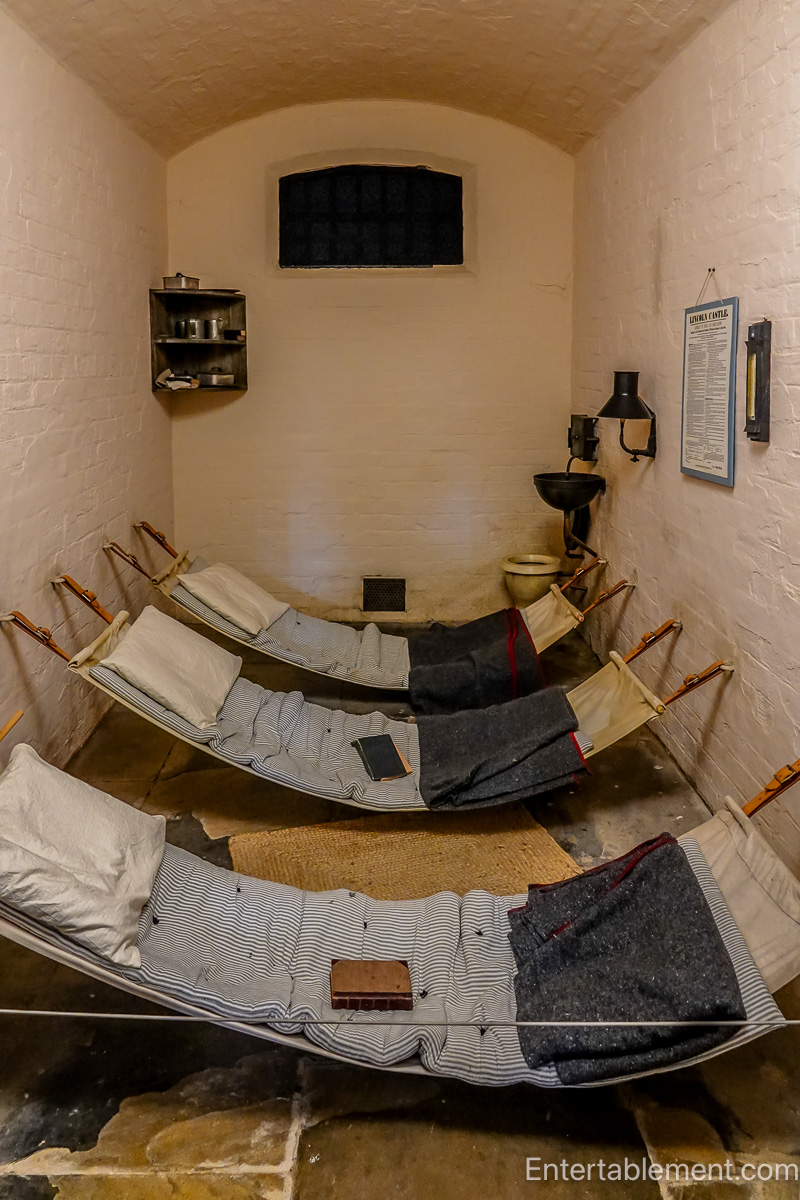
A magistrate’s report from July 1848 offered this neat summary: “Separation from others of this class will operate both as a preventative and corrective punishment.” In theory, perhaps. In practice? Less so. The idealism of reform was quickly replaced by logistical crisis.
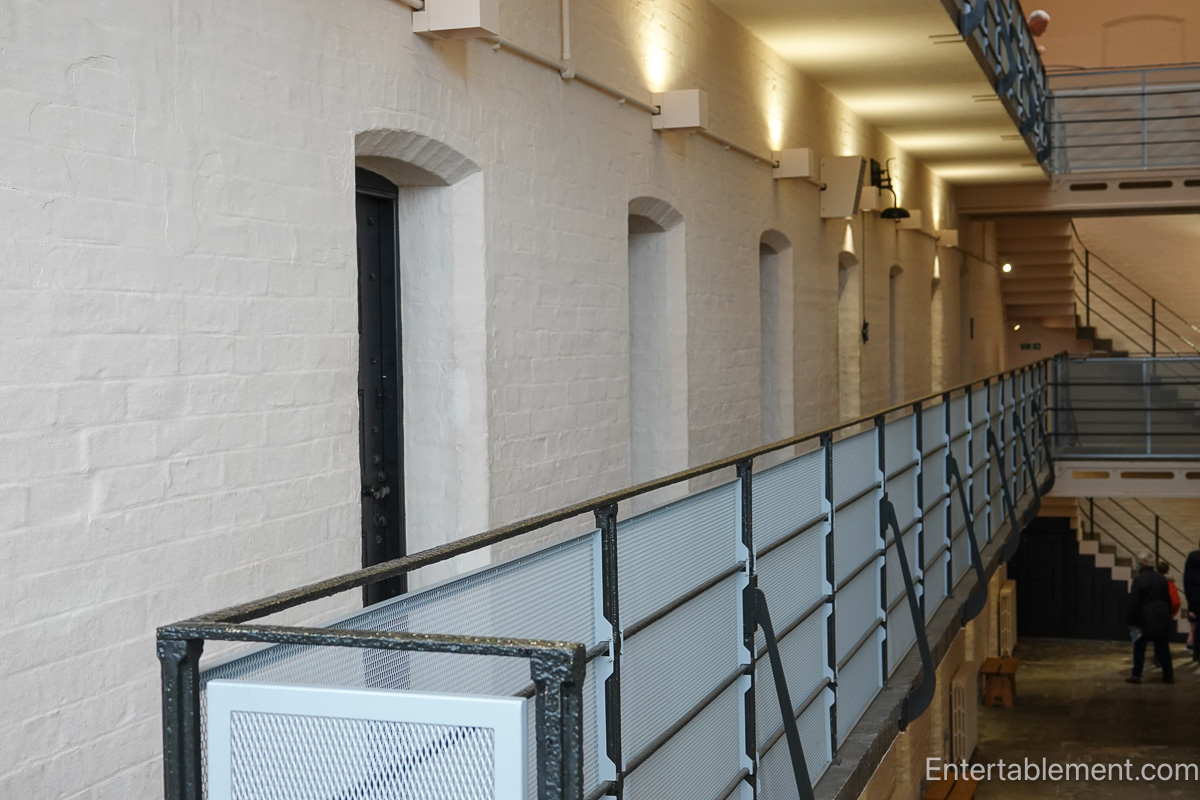
The Walk and the Watch
One of the loveliest aspects of visiting today is the wall walk, which offers sweeping views over the city.

But it also makes you think: this was once about power, protection, and surveillance. From the ramparts, you can see Lincoln Cathedral dominating the skyline.
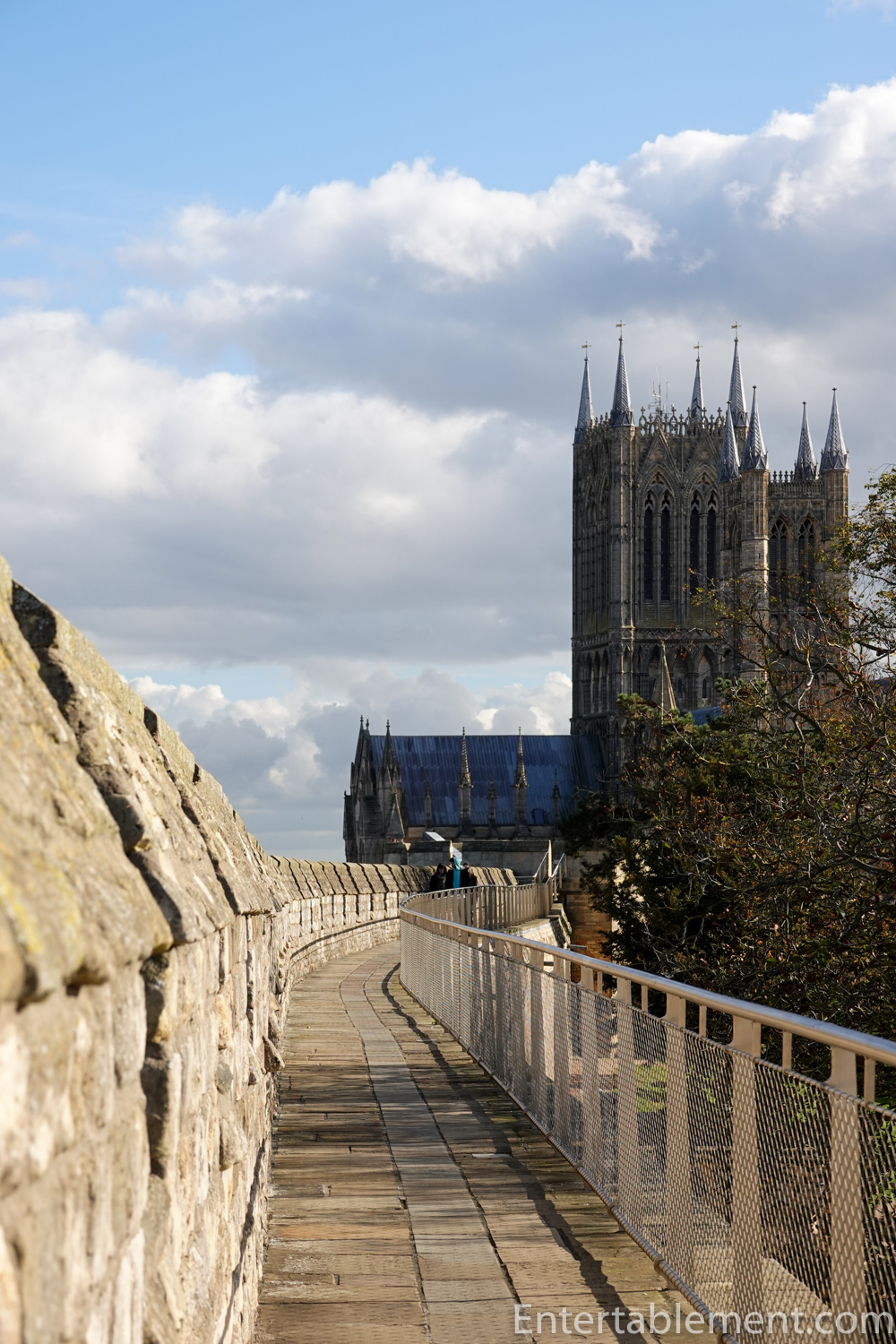
The new spiral staircase and visitor paths are a softer echo of older intentions—to see and be seen.
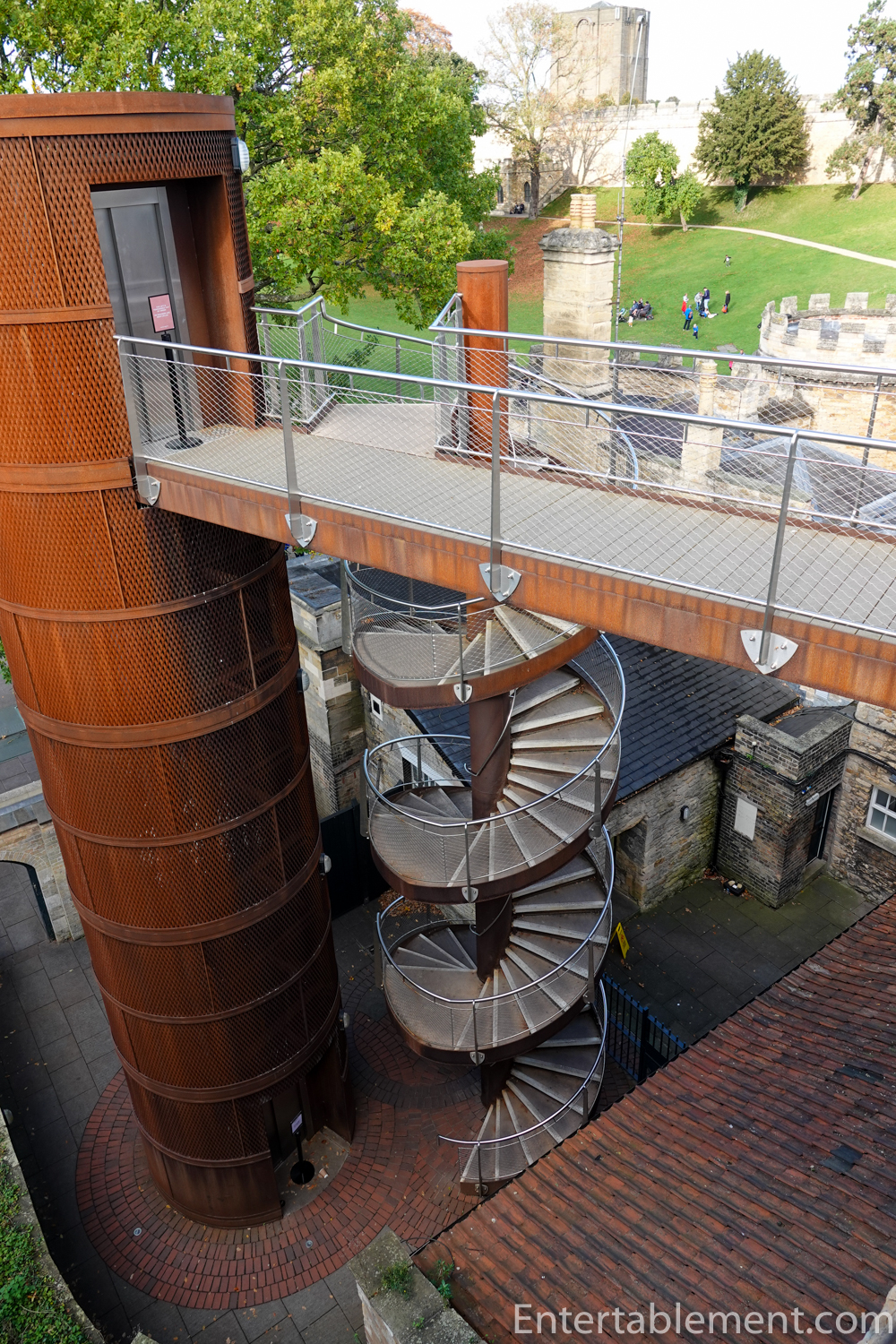
Reflections: Then and Now
Lincoln Castle tells a story we often overlook: the one where architecture is a reflection of ideology. Where you put the doors, what people are allowed to see, and how you use silence—these are not just design choices. They’re about control.
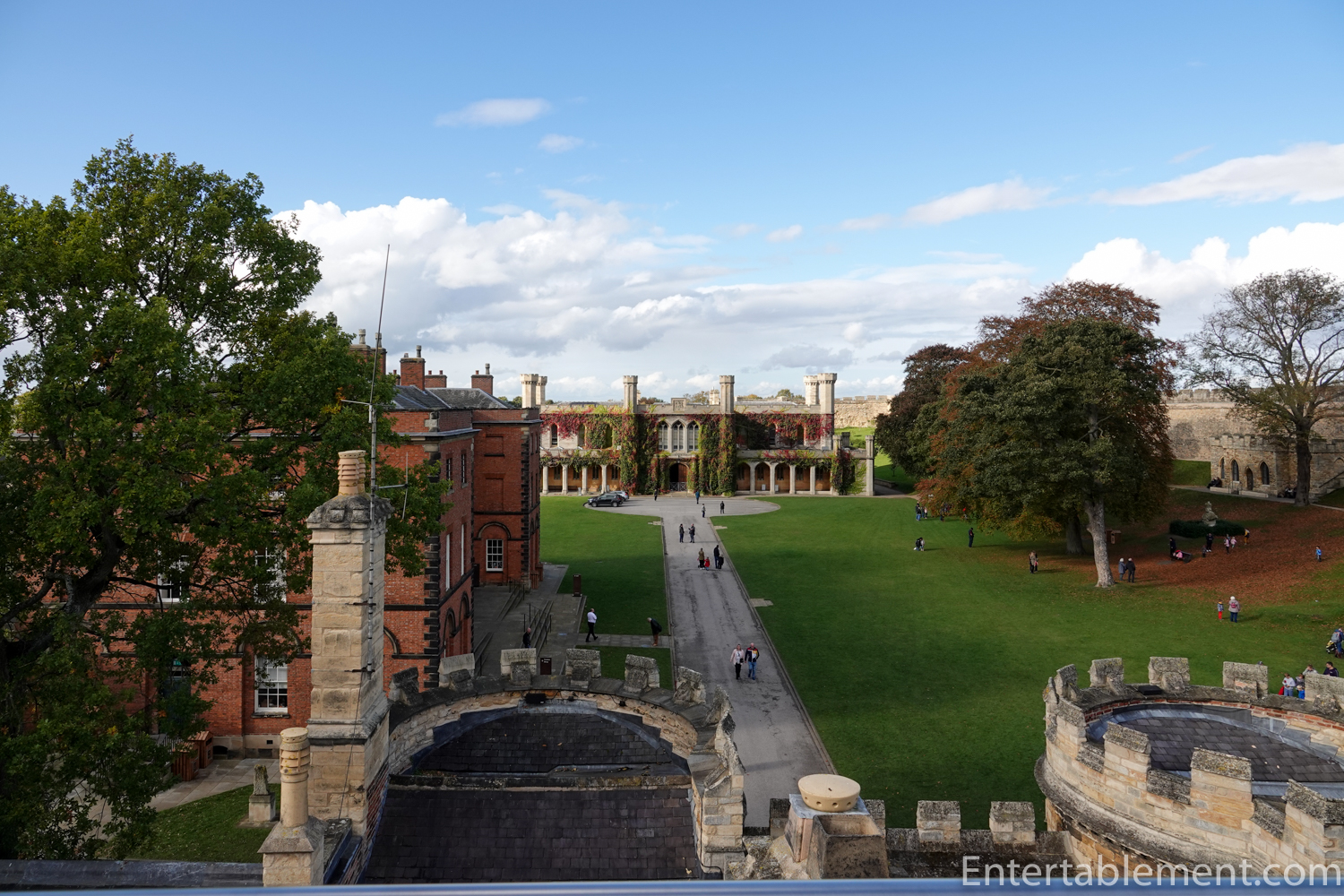
The Victorians may have shut the doors of the cells, but they opened a new kind of visibility: moral scrutiny. It wasn’t enough to behave. You had to look like you were behaving. And now? We visit, we photograph, we ponder. We peer through time at a structure that once tried very hard to straighten out society.
Our walk through Lincoln Castle was more than just sightseeing—it was a step through centuries of changing attitudes. From the Norman Conquest to Victorian modes of correction, this castle has witnessed the city’s shift and growth. Its stones have held up monarchs and magistrates, prisoners and tourists.

It stands still. But the ideas it held—they moved.

For more information on Lincoln Castle’s role in England’s history, please explore our three-part series, which examines the shifting architecture of punishment and public judgment, from medieval spectacle to digital exclusion.
The first in the series is Medieval Justice—Blood, Faith, and Sovereignty.
You can also read more about Lincoln Castle’s history during the anarchy with Stephen and Matilda.
This post pairs nicely with our previous write-up on Lincoln Cathedral.