by Helen Kain | May 24, 2025 | Act V - Civilization Compounds, Fascinating People, FP Act V — Civilization Compounds, Georgians (1714–1837), Stuarts (1603–1714)
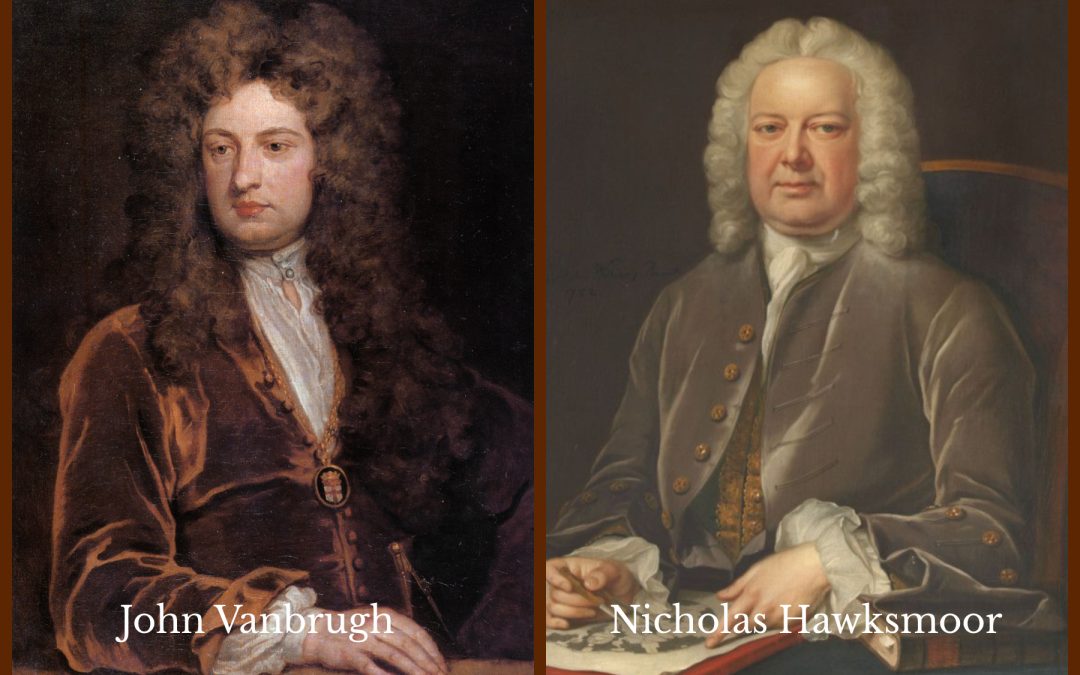
John Vanbrugh (1664–1726) and Nicholas Hawksmoor (1661–1736) formed one of the most dynamic partnerships in English architectural history. Together, they crafted some of the most ambitious and theatrical buildings of the English Baroque period, blending drama, power,...
by Helen Kain | May 24, 2025 | Act V - Civilization Compounds, Fascinating People, FP Act V — Civilization Compounds, Gardens, Georgians (1714–1837)
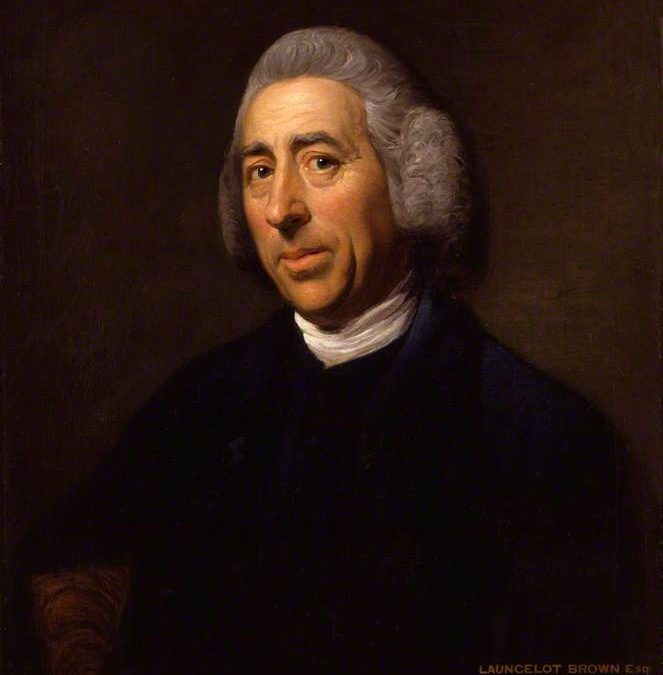
Lancelot “Capability” Brown is one of the most influential landscape designers in British history, often called “England’s greatest gardener.” His work transformed the estates of the British aristocracy, replacing formal, geometric...

by Helen Kain | May 24, 2025 | Act V - Civilization Compounds, Fascinating People, FP Act V — Civilization Compounds, Georgians (1714–1837)
Robert Adam was more than just an architect. He was a revolutionary designer who transformed British architecture and interior design in the 18th century. Famous for his harmonious, classical style, Adam’s influence extended from stately homes to public...
by Helen Kain | May 24, 2025 | Act V - Civilization Compounds, Fascinating People, FP Act V — Civilization Compounds, Georgians (1714–1837), Stuarts (1603–1714)
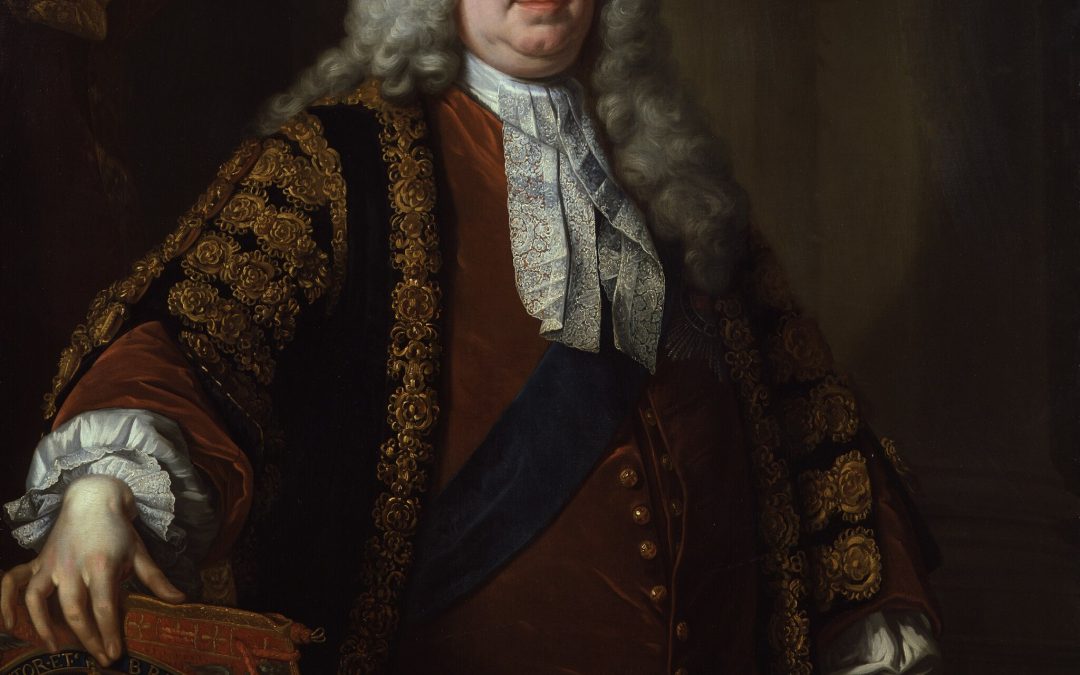
Sir Robert Walpole (1676–1745) is widely regarded as Britain’s first de facto Prime Minister. He served as the head of government for over two decades. As a statesman, he navigated the complexities of early 18th-century politics, consolidating the power of the...
by Helen Kain | May 24, 2025 | Act IV - Reinvention, Carousel Fascinating People, Fascinating People, FP Act V — Civilization Compounds, Georgians (1714–1837)
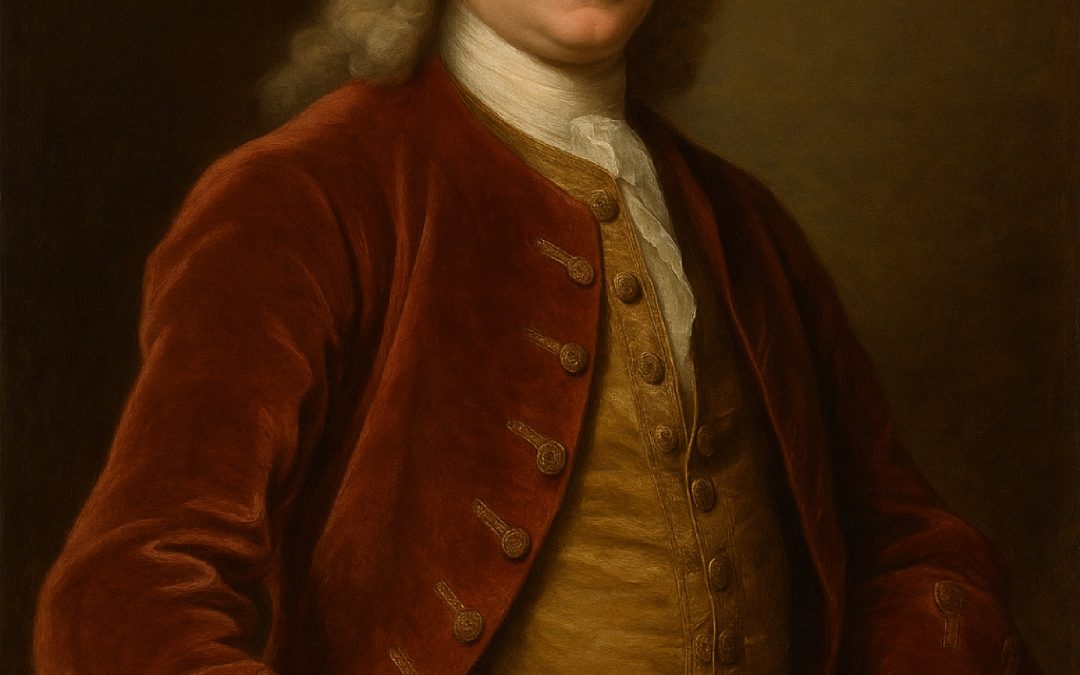
If Edward Coke helped define English law, Thomas Coke redefined what it meant to be an English gentleman. Scholar, traveller, architect, patron, and ultimately peer, the 1st Earl of Leicester left his mark not in courtrooms, but in bricks, marble, and the grandeur of...

by Helen Kain | May 24, 2025 | Act IV - Reinvention, Carousel Fascinating People, Fascinating People, FP Act V — Civilization Compounds, Georgians (1714–1837)
Born in 1754, Thomas William Coke, best remembered as “Coke of Norfolk”, was a quiet revolutionary. Not in courtrooms or on battlefields, but in the furrows of East Anglia’s fields. While his ancestors had shaped the English legal tradition and...