While Osborne House dazzles with its grand Italianate design, Swiss Cottage tells a different story—one of practicality, education, and industriousness. Nestled in the estate’s grounds, this charming alpine-style cottage was more than a playhouse; it was a classroom where Victoria and Albert’s children learned the value of hard work, self-sufficiency, and responsibility. In an era when royal children were expected to be pampered, the Swiss Cottage experience was an extraordinary experiment in hands-on education.
A Playground with a Purpose
Prince Albert commissioned and built Swiss Cottage in the 1850s. It was modelled after the Swiss-style chalets he had admired in his native Germany.

It was a place where the royal children—nine in total—could immerse themselves in the practical skills that Albert and Victoria so strongly believed in. The idea was simple but revolutionary for the era: education should be experiential, not just theoretical.
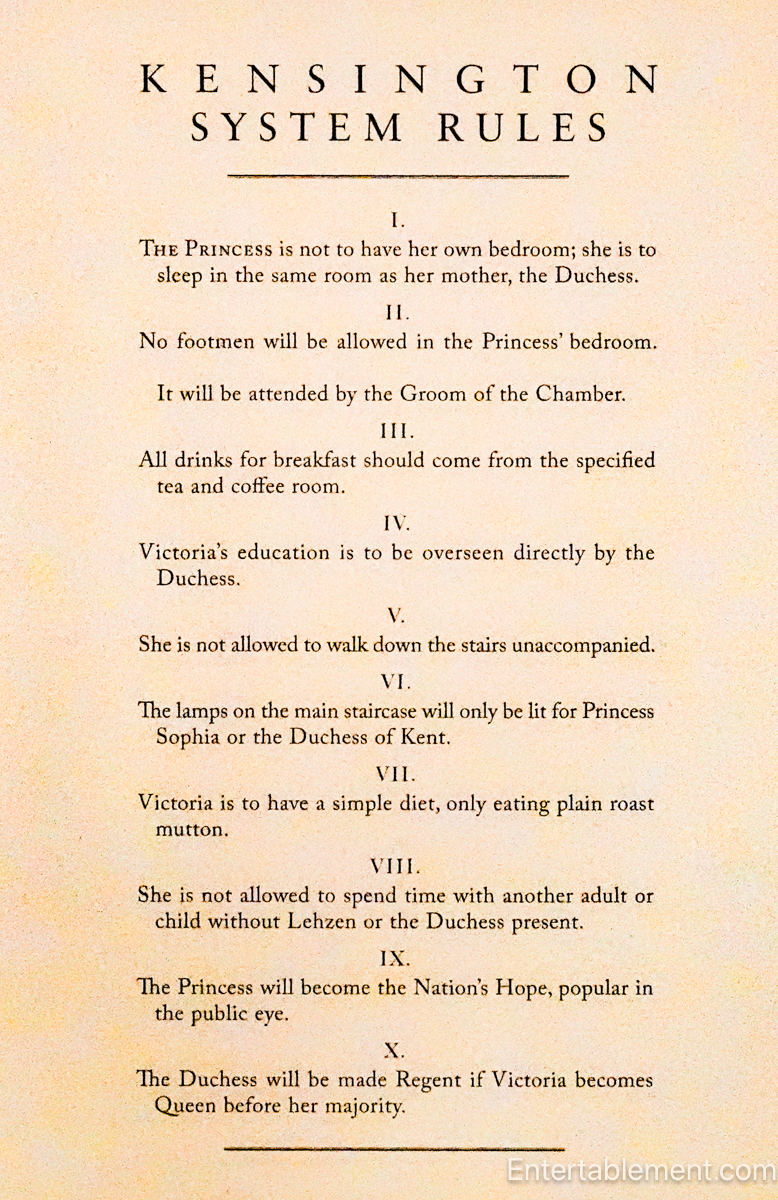
And it could not have been further removed from Victoria’s upbringing under the Kensington System imposed by her mother’s advisor, Conway:
Inside Swiss Cottage: A Miniature World of Learning
The cottage was no ordinary playhouse. It was a fully functional, scaled-down home where the children were expected to take on household responsibilities themselves. Here’s what made Swiss Cottage remarkable:
The Kitchen & Dining Room – The young royals learned to cook meals from scratch, preparing simple yet nourishing dishes under the guidance of their governesses.


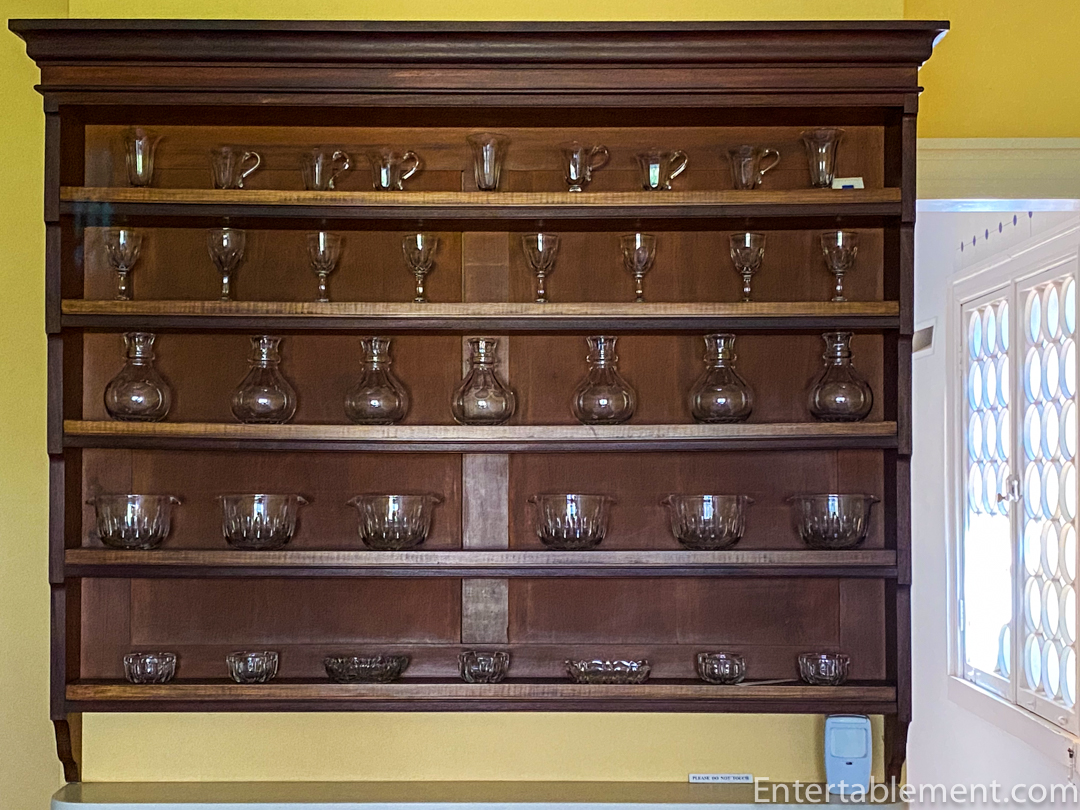
Next door was a pantry holding all the china and glassware to set the table.

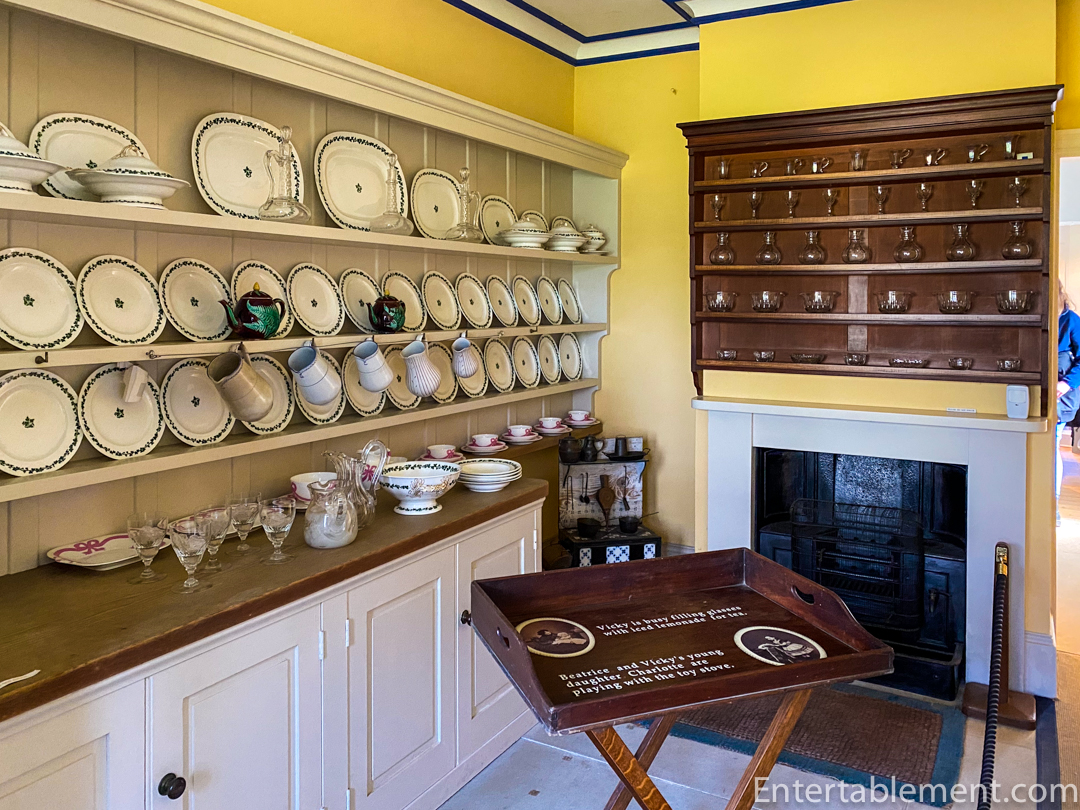
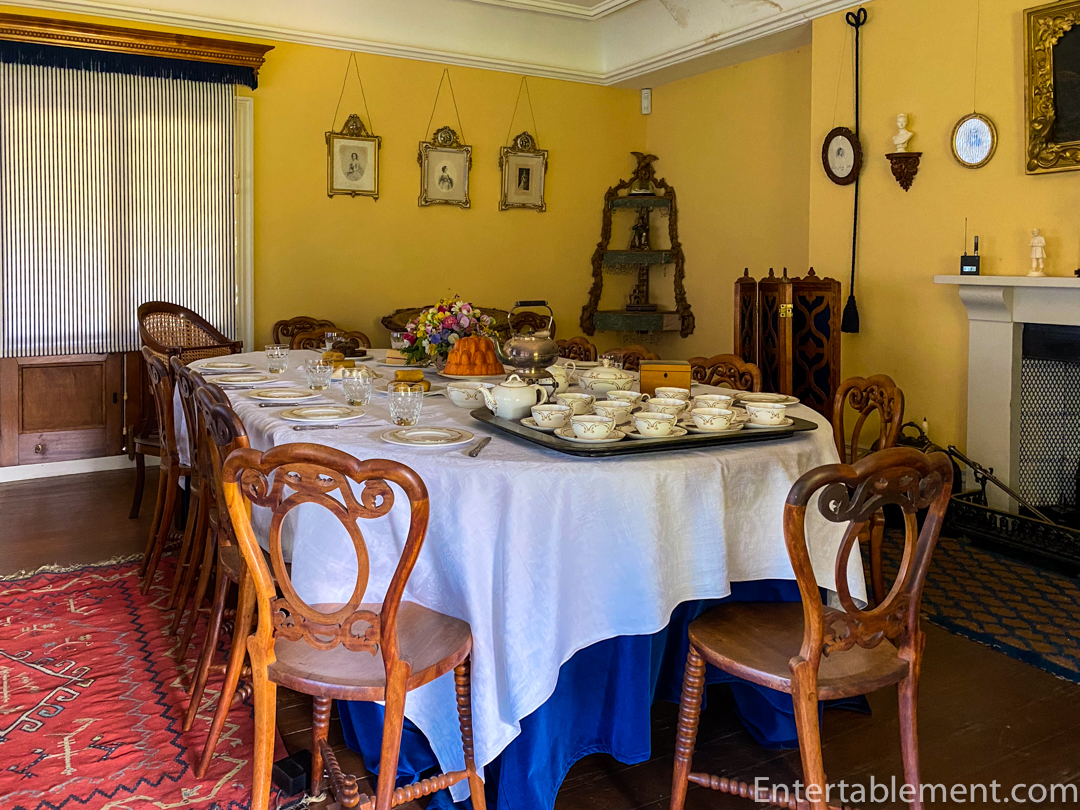
Once their meals were ready, the children dined in their own dedicated space, reinforcing that they were responsible for feeding themselves. They also entertained their parents. Taking complete responsibility for the meal.

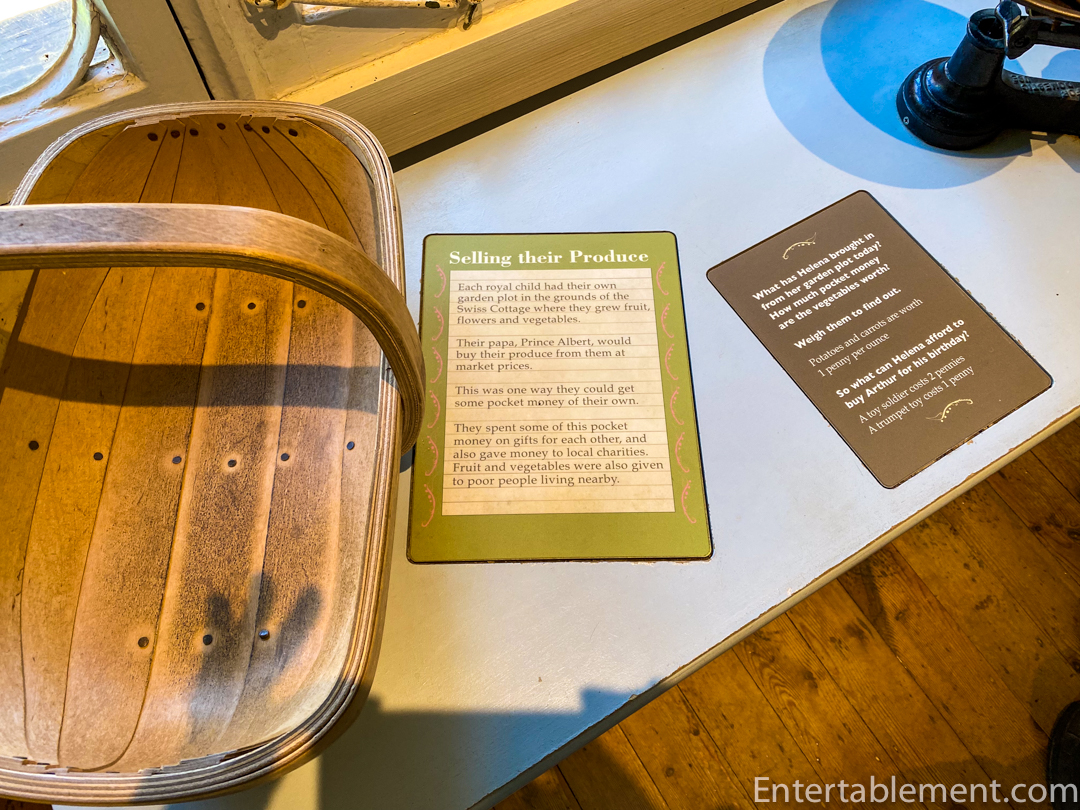
A Working Economy – The children maintained their small economy to reinforce the value of labour and commerce. They grew vegetables in the surrounding gardens and then sold their produce to Prince Albert, who paid them a fair price. This introduced them to basic business principles and personal responsibility.
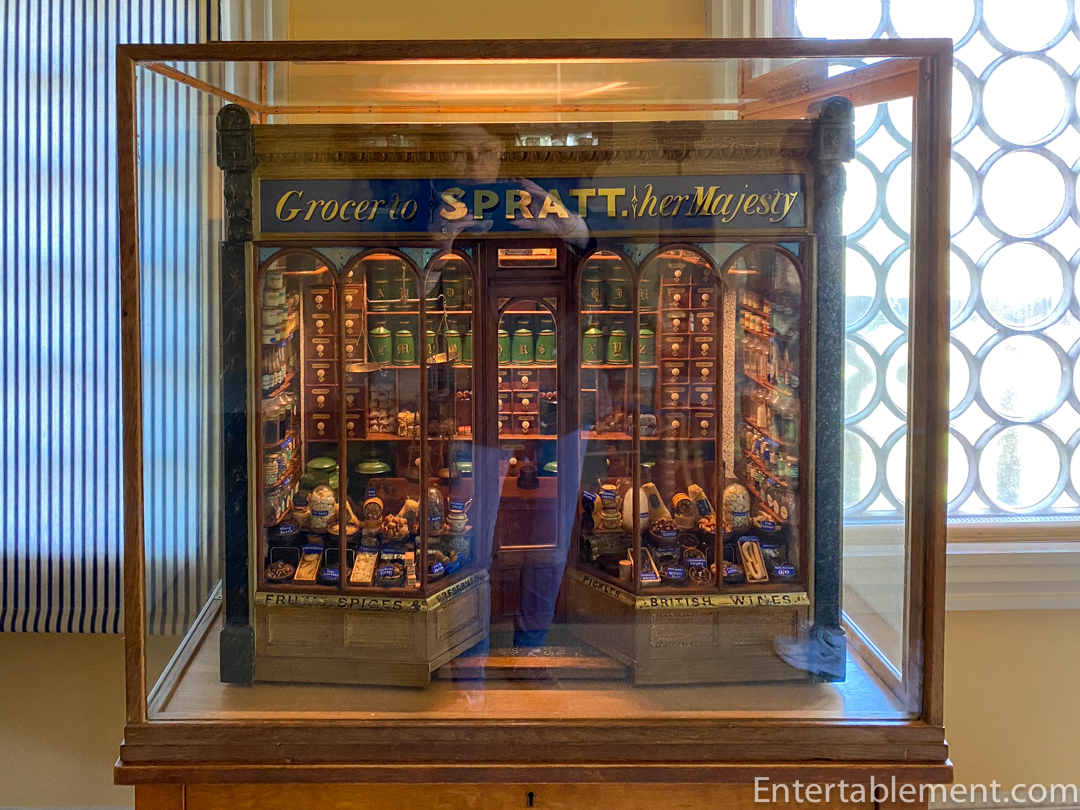
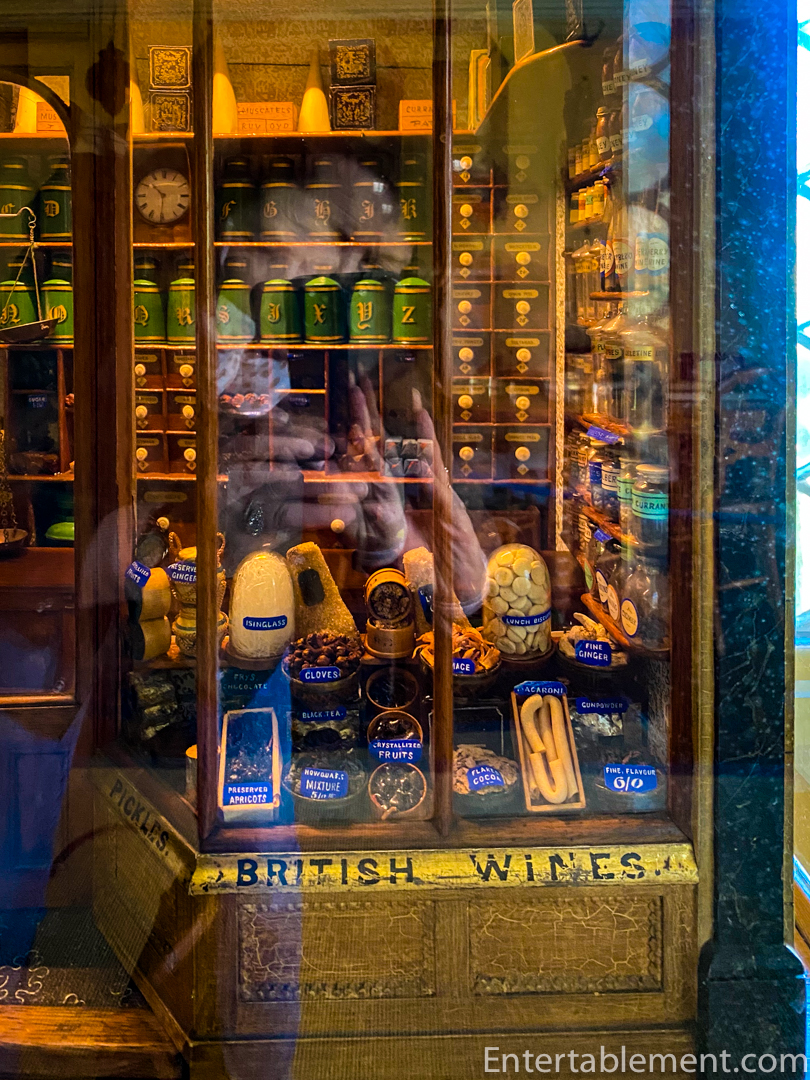
Taking their lessons further, the children ran a miniature grocer selling dry goods, produce, and handmade goods.
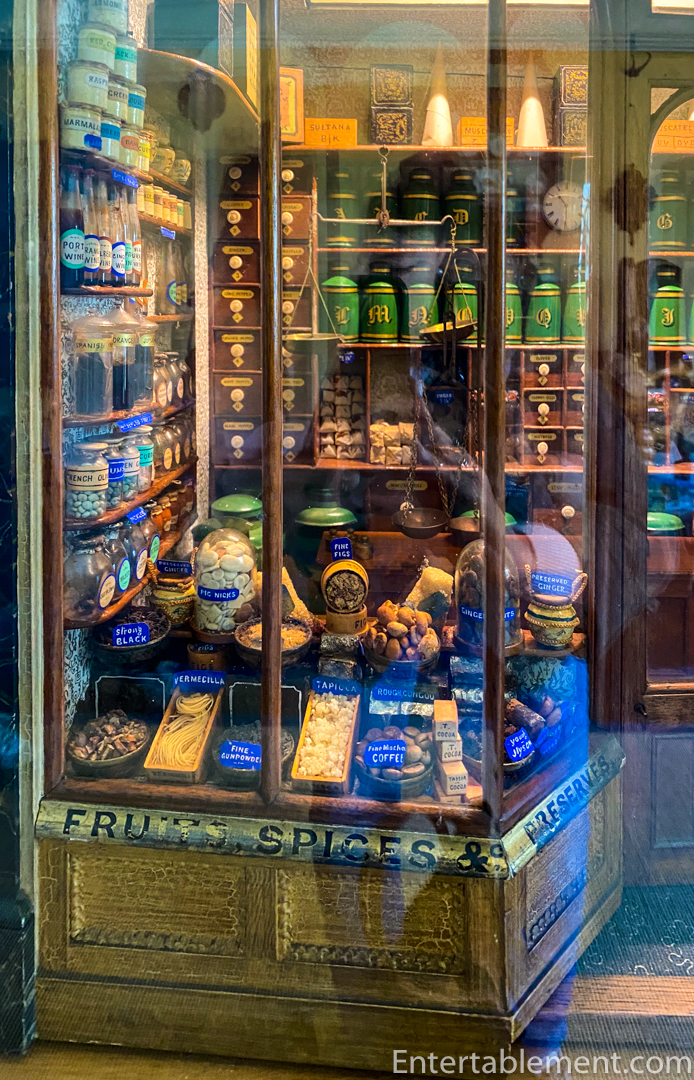
They used a cash register to track transactions, with Prince Albert personally checking their books for accuracy, ensuring they grasped financial responsibility at an early age.

The Hands-On Approach to Education – Unlike the traditional, rigid royal upbringing, Swiss Cottage allowed hands-on learning. The children engaged in science experiments, nature studies, and manual labour under their parents’ watchful but encouraging eyes.
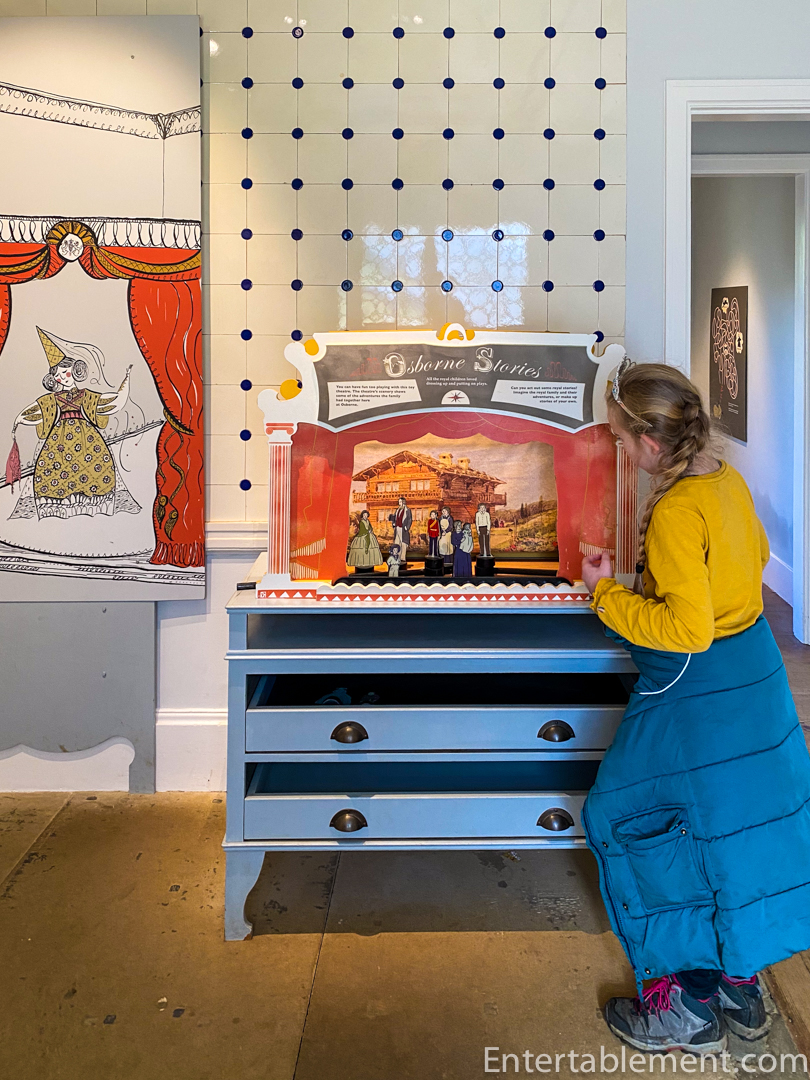
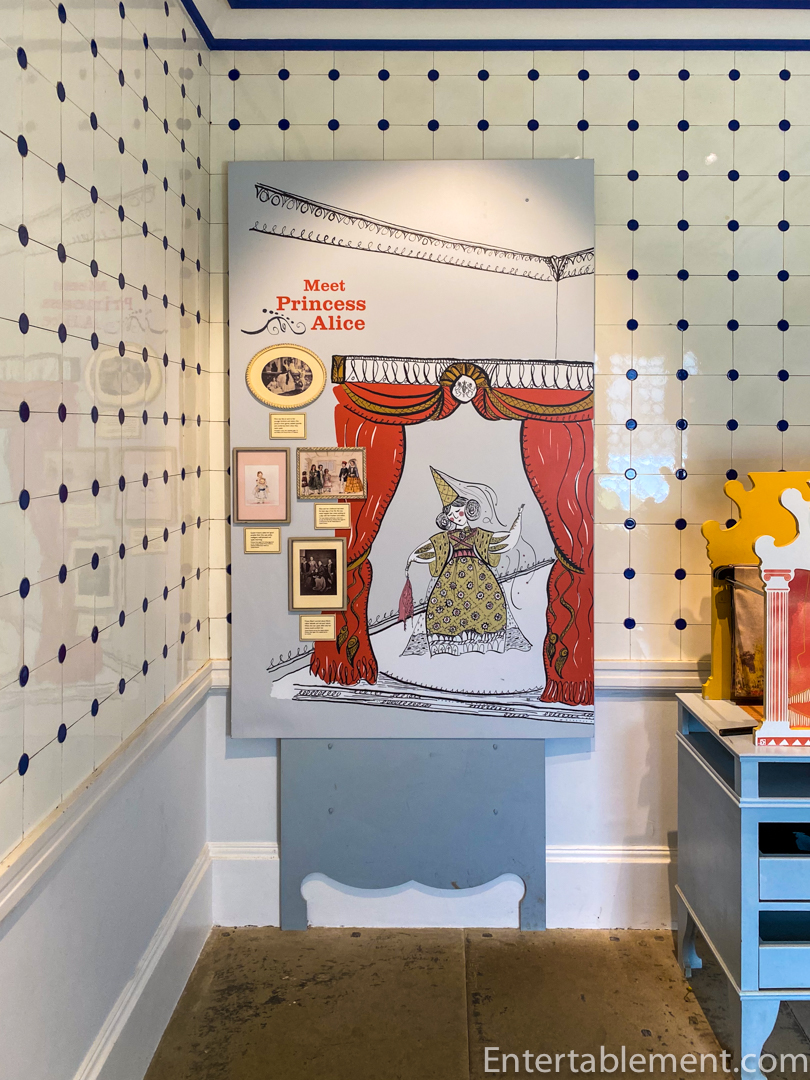
It wasn’t all hard work—there was also playtime. Swiss Cottage has a reconstructed theatre similar to the one in which the children played.
The Royal Children’s Gardens & Farm
Each child was assigned a garden plot, which they tended with honest effort and care. They grew vegetables, flowers, and fruit, learning the intricacies of cultivation.
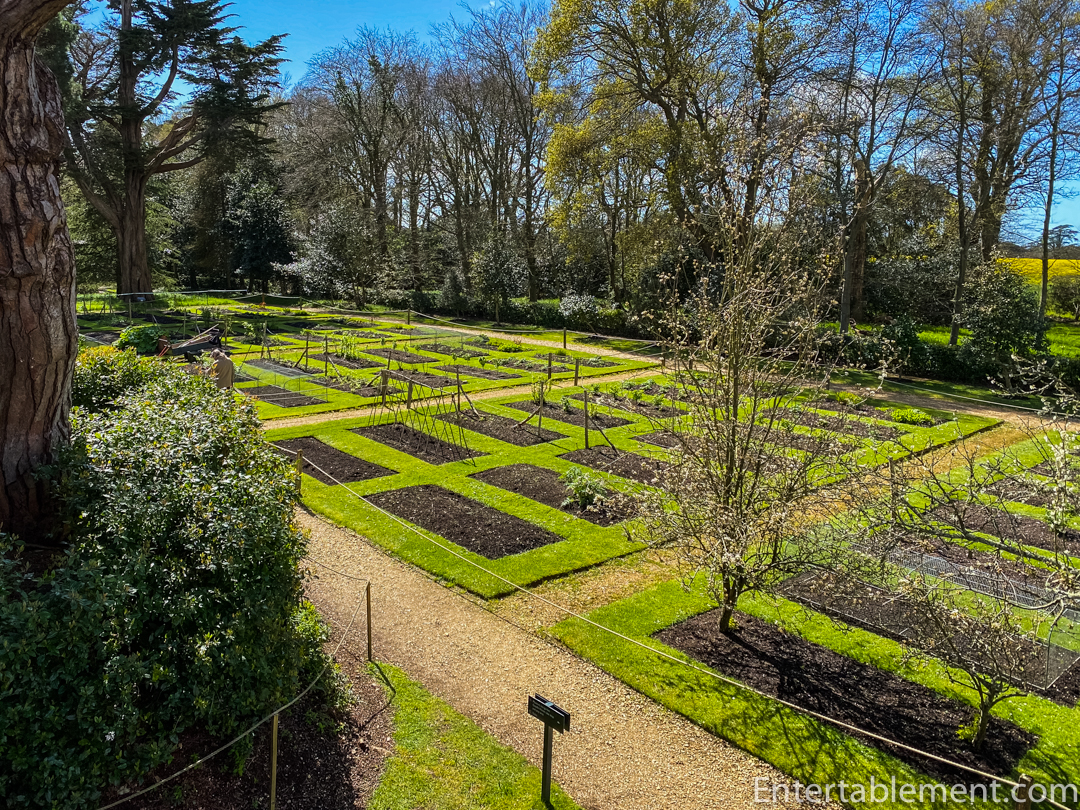
The process was about gardening and understanding the connection between effort and reward—an unusual lesson for royal offspring, but reflecting Albert’s progressive beliefs about child-rearing.
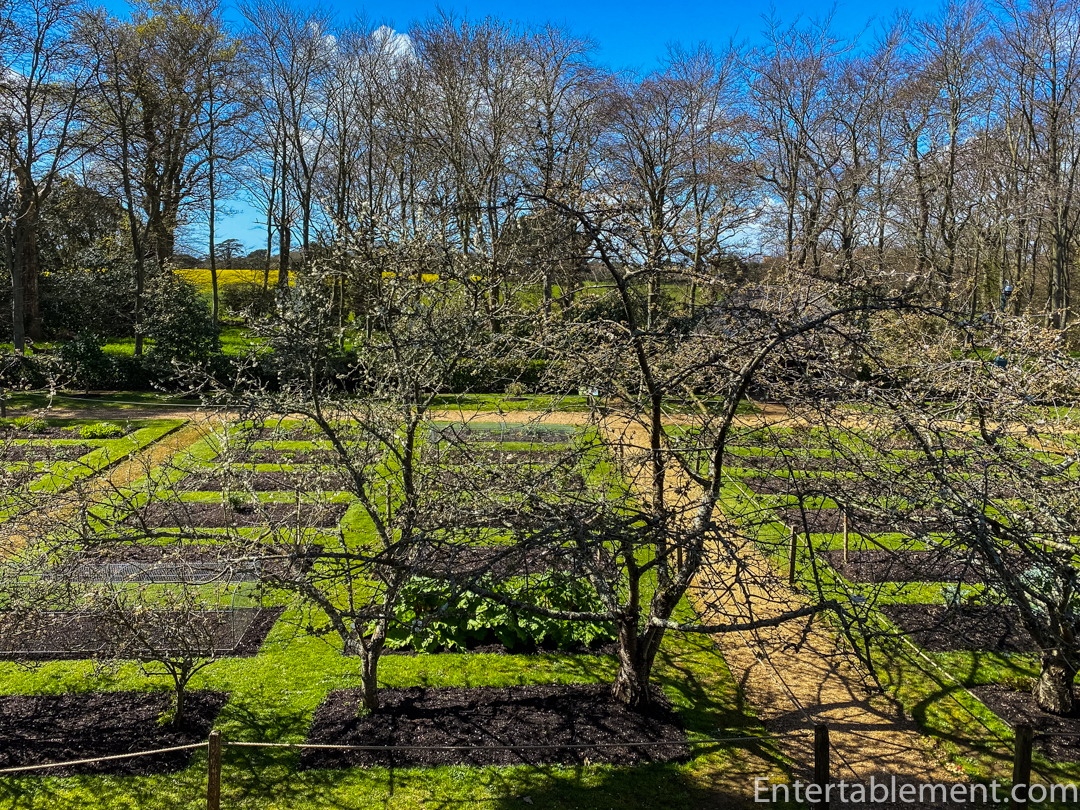
The small working farm nearby complemented this experience. It was designed to teach the children about agriculture and animal husbandry, connecting them to the land in a rare way for the aristocracy of the time.
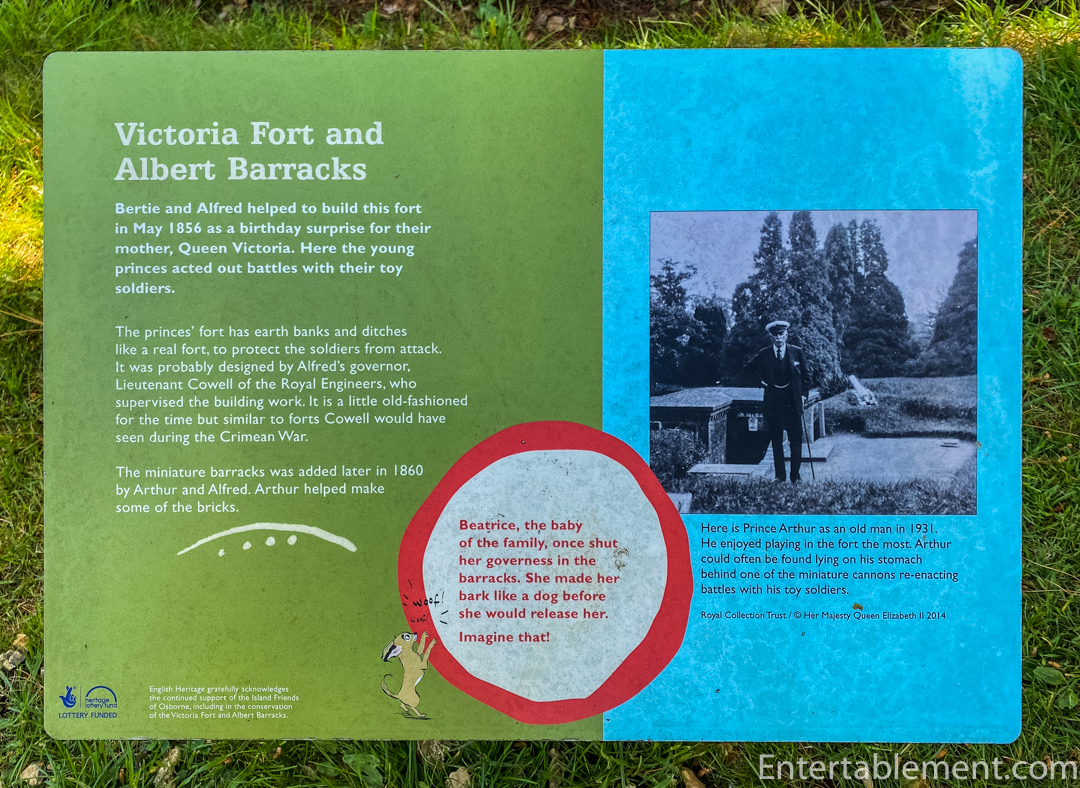
The Miniature Barracks—The royal children constructed their small barracks near Swiss Cottage to foster a sense of discipline and appreciation for military life. Modelled after actual military quarters, they used the area as a play area where they could practice drills and engage in mock military exercises.

This reflected Victoria and Albert’s strong ties to the British armed forces and their belief in a structured upbringing.
Victoria and Albert encouraged their offspring to collect objects of interest—natural specimens, model ships, historical artifacts—and display them in a museum-like setting. This activity fueled their curiosity and instilled a sense of intellectual discipline. Among the collections were:
- Shells and fossils reflect the Victorian fascination with the natural world.
- Military memorabilia, a nod to the family’s deep connections to the British armed forces.
- Scientific instruments demonstrate their engagement with the technological advancements of the era.
Swiss Cottage’s Lasting Influence
The lessons learned at Swiss Cottage had a lasting impact on Victoria and Albert’s children. Many carried these values into their adult lives, applying principles of diligence and duty to their royal roles. Even today, echoes of this practical, hands-on education can be seen in the approach of modern royals—King Charles III’s dedication to organic farming and environmental sustainability, for example, can be traced back to the values instilled in his ancestors at Osborne.
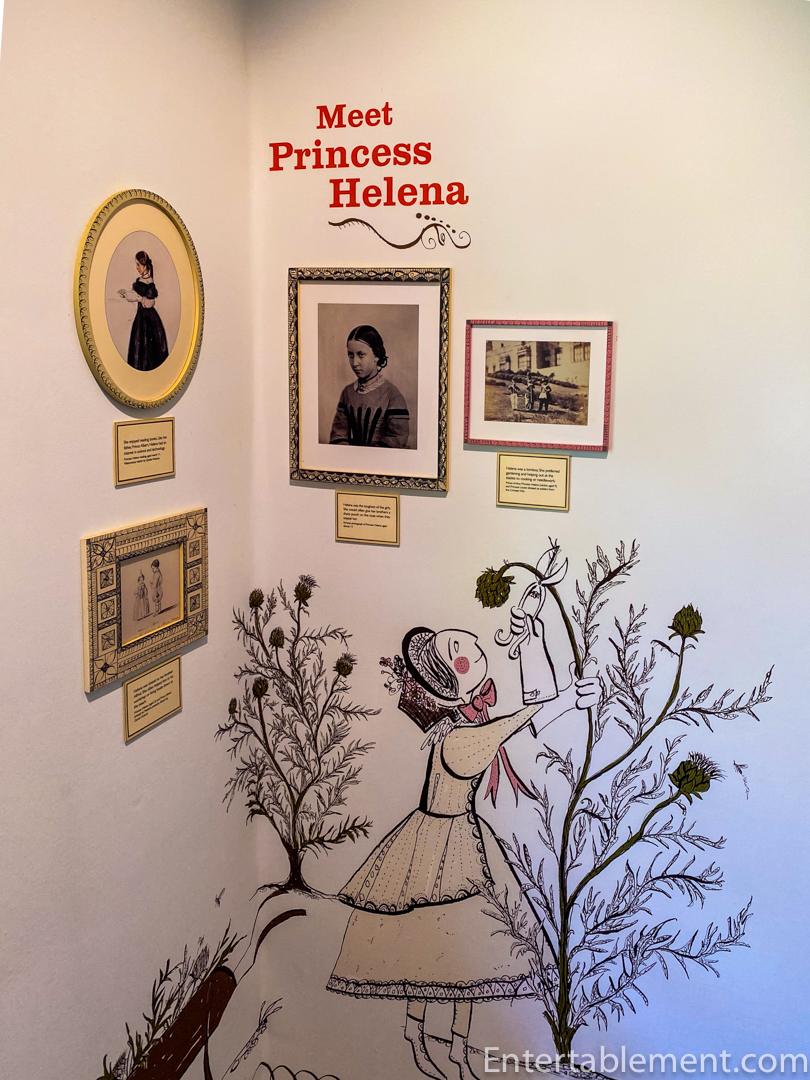
Swiss Cottage also remains a remarkable example of how progressive Victoria and Albert were as parents. While their royal contemporaries often emphasized privilege and formality, they sought to raise children who understood the importance of responsibility, work ethic, and intellectual curiosity.
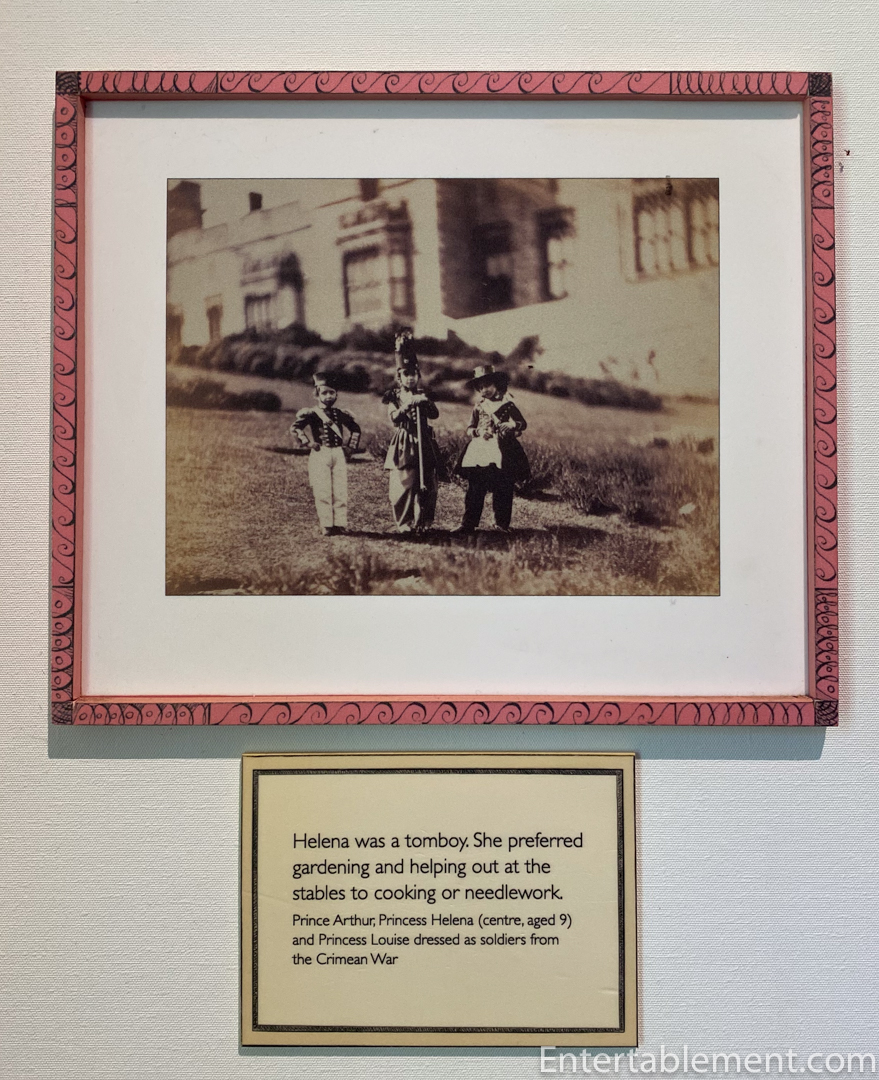
It was interesting to see the profiles of the children and how they differed.
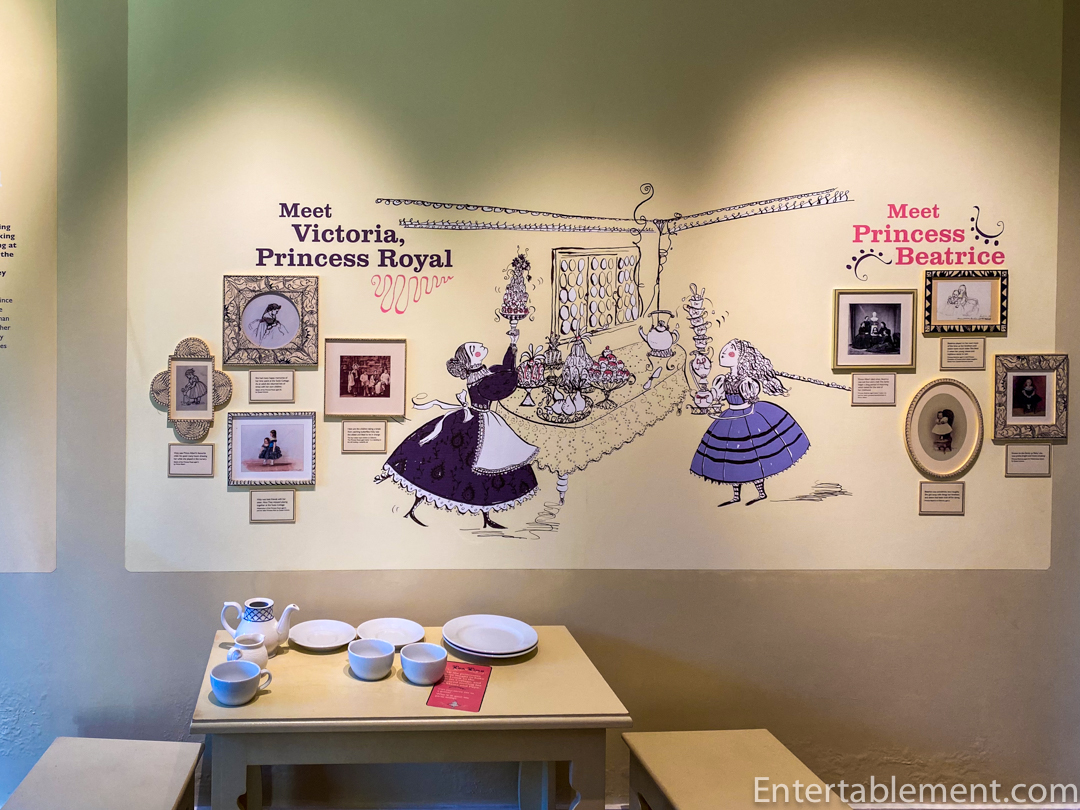
Conclusion
Swiss Cottage is a testament to an extraordinary philosophy of royal upbringing that prioritized education through experience. Unlike the grandeur of Osborne House, this charming chalet offers a more intimate glimpse into the childhood of some of Britain’s most significant historical figures. For modern visitors, it is a rare opportunity to see a different side of Victoria and Albert’s world—a place where future kings and queens learned to cook, garden, and manage their own affairs.
Swiss Cottage is not just a relic of the past; it remains relevant today as a reminder that even the most privileged benefit from learning the fundamentals of self-reliance and hard work. In a world increasingly disconnected from the basics of everyday life, perhaps we could all take a lesson from Swiss Cottage.