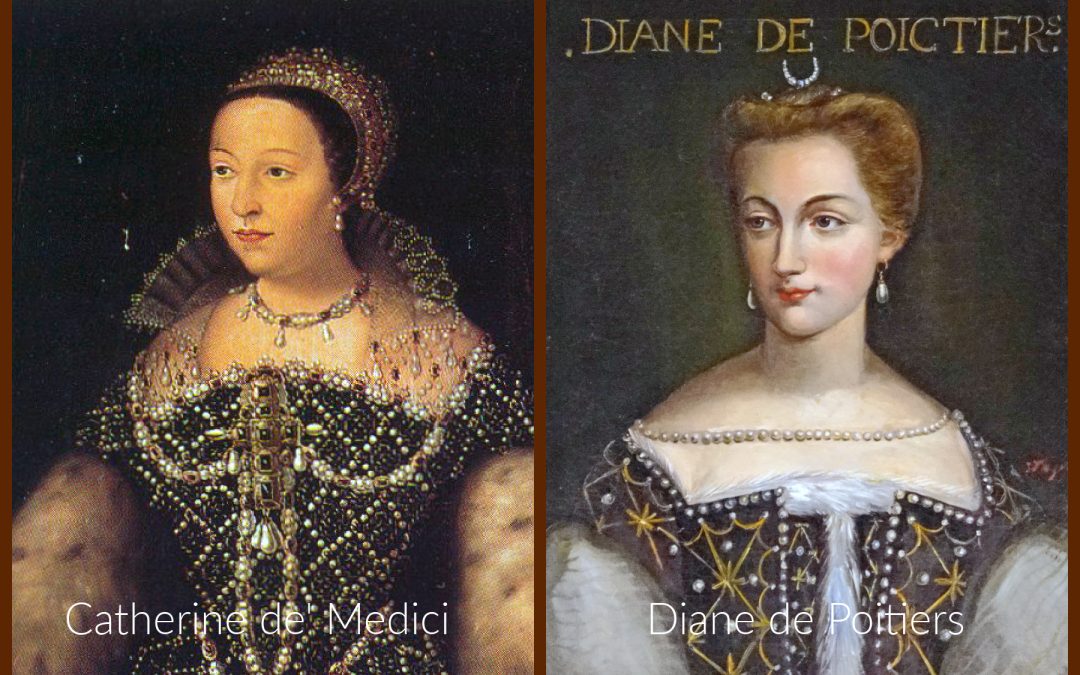
Few rivalries in history are as deliciously dramatic—and as deeply embedded in architecture—as that of Catherine de Medici and Diane de Poitiers. These two formidable women left their mark not just on French politics, but quite literally on its châteaux.
Catherine de Medici, an Italian noblewoman from the powerful Medici dynasty, married Henry II of France in 1533. But despite her position as queen, she spent much of her married life in the shadow of her husband’s mistress, Diane de Poitiers. Elegant, intelligent, and nearly two decades older than the king, Diane wielded real power. She controlled court patronage, signed royal documents, and even lived in the exquisite Château de Chenonceau—a crown jewel in the Loire Valley gifted to her by Henry.
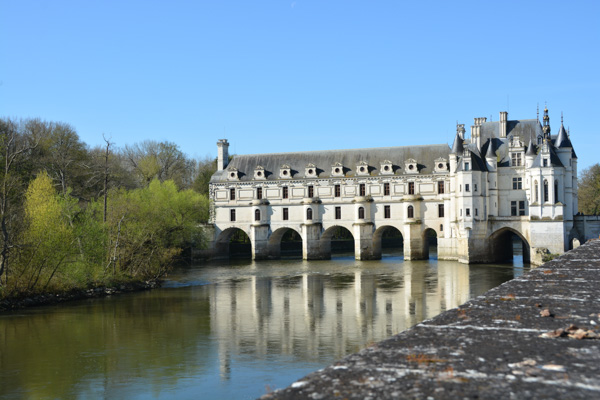
Château de Chenonceau
Catherine, sidelined and humiliated for years, bided her time. When Henry died in 1559, the queen struck back. As the mother of the new king, she swiftly reclaimed her authority. Diane was banished from court, ordered to return the crown jewels, and—most dramatically—was evicted from Chenonceau. In return, she was given the nearby Château de Chaumont.
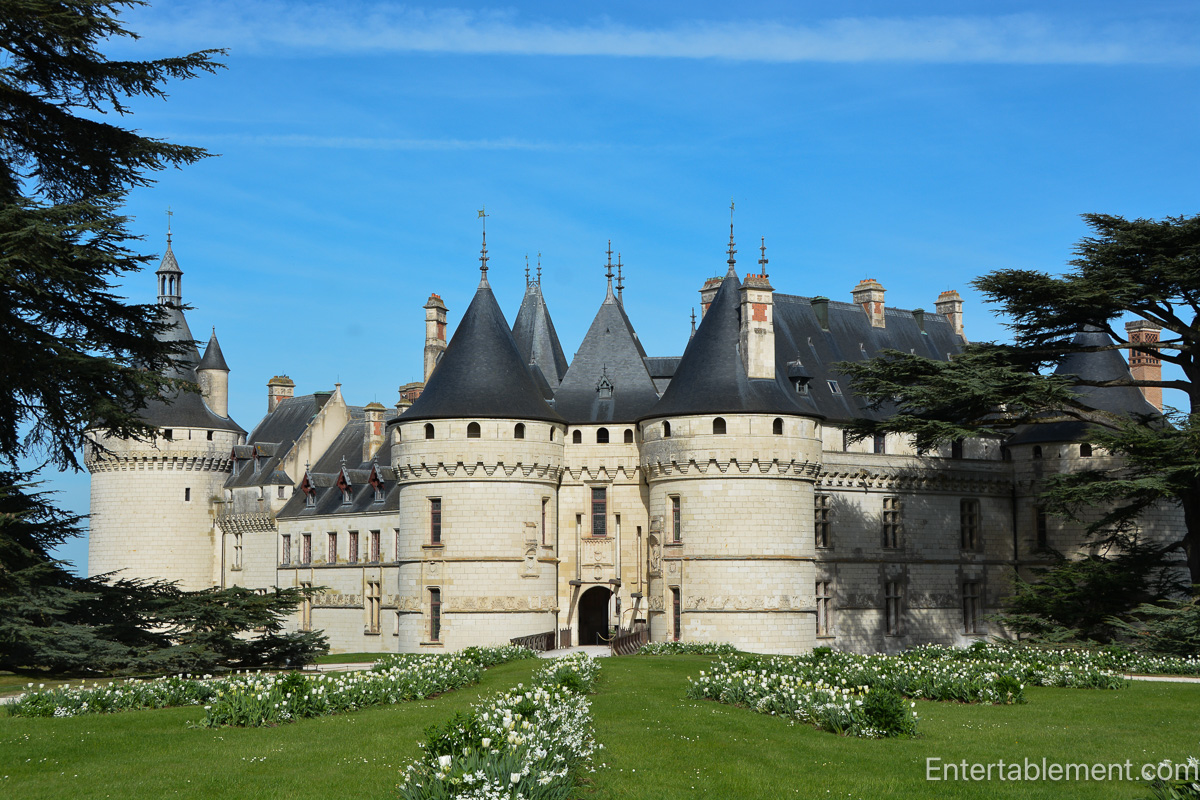
Château de Chaumont
The irony? While Catherine redesigned and expanded Chenonceau with grand galleries and gardens to secure her legacy, some argue that Diane may have come out ahead. Chaumont, perched high above the Loire, commands breathtaking views and remains a masterpiece in its own right.

Their story is a powerful blend of politics, passion, and stone—immortalized in two of the most iconic châteaux of the Loire. It’s a perfect echo of the Châteaux of the Loire Gien tableware collection: beauty, elegance, and a whisper of intrigue with every glance.