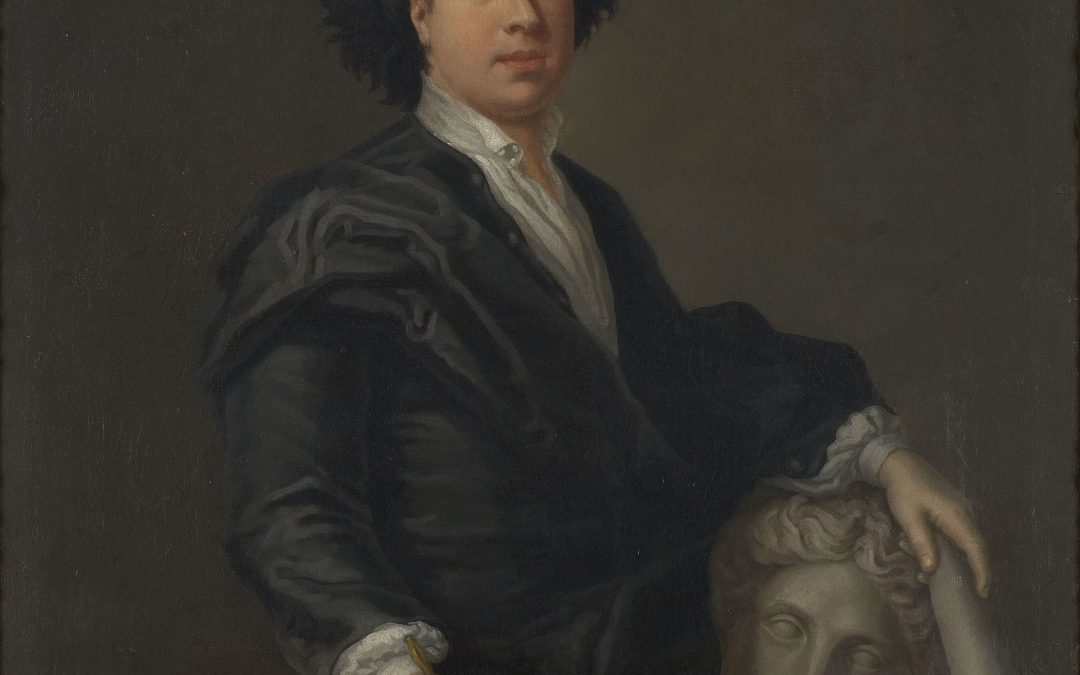
Early Life and Training
Born in Bridlington, Yorkshire, in 1685, William Kent began his career as a painter and was apprenticed to a coach-painter before securing sponsorship to study in Italy. His time in Rome exposed him to the classical ideals of architecture and design, particularly the works of Palladio, which would shape his career upon his return to England.
Architectural Influence and Rise to Prominence
Kent returned to England around 1719, where he became closely associated with Richard Boyle, 3rd Earl of Burlington, an aristocrat passionate about Palladian architecture. Burlington became Kent’s greatest patron, allowing him to apply his classical training to various projects.
While initially known for his interior design and painting, Kent quickly established himself as an architect, helping to define the English Palladian movement. His style emphasized symmetry, grand proportions, and a return to classical principles inspired by ancient Rome. He was also deeply involved in landscape design, pioneering the shift from formal gardens to the more naturalistic English landscape garden style. Kent played a pivotal role in transitioning from Gothic to Classical architecture, reshaping British design sensibilities with his embrace of Palladianism.
Major Works
Kent’s work spanned country houses, royal residences, and public buildings, many of which remain some of the most celebrated examples of 18th-century British architecture:
- Chiswick House, London (c. 1725) – A masterpiece of Palladian architecture designed in collaboration with Lord Burlington.
- Holkham Hall, Norfolk (1734–1764) – Designed for Thomas Coke, 1st Earl of Leicester, this grand estate remains one of Kent’s most famous works.
- Houghton Hall, Norfolk (c. 1722–1735) – Built for Sir Robert Walpole, Britain’s first Prime Minister, showcasing Kent’s mastery of interior decoration.
- Kensington Palace Interiors (c. 1720s) – Kent designed much of the lavish interior for King George I, including the grand King’s Staircase.
- Horse Guards, London (1750s, posthumous completion) – Though completed after his death, Kent’s design for this iconic government building remains a central feature of Whitehall.
- Worcester Lodge, Badminton Estate (1746) – A striking example of Kent’s ability to combine Palladian principles with grand landscape design. Built as an entrance gateway to the Badminton Estate, Worcester Lodge is both a functional and ornamental structure, offering a magnificent view down the estate’s axial avenue.
- Rousham House and Gardens, Oxfordshire (1737–1740s)—Kent transformed Rousham’s gardens into a quintessential example of the English landscape style. His work included creating naturalistic water features, classical temples, and sweeping vistas, blending architecture with the landscape. While the house remains private, private tours can be arranged, making it an exclusive yet worthwhile experience for enthusiasts of Kent’s work.
Innovations in Interior and Landscape Design
Kent was as influential in interior decoration and furniture design as he was in architecture. His interiors often featured rich gilded details, intricate mouldings, and grand fireplaces. He designed bespoke furniture to complement his architectural spaces, emphasizing harmony between structure and furnishings.
In landscape design, Kent was crucial in transitioning from rigid formal gardens to the more relaxed and naturalistic English landscape garden. Working alongside Charles Bridgeman and later influencing Capability Brown, he created winding paths, sweeping lawns, and carefully placed architectural follies, helping to define the aesthetic of the English country estate. His work at Rousham House and Gardens is one of the finest surviving examples of his vision, with carefully designed sightlines, playful ruins, and a seamless integration of nature and art.

Rousham House Rose Garden
Personal Life and Contemporary Criticism
Despite his success, William Kent never married. He was known to have a close circle of influential friends, including Lord Burlington, and his professional collaborations often blurred into strong personal connections. He was deeply devoted to his work, spending most of his time in architectural and design pursuits. While his personality was somewhat reserved, he possessed a theatrical flair, which is evident in his designs.
Kent remained closely connected to his Yorkshire roots and was proud of his background. Though he spent most of his life in London and Norfolk, he never forgot his origins, occasionally referencing them in his letters and conversations.
During his lifetime, Kent was not without his critics. Some viewed his designs as overly theatrical, with excessive ornamentation and a tendency to prioritize artistic vision over practicality. His lack of formal architectural training also led some contemporaries to dismiss his work as derivative or lacking structural ingenuity. His ability to fuse architecture, interiors, and landscape into a unified vision cemented his reputation as a transformative figure in British design.
Legacy and Influence
William Kent’s work laid the foundation for much 18th-century British architecture, influencing generations of architects and designers. His championing of Palladian ideals helped shape England’s grand country houses, while his landscape innovations revolutionized garden design.
Despite some criticism during his lifetime for his lack of formal architectural training, Kent’s impact on British design is undeniable. His ability to seamlessly integrate architecture, interiors, furniture, and gardens set a new standard for aristocratic estates and public buildings.
Final Years and Death
Kent remained influential in British architecture and design until he died in 1748. He was buried in St. Mary Abbots Church, Kensington. Though often overshadowed by later architects like Robert Adam, his legacy endures in the great houses and gardens he shaped, making him one of the most important figures in English Palladianism.
Did You Know?
- Kent was instrumental in transforming Stowe House’s gardens into an early example of the English landscape style.
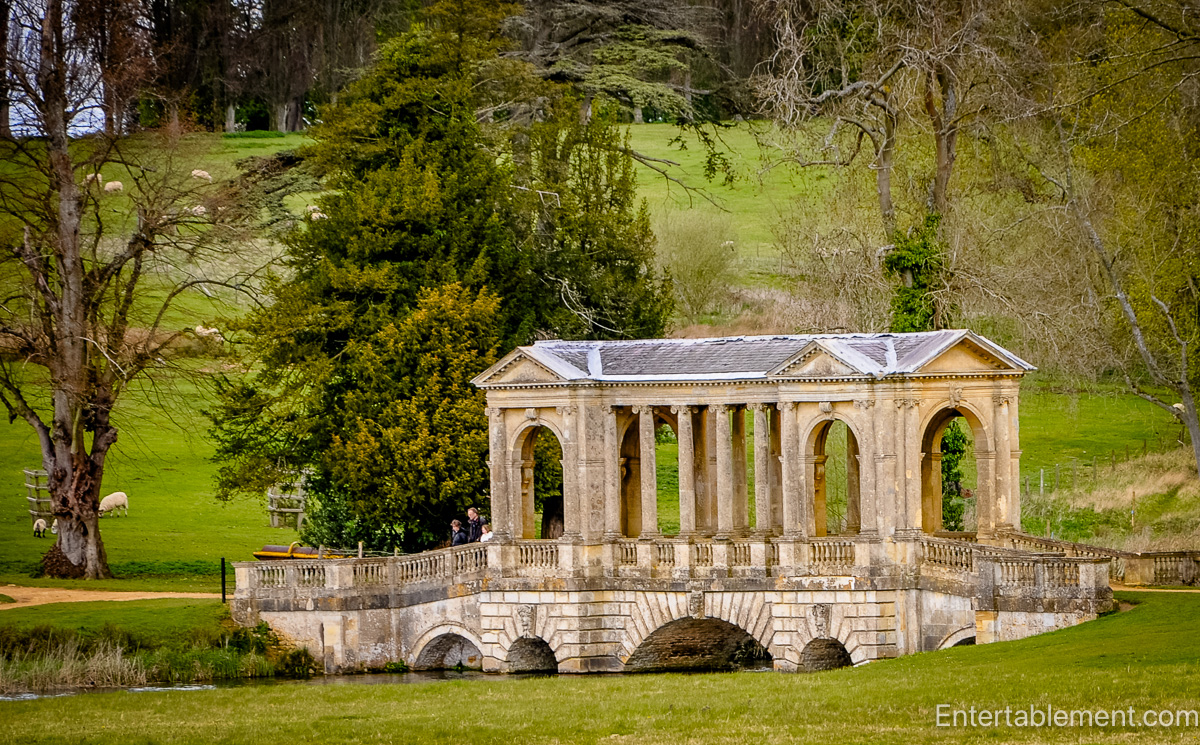
Kent’s Palladian Bridge at Stowe
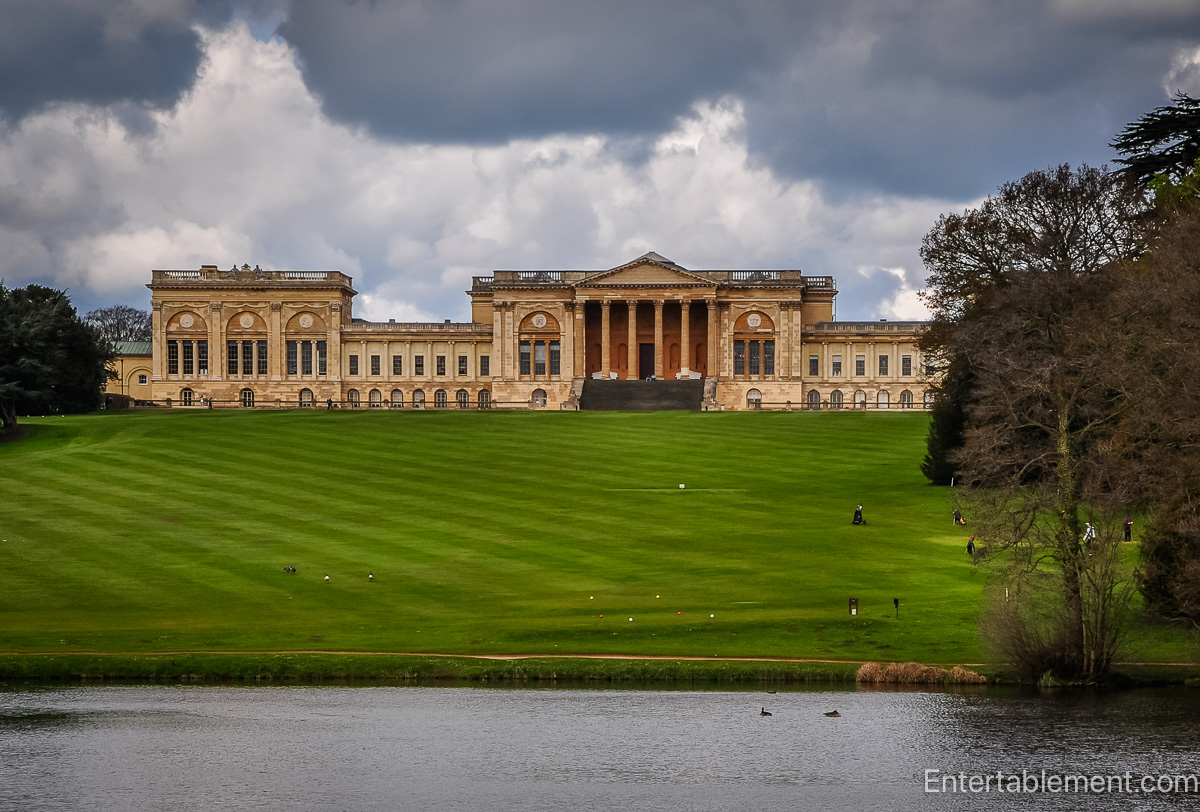
Stowe
- He designed the interiors for the Treasury building in Whitehall, emphasizing classical grandeur.
- His theatrical flair extended beyond architecture—he even designed costumes and stage sets for operas and masques.
- His landscape work at Rousham House is considered one of the most intact examples of his vision, offering a rare glimpse into 18th-century garden design. Private tours of Rousham House can be arranged for those eager to see the interiors, making it a rare opportunity to experience Kent’s designs firsthand.
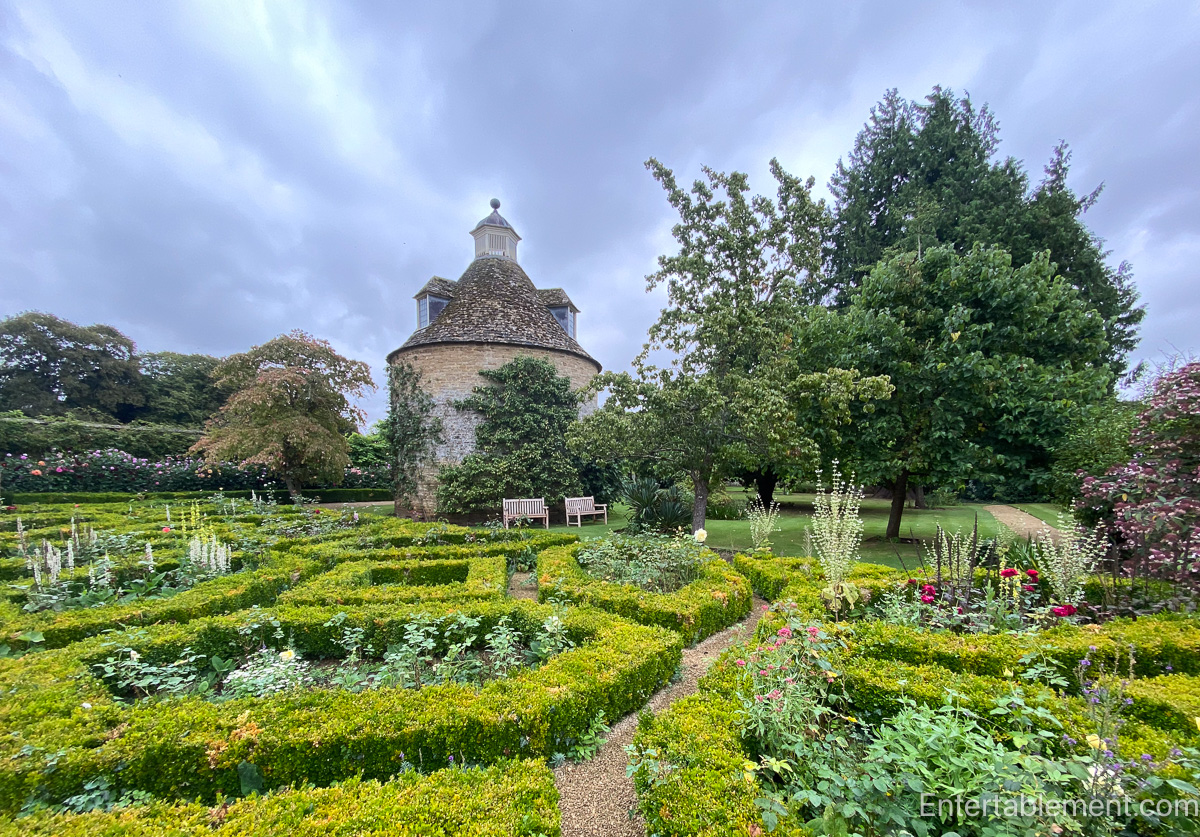
Rousham