The Power Behind the Throne
Born in 1520 into a well-connected but not aristocratic family, William Cecil studied at St John’s College, Cambridge, where he excelled in classical languages and law. His early career saw him enter government service under Edward VI, but it was under Elizabeth I that he became indispensable.
As Secretary of State and later Lord High Treasurer, Cecil navigated England through one of its most precarious periods. He steered the country through religious upheaval, foreign threats, and economic challenges, laying the groundwork for the Elizabethan Golden Age. A master of long-term strategy, he favored pragmatism over ideology, supporting Protestant reforms while maintaining a degree of caution to avoid alienating Catholic factions.
Intelligence Gathering
Cecil played a key role in intelligence gathering and domestic security, working alongside Francis Walsingham to uncover Catholic plots against Elizabeth, including the Babington Plot, which led to the execution of Mary, Queen of Scots. He also advocated for diplomatic solutions, striving to balance England’s relations with Spain and France while avoiding costly wars.
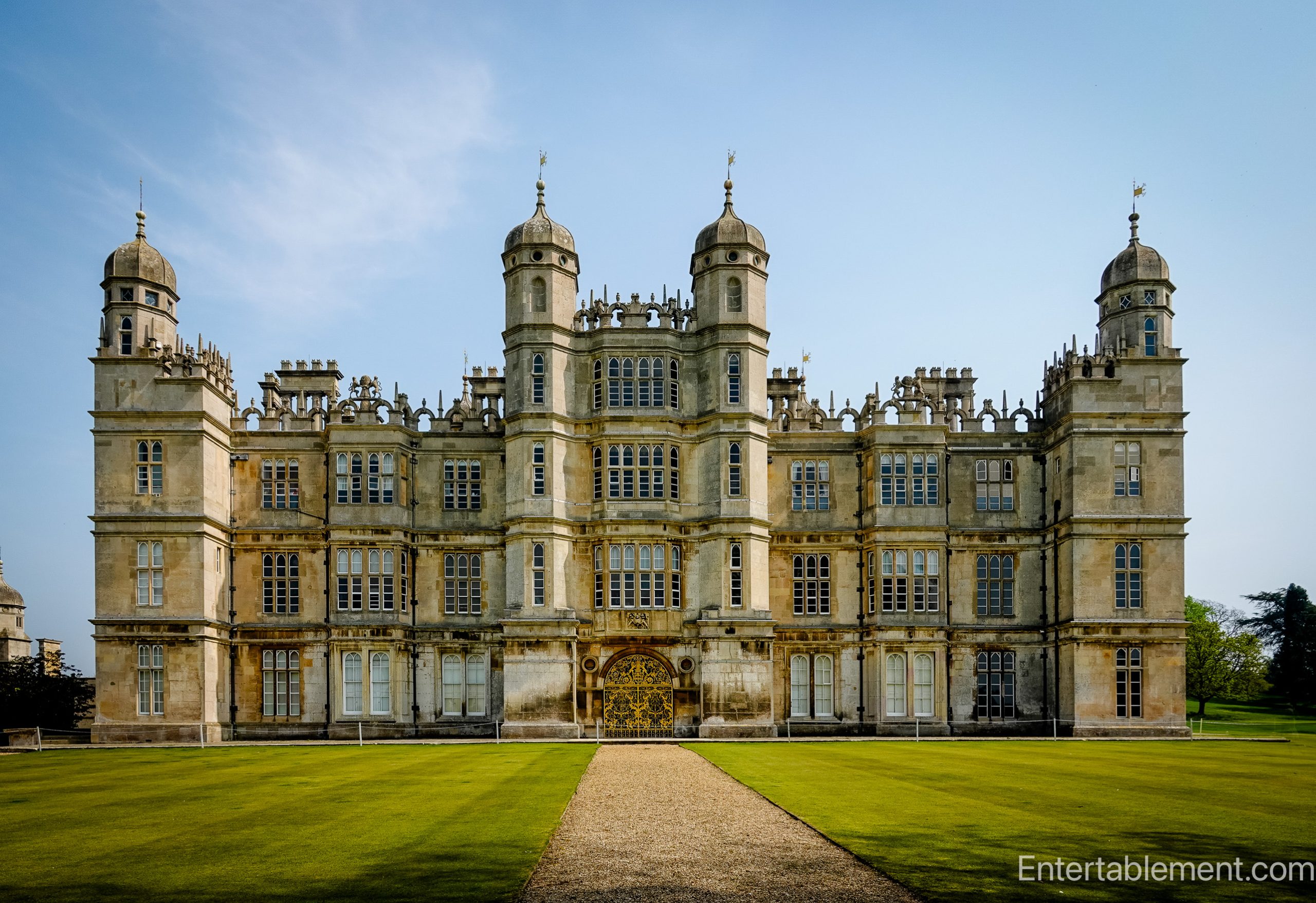
Burghley House
His architectural legacy remains visible today—his grand home, Burghley House, is one of the finest Elizabethan estates in England, a testament to both his wealth and his vision of stable governance.
Elizabeth famously said of Cecil: “This judgment I have of you: that you will not be corrupted by any manner of gifts, and that you will be faithful to the state.”
His legacy endured far beyond his lifetime, as his son Robert Cecil carried on his work, ensuring that the Cecil family remained at the heart of English politics for another generation.