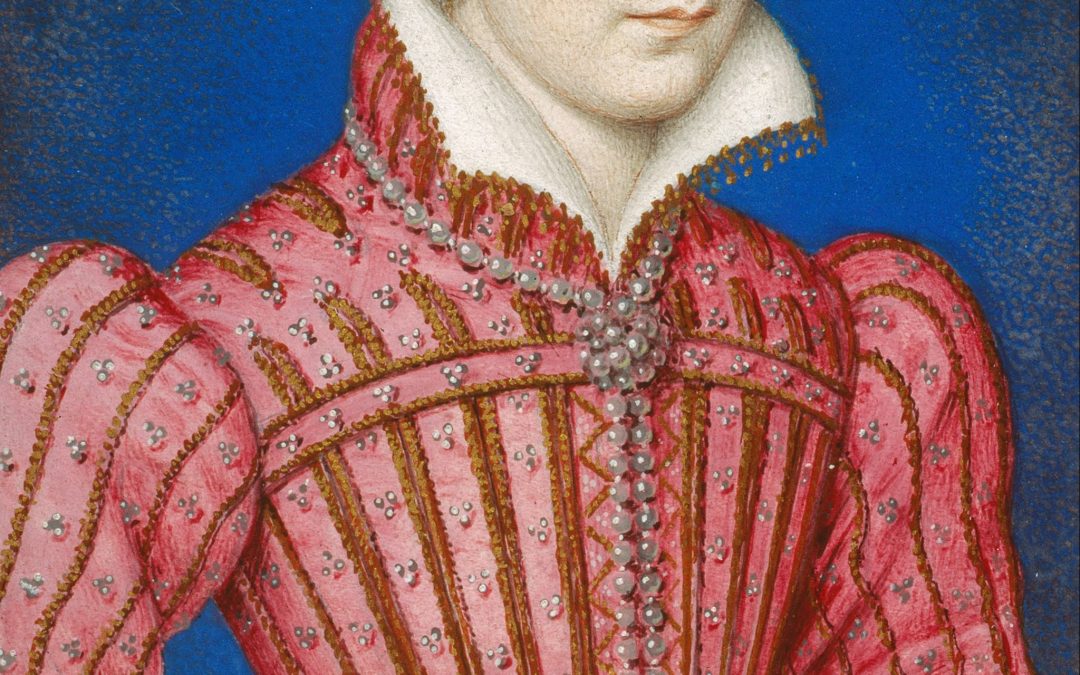
Mary, Queen of Scots, lived one of history’s most dramatic lives—a tale of power, betrayal, and tragedy. As a rival to Elizabeth I, she became a symbol of Catholic resistance in Protestant England, a queen who lost her throne, and a prisoner whose fate still fascinates historians today.
A Queen from Birth
Born in 1542, Mary became Queen of Scotland when she was just six days old, following the death of her father, James V. Her early life was spent in France, where she was raised as a Catholic and married the Dauphin, later Francis II of France. But when Francis died in 1560, the young widow returned to rule Scotland, stepping into a world of religious and political chaos.
A Stormy Reign in Scotland
Mary’s return to Scotland in 1561 was anything but smooth. As a Catholic monarch in a Protestant nation, she faced constant opposition. Her marriages only added to the turmoil:
- Henry, Lord Darnley – Their union quickly soured, and when Darnley was mysteriously murdered in 1567, suspicion fell on Mary and her rumoured lover, James Hepburn, Earl of Bothwell.
- Bothwell – The scandal deepened when Mary married Bothwell, fueling accusations that she had plotted Darnley’s death.
Her nobles rebelled, and she was forced to abdicate in favour of her infant son, James VI. Fleeing to England, she sought Elizabeth I’s help—but instead, she found herself a captive.
The Rivalry with Elizabeth I
Mary’s presence in England created a political nightmare for Elizabeth. As a Catholic with a strong claim to the English throne, Mary became a focus for Catholic plots against Elizabeth’s Protestant rule. Despite being held under house arrest for nearly 19 years, she remained a powerful figure in European politics.
In 1586, the infamous Babington Plot—a conspiracy to assassinate Elizabeth—was uncovered by Francis Walsingham, Elizabeth’s spymaster. Walsingham’s network of informants intercepted Mary’s coded letters, allegedly approving the plot, which sealed her fate.
The Execution of a Queen
In 1587, Elizabeth reluctantly signed Mary’s death warrant. The execution at Fotheringhay Castle was a grim spectacle—Mary dressed in crimson, the Catholic colour of martyrdom, meeting her end with dignity. Her final words, “In manus tuas, Domine, commendo spiritum meum” (“Into your hands, O Lord, I commend my spirit”), reinforced her image as a Catholic martyr.
Mary’s Legacy: A Queen Who Lived and Died for Her Cause
Though Mary’s life ended in tragedy, her son, James VI of Scotland, would later become James I of England, uniting the crowns in 1603—ironically fulfilling what Mary had always wanted.
Today, Mary remains one of history’s most romanticized figures, a queen caught between two faiths, two nations, and two powerful women. Whether seen as a tragic heroine, a reckless ruler, or a political pawn, one thing is certain—Mary, Queen of Scots, left an indelible mark on history.