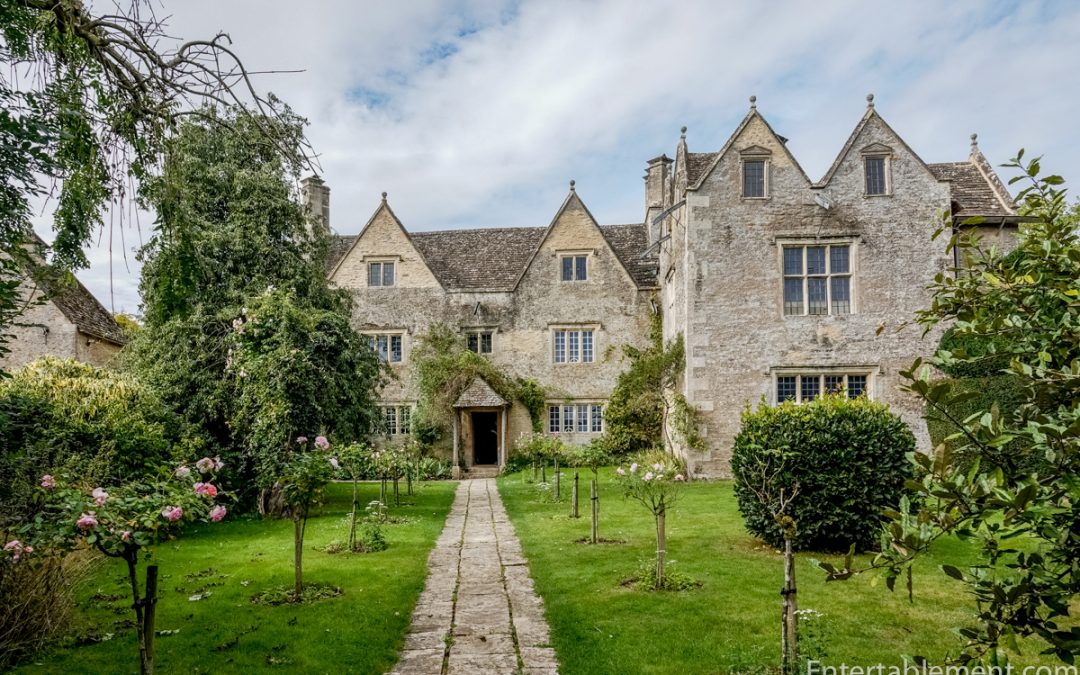
Nestled in the heart of the Oxfordshire countryside, Kelmscott Manor is a testament to the enduring beauty of the English Arts and Crafts movement.
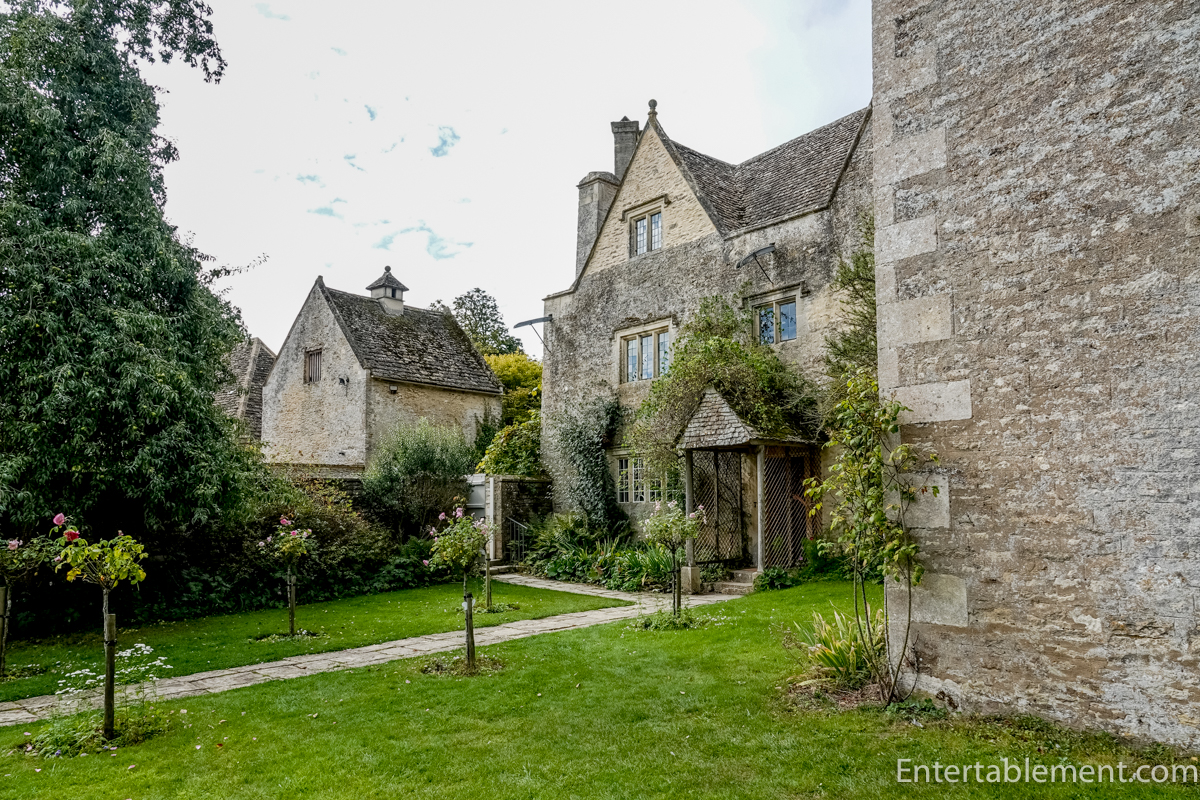
This 16th-century farmhouse, with its honey-coloured limestone walls and steep gabled roofs, was more than just a residence—it was a haven of inspiration for William Morris, the visionary artist, poet, and designer who shaped the decorative arts of his time.
The house, built around 1570, retains its Tudor character, with mullioned windows that catch the shifting light.

For Morris, Kelmscott Manor was an earthly paradise. He discovered the house in 1871, seeking an escape from the industrial smog of London. The moment he laid eyes on its stone façade and lush gardens, he knew he had found his retreat.
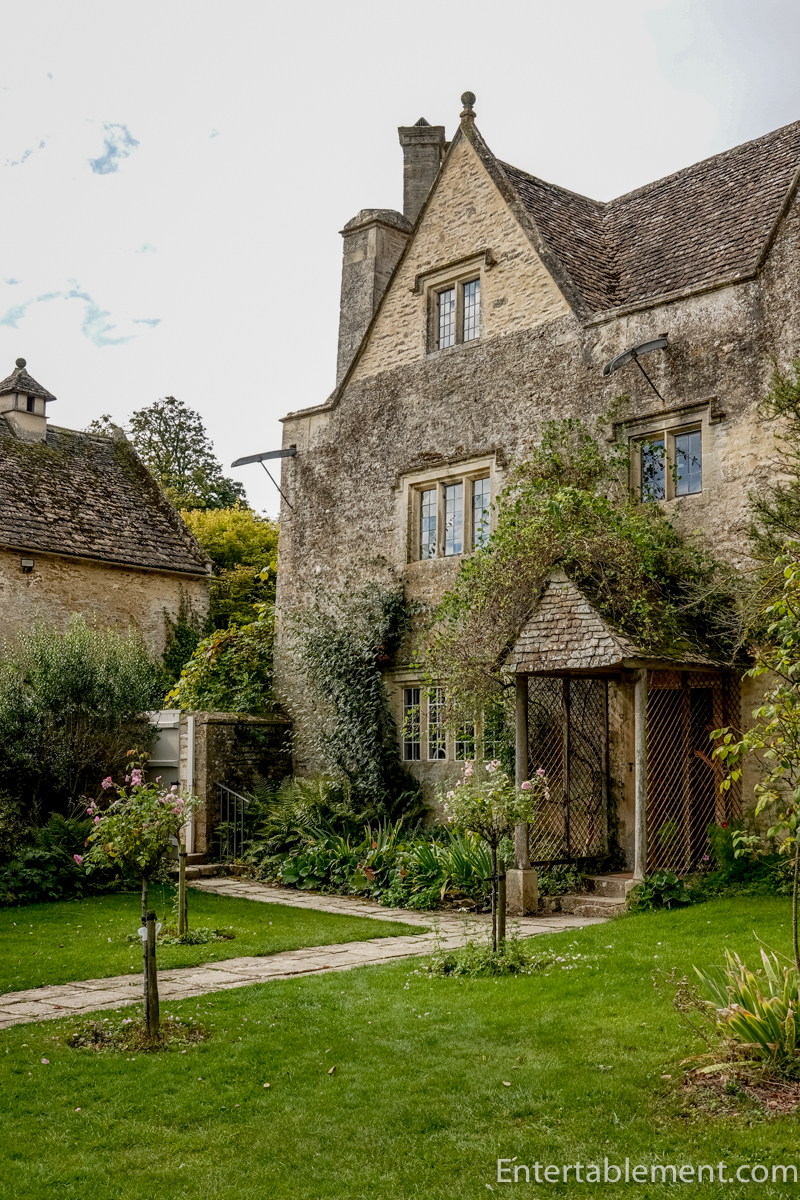
He leased the manor with his friend and collaborator, Dante Gabriel Rossetti, but it was Morris who truly fell in love with its rustic charm, which is evident even in the back services area of the house.

Right down to the lichen-covered tile on the roof.

The garden overflows with wildflowers and shrubs, whose foliage, blooms, and berries clearly inspired his iconic textile and wallpaper designs.

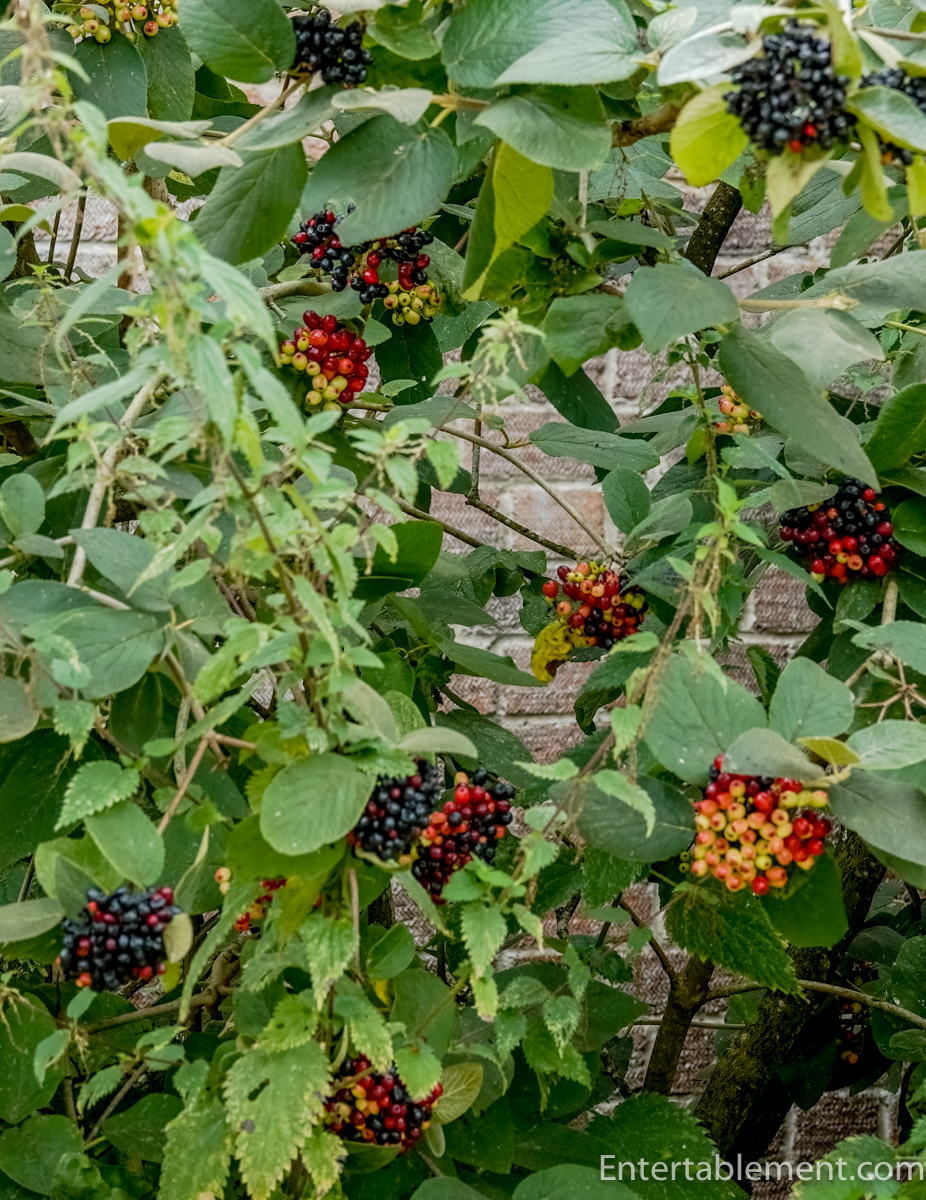
As I walked about snapping photos, I felt like I was in a living version of a William Morris shop.



Here, time seems to slow, inviting visitors to step into a world where craftsmanship and nature exist in perfect harmony.
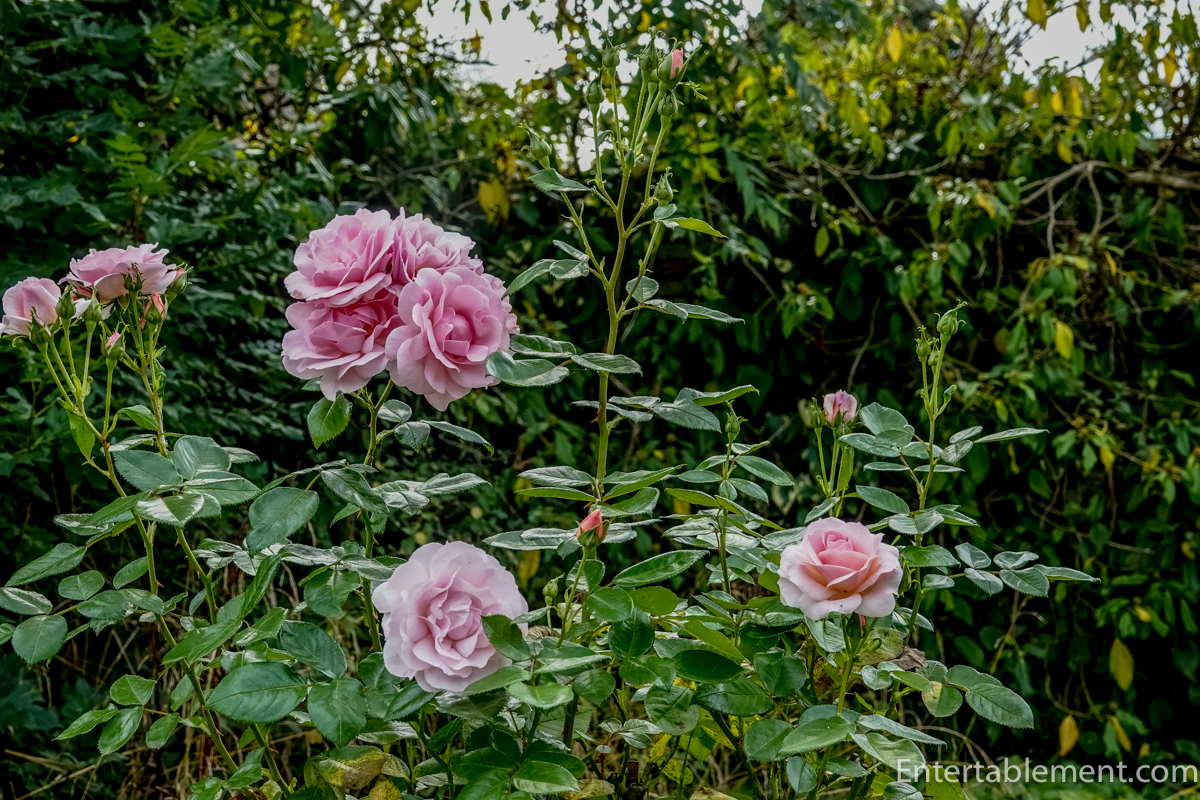

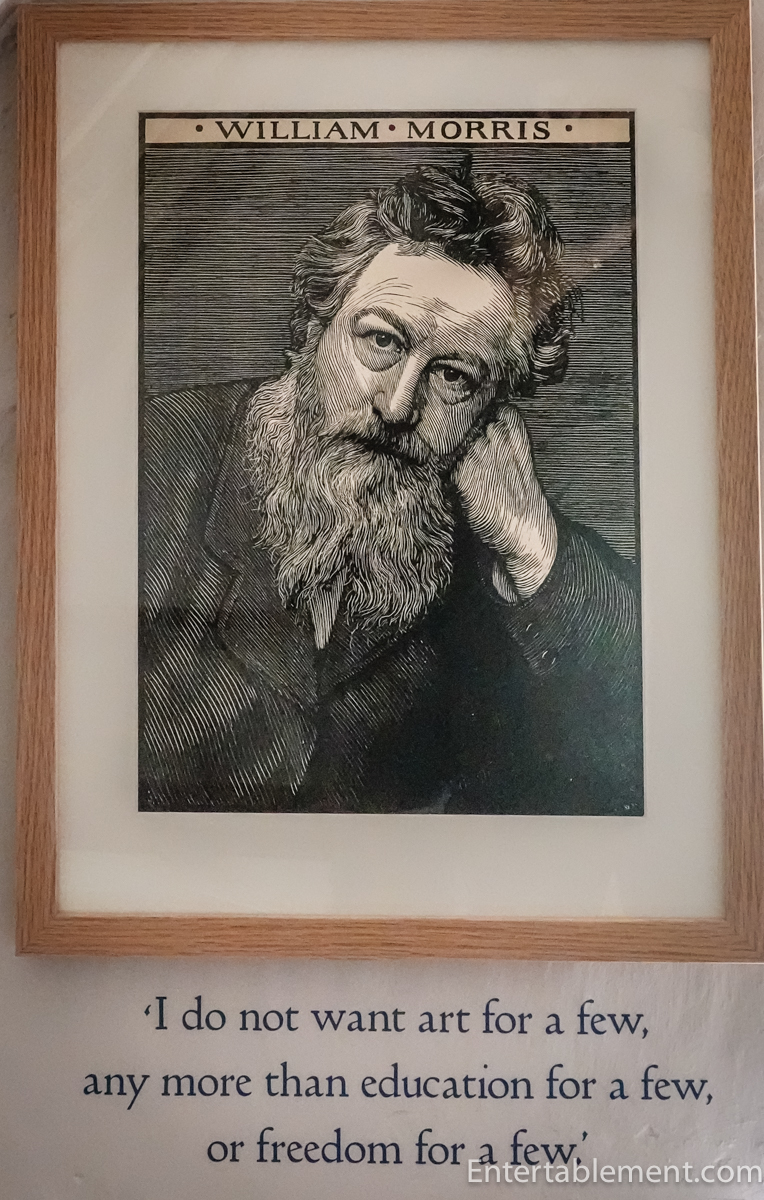
The manor and its surroundings found their way into Morris’s most famous works. His poetry collection, News from Nowhere, imagines a utopian England where craftsmanship, beauty, and communal living replace industrialization and greed. The house became a model for his artistic ideals, influencing everything from his fabric designs to his philosophy of “art for all.”

Inside, the manor unfolds as a living museum of Morris’s legacy. It is adorned with original Morris & Co. textiles and wallpapers that breathe life into the space, their intricate patterns echoing the natural beauty outside.
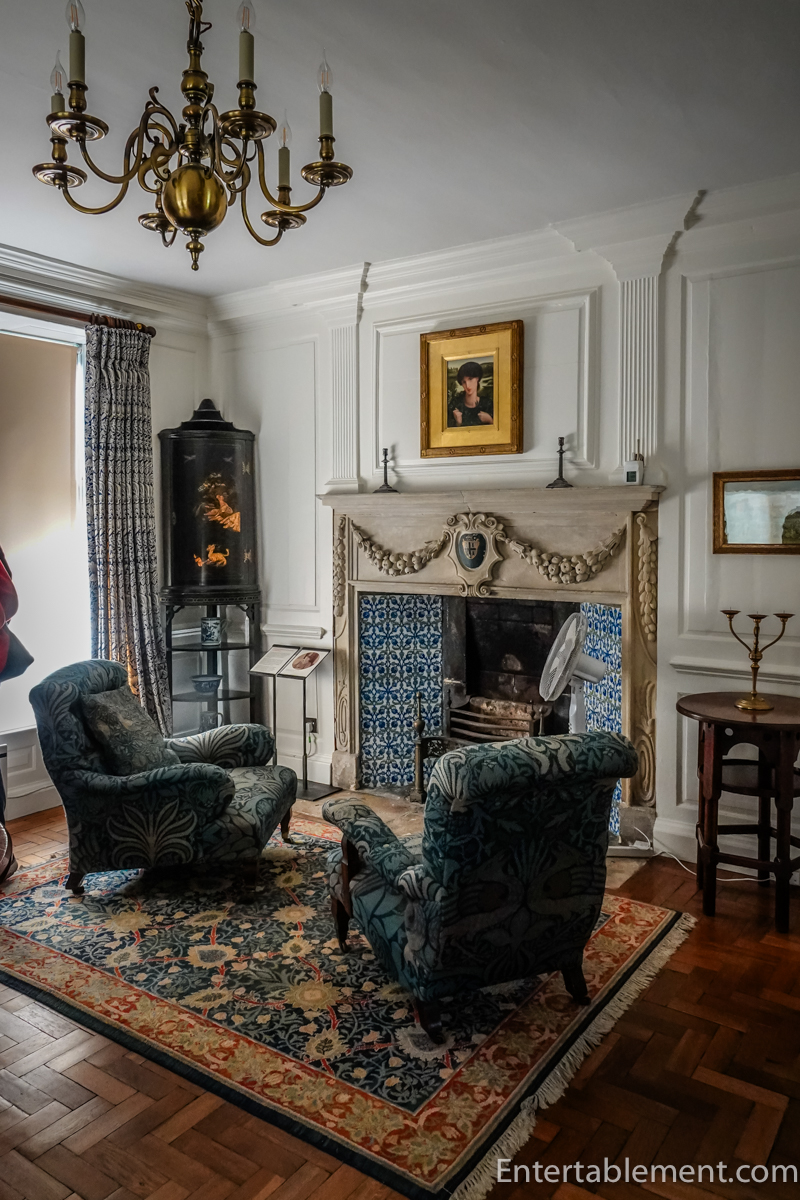
Handcrafted furniture speaks to Morris’s belief that art should be both useful and beautiful.
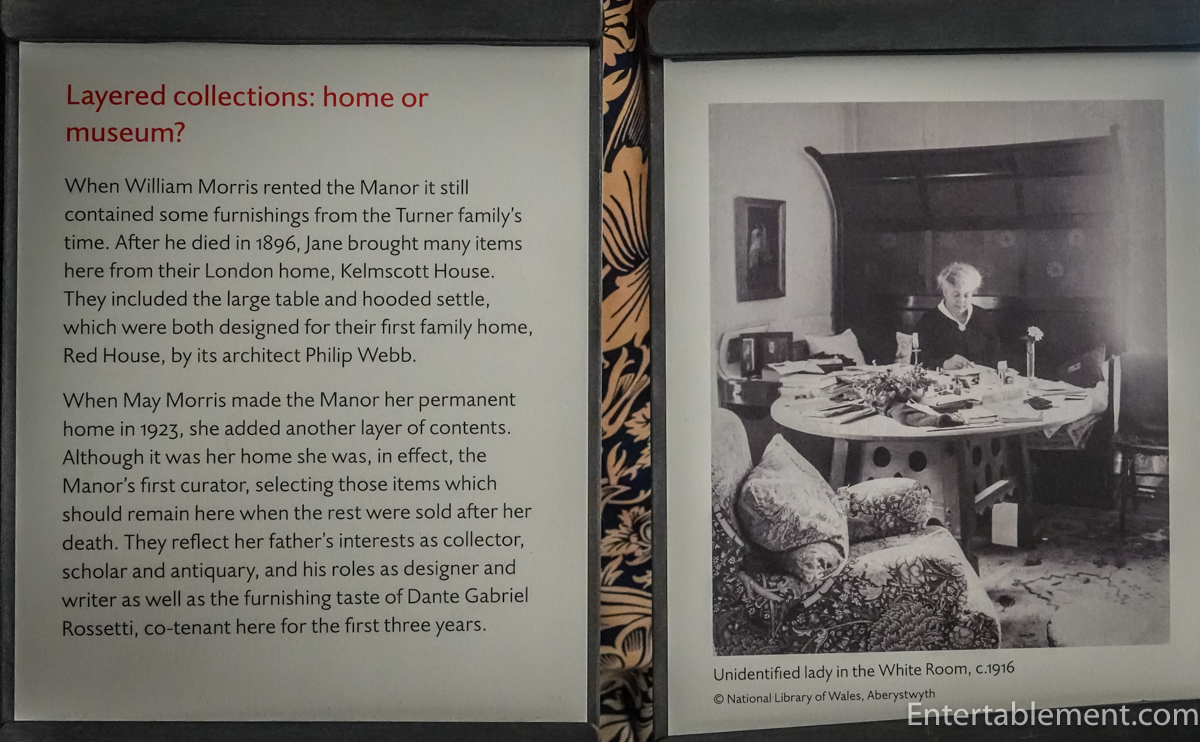
The rooms, preserved with remarkable care, reflect his deep appreciation for medieval craftsmanship and simple yet elegant design.

Kelmscott Manor is a treasure trove of William Morris’ textile and wallpaper designs, each reflecting his love for nature, medieval craftsmanship, and intricate patterns. Many of these pieces remain in their original setting, giving visitors a rare opportunity to see them as Morris intended.
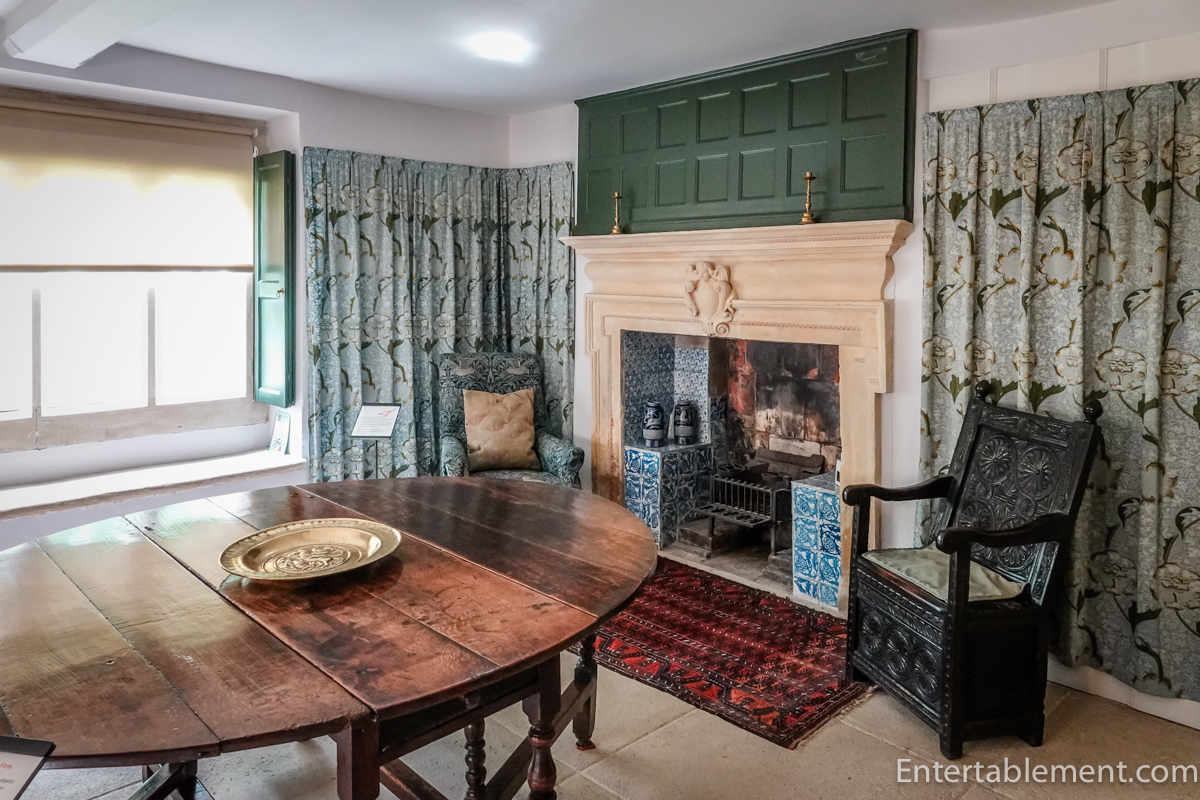
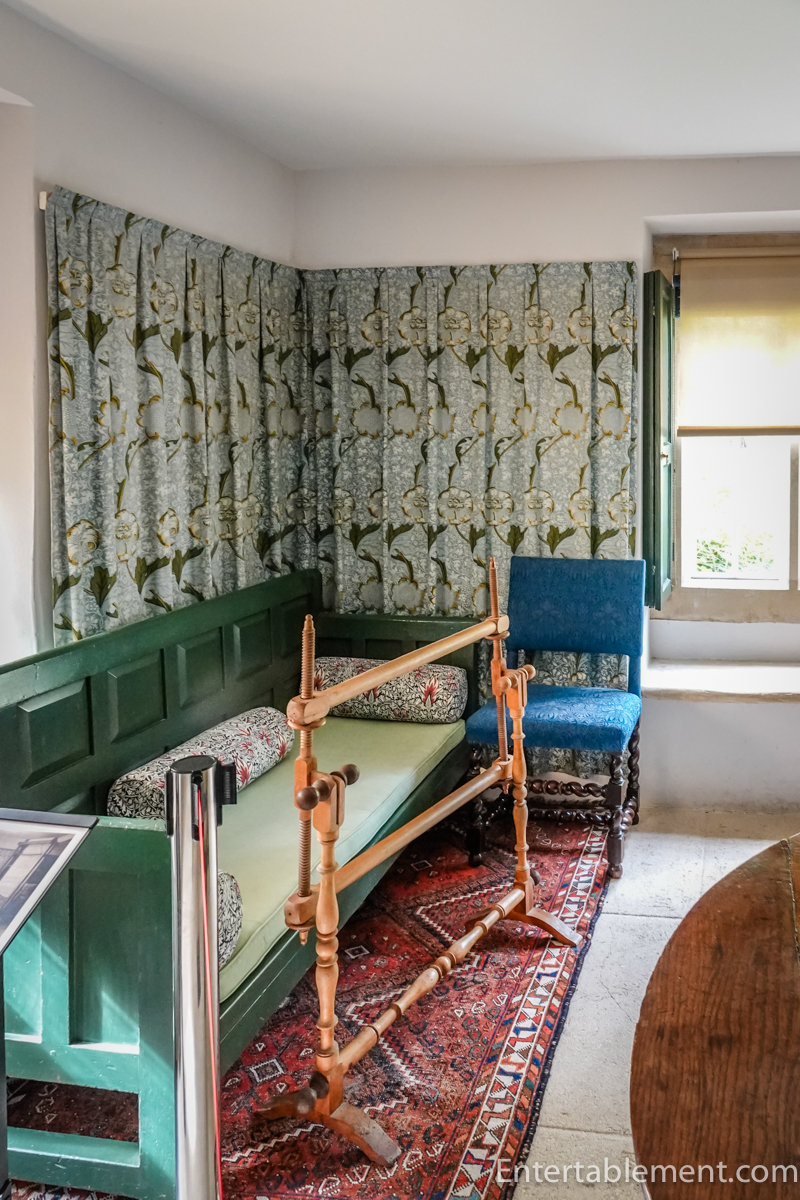
The green room is named for its wall coverings and paint.


The loom belonged to Morris’ daughter, May, who inherited Kelmscott Manor in 1914.

Each room tells a story. The Tapestry Room showcases an exquisite early 17th-century tapestry, its colours still rich after centuries.
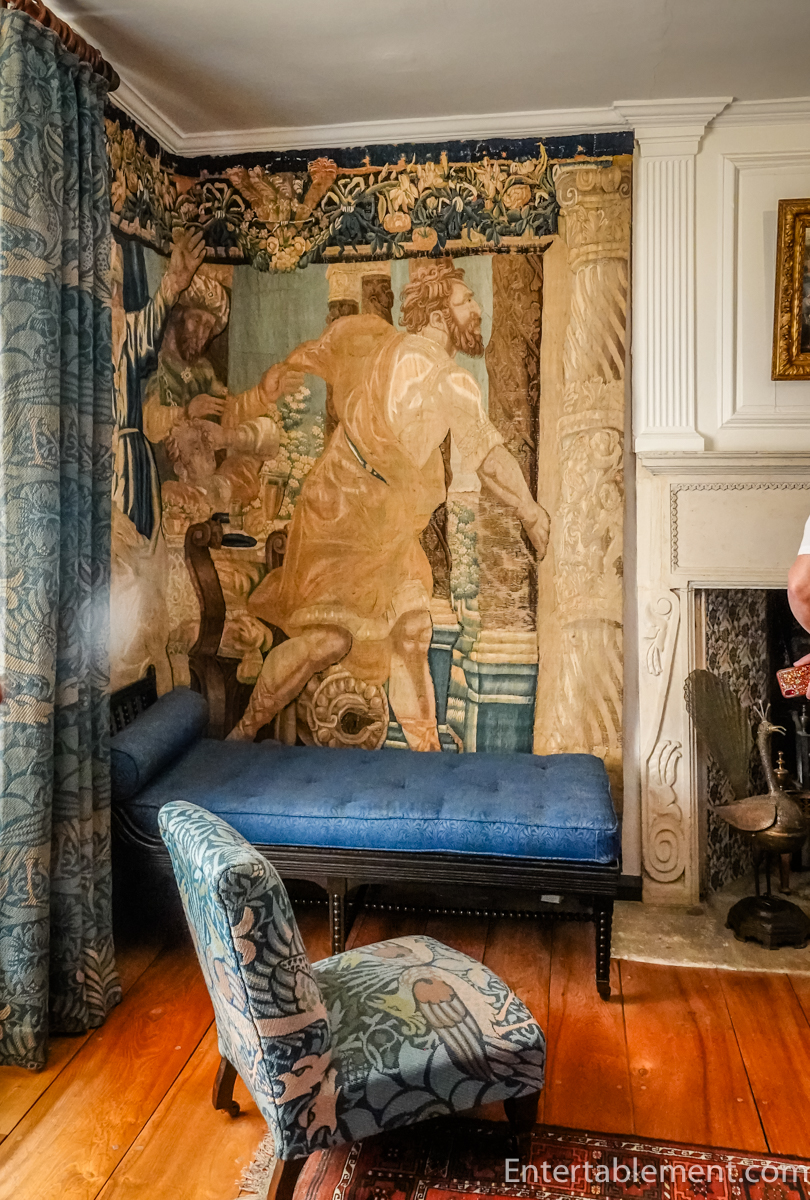

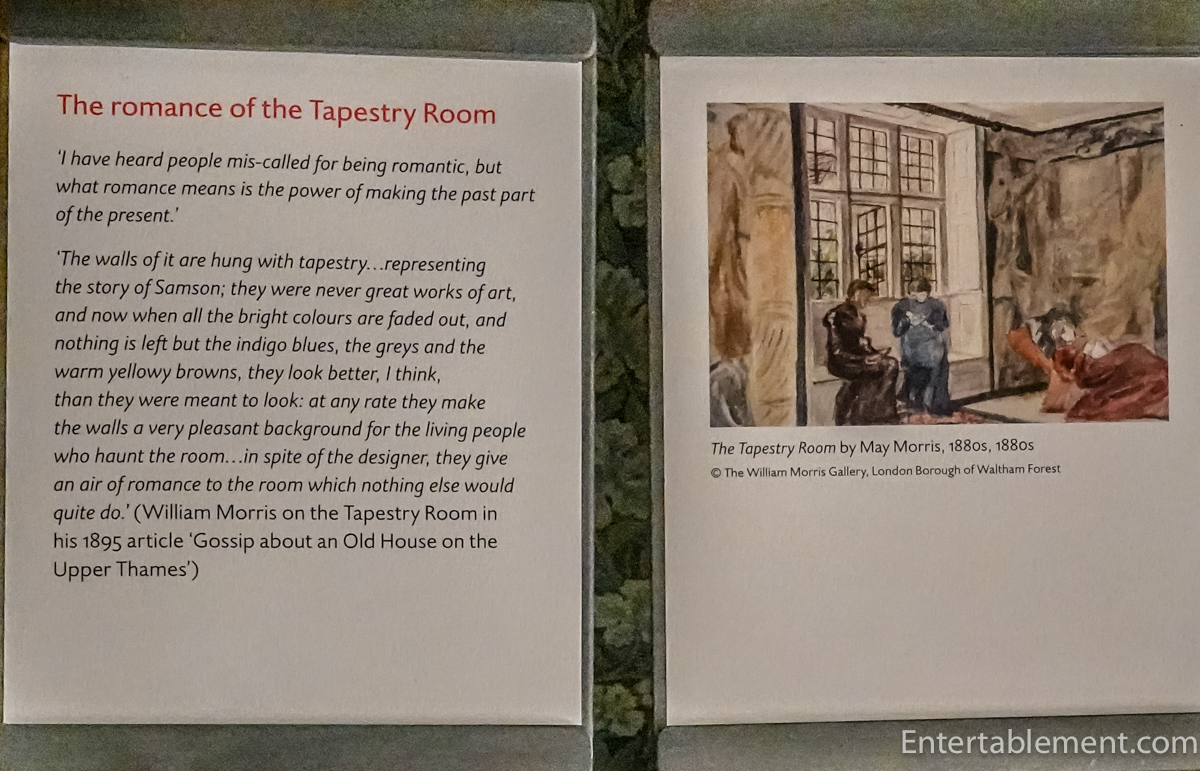
This grand piece, still vibrant after centuries, depicts a lush, pastoral scene with rich blues, deep greens, and golden accents.

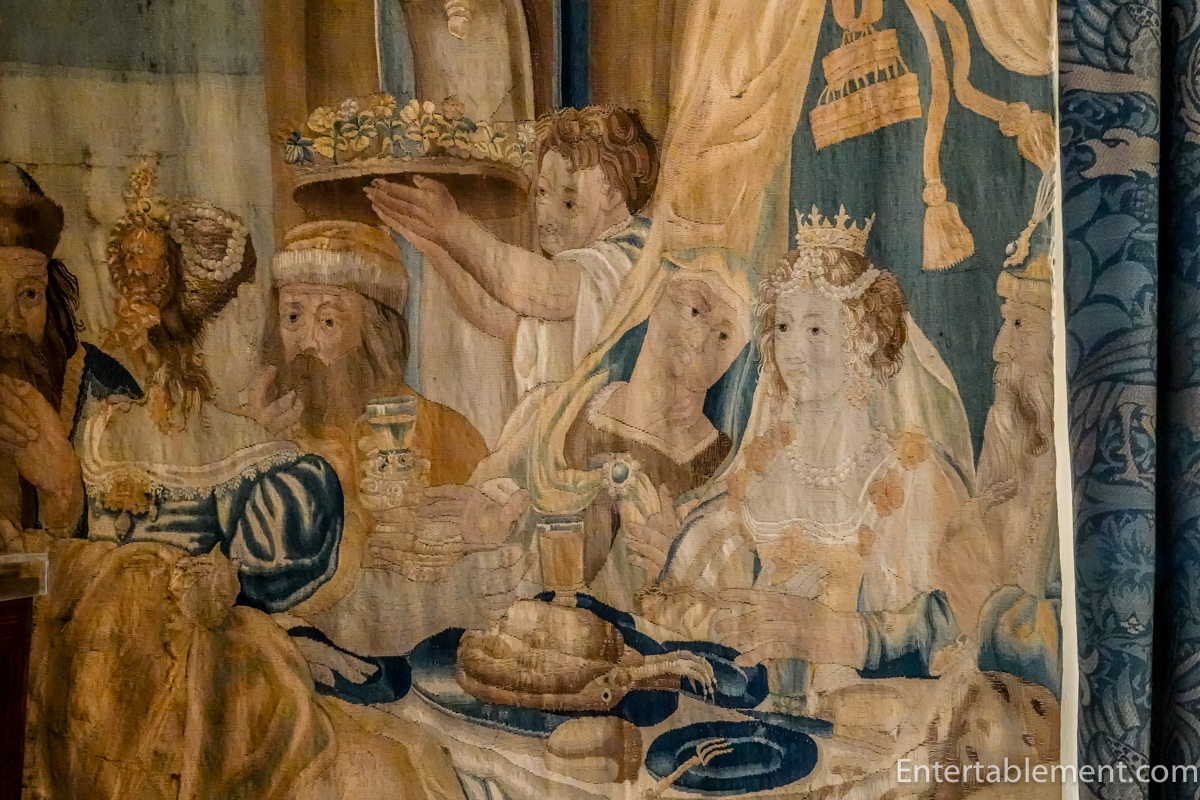
The intricate weaving technique speaks to the Arts & Crafts Movement’s fascination with medieval textiles.

Morris himself produced handwoven tapestries inspired by medieval craftsmanship. Though some original works have been relocated, the house preserves the spirit of his technique—natural dyes, dense floral motifs, and intricate detailing.
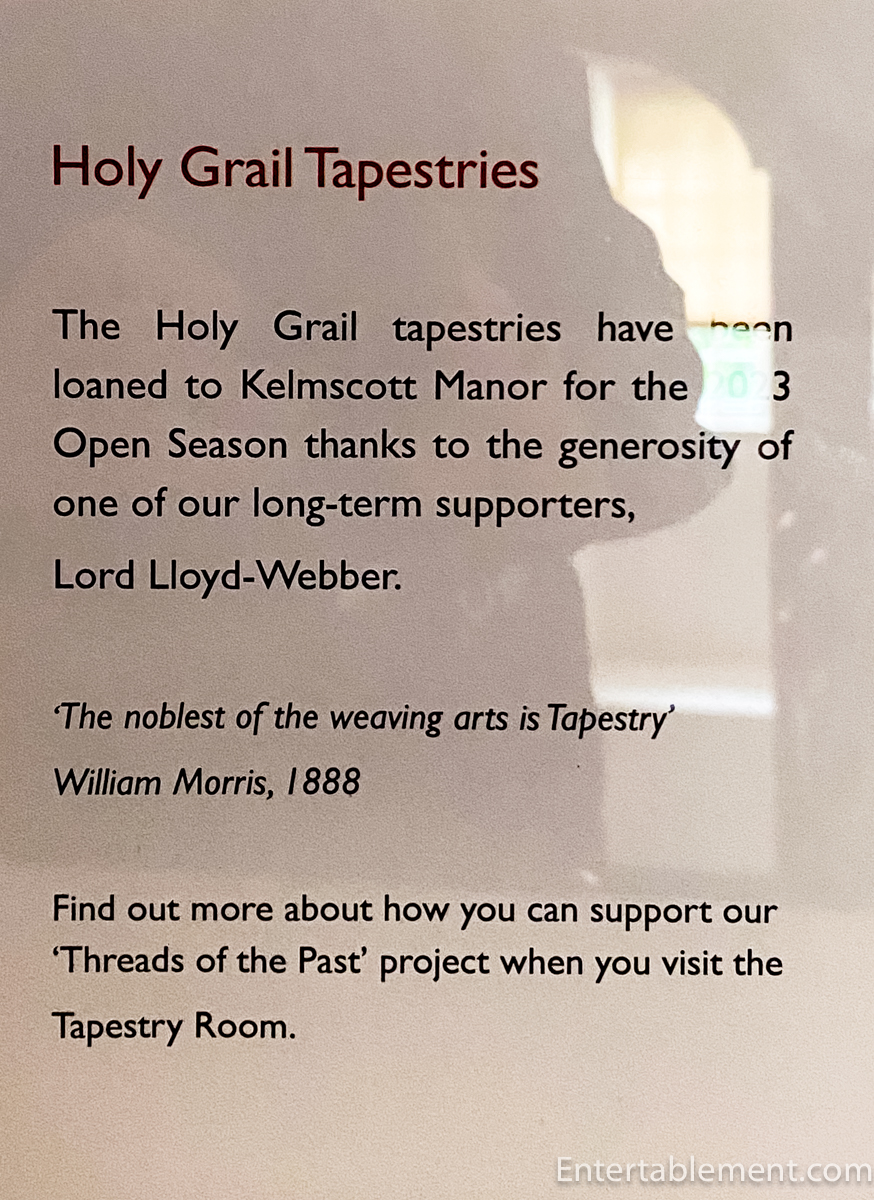
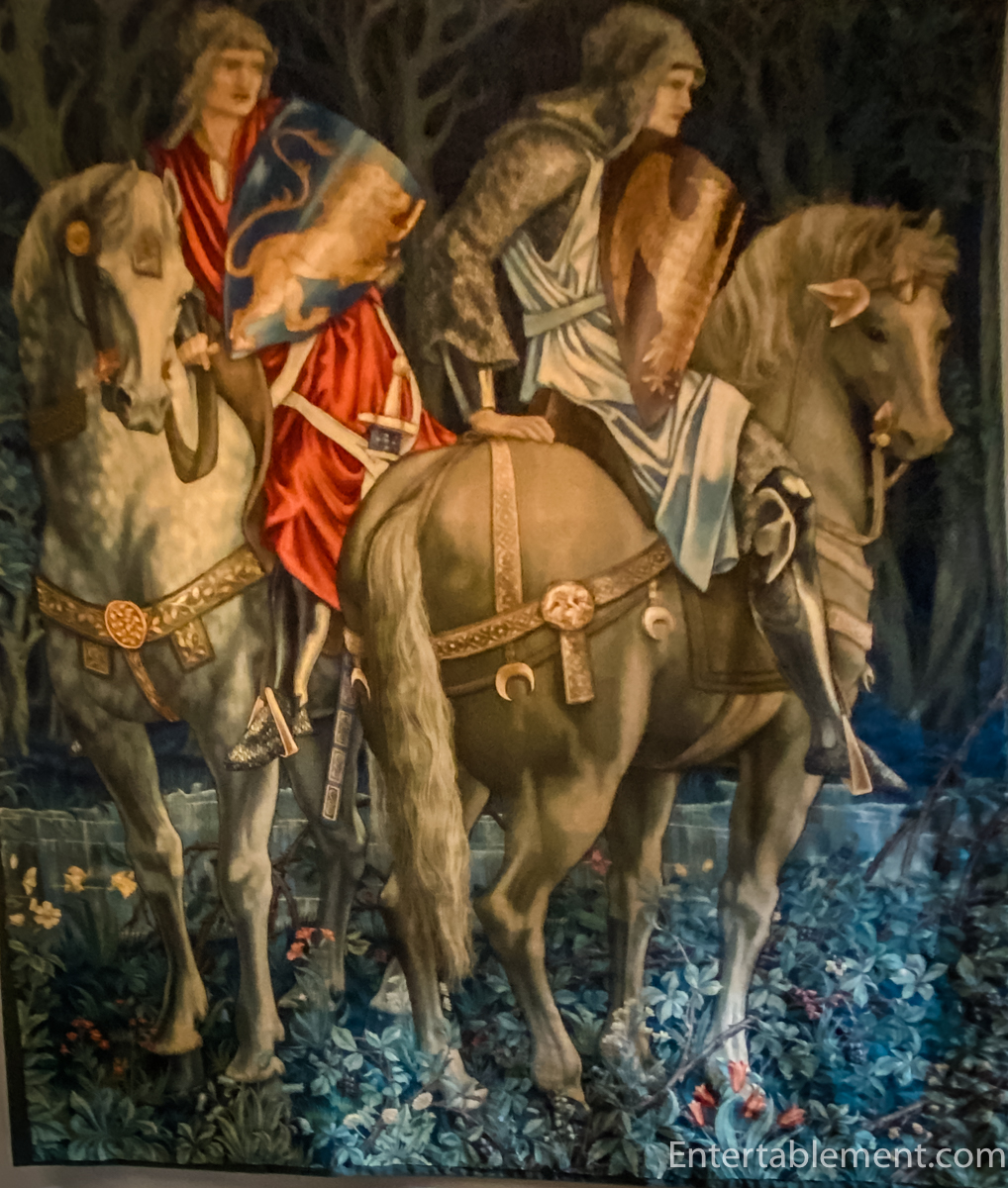

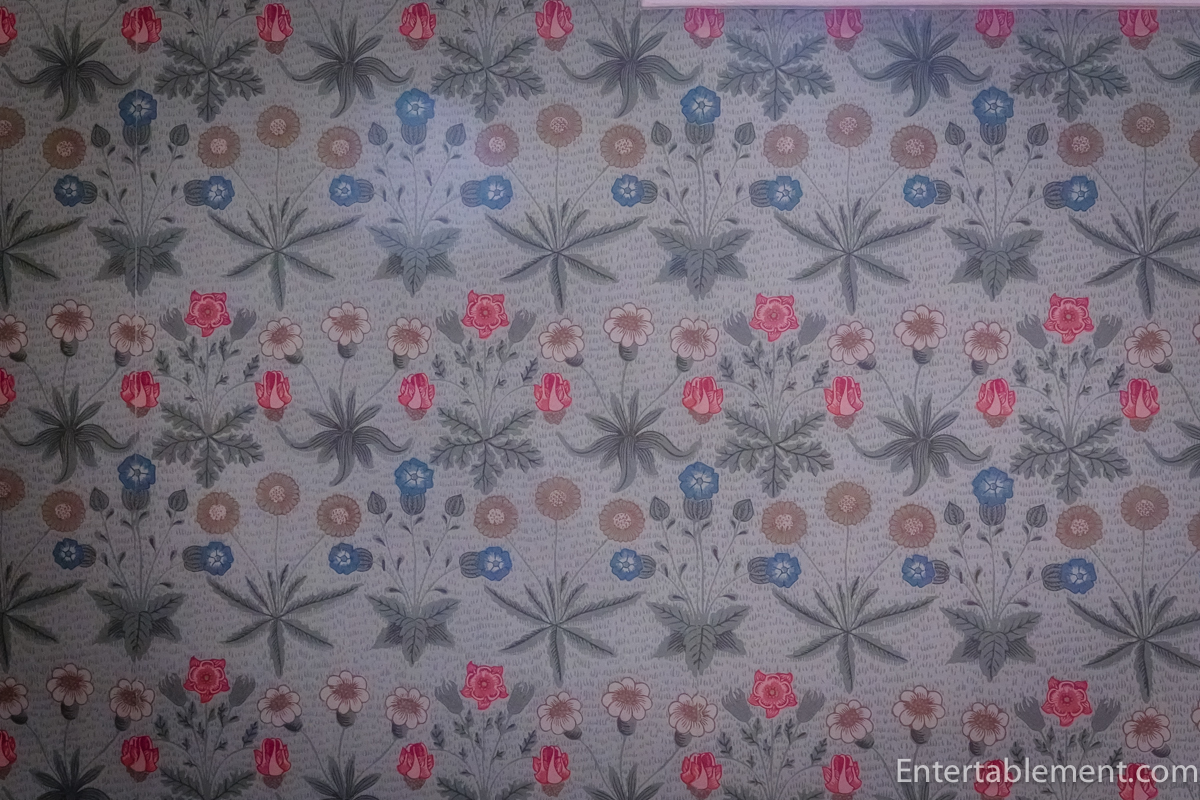
Daisy (1864) was one of Morris’s earliest wallpaper designs, reflecting his love of medieval tapestries and illuminated manuscripts. Below is one of the original renditions. On the left side of the photo, you can see an early version of Strawberry Thief.
Here is the full Strawberry Thief tapestry, handwoven by Jane, his wife.

This later version of Daisy displays small, stylized daisy flowers in a repeating pattern.
“Fruit”, also known as “Pomegranate” (1864), is a richly detailed wallpaper featuring intertwining branches laden with pomegranates, lemons, and blossoms. The deep, warm tones make this one of Morris’s most well-loved designs, evoking the abundance of nature.
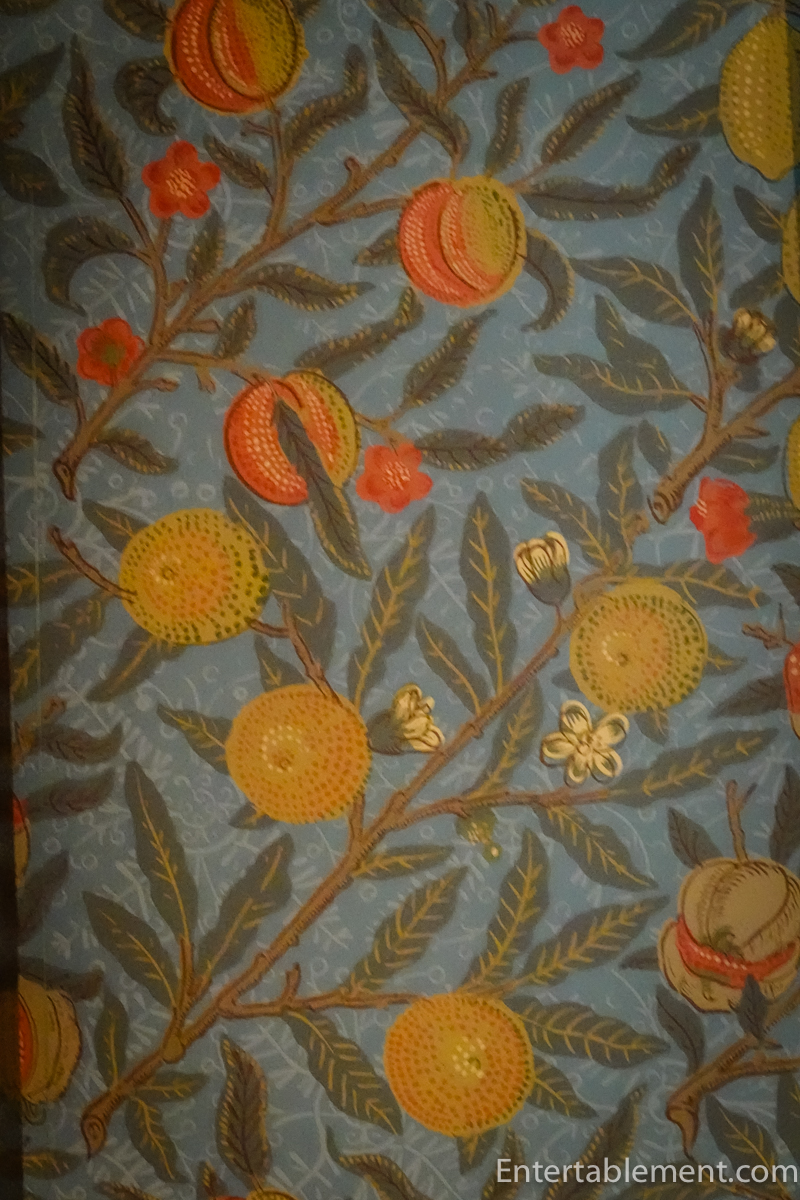
Outside are the pomegranates that I bet inspired that pattern!

“Trellis” (1862) features delicate climbing roses intertwined with wooden lattice structures. It was the first wallpaper he ever created, showing his early fascination with organic forms.
I think the tile around the hearth is a version of Trellis.

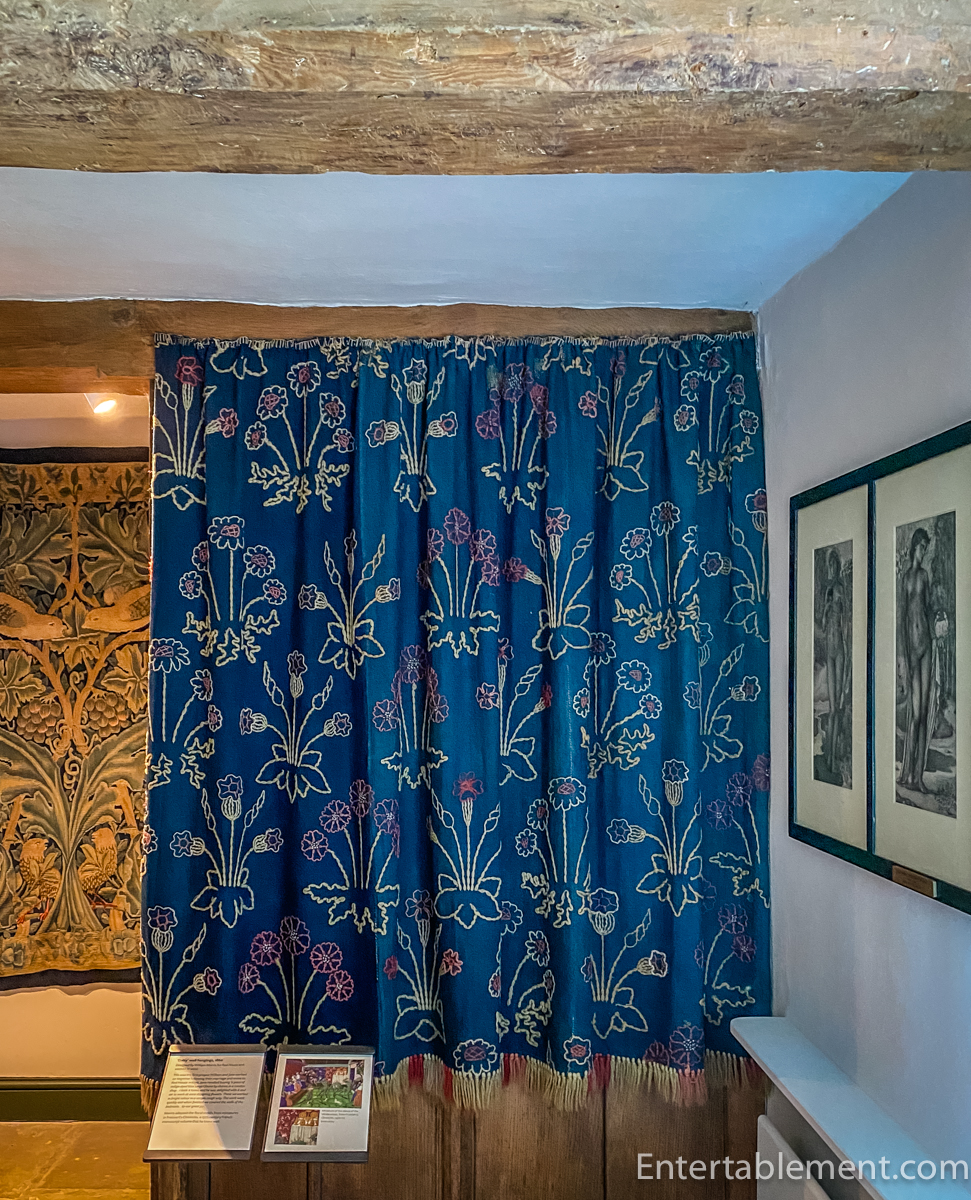
Jane Morris was a skilled embroiderer, and several of her hand-stitched textiles still adorn the manor. These intricate pieces—featuring birds, flowers, and flowing vines—were often inspired by medieval illuminated manuscripts and Persian motifs.

A gorgeous embroidered wall hangs in the bedroom, showcasing the deep, jewel-like colours and elaborate botanical patterns that define Morris & Co. designs.


The bed coverings are a work of art. Notice the incredible detail on the hem.

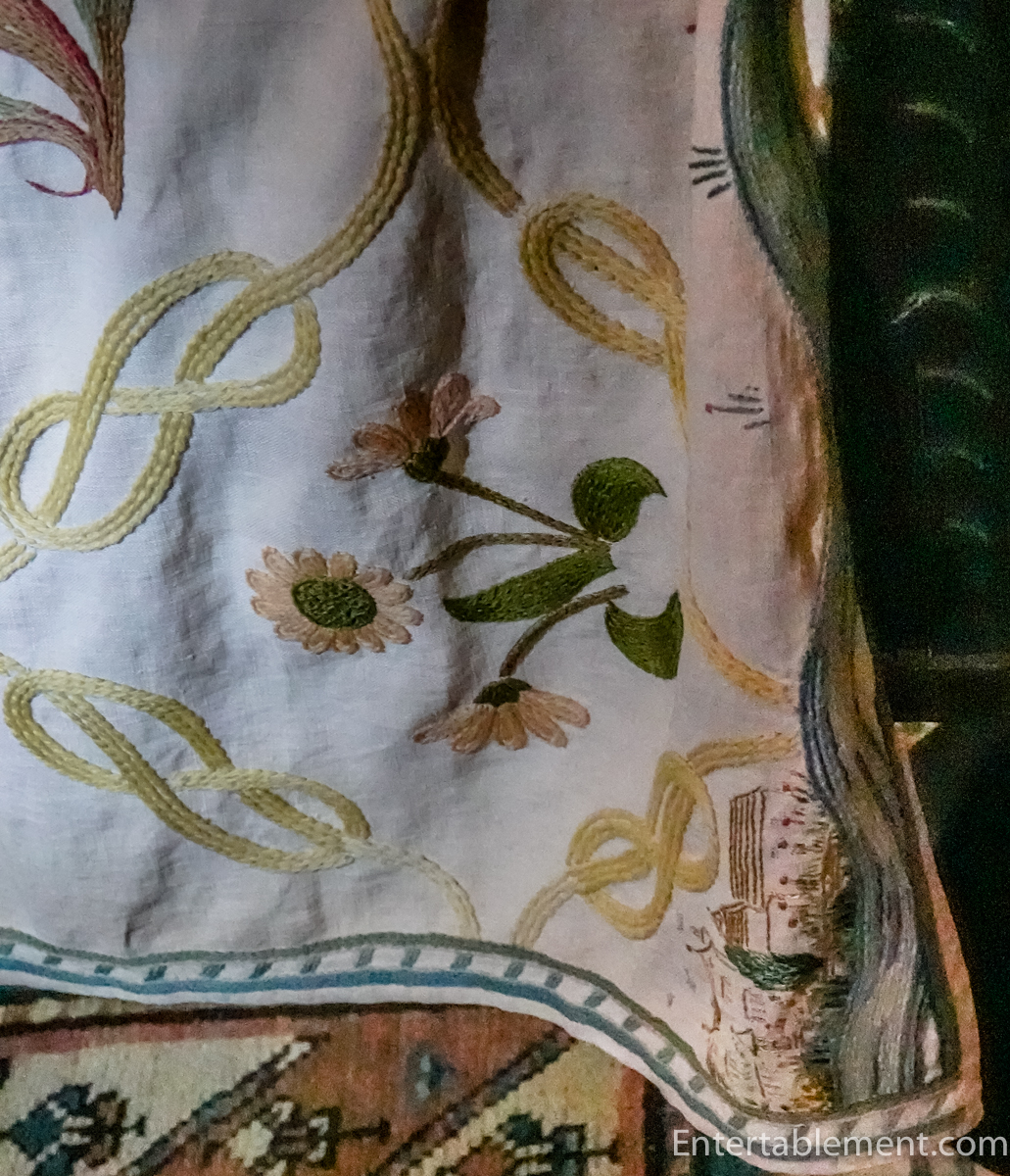
Every flower is unique.


Some of the cushions and bed coverings display the fine needlework characteristic of the Arts & Crafts movement, which revered handcraftsmanship over mass production.
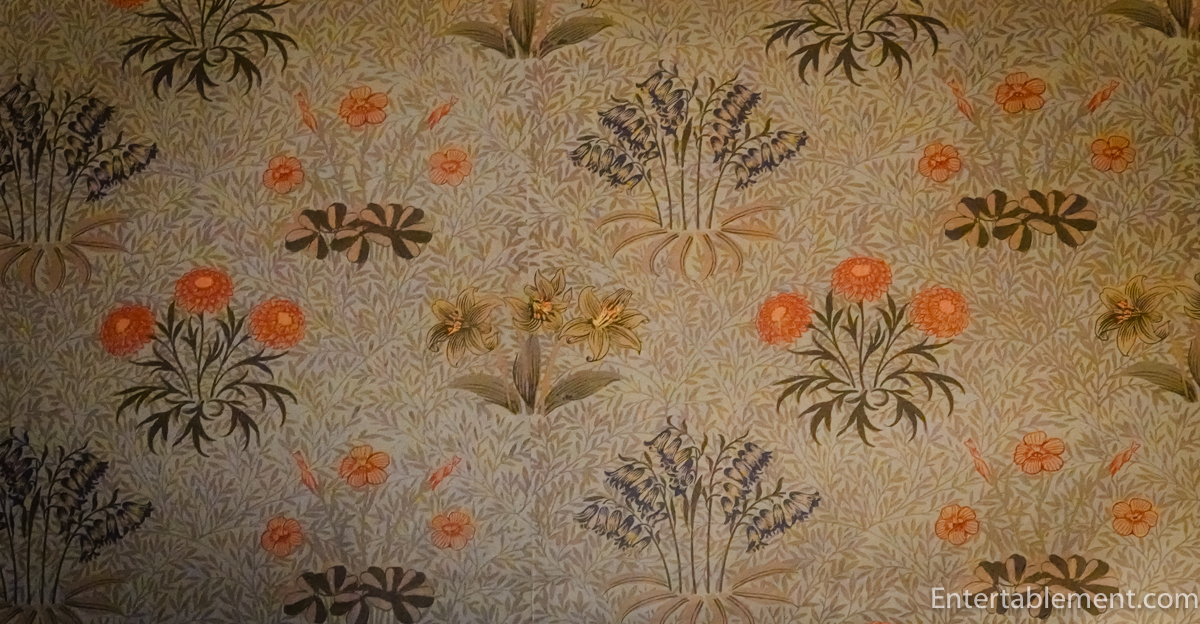
Kelmscott Manor’s wallpapers were never just decoration—they were an extension of Morris’ philosophy that art should be integrated into daily life. Each fabric, wall covering, and embroidery piece in the house reflects his unwavering belief that beauty and function should coexist, making even the most spartan rooms rich with history and artistry.
The attic studio, where Rossetti once worked, offers glimpses into the creative energy that once filled the house.
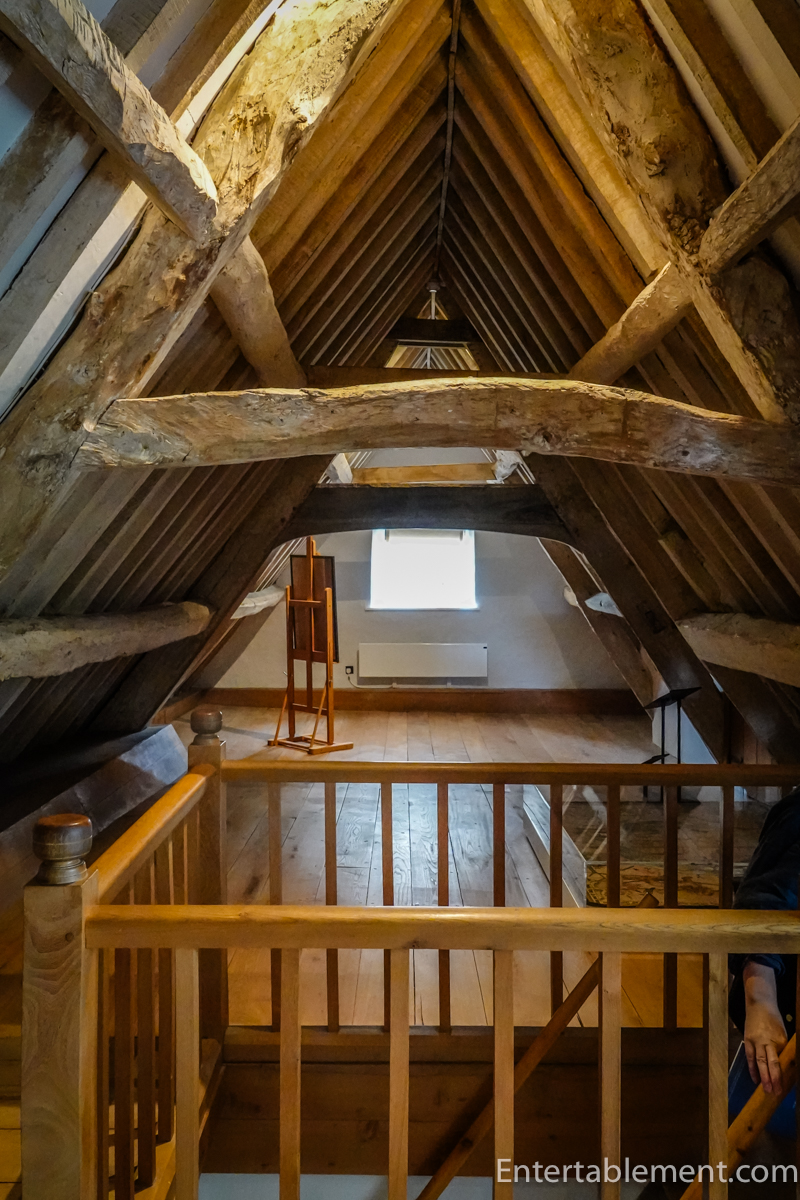
The attic bedrooms are light and airy.


The fabric on the bed coverings is timeless.
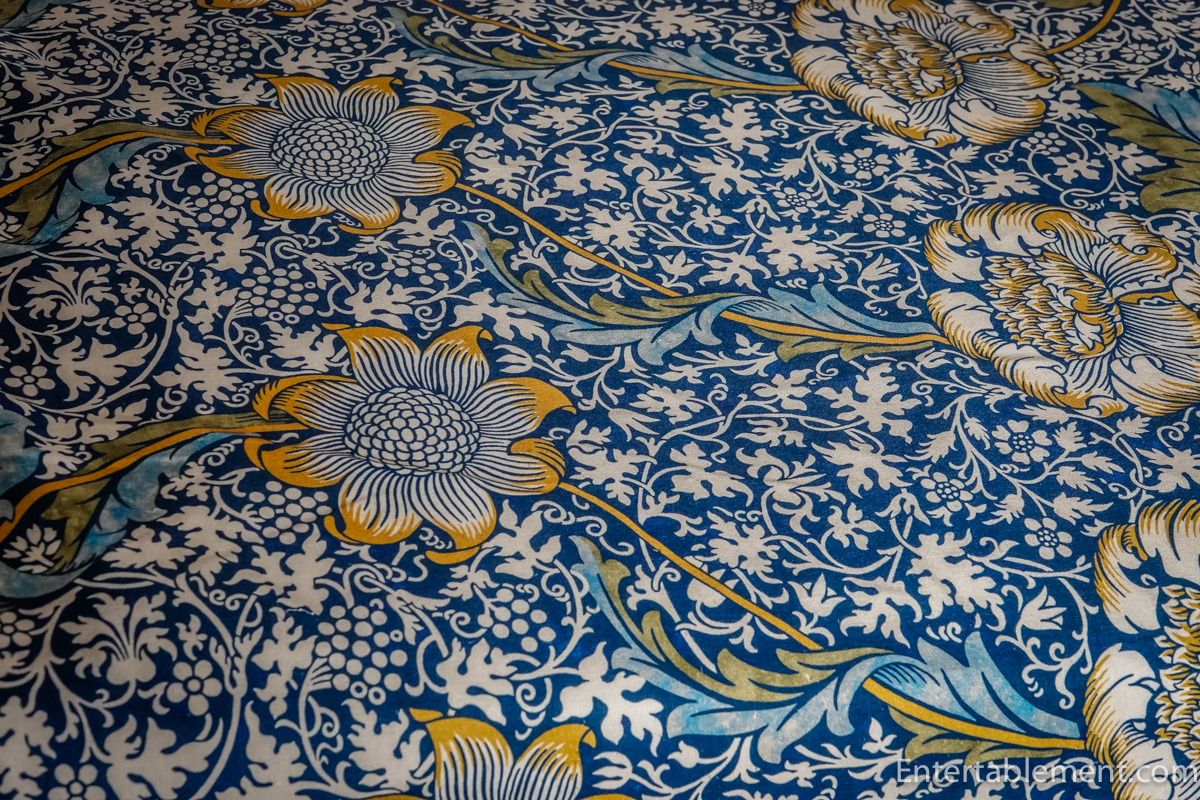
And…inspired by the same plants outside in the garden. It was fun trying to discover how many plant and fabric or wallpaper design matches I could count.
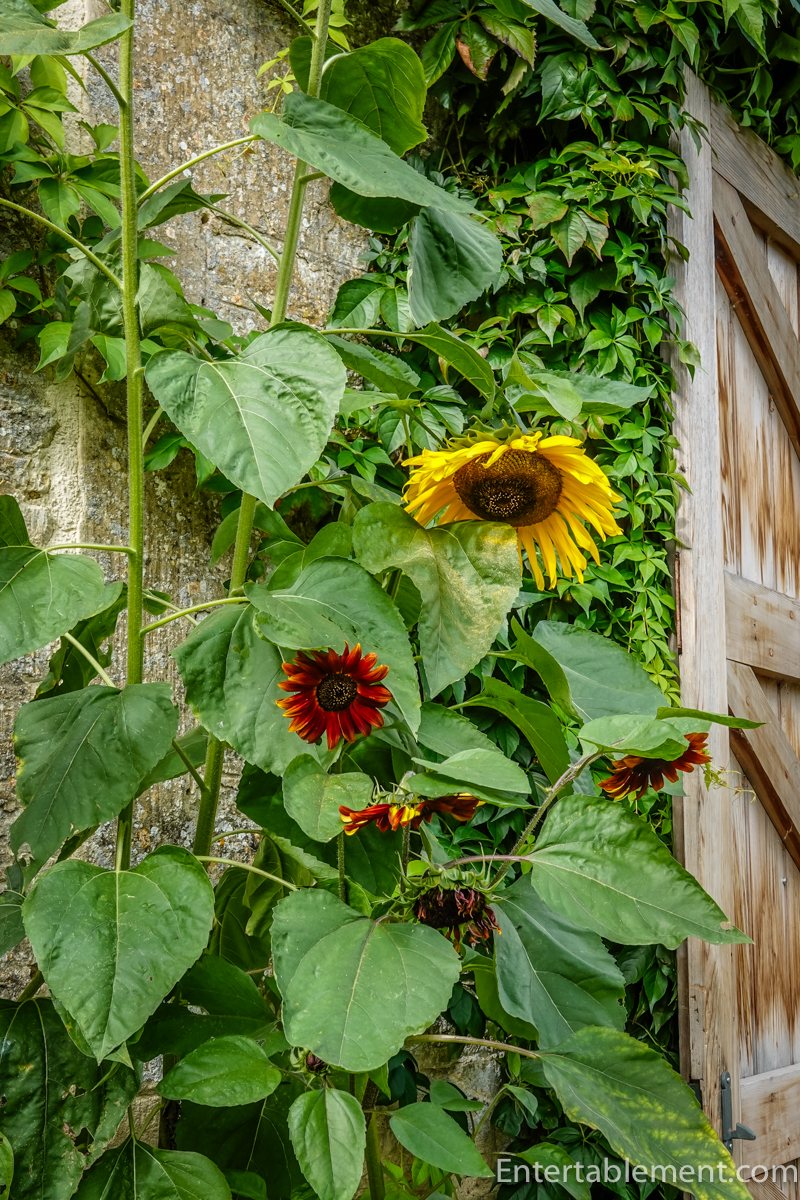
Walking through the grounds, it is easy to understand why Morris cherished this place. The golden light filtering through the trees, the scent of old roses in the air, and the quiet hum of the countryside all speak to a way of life that, though rare today, remains deeply appealing.
And – there is a terrific pub just down the road.
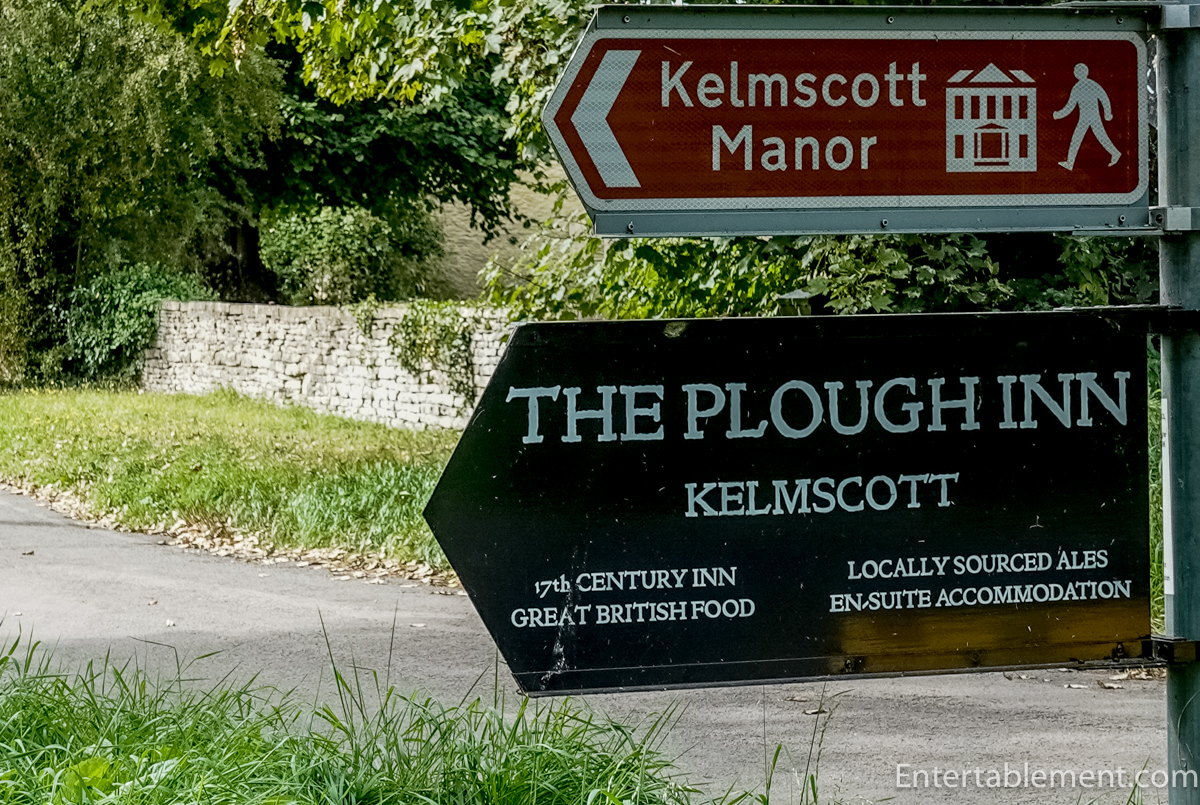
It’s conveniently located partway between the carpark and Kelmscott Manor. Glenn was delighted.
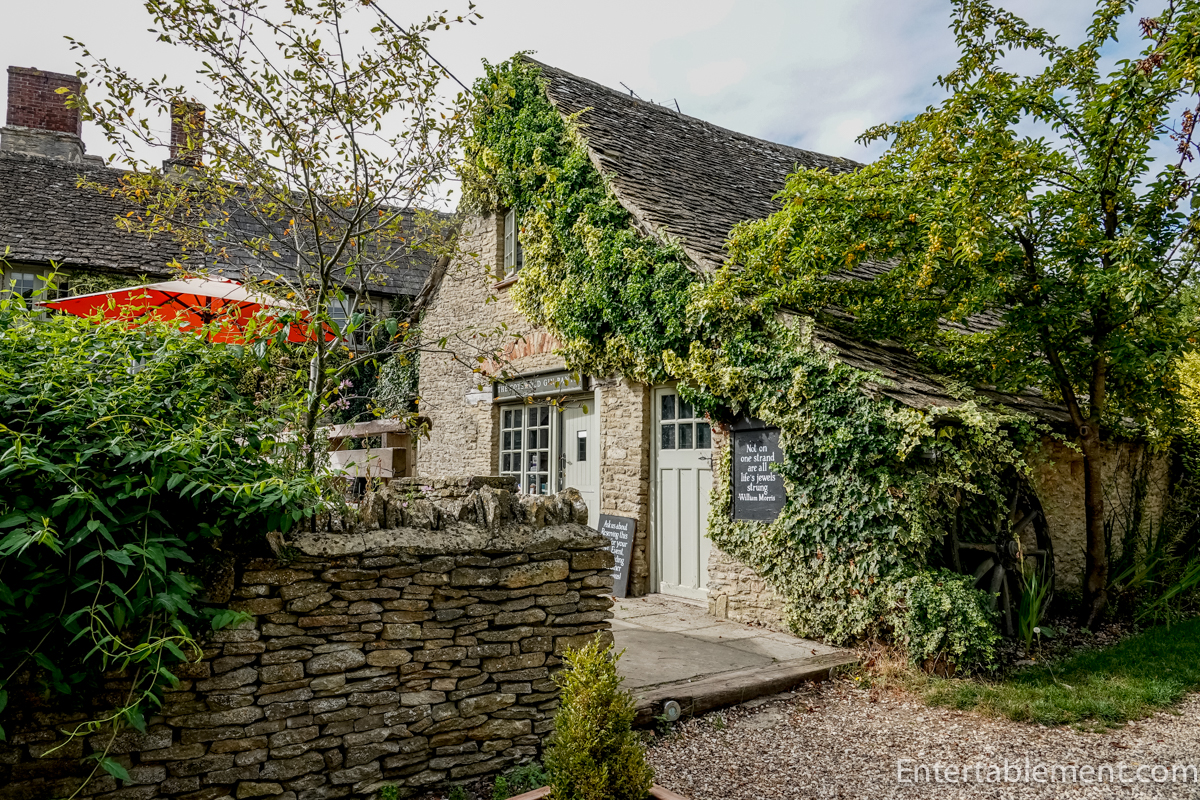

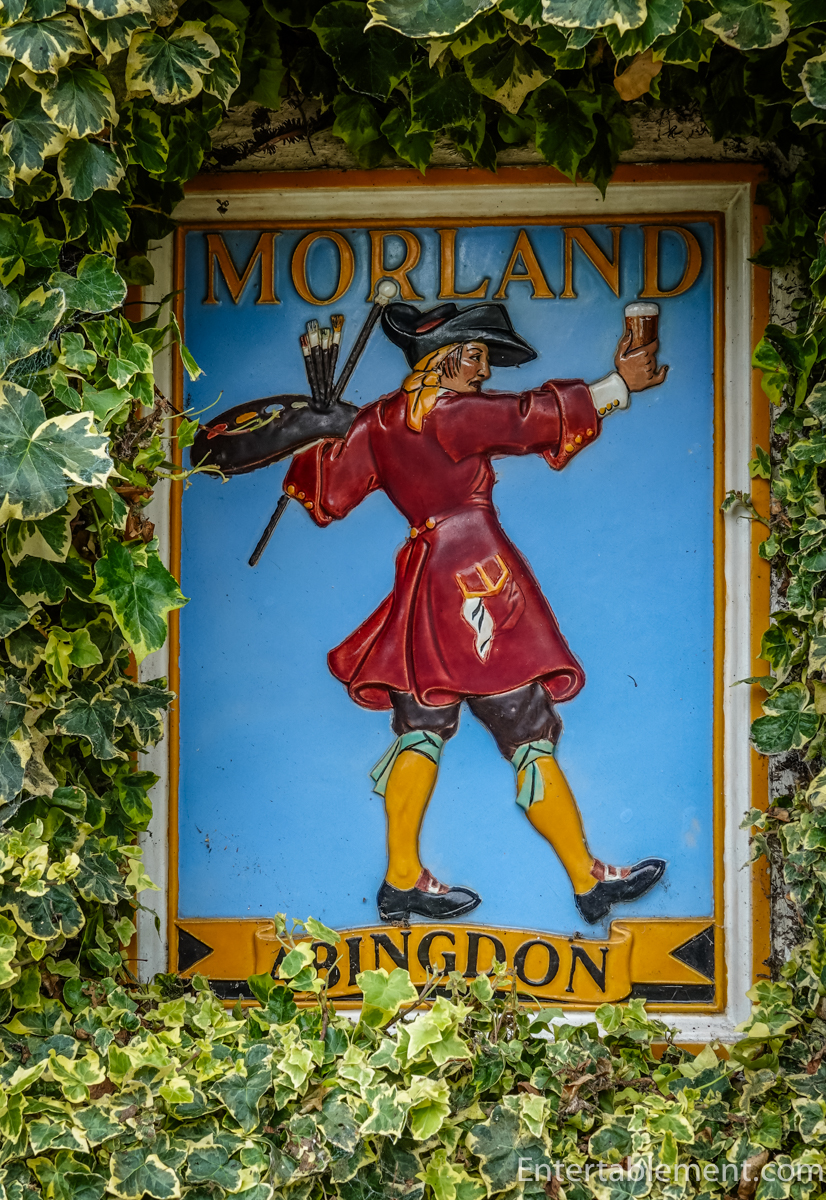
Morris’s spirit of innovation and enthusiasm for handcrafted items lives on with Gin in a Tin, which is sold at the pub.
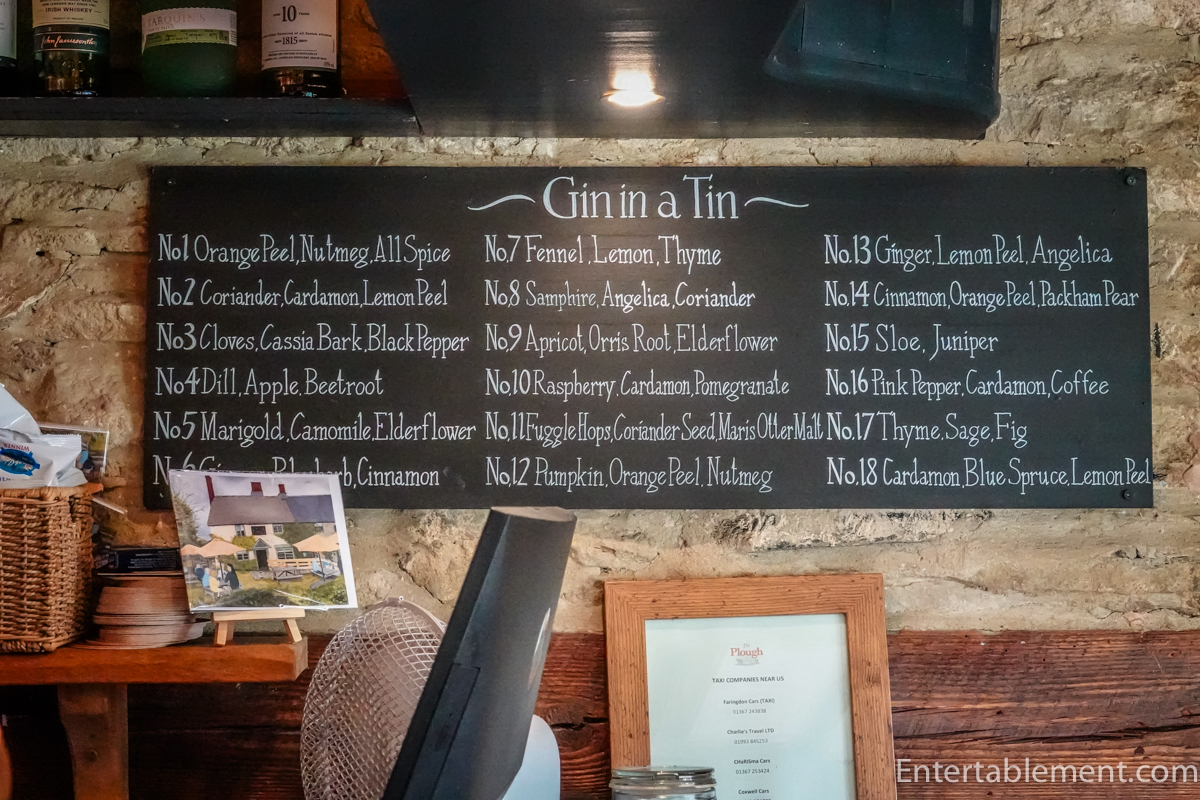
As you might expect, the interior is filled with William Morris fabrics and simple furnishings. The food was exceptionally good.

Today, Kelmscott Manor is more than a historic house—it is a destination for lovers of design, literature, and craftsmanship. The manor’s lush gardens and intimate atmosphere allow visitors to experience the world as Morris saw it—filled with beauty, integrity, and a profound respect for nature.
Kelmscott Manor is a journey well worth taking.