

Picking up from England in the Autumn Part II, we departed from South Lodge at Montacute.
We were going to Grantham to stay at another National Trust self-catering cottage, No. 1 Belton, on the Belton Estate. The house was built in 1896 for the Clerk of Works, a position of similar stature to that of Head Gardener, which also often came with its own house.
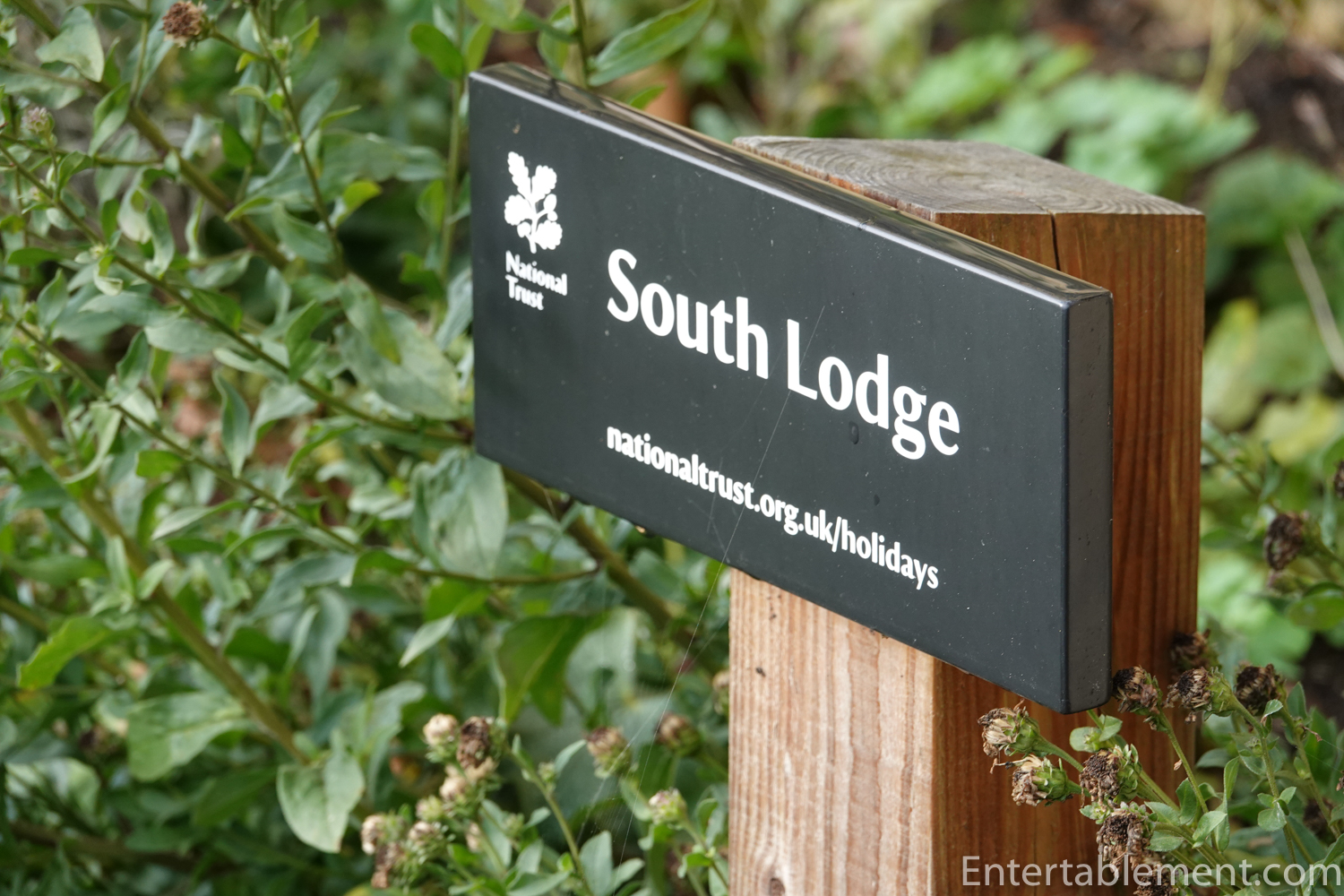
Our destination was Grantham, where we had rented another National Trust self-catering cottage, No. 1 Belton, on the Belton Estate. The house was built in 1896 for the Clerk of Works, a position of similar stature to that of Head Gardener, which also often came with its own house.
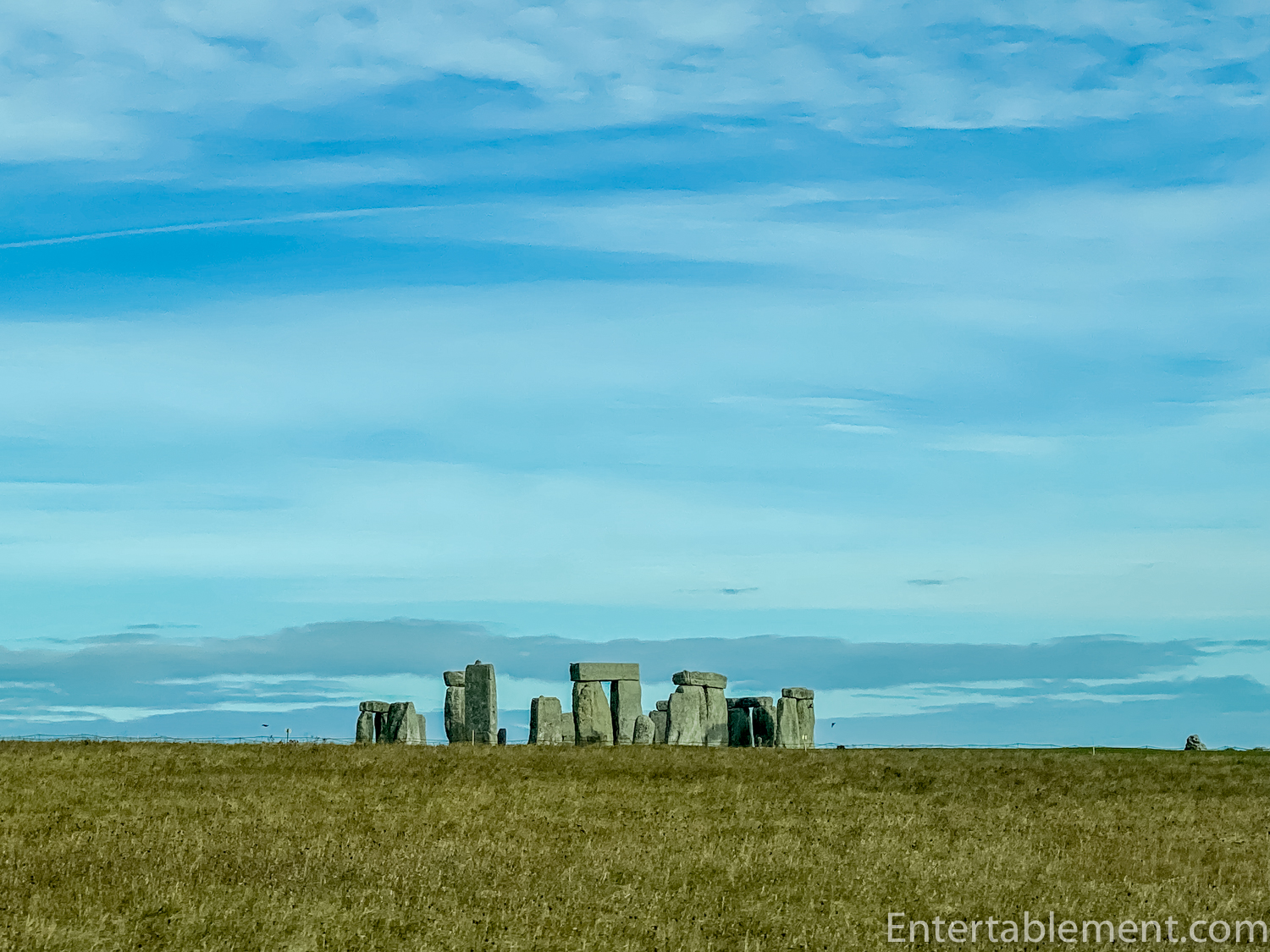
We set out early so we had time to stop at Bletchley Park. As is often the case in Britain, we saw a remarkable historical site along the highway. Yes, Stonehenge. Large as life and twice as handsome, just … there… Commonplace to Brits, remarkable to us colonials. Phenomenal ancient monuments are part of the daily fabric, taken in stride by those to whom they are commonplace.
Bletchley Parkhas to be the world’s ugliest house, but that’s not the point.
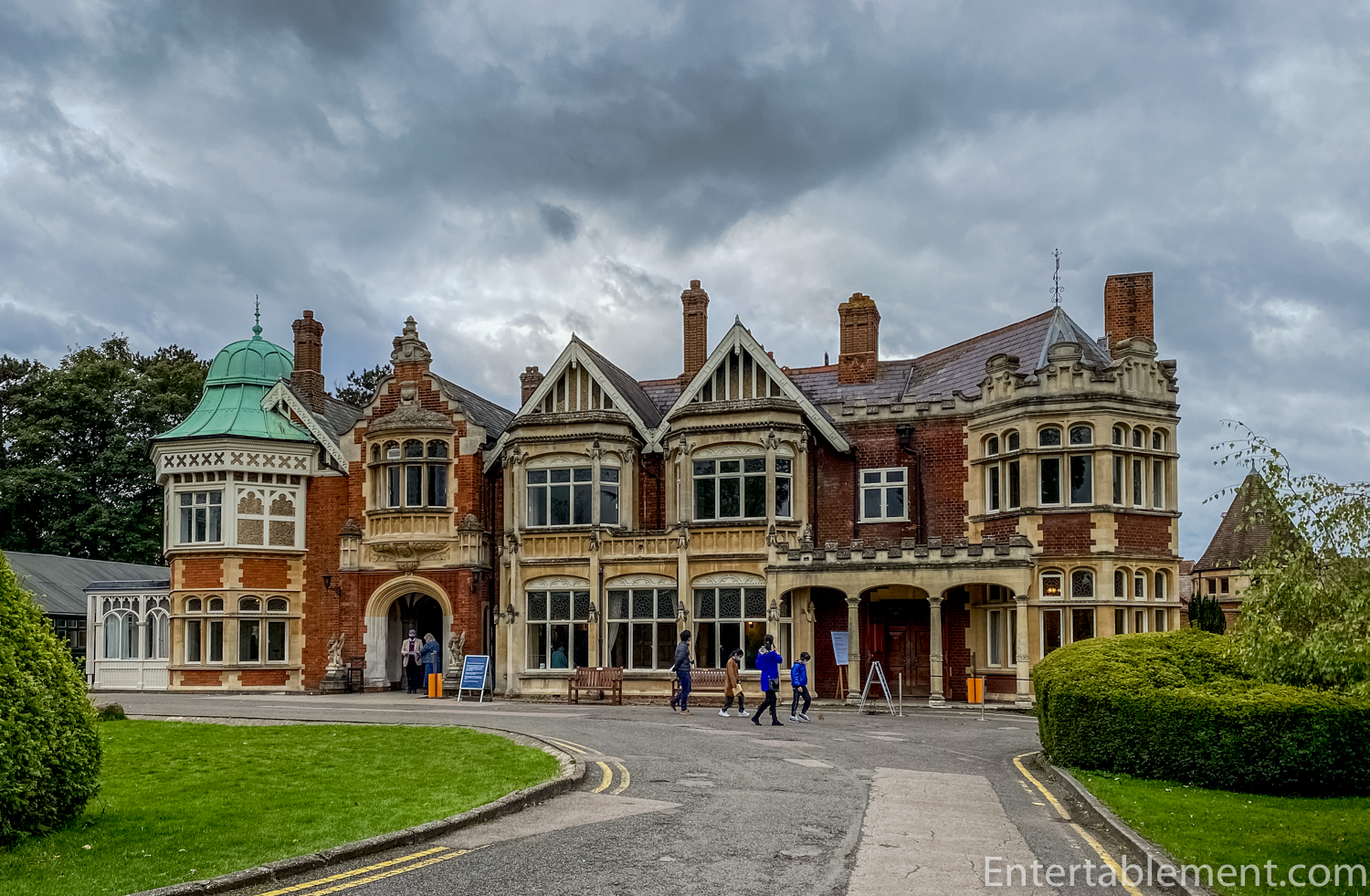
It was home to the codebreakers, a top-secret site during WWII, and carefully sited halfway between two great sources of needle-sharp mathematical minds: Oxford and Cambridge Universities. However, it seems that brains were not the only criteria for employment at Bletchley.
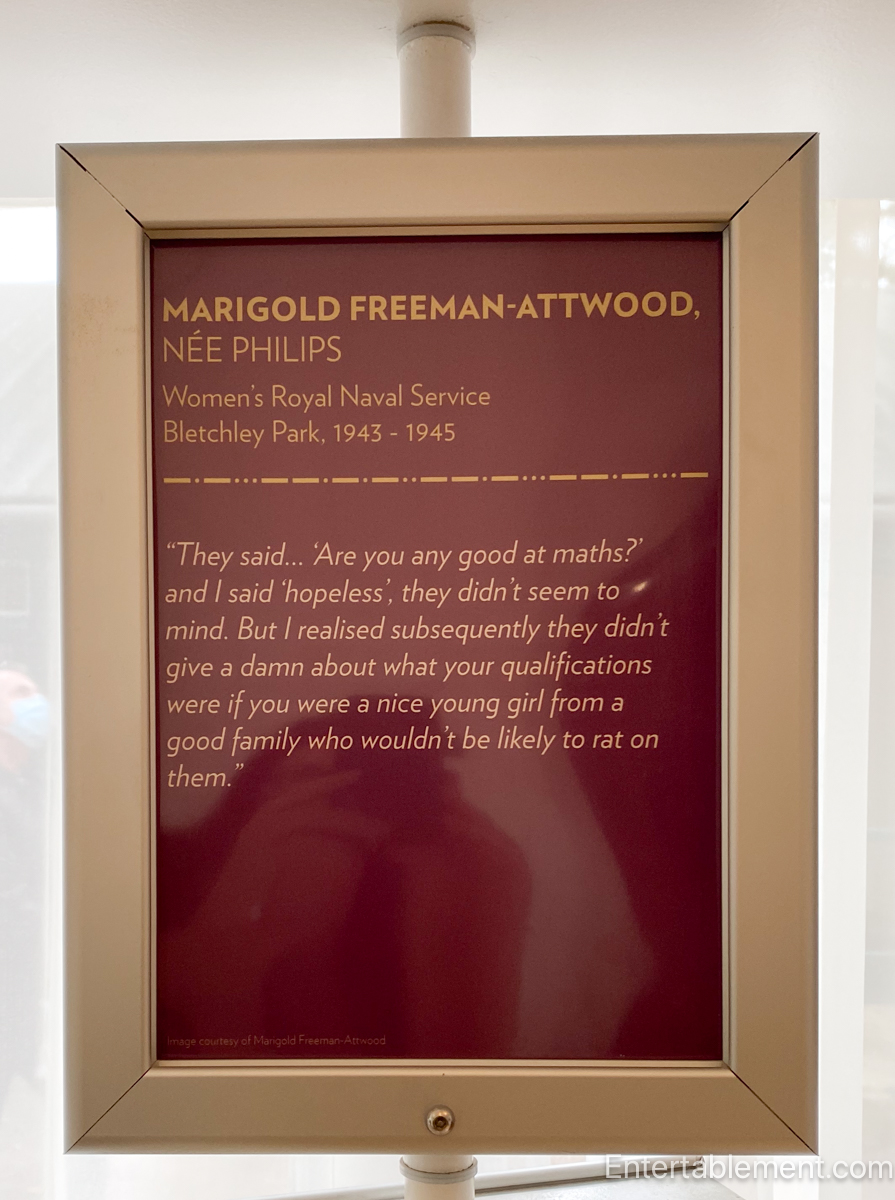
More than 9,000 people were employed at Bletchley in the deadly quest to intercept and decode German messages to end World War II.
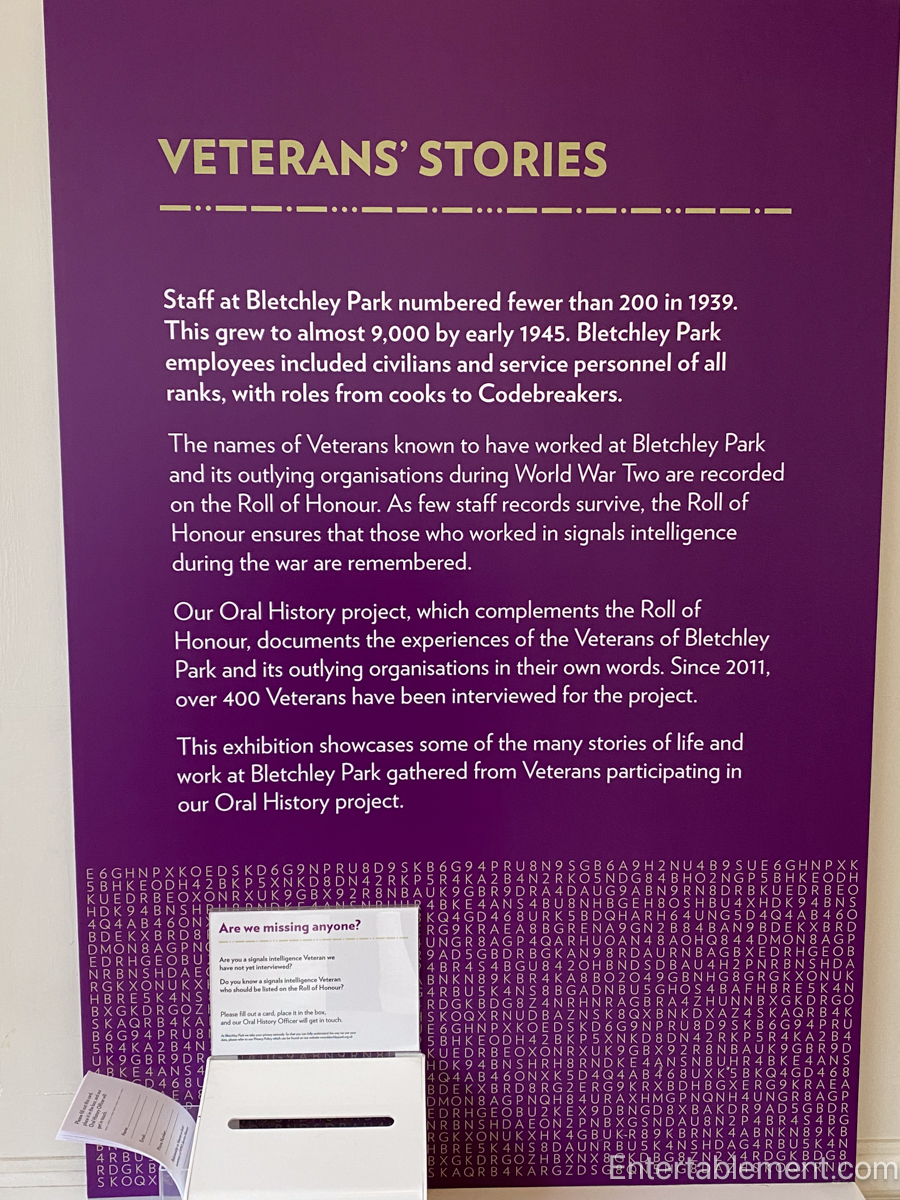
Glenn and I had visited before but wanted to show it to Lauren, our adventurous youngest daughter. She loves all things military, but we knew she would especially like to see the motorbikes used by the dispatch riders during WWII, who worked in many “Y” stations along the coasts right up into northern Scotland.

Their jobs were twofold: listening for hours and secretly taking down the enemy’s coded messages, then driving in blackout conditions in all kinds of weather to Bletchley Park (Station X), where the messages were decoded and translated into English. Making matters even more hazardous, the journey was taken without any road signs; England had removed them at the outset of the war in case of German invasion. These (often young girls) drove hundreds of miles several times a week, delivered their messages, and drove right back again. Had Lauren been alive then, she would undoubtedly have been one of those riders. After working as a pastry chef for a decade, she recently graduated as a commercial helicopter pilot and is now flying helicopters for a country-wide news company. Yes, she looks like she’s twelve. She isn’t.

We all loved the display of the carrier pigeons, more unsung heroes of the war. Tens of thousands of pigeons were “recruited” to the National Pigeon Service for reconnaissance and intelligence services.
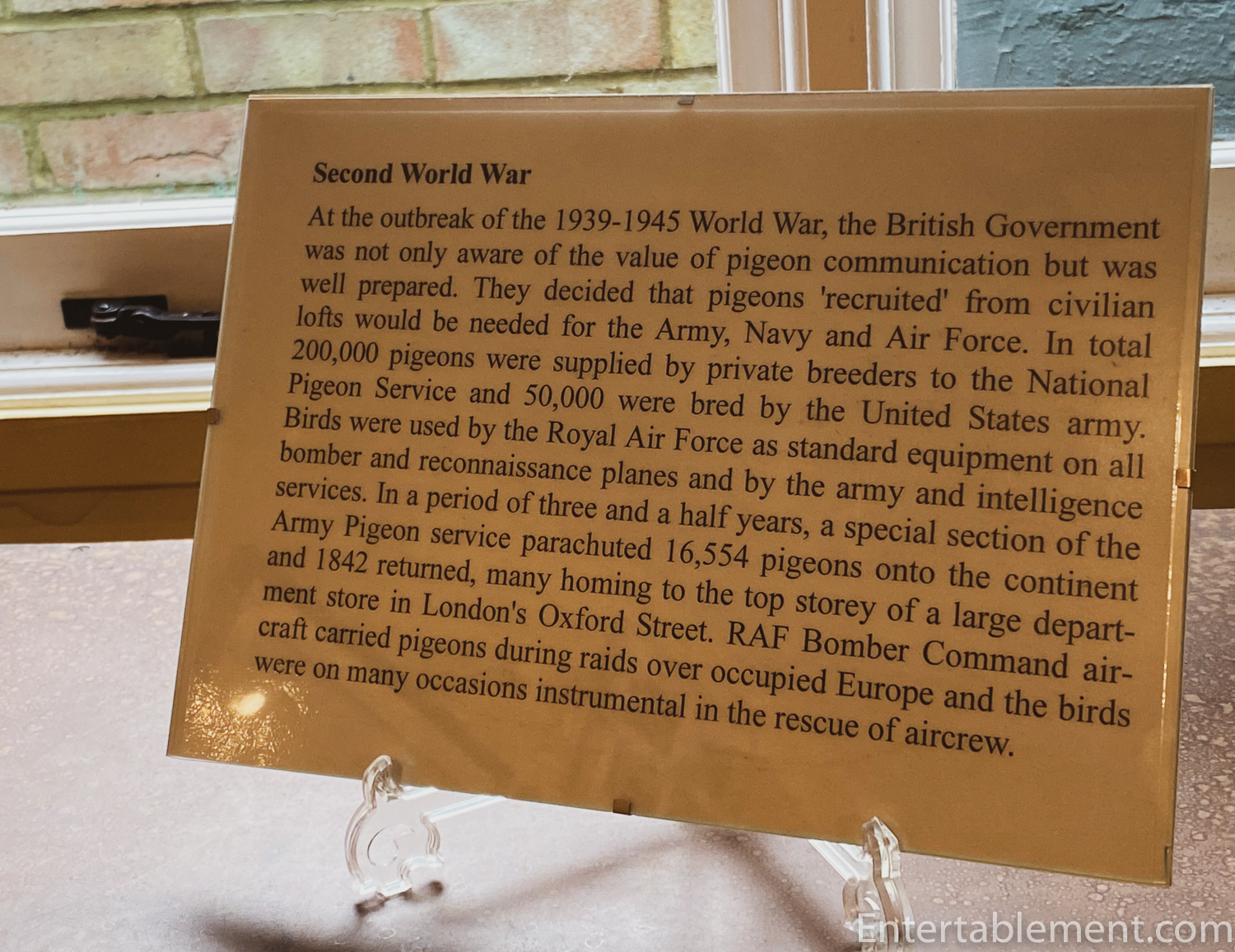
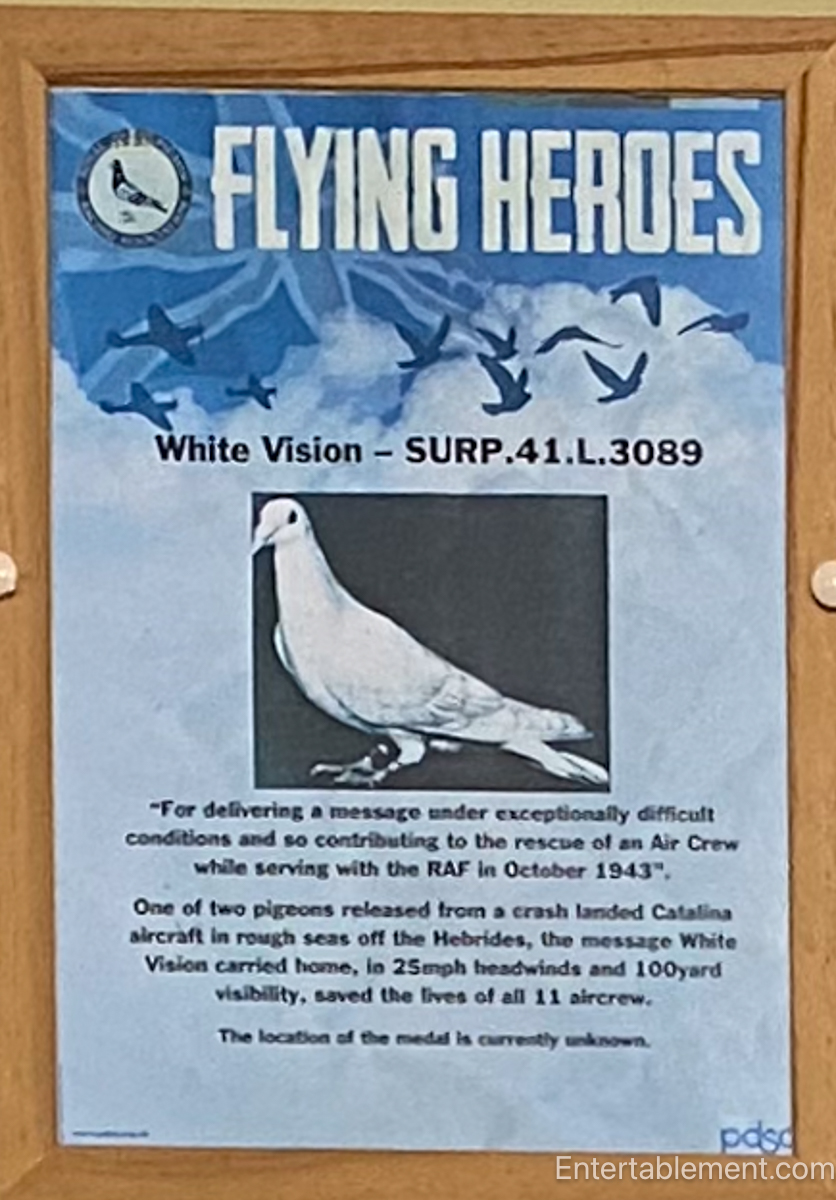
Many were given medals of honour for service above and beyond the flight of duty.

White Vision was one of two pigeons released from a Catalina aircraft during a crash landing off the coast of the Hebrides. He (or she) flew home in 25 mph headwinds and saved the lives of the 11 crew.
Apparently there are specific instructions for Wrapping Pigeons For Dropping From An Aircraft! Who knew?

Traffic was terrible as we left Bletchley and slowly made our way to No 1 Belton.
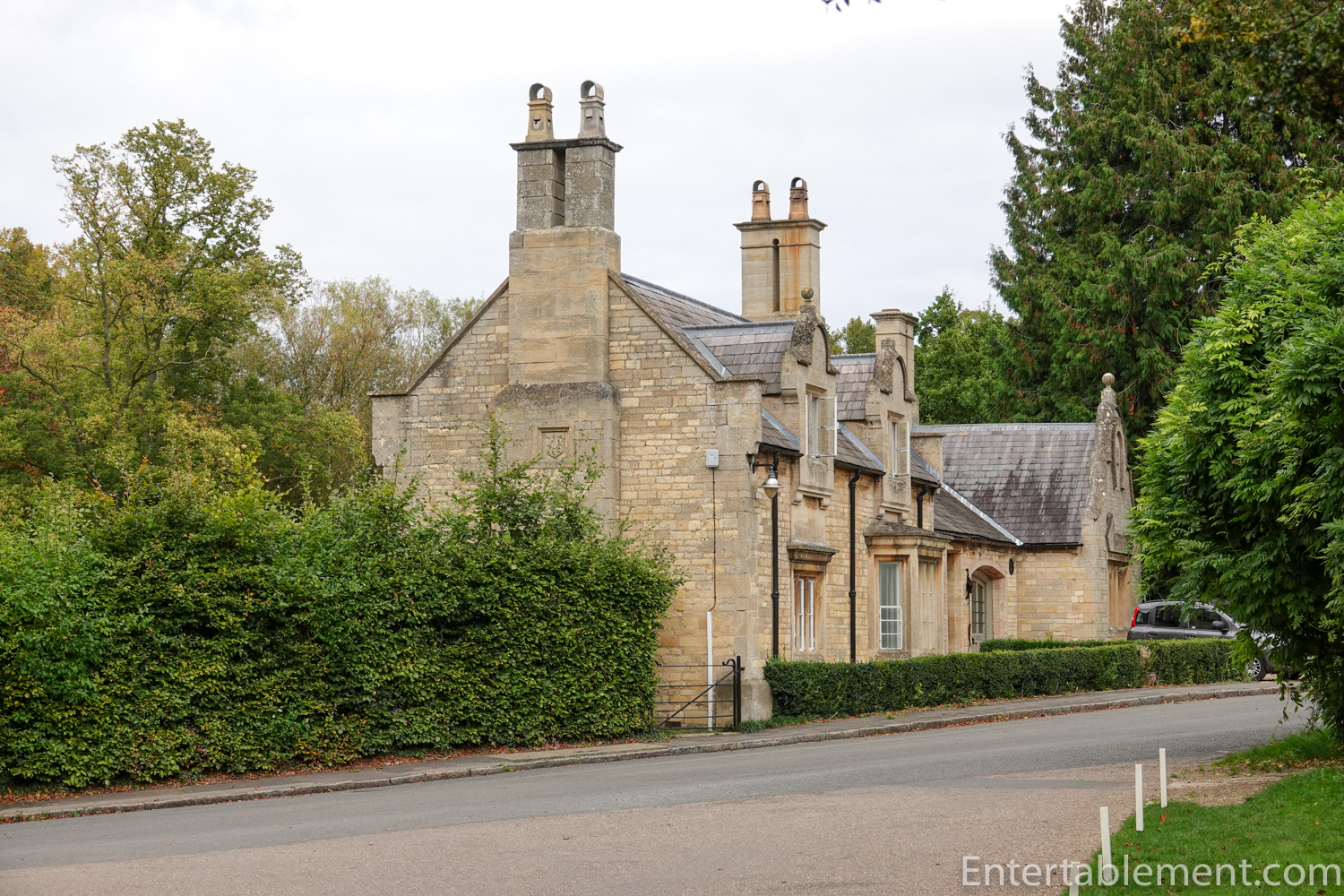
It was dark when we arrived, and we all had dinner uppermost on our minds. Shoving the suitcases into the house, we consulted the visitor’s book for suggestions for a local pub. The first one was packed; we couldn’t get in. At the next one, they made it quite clear that non-locals were not welcome. A bit of scary place, that one. Yikes! Back in the car, hungry and grumpy, we drove 30 minutes to Stamford, a lovely town but not exactly local. Not a promising start. The food situation did not get better. Belton House is quite remote, so plan to eat in if you’re considering staying at No. 1.
The following day, loathe to get back in the car, we decided to spend the day exploring Belton House and the surrounding areas.
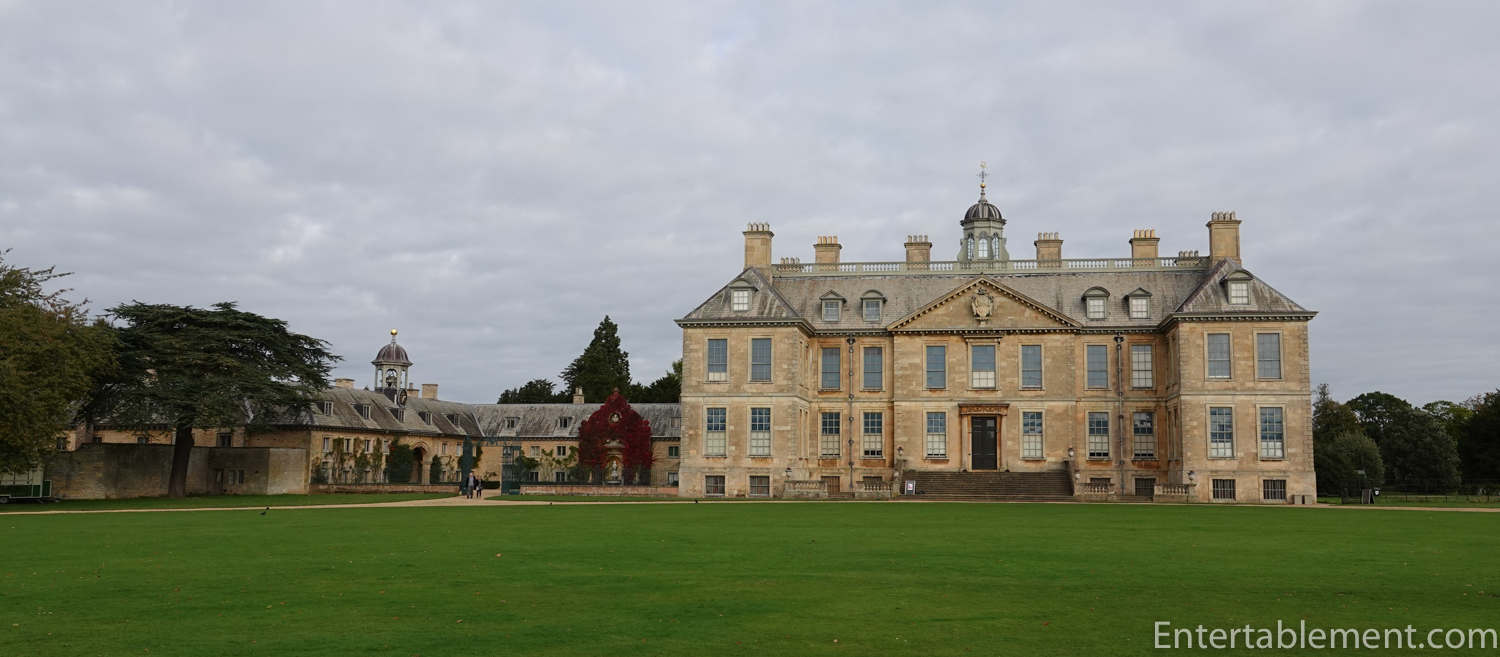
I had wanted to see it since reading Susanna Gregory’s Thomas Chaloner series, set just after the Restoration of Charles II. Chaloner is a fictionalized detective and a reluctant spy working for the genuine Edward Hyde, the Earl of Clarendon, who served as Lord Chancellor to Charles II from 1660 to 1667.
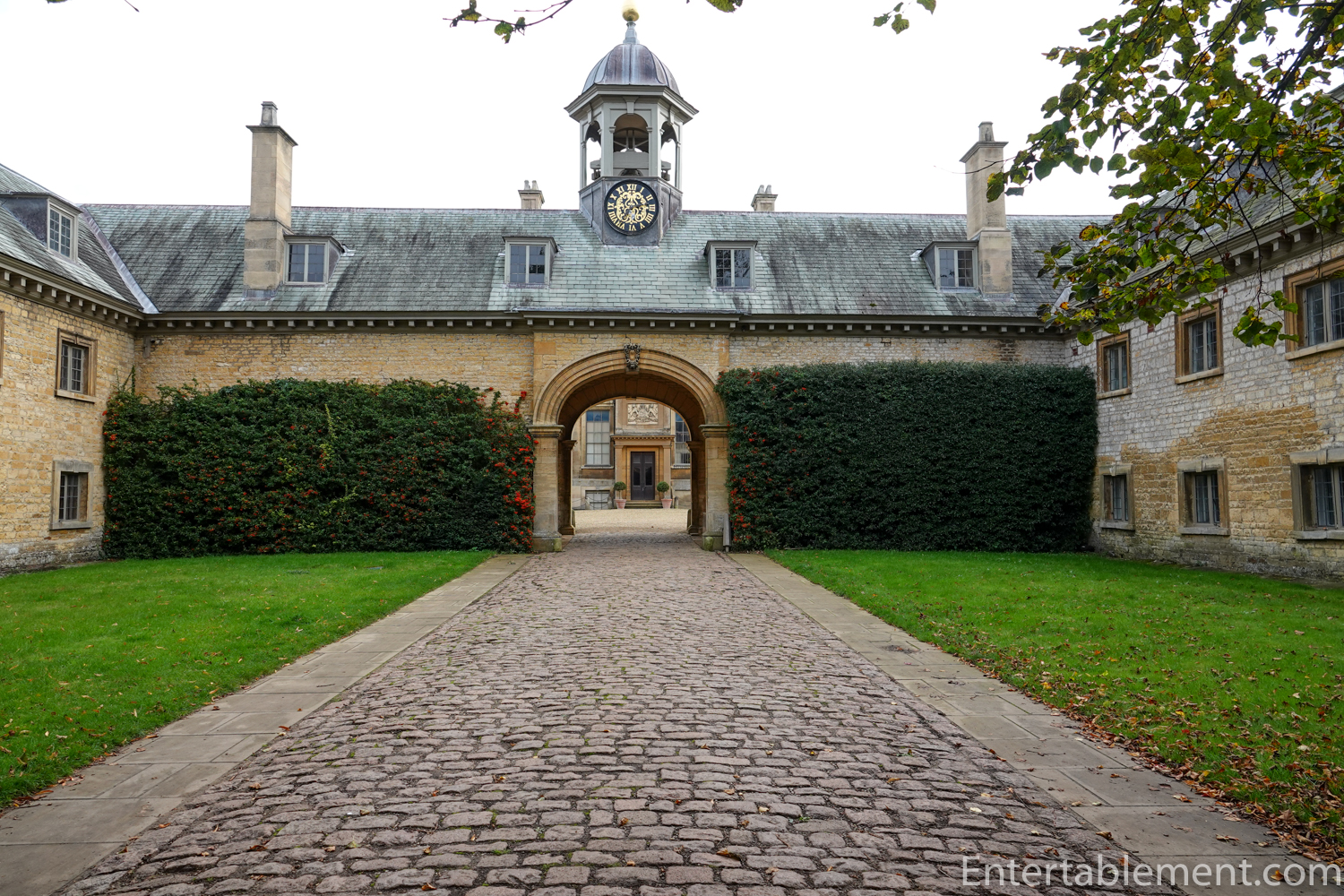
Hyde built Clarendon House on 30 acres of land on Piccadilly (then a country road), bordered by today’s Dover Street, Old Bond Street and Grafton Street.
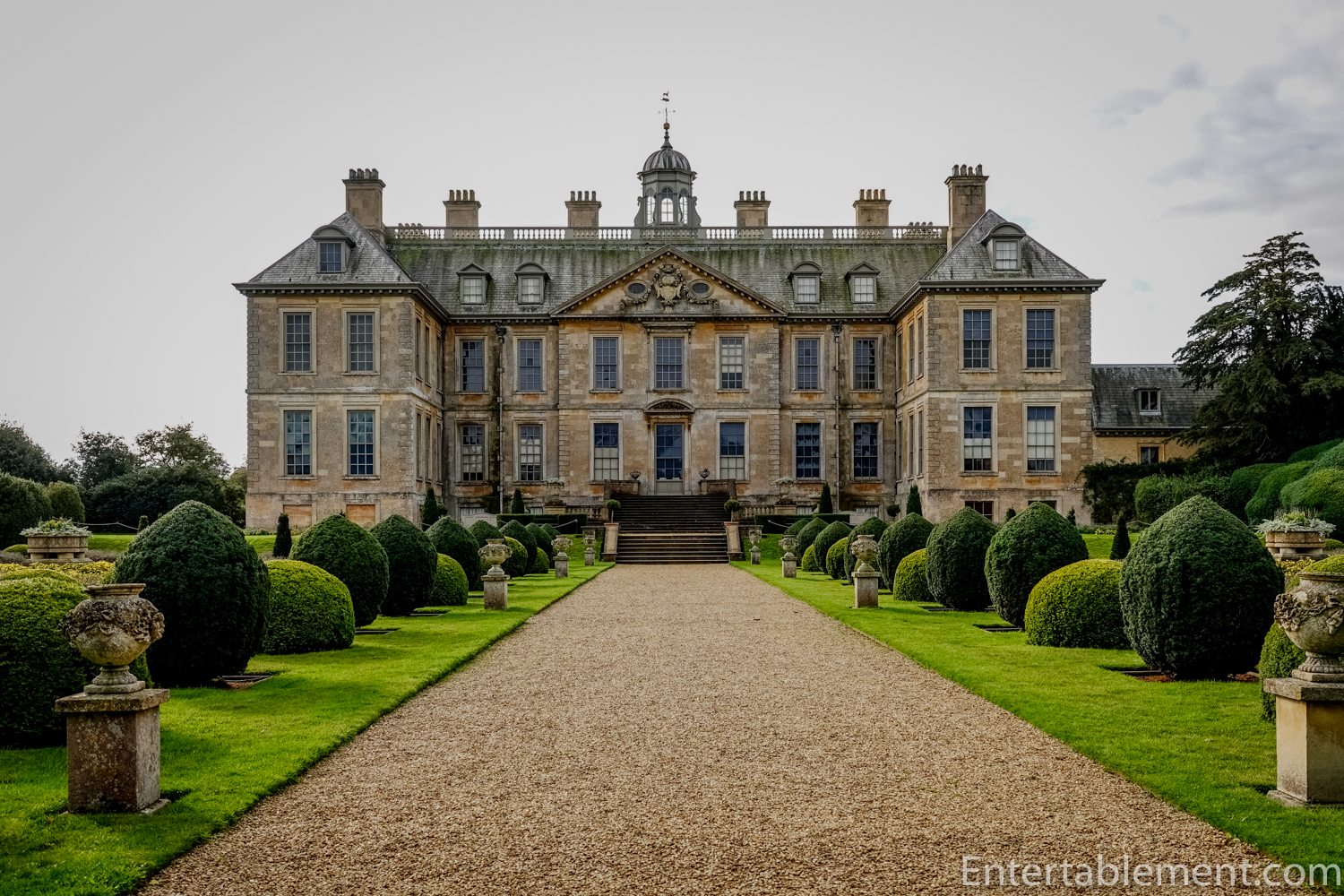
Regrettably, Clarendon fell from favour and was forced to flee to France in 1667. Even more unfortunately, Clarendon House was demolished in 1683. The Piccadilly Plot, the seventh in the Thomas Chaloner series, revolves around the building of Clarendon House and all the attendant resentment it caused.
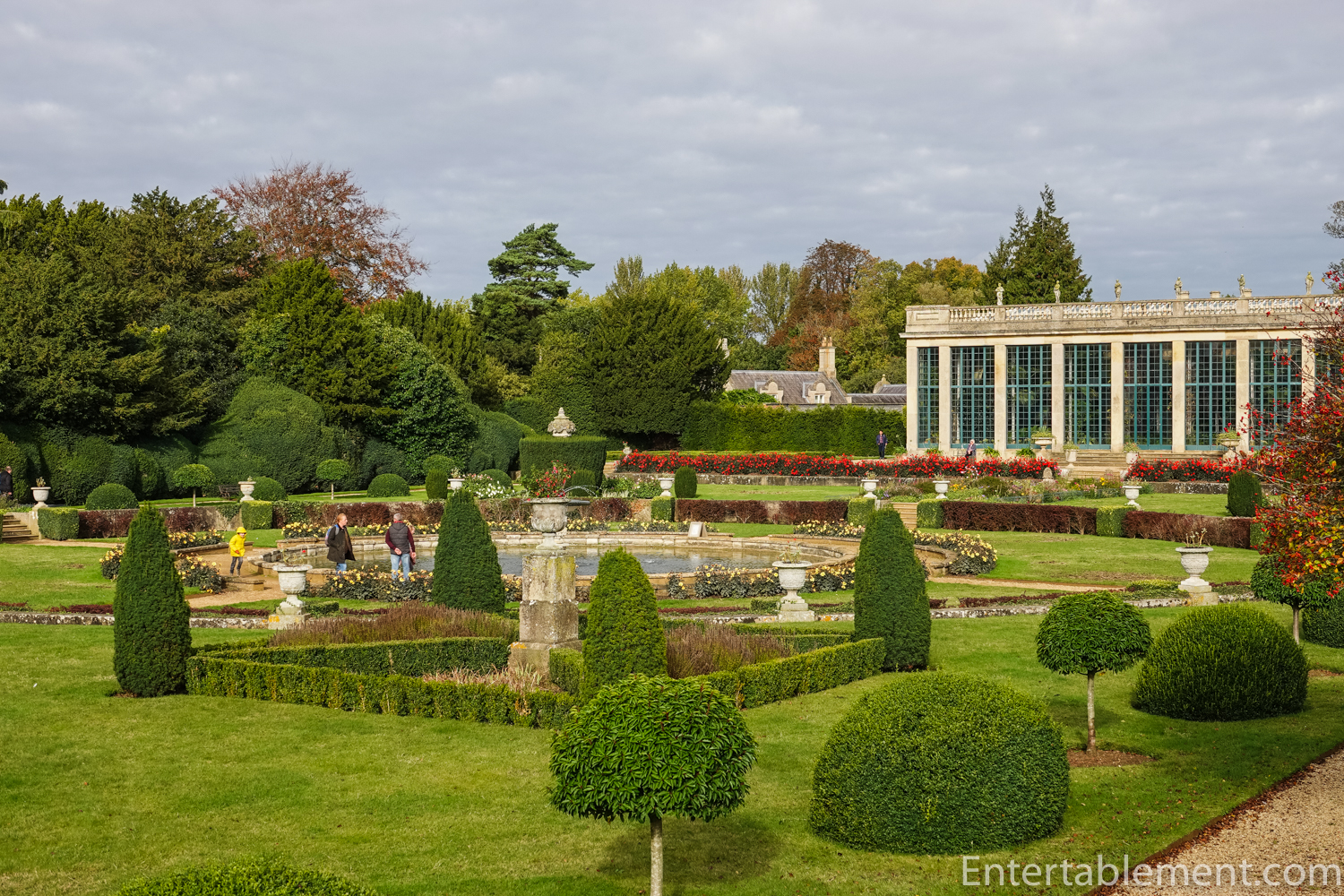
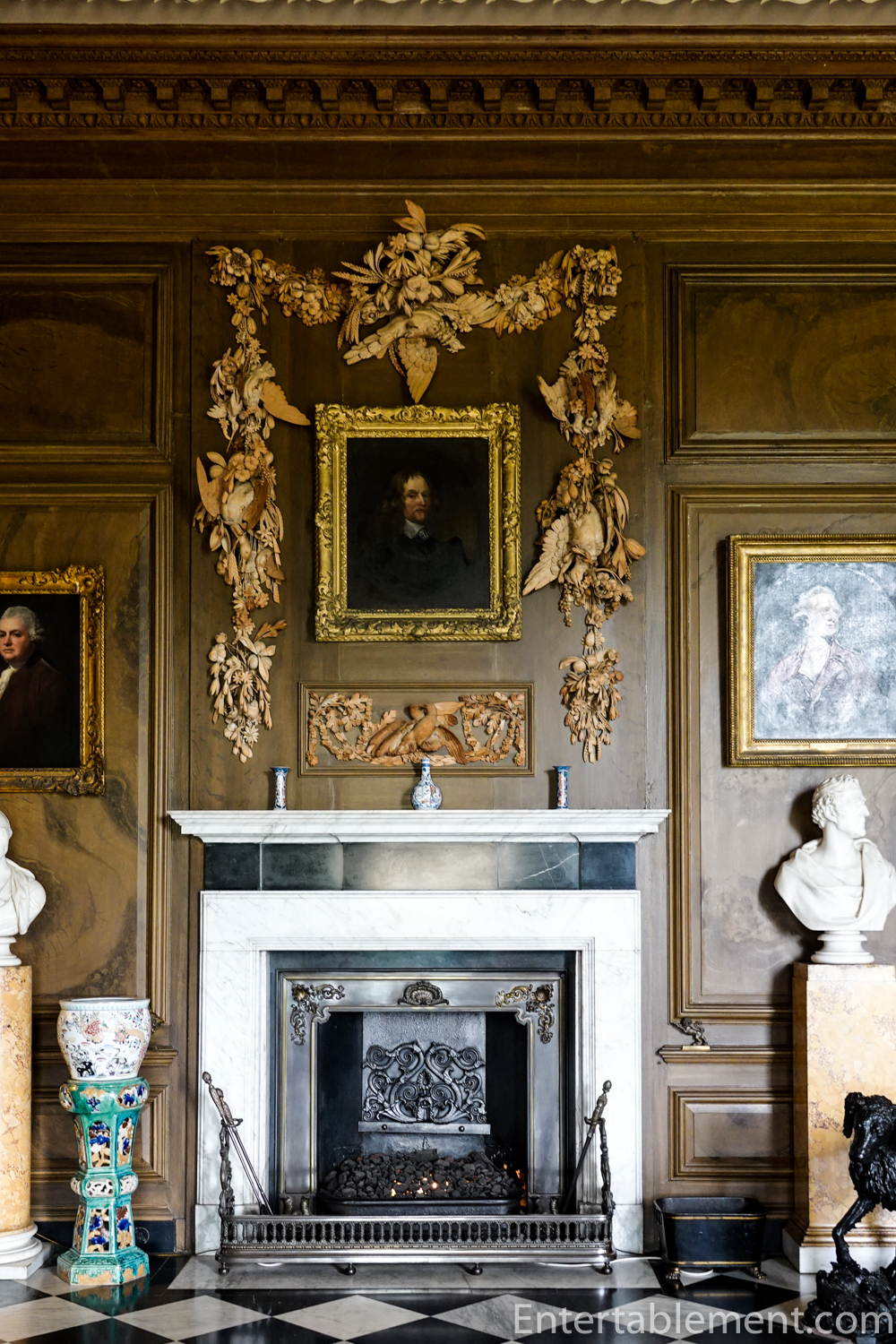
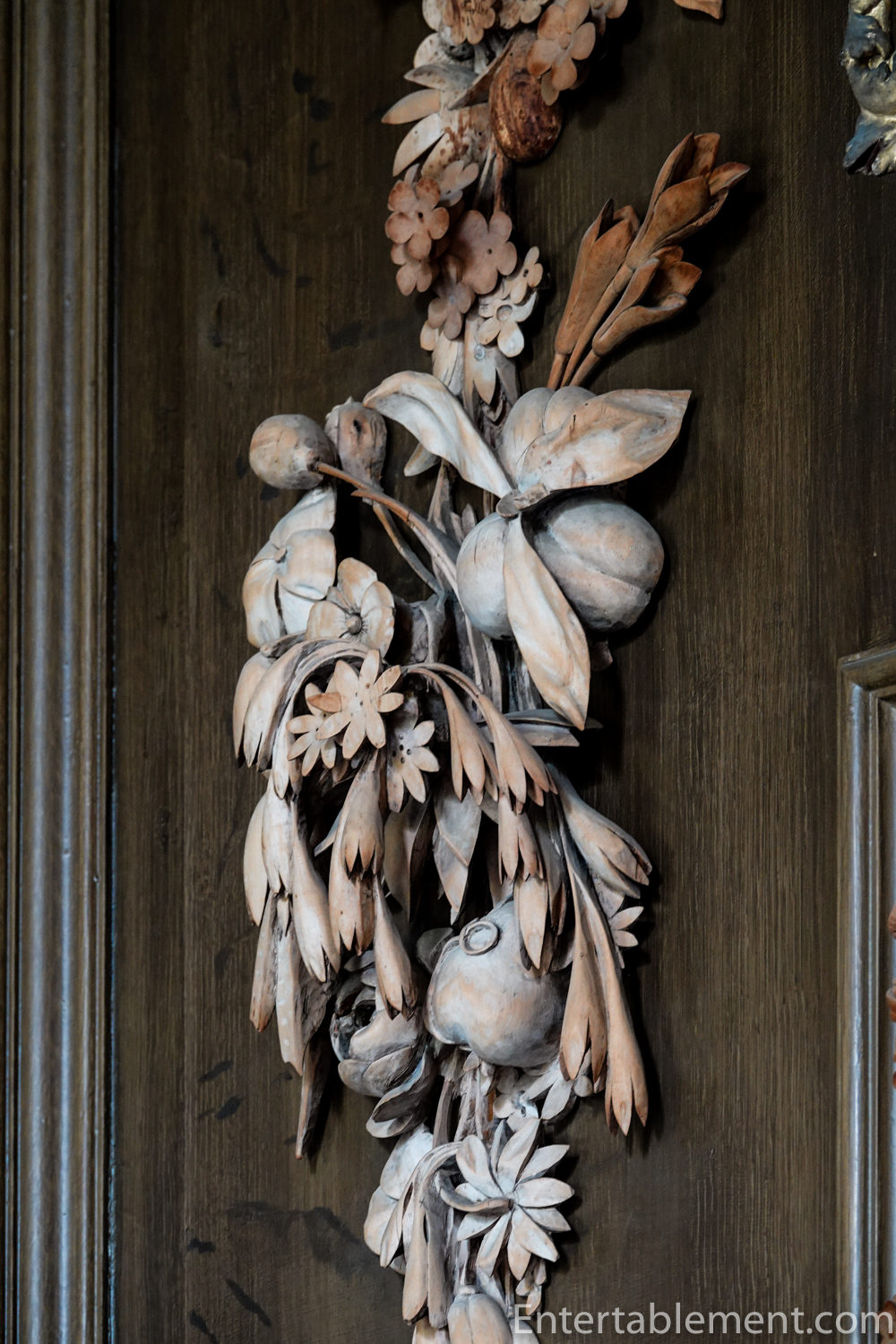
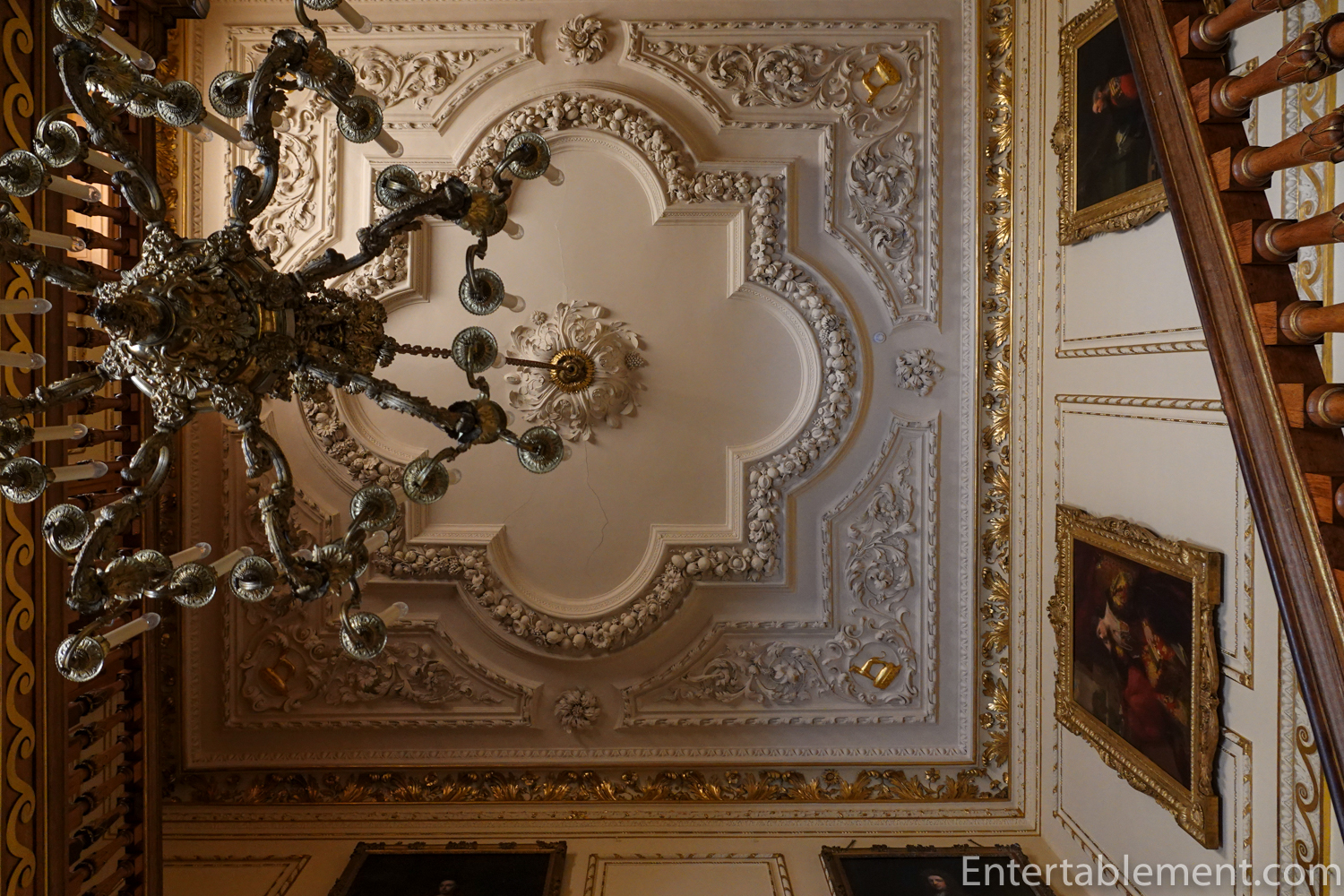
Belton House was worth the wait. I’ll write a full review of it in due course, but here are a few shots of its magnificent interior.
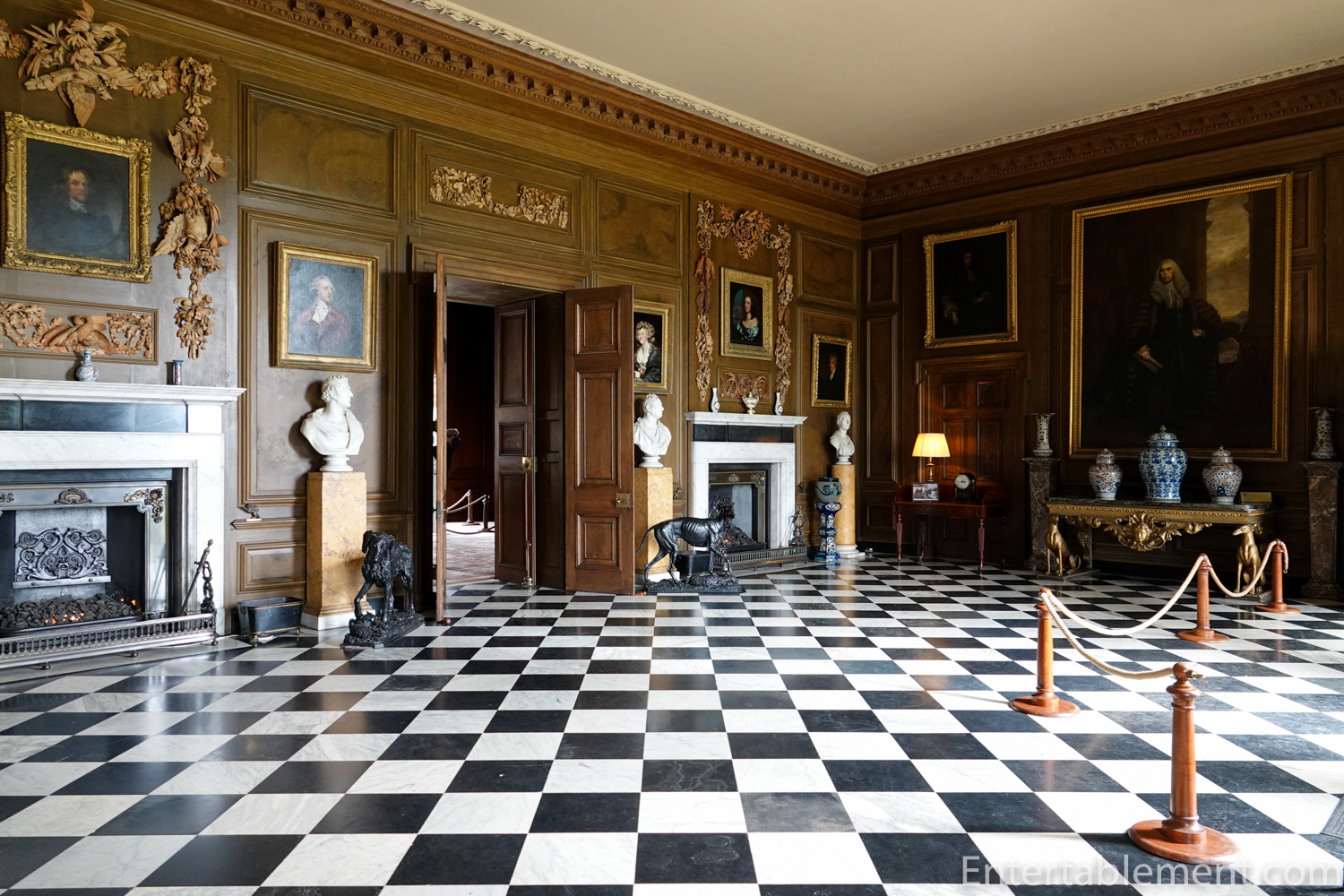
The marble entrance hall features limewood carvings by Grinling Gibbons.
An exquisitely plastered ceiling gazes down over the staircase.
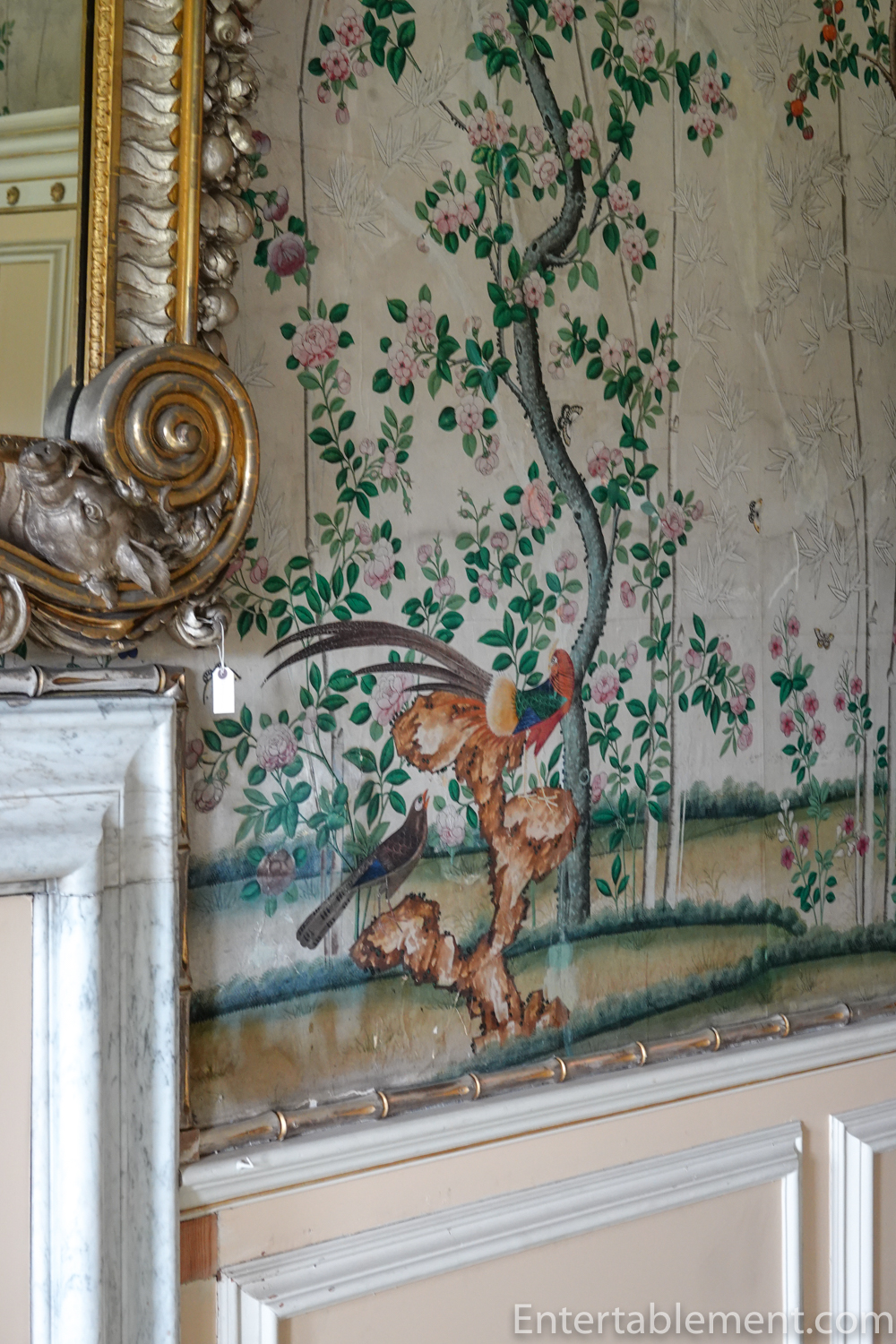
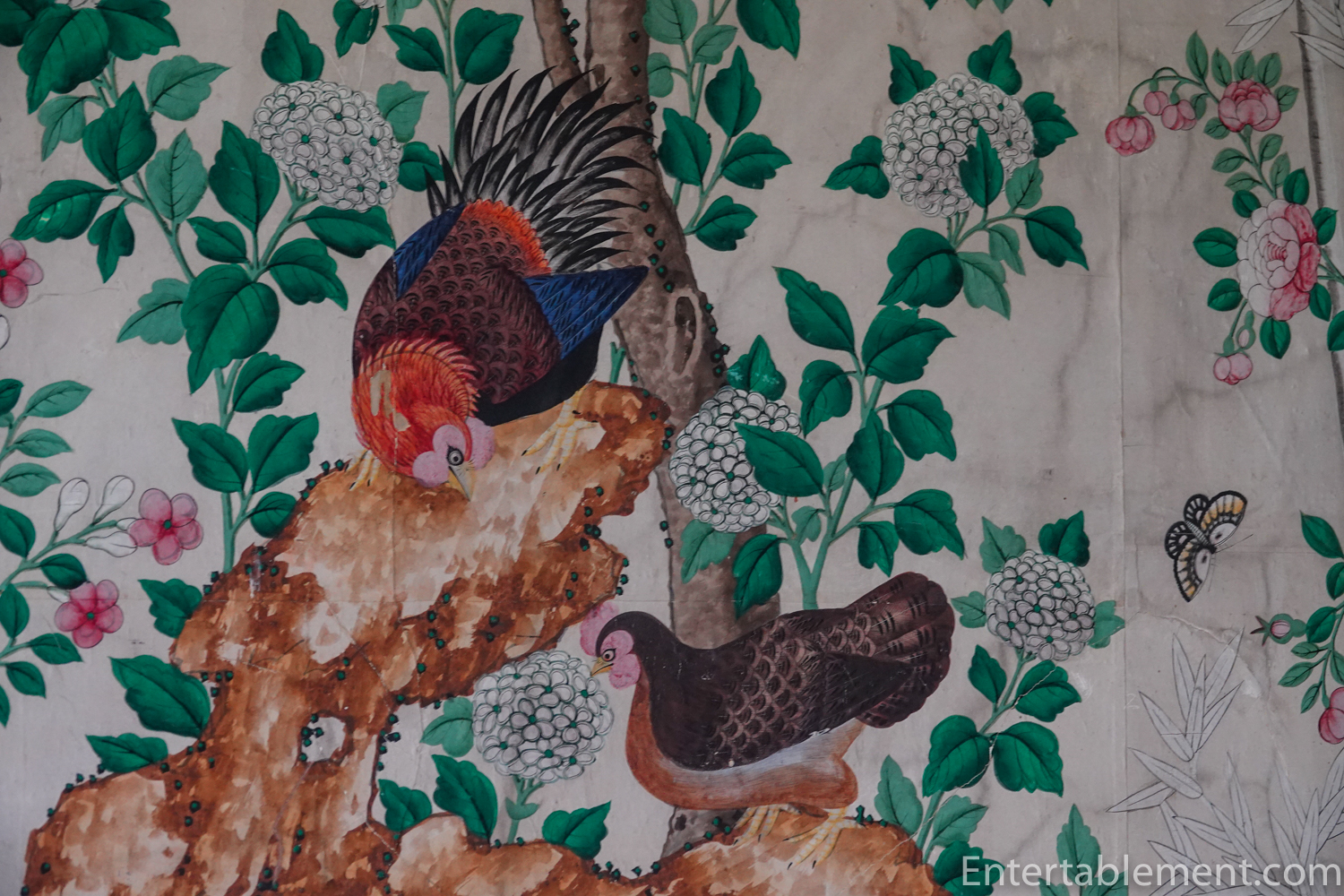
Hand-painted Chinese wallpaper in the first-floor Chinese Bedroom.
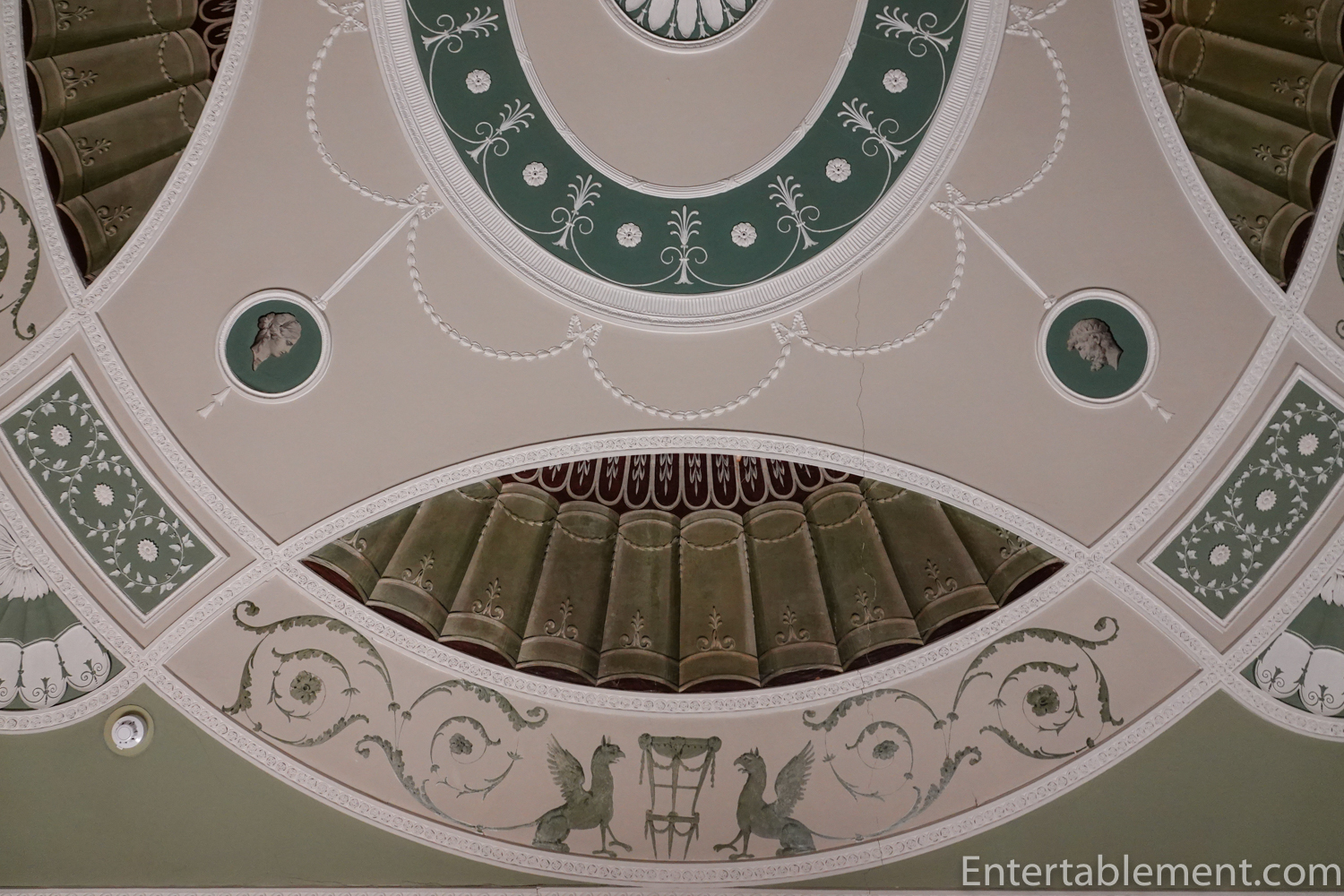
And coloured plaster ceilings worthy of Robert Adams but by his rival, James Wyatt.
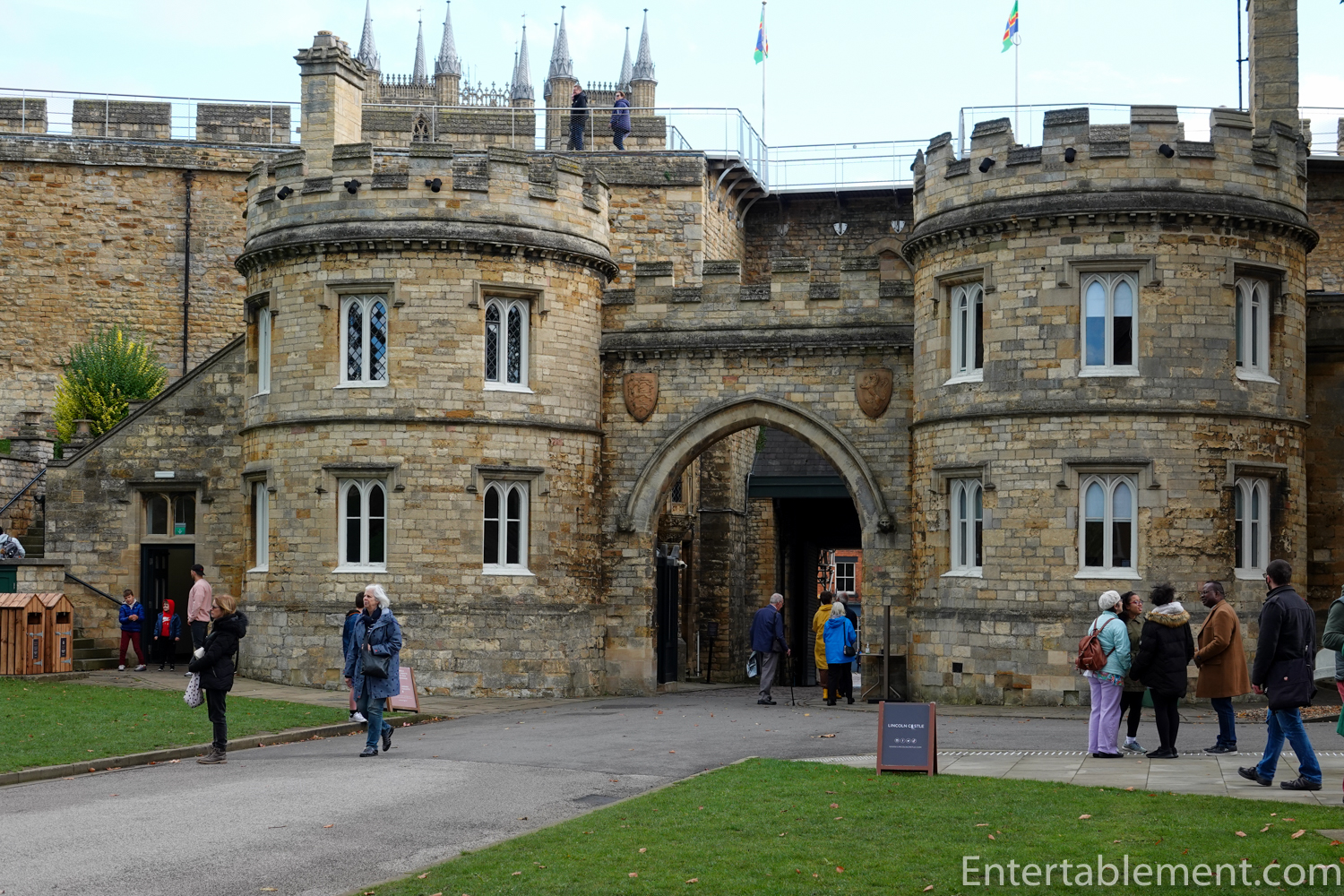
Over the next couple of days, we visited Grimsthorpe Castle (no interior pictures allowed) and the town of Lincoln. I had seen Lincoln Cathedral on an earlier trip but was eager to revisit it and take additional photos. We began our day at Lincoln Castle, built by William the Conqueror in 1068 and positioned to defend the Cathedral.
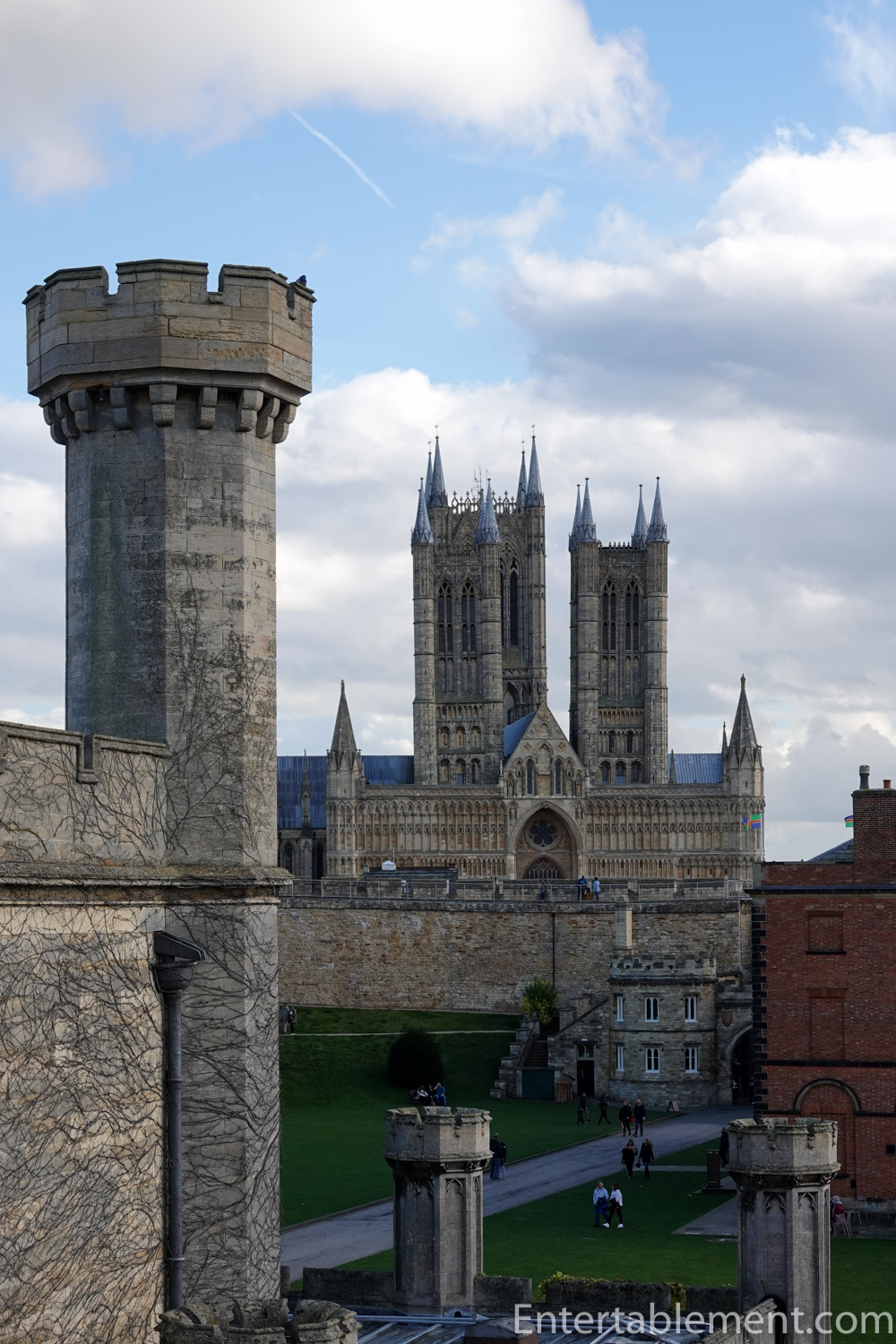
The castle has several claims to fame, one of which is an original copy of the 1215 Magna Carta. Signed by King John at Runnymede, the Magna Carta enshrined the principle that the King must act within the rule of law, a hard-won concession John attempted to retract almost immediately. John was always something of a problem child…
Walking along the parapet of the mighty stone curtain wall is awe-inspiring. Strategically positioned information boards draw your attention to significant historical events, and you can see for miles across the countryside.
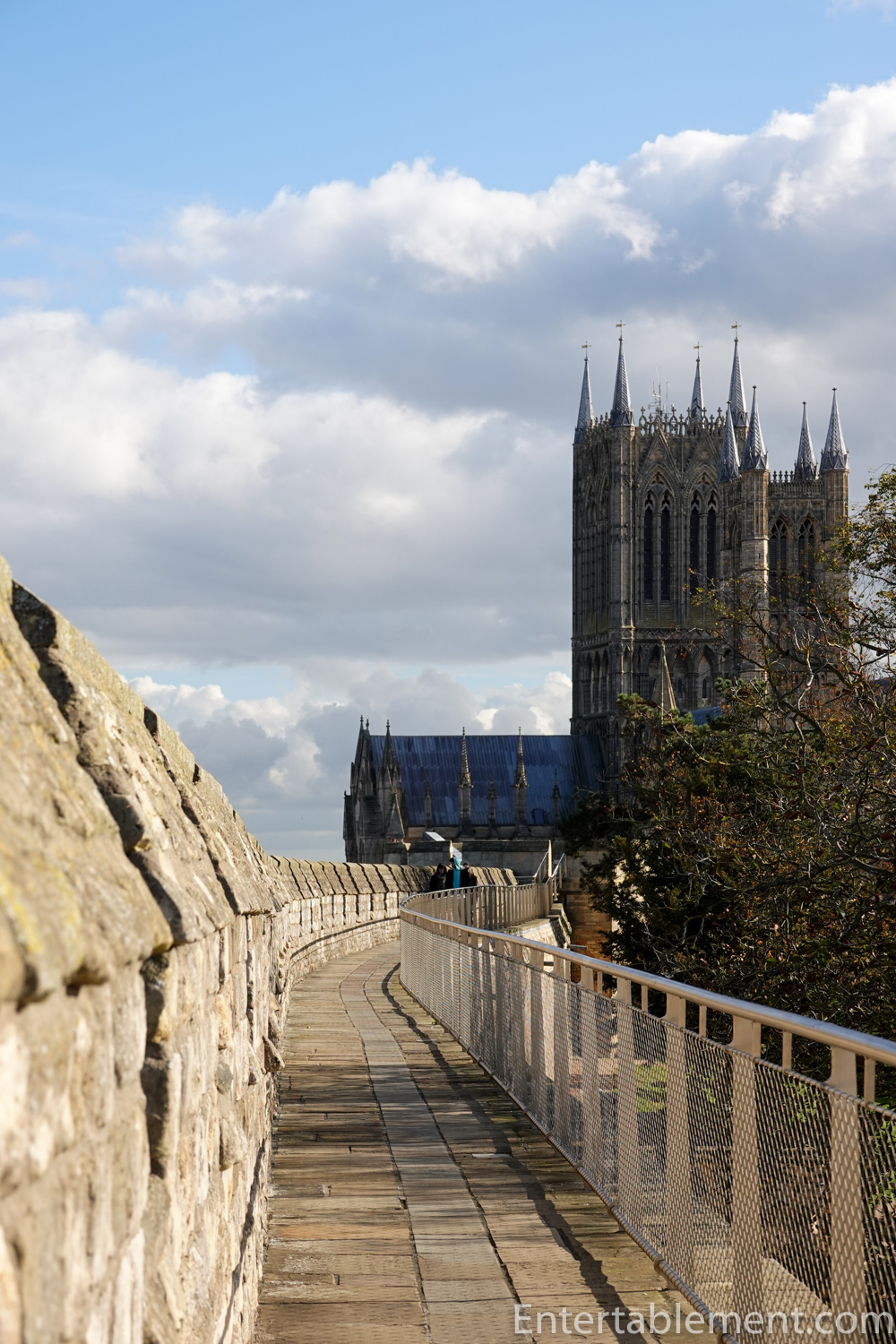
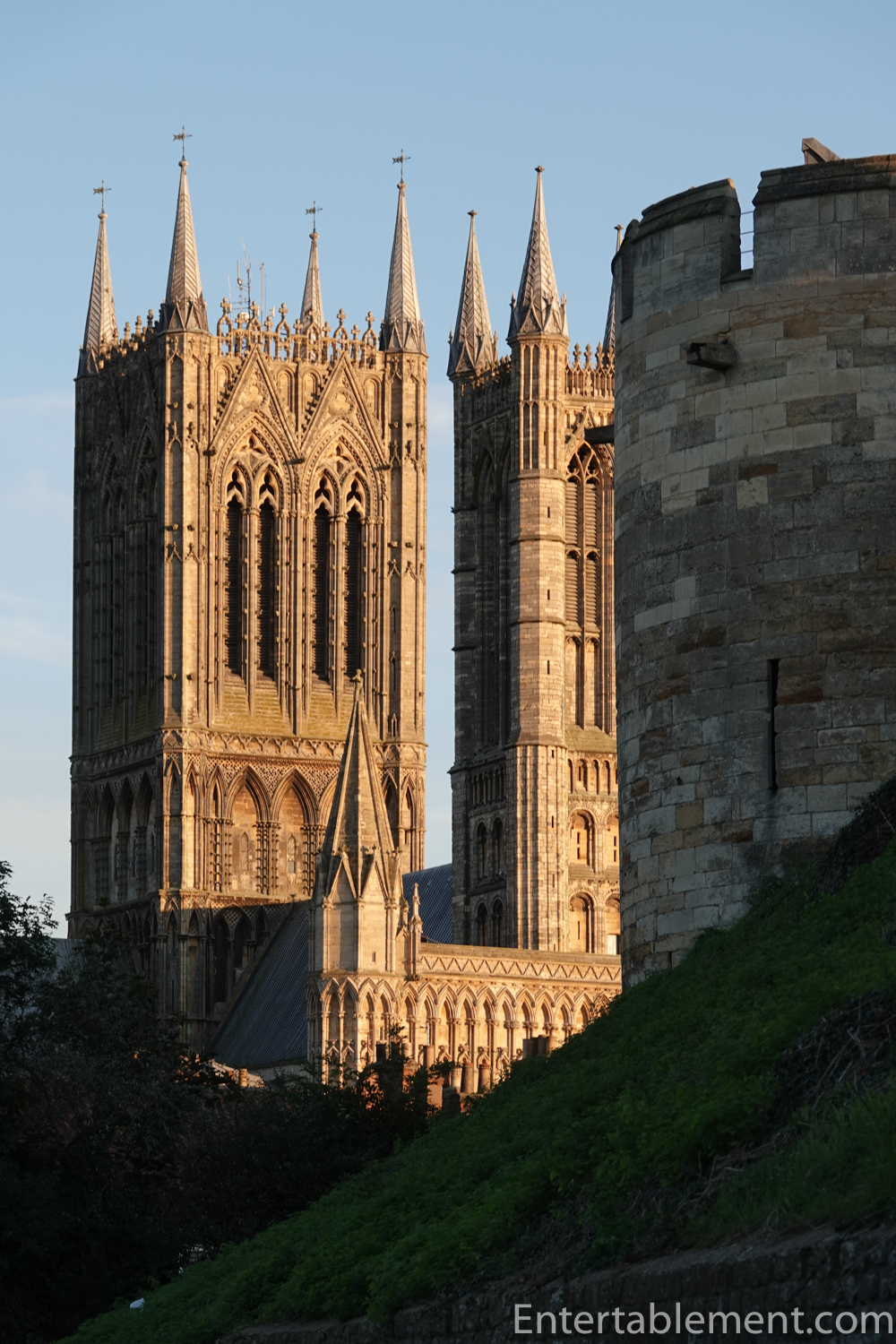
The eastern battlements offer the best view of Lincoln Cathedral. We were lucky to have such a bright, sunny (although quite chilly) day.

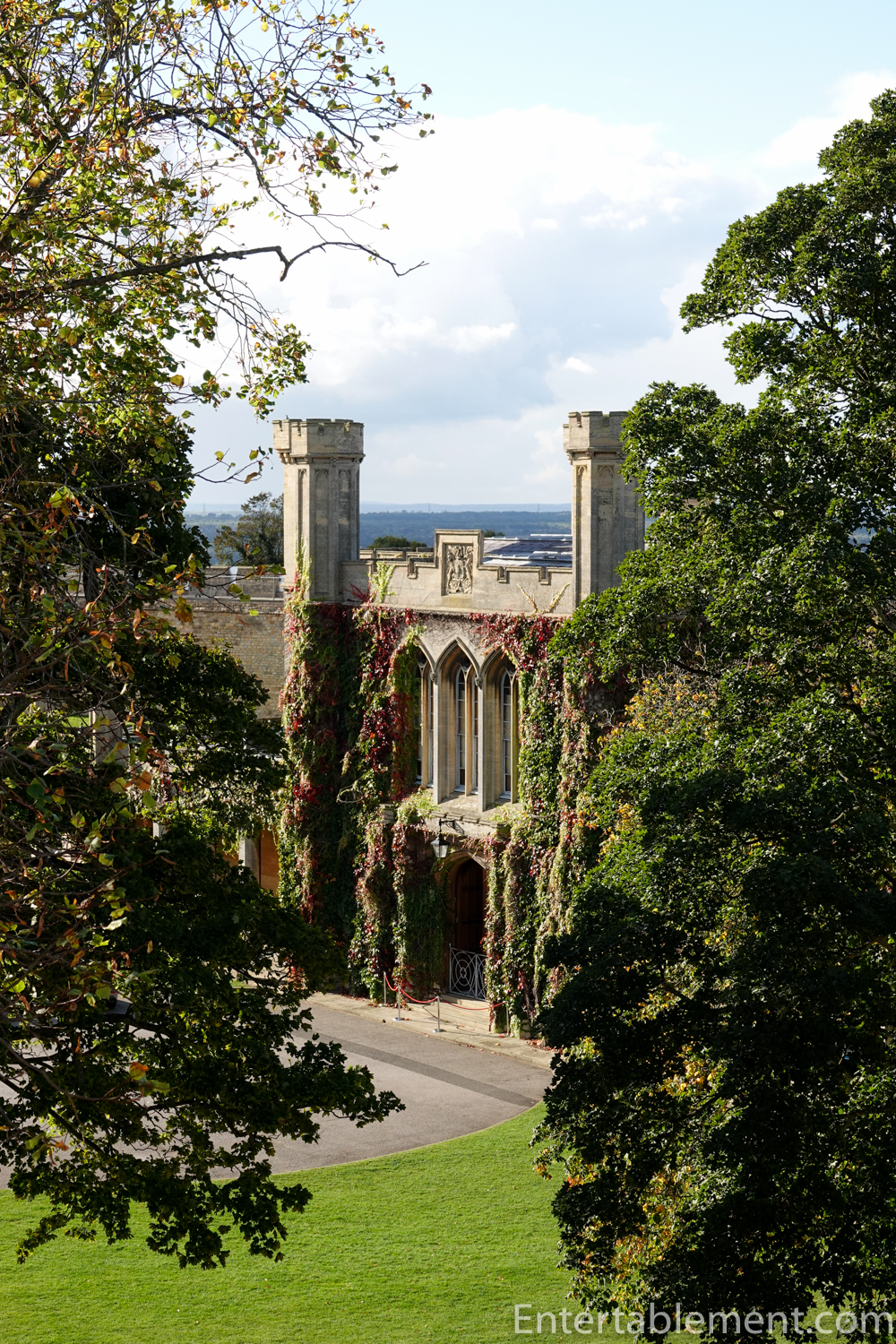
The Gothic Revival courthouse was built in 1826 for the Lincolnshire Assizes. The beautiful, ivy-coloured building houses the Lincoln Crown Court, which still hears criminal trials.
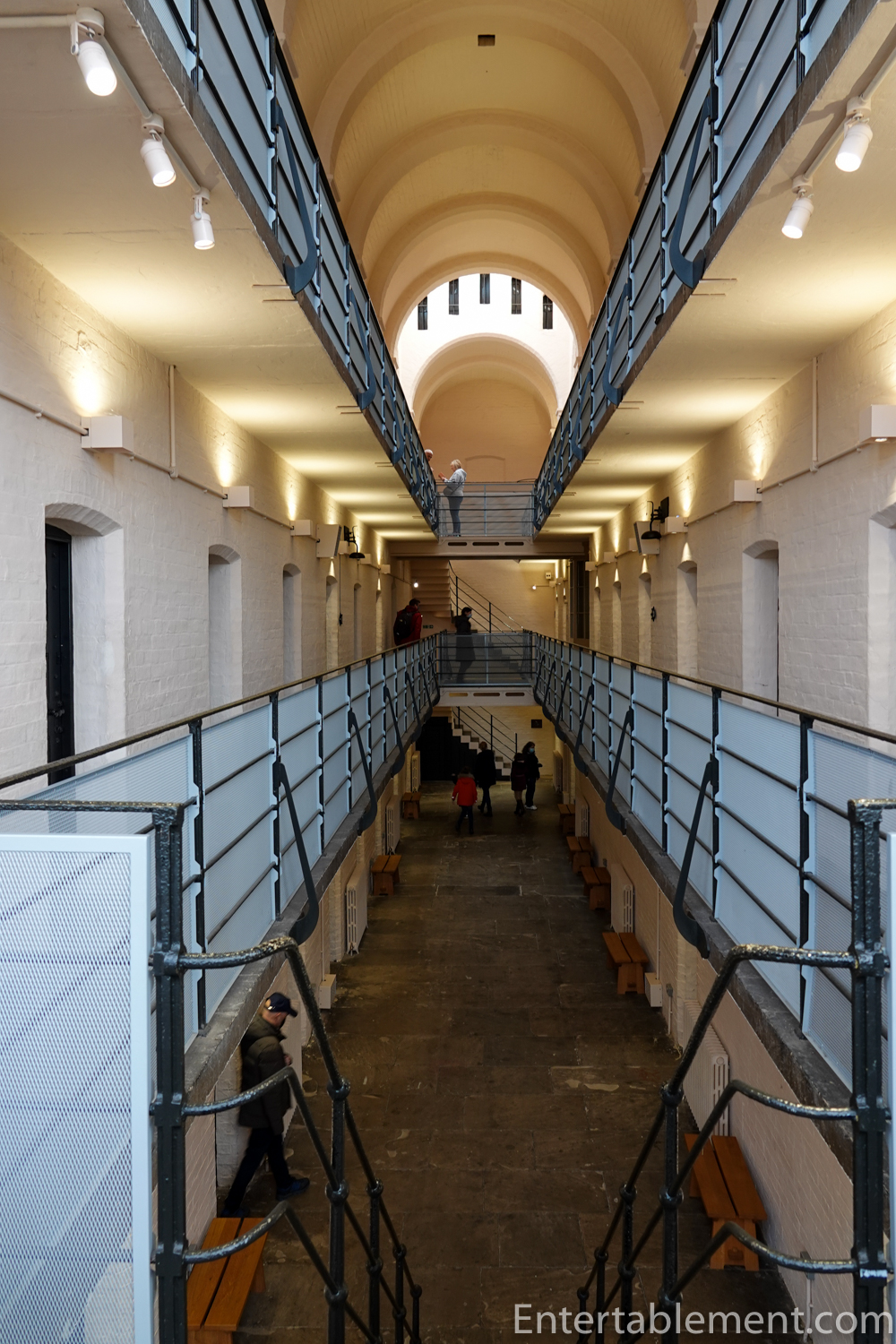
The nearby red brick Victorian prison was fascinating.
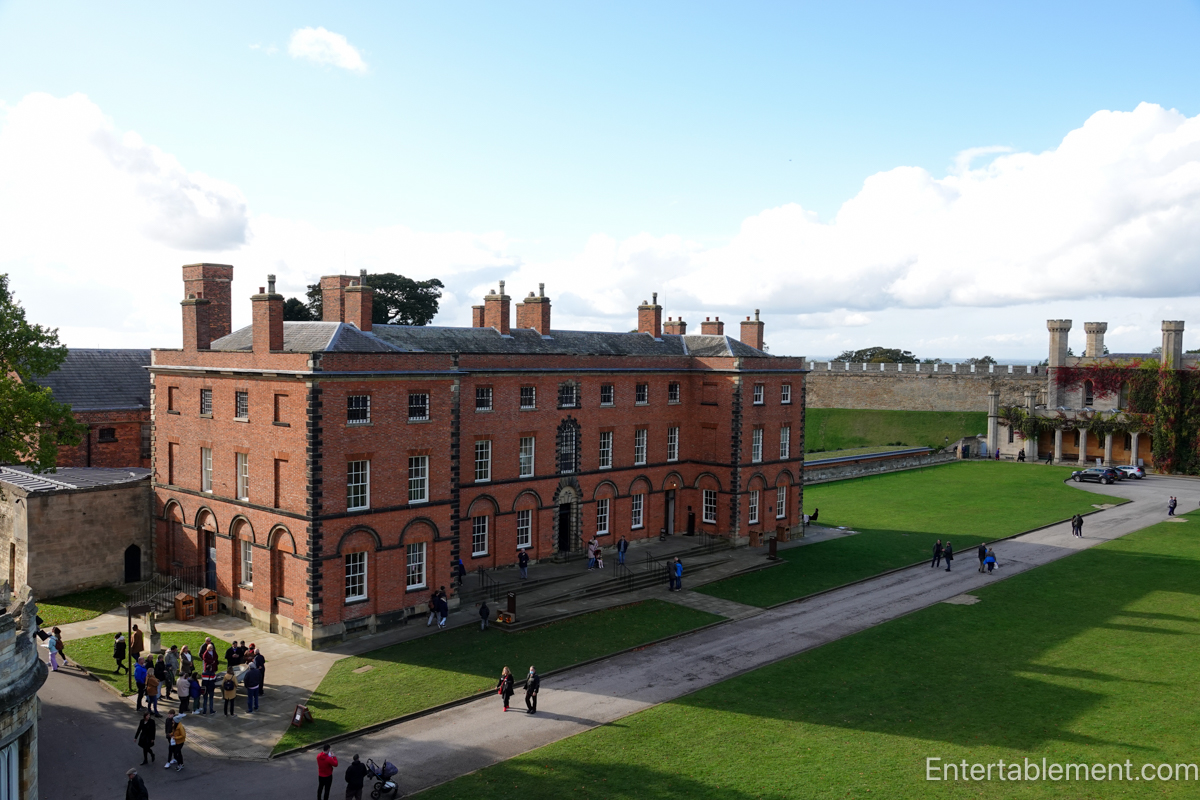
It was designed around the “separate system” in which prisoners were kept separate from the corrupting influence of their fellow inmates to encourage their moral reform.

Separation was maintained even during church attendance in these specially-built compartments.
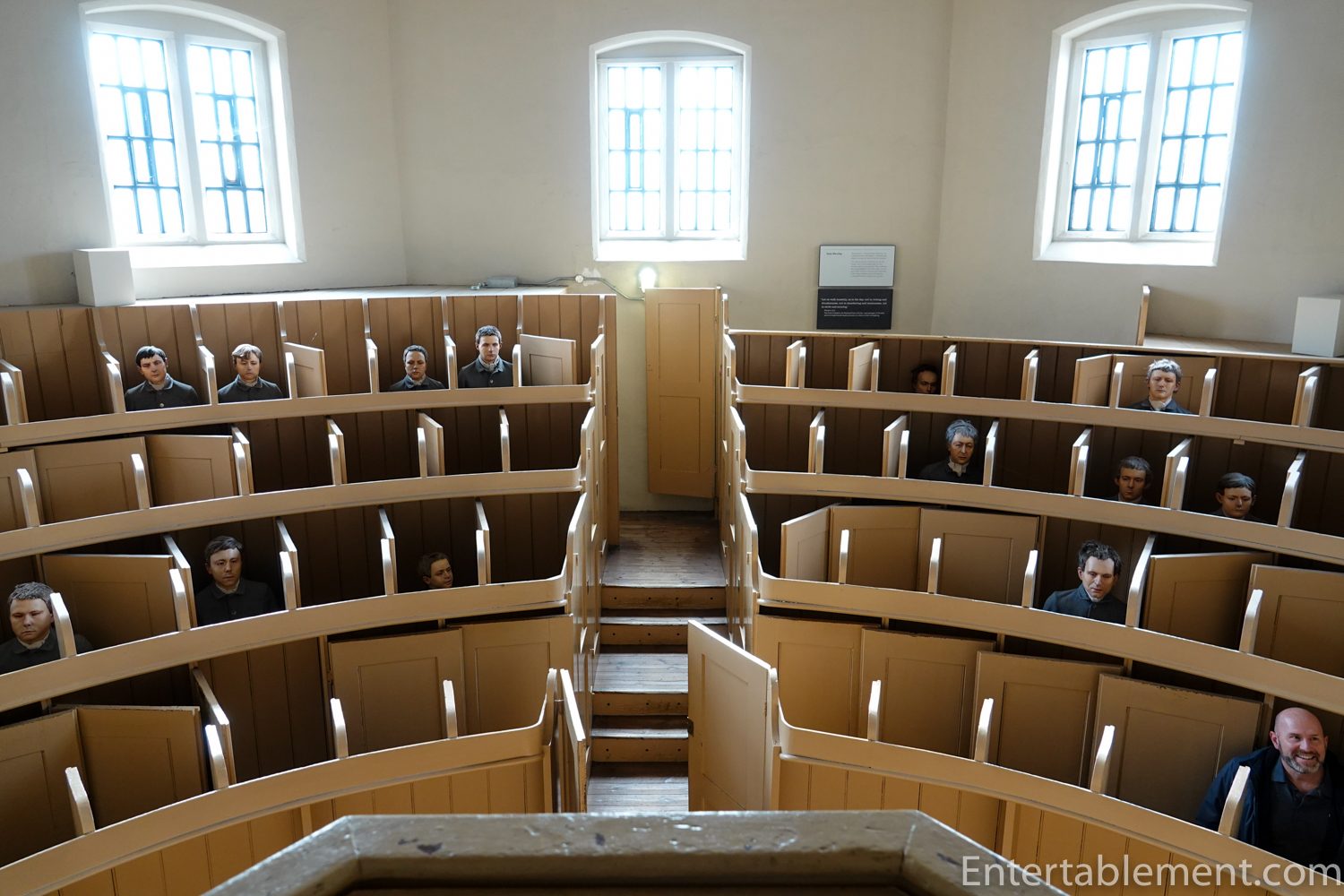
Due to overcrowding, the separate system was never fully implemented, and by 1878, expensive running costs combined with declining prisoner numbers saw the prison close within 30 years after its opening.
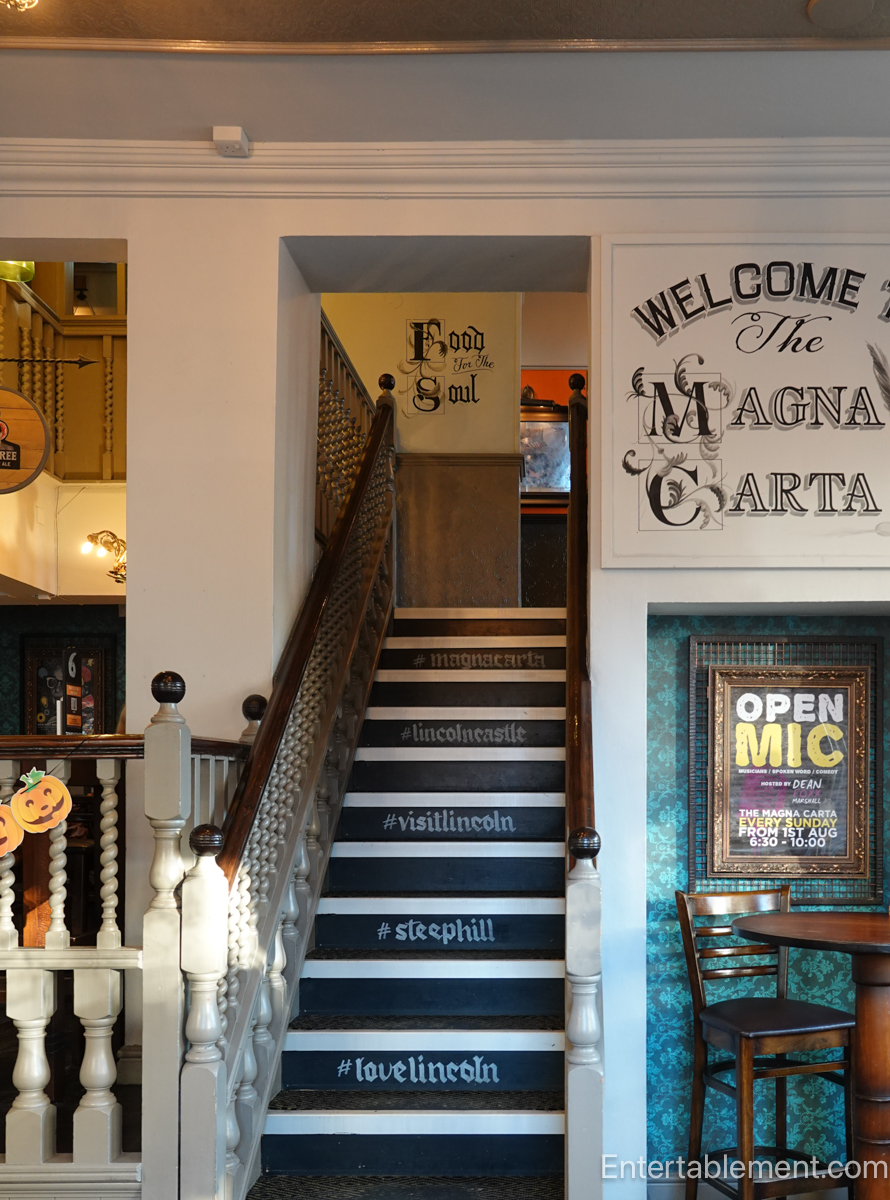
After seeing the castle and prison, Glenn, Lauren, and I went in separate directions: me to the Cathedral and them to the aptly named Magna Carta pub for lunch.

Lincoln Cathedral is enormous; it’s impossible to take in all its splendour in one trip, so revisiting it was no hardship. As with most of the large cathedrals these days, the nave is used for various events and, thus, has no pews.

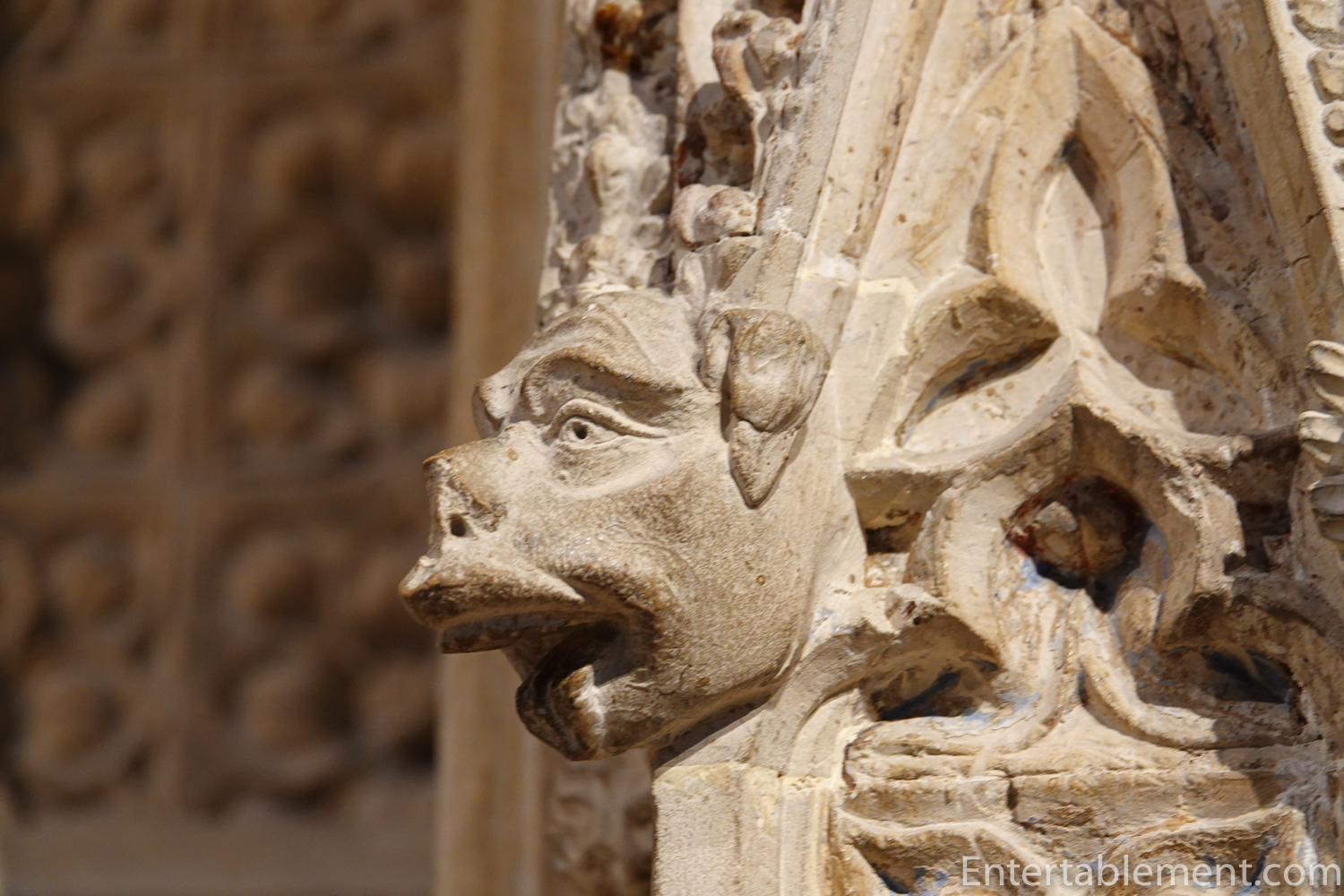

You can read the full story on Lincoln Cathedral in its post, so I’ve just shown a few pictures here.


I joined Lauren and Glenn to explore the rest of the town. Lincoln is well worth a visit. Two thousand years of history at your fingertips, though I have to say, the terrain is not for the faint of heart.

Directing you to the courts.

A nod to the Viking invaders.

I knew the castle and cathedral were perched on a hill, but I didn’t appreciate how steep it was!

Lauren had done a little wandering after lunch and found herself at a spot on the hill where the handrail was literally vertical. The residents must be in excellent physical condition!

As the day drew to a close, we found ourselves surrounded by buildings bathed in golden light.
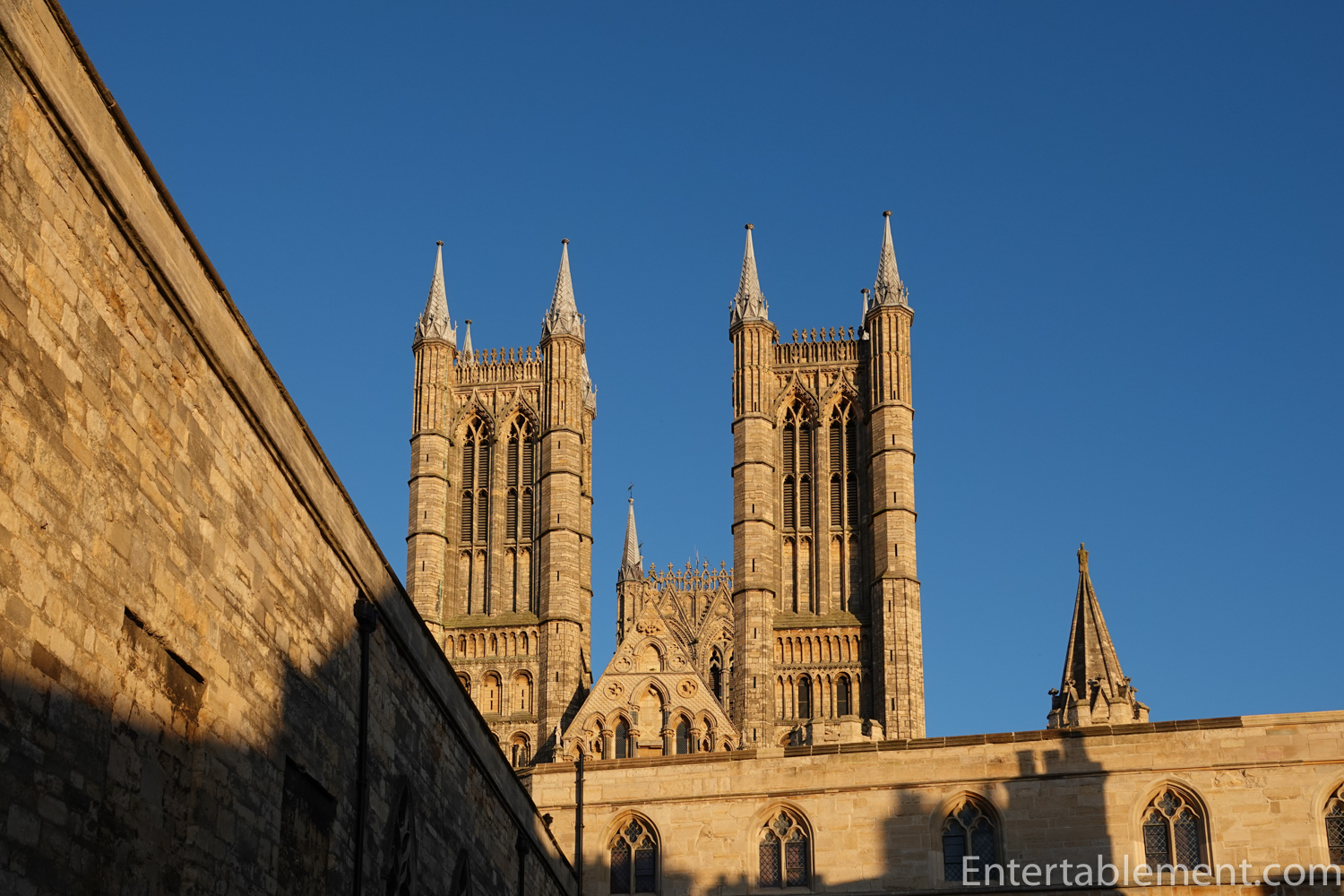
Just beautiful!
The following day, we set off for London. We had begun the trip at the St James’s Hotel (very disappointing). Lauren and had I checked out The Mayfair Townhouse (excellent) while Glenn attended the Goodwood Revival. This final stop was our first stay at The Goring. We wanted to see how the three hotels stacked up in anticipation of our Family Trip to England and Scotland the following year.
The Goring won! It’s definitely our favourite hotel in London.

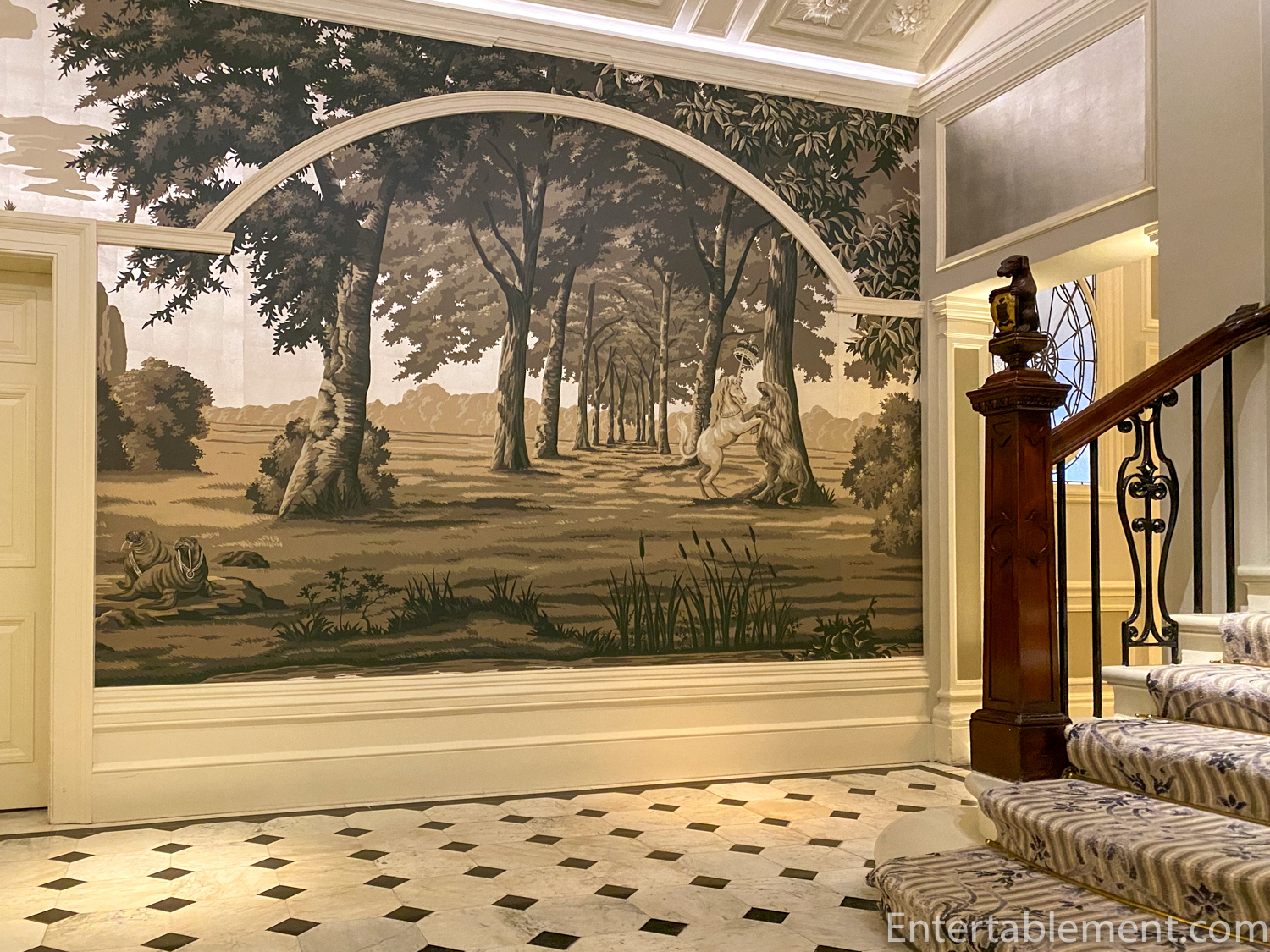
From the glorious hand-painted wallpaper…
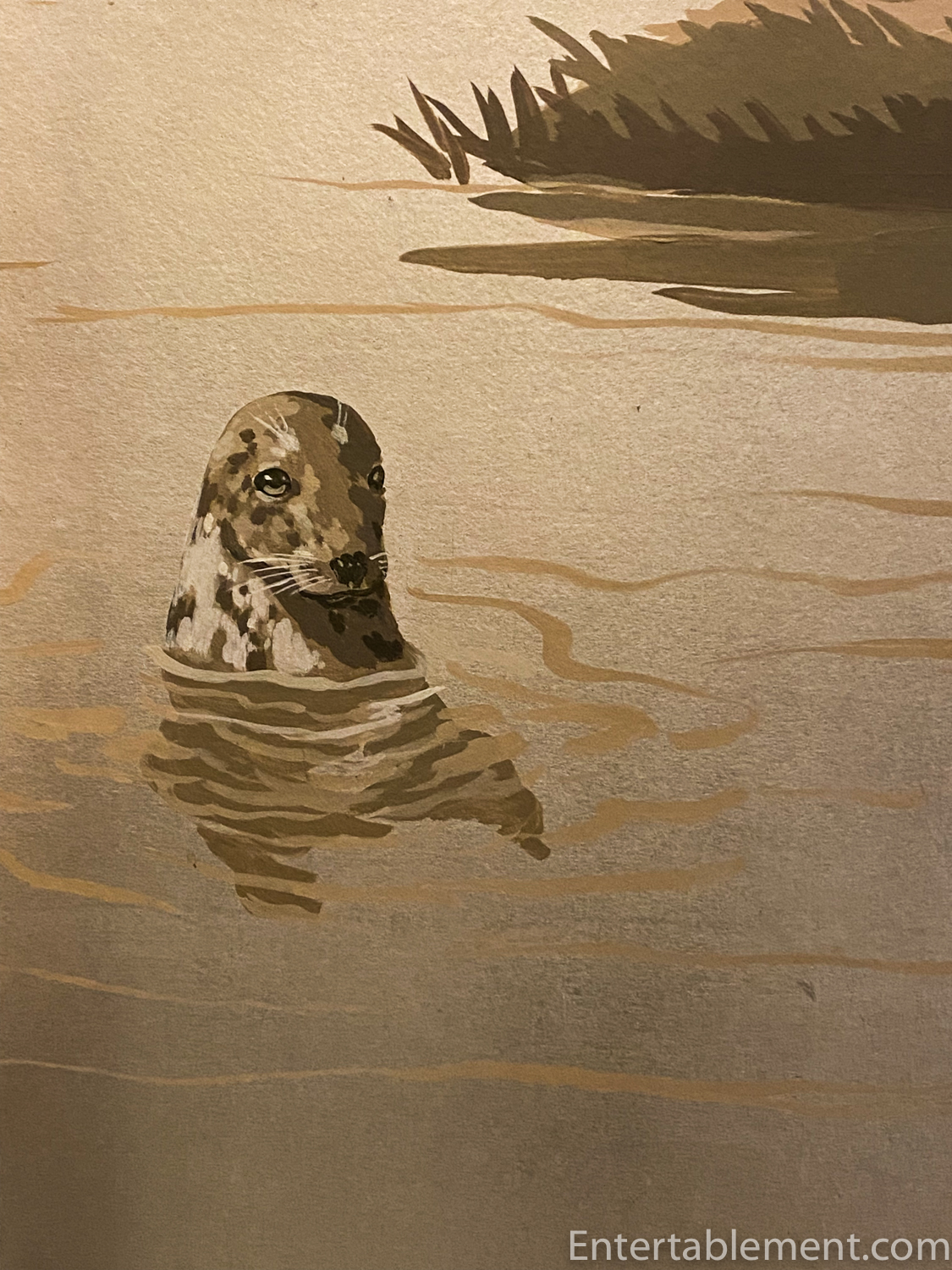
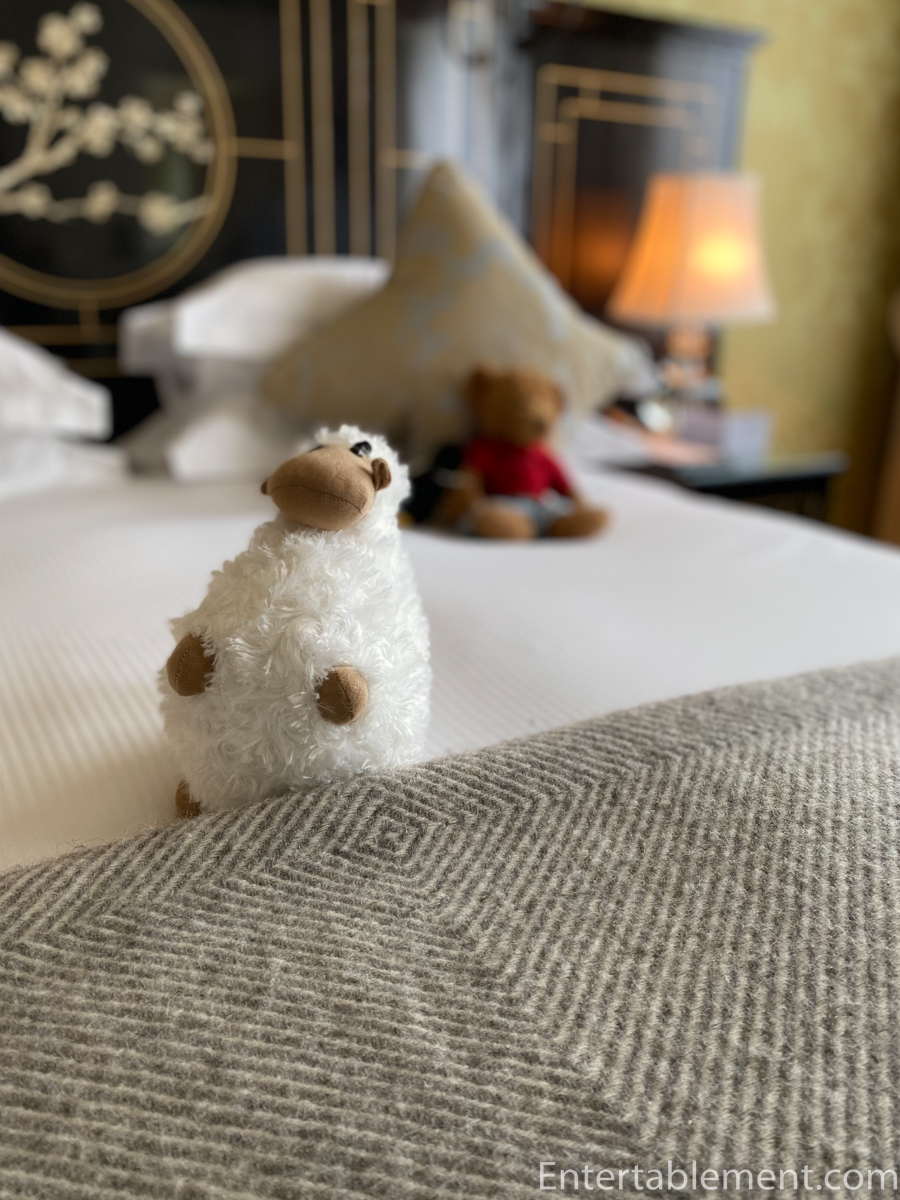
To the sheep placed in a different position in your room each day, it’s wonderfully welcoming. Highly recommend!
And that’s a wrap for England in the Autumn Part III. If you want to see the previous posts, here are the links to England in the Autumn and England in the Autumn Part II.



Great writeup on all your travels. In the description of the girls on the motorcycles, that described perfectly the girls in the book I read called The London Girls. Great book in how it described these girls riding in the night from London to Bletchley Park sometimes in the pouring rain.
That hill up to Lincoln Castle would make anyone thirsty for a cool pint! Fascinating photos!!
I loved The London Girls! In fact, I think you recommended it! 🙂 Terrific book. I couldn’t believe that hill in Lincoln, or that I had been completely oblivious to its existence on our previous visit to the Cathedral. All we saw was flat ground the first time!