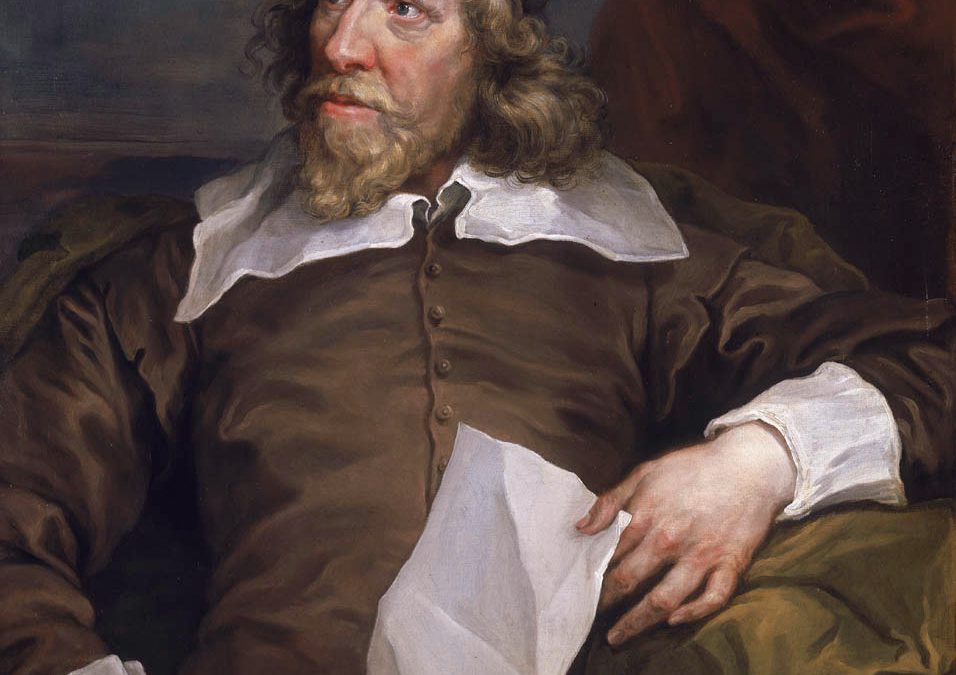
Inigo Jones was the first architect to introduce Renaissance Classicism to England, breaking away from the lingering Gothic traditions. Drawing inspiration from Andrea Palladio and his travels in Italy, Jones championed a restrained, mathematically precise style that laid the groundwork for the later Palladian and Neoclassical movements. His work marked a turning point in English architecture, influencing figures like Christopher Wren, William Kent, and James Gibbs.
Early Life and Italian Influence
Born in London in 1573, Jones initially trained as a set designer, but later became fascinated with architecture. His travels to Italy in the early 1600s, particularly Venice and Rome, introduced him to the works of Palladio, which would shape his architectural philosophy. Returning to England, he was appointed Surveyor of the King’s Works under James I, positioning him as the leading architectural innovator of his time.
Architectural Style and Innovations
Jones’ style was defined by:
- Palladian symmetry – A strict adherence to proportion and geometry.
- Minimal ornamentation – Unlike the later Baroque excess, Jones favoured clean, elegant lines.
- Grand, Classical elements – Porticos, columns, and domed interiors.
Political Upheaval and Decline
Jones’ career was dramatically affected by the political instability of the period. The reign of Charles I (1625–1649) saw Jones at the height of his influence, as the king was an ardent admirer of Classical architecture and supported Jones’ vision for a more refined and ordered England. However, the growing tensions between the monarchy and Parliament culminated in the English Civil War (1642–1651), leading to Charles I’s execution in 1649—a seismic event that reshaped the nation.
With the monarchy abolished and Oliver Cromwell’s Commonwealth (1649–1660) in power, royalist patrons disappeared, and Jones fell out of favour. Many of his ambitious projects were left unfinished or altered, and his influence diminished as Puritanism rejected the opulence and grandeur associated with his style. He lived his final years in obscurity and died in 1652, just before the monarchy was restored under Charles II.
Major Works
Jones’ projects were groundbreaking for England, introducing symmetry, proportion, and Classical elements:
- Queen’s House, Greenwich (1616–1635) – The first fully Classical building in England, a perfect Palladian villa with harmonious proportions.
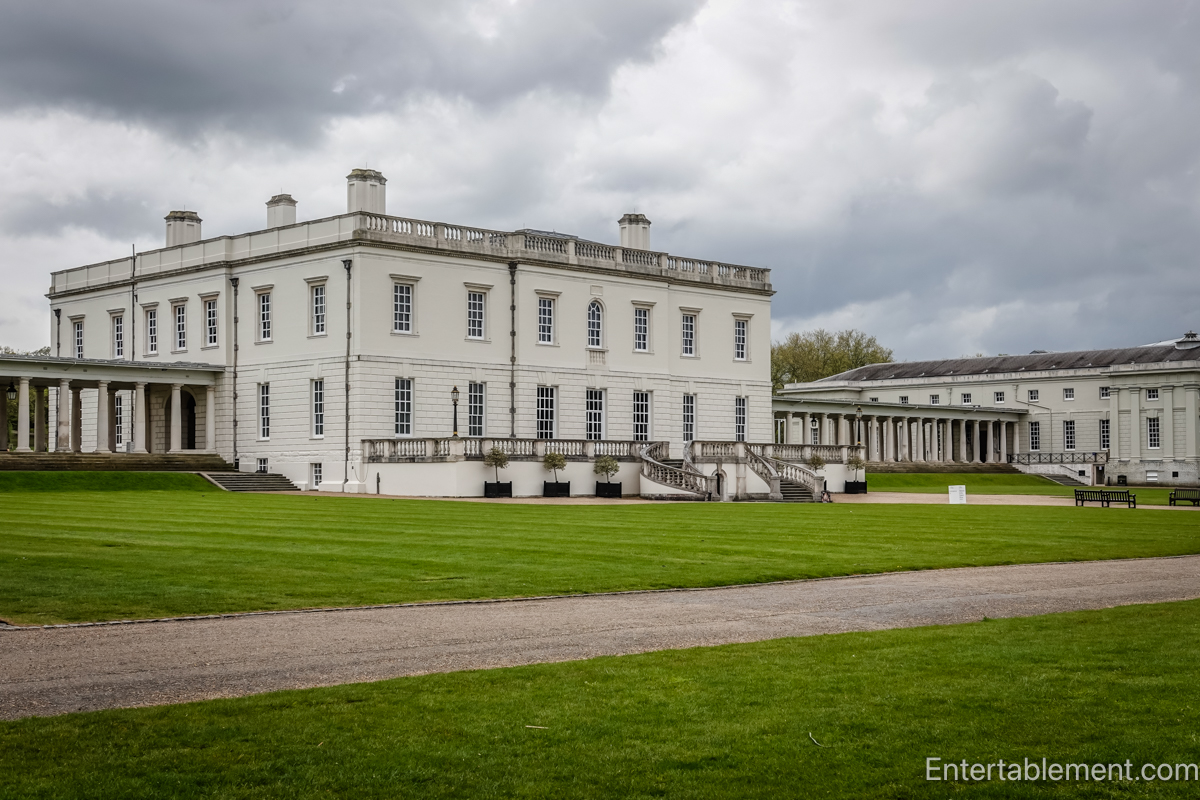
The Queen’s House, Greenwich
- Banqueting House, Whitehall (1619–1622) – A masterpiece of Palladian architecture, featuring a grand interior ceiling painted by Peter Paul Rubens. This was the first building in England to use a fully Classical façade. Somewhat ironically, it was the site of Charles I’s execution.
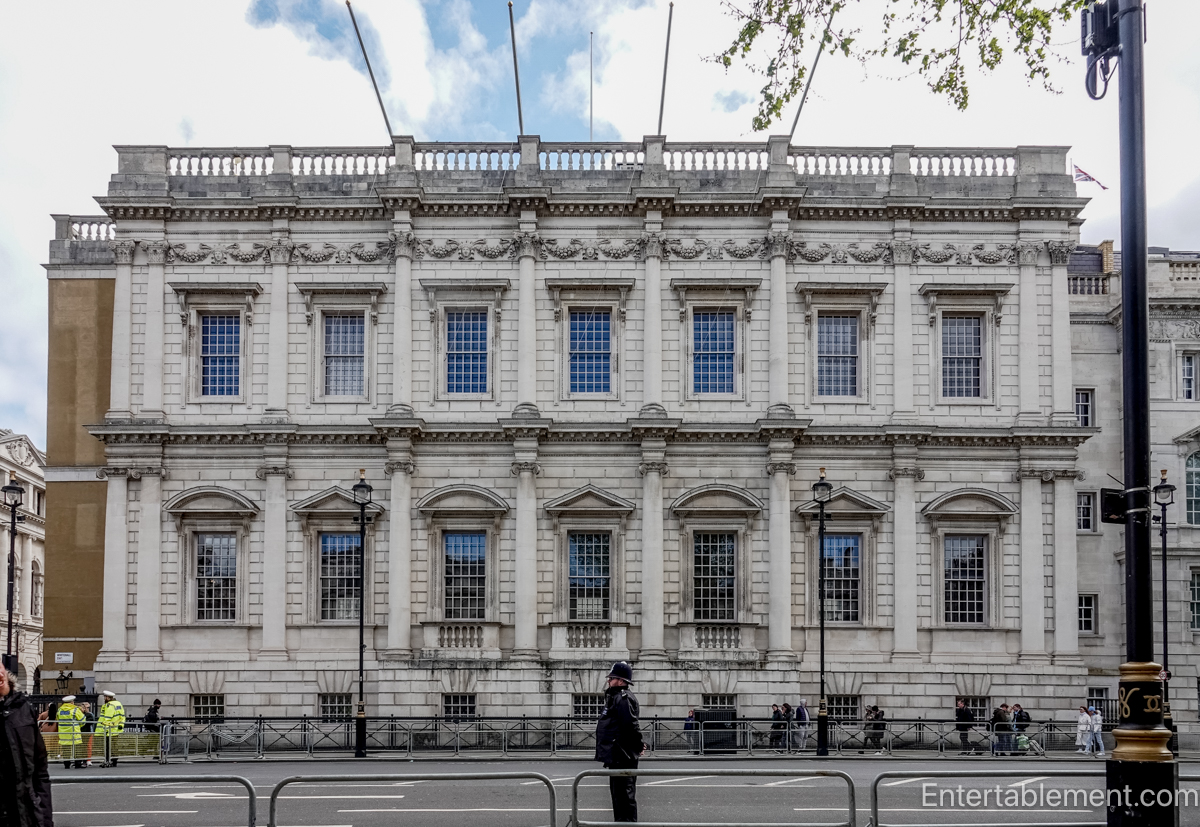
The Banqueting House, London
- St. Paul’s Covent Garden (1631–1633) – The first example of a true temple-front church in England, setting the tone for later Neoclassical religious buildings.
Legacy
Jones’ influence was profound, shaping the future of English Palladianism. His work set the stage for later architects, including Christopher Wren, James Gibbs, and William Kent, who expanded on his Classical ideals. His Banqueting House remains a defining symbol of England’s transition from Gothic to Classical architecture, and its connection to history was cemented when Charles I walked beneath its ceiling before his execution in 1649.
Did You Know?
- Inigo Jones was also a theatrical designer, creating elaborate stage sets for masques at court.
- His designs were deeply influenced by Roman antiquity, which he studied in detail during his travels.
- The Queen’s House in Greenwich was one of the first English buildings to have a central staircase without supporting columns, a significant innovation at the time.
- The Banqueting House was the site of Charles I’s execution, forever linking Jones’ masterpiece to one of the most dramatic moments in British history.
Jones may not have seen the full impact of his work during his lifetime, but his vision of symmetry and proportion transformed English architecture forever.