When I first began touring great houses, I was drawn, as so many are, to their sheer beauty, scale, extravagance, carved ceilings, formal gardens, and stories of noble families and royal guests. Whenever visitors came to stay with us in Cape Cod, we took a day trip to Newport and visited one of the Gilded Age mansions—The Breakers, Marble House, or The Elms. Some incorporated actual rooms salvaged from demolished European châteaux after the French Revolution.
These were grand. But at some point, we wondered: why not see the real thing?
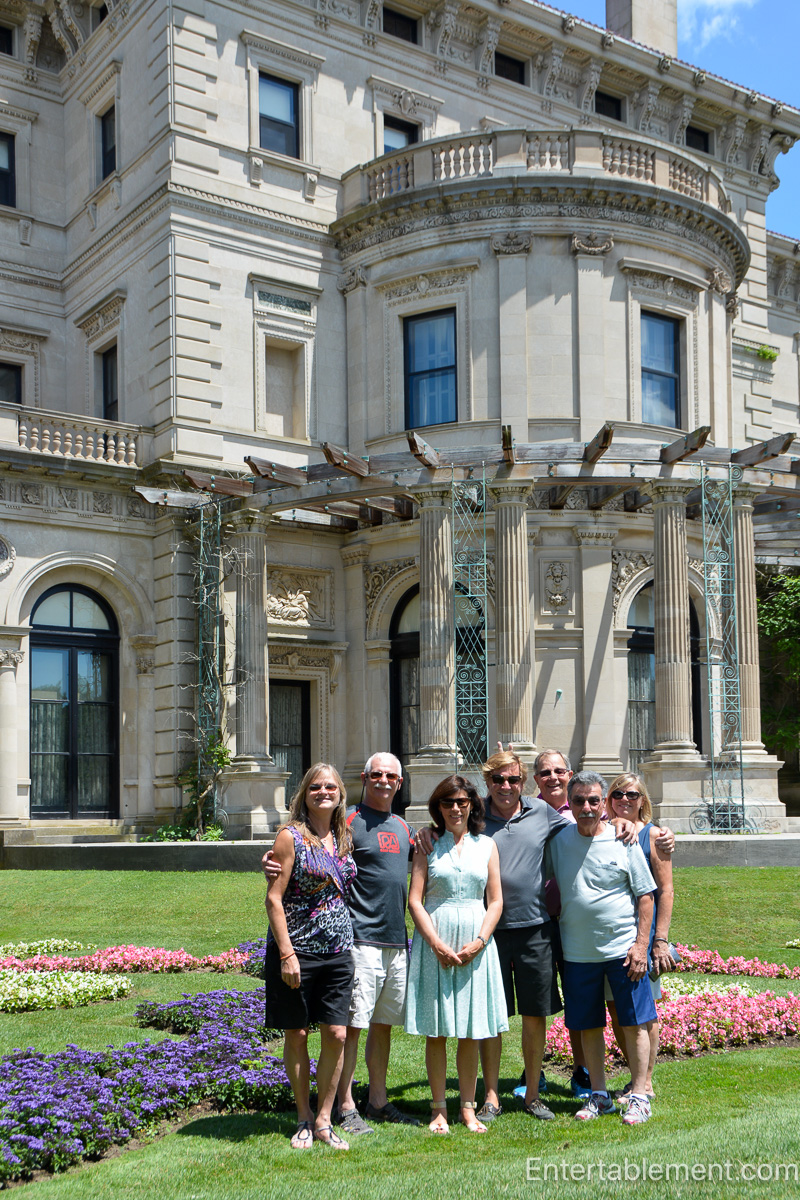
The Elms, Newport, Rhode Island
So off we went—to England, France, and Italy. And there, something changed. What started as admiration became curiosity. These weren’t just houses. They were palimpsests—layers of culture, belief, invention, and upheaval, all rendered in plaster and stone. (Isn’t palimpsest a great word? It originally referred to a manuscript page from which the text has been scraped off so it can be reused, yet traces of the old writing remain, layered beneath the new. Over time, it’s come to describe anything that bears visible traces of its history under the surface—cities, buildings, even landscapes.)
I’ve always been a math/science person at heart. I love data, rational proof, structure, systems, and problem-solving. And history, as it turns out, is a system—just one with more velvet curtains. Questions started multiplying: What made this building possible? What ideas shaped that drawing room? Why Gothic for churches, but Classical for courts? Where do economic forces, social change, or religious suppression fit in?
And perhaps most compelling of all: How do the rooms people lived in reflect the ideas they lived by?
This series is about that. Beauty brought me to the door, but ideas keep me stepping inside.
Introduction
Great houses are never just beautiful—they’re ideological. They don’t just reflect taste; they encode values. Walk through a corridor, step into a salon, descend into a kitchen, and you’re not just seeing how people lived—you’re seeing what they believed.
This series, Living Ideas, explores how secular architecture embodied shifting philosophies across time—from Norman defence to Enlightenment rationality to Victorian sentiment; from social hierarchy to emotional intimacy. These are not static spaces; they are living diagrams of what it meant to be civilized, powerful, virtuous, or simply comfortable.
Each house tells part of the story. Château de Villandry whispers of humanist balance and 20th-century revival.
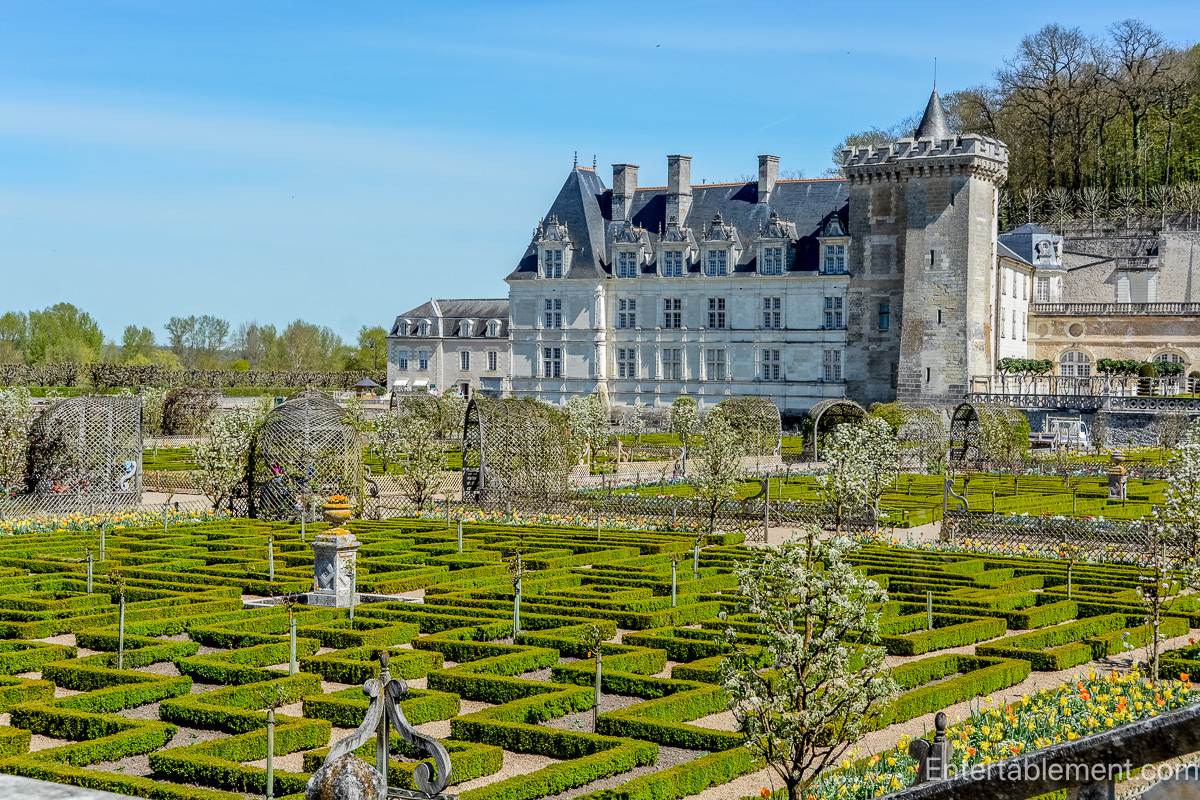
Chateau de Villandry
Château de Cheverny exudes Enlightenment clarity and familial serenity.
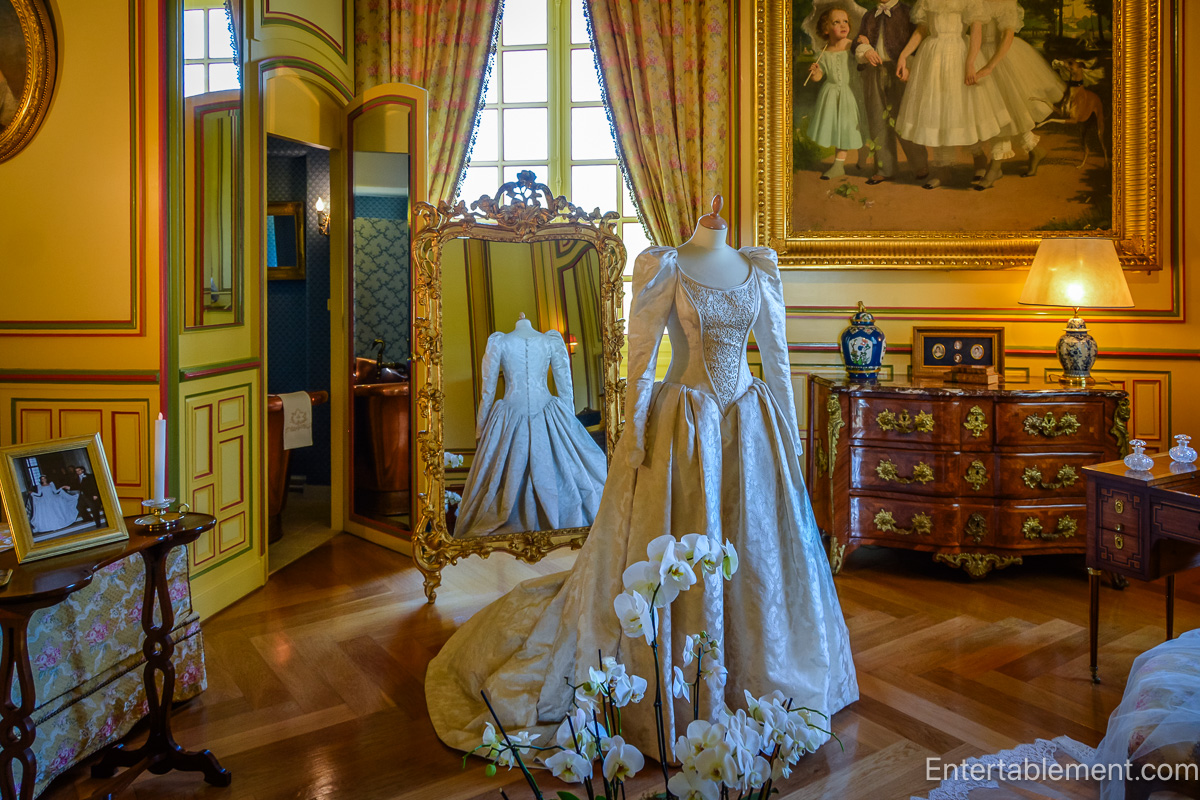
Wedding suite at Chateau de Cheverny
Osborne House marries sentiment with imperial messaging.

Salon at Osborne House
While Chatsworth enfolds grandeur in civility.
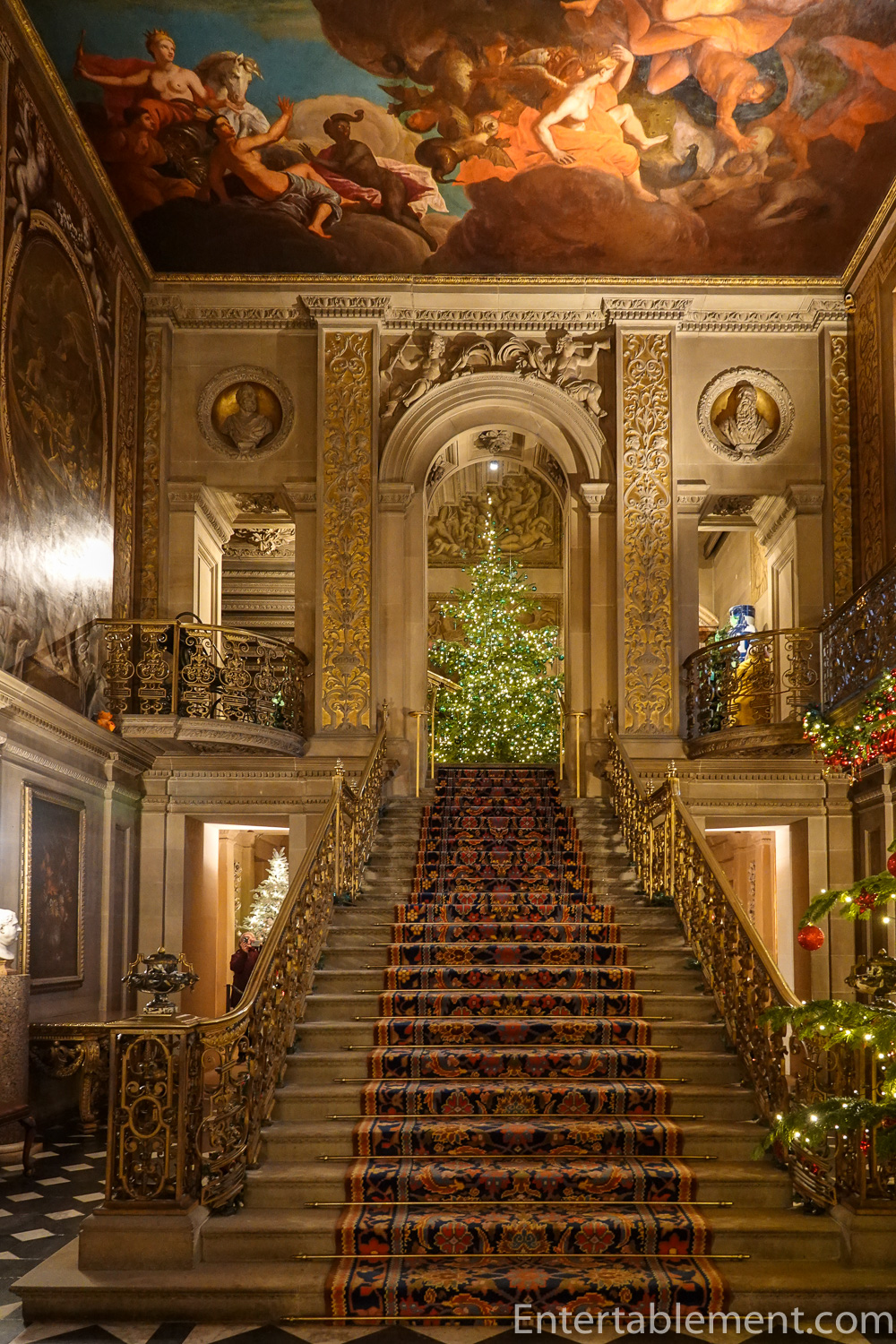
The Great Hall at Chatsworth
Burghley, by contrast, reveals the hidden machinery—the hierarchy and heat behind the performance of elegance.
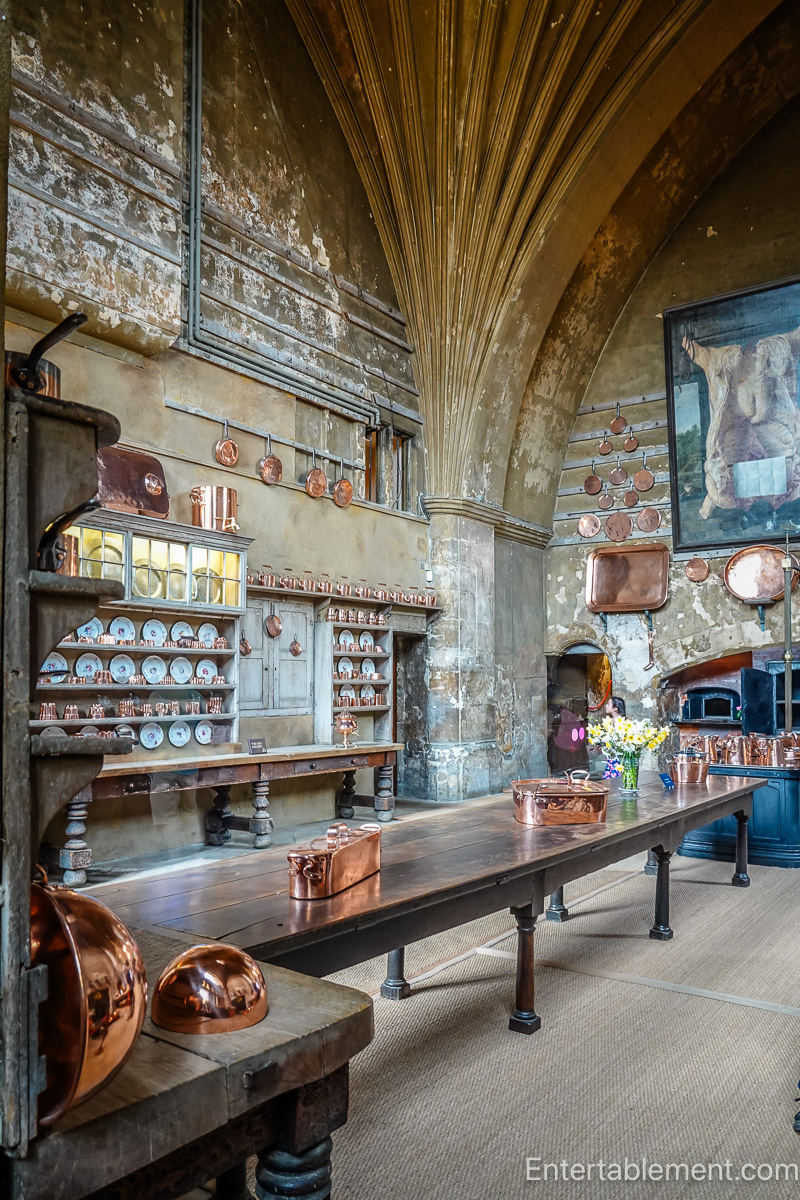
The Victorian kitchen at Burghley House
And the Brighton Pavilion? It flirts with contradiction, placing palm-fronded ovens on public display.
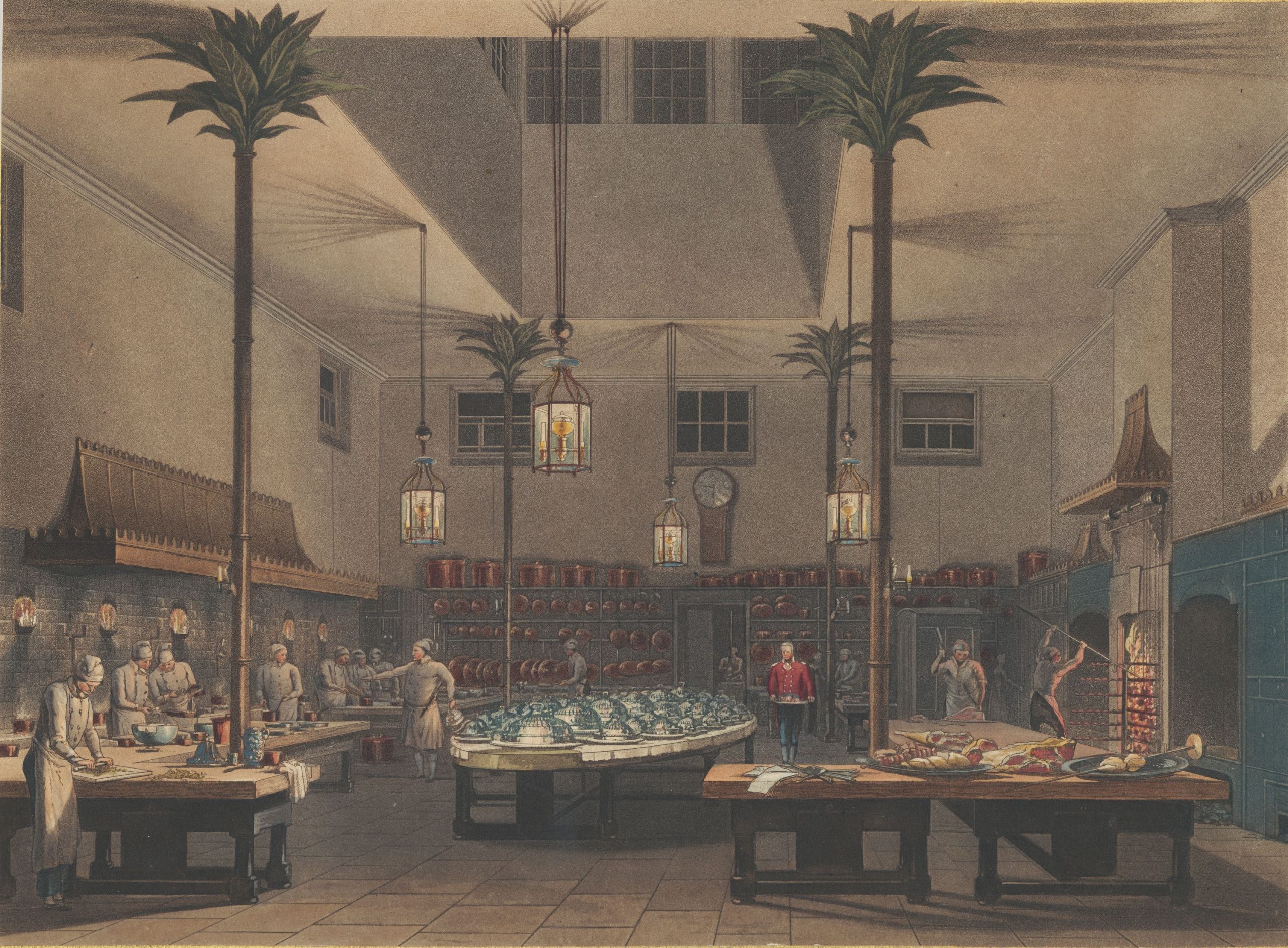
The Kitchen at Brighton Pavilion
Together, these places help us trace the evolution of intimacy, identity, and domestic order across centuries.
What We Explore
- How salons shifted from theatrical stages to sites of conversation and memory.
- How bedrooms moved from public receiving spaces to private sanctuaries.
- How the idea of childhood reshaped architecture from the nursery up.
- How kitchens transformed from smoky strongholds of labour to curated lifestyle icons.
But there’s another layer, often invisible and yet profoundly formative: religion.
In a companion series, The Cathedral Project, we traced the rise and fall of ecclesiastical architecture—from soaring Gothic spires to the restrained authority of Classical facades. The same shifting values play out here, too. Many great houses absorbed former abbey lands after the Dissolution of the Monasteries. In others, private chapels sat at the moral center of domestic life. Religious patronage, suppression, and reinvention ripple across plasterwork and layout alike. Whether as silent voids or visible sanctuaries, belief always left a footprint.
Which brings us to a deeper truth: the ideas behind these houses stretch back long before the Renaissance.
From Hadrian’s Villa to the townhouses of Ephesus, from the shaded stoas of the Athenian Agora to the frescoed walls of Herculaneum, domestic and civic spaces have always reflected the philosophies of their time. The Romans built villas not just for rest, but to stage authority. The Greeks organized their homes and public spaces around participation, proportion, and debate. These ancient precedents reveal how long we’ve built beliefs into our walls.
In doing so, we step into a larger history, not just of buildings, but of beliefs.
Welcome to Living Ideas: How homes have expressed power, identity, and ideals—from fortified castles to country retreats, from salons of state to Shingle-style porches.
An exploration of how domestic life evolved over centuries—what changed, what endured, and why home has always meant more than shelter.