Modern Britain, from 1901 to today, tells a dynamic story of change, resilience, and innovation. The country has faced wars, economic upheaval, and cultural revolutions while leaving its mark on politics, society, and architecture.
The Edwardian Era: 1901–1914
When Queen Victoria died in 1901, her son Edward VII acceded to the throne.

The Edwardian era marked a time of elegance for the wealthy but a rigid class system for everyone else. Country Houses and the weekend house party were at their apogee.

Meanwhile, Suffragettes gained ground with women demanding the vote and challenging traditional roles.
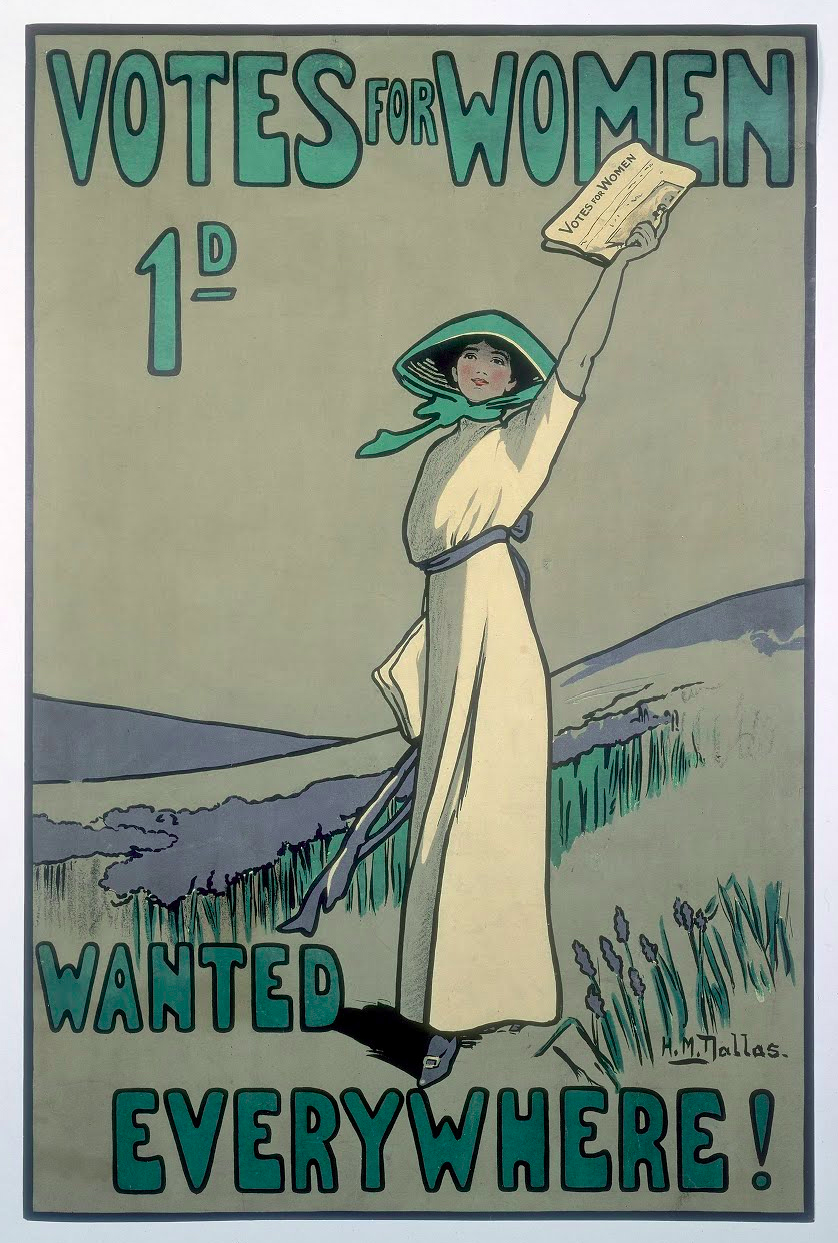
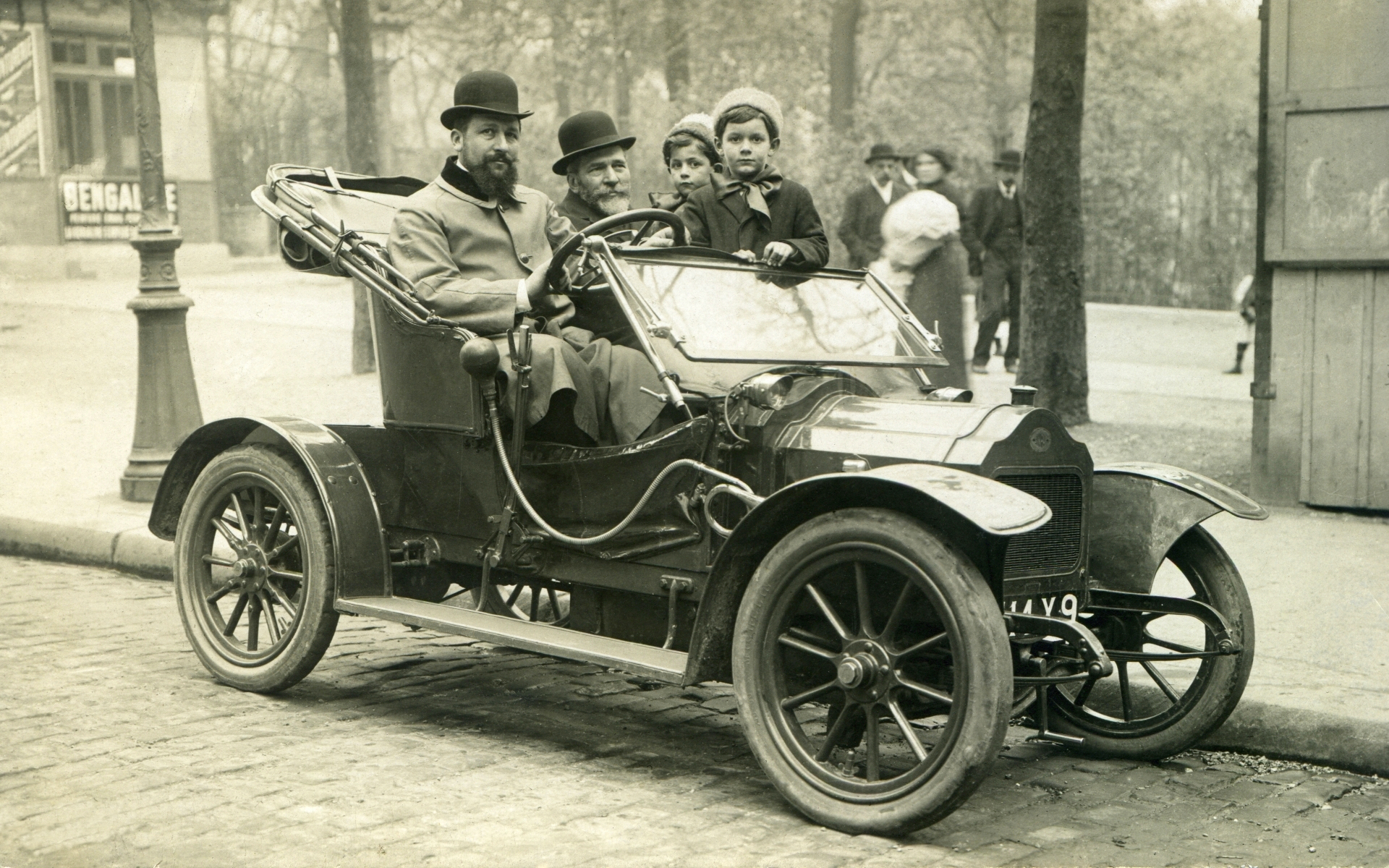
Socialism and trade unions pushed back against the old elite, while the British Empire, still at its peak, faced early calls for independence. Technological breakthroughs in the automobile and aviation industries hinted at the modern age.
World Wars and Social Shifts: 1914–1945
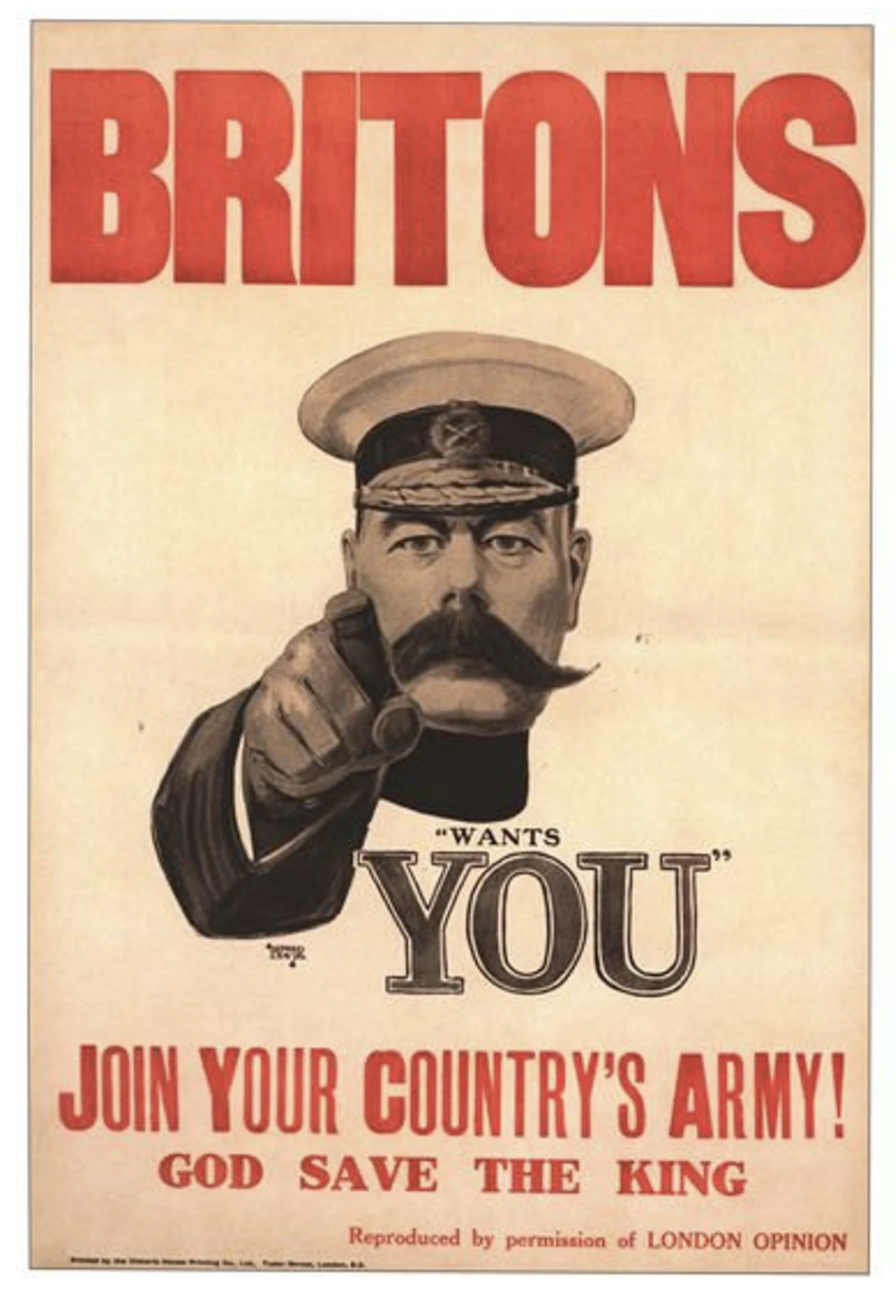
World War I (1914–1918) shook Britain to its core. The immense loss of life changed society forever, and women stepped into the workforce in unprecedented numbers.
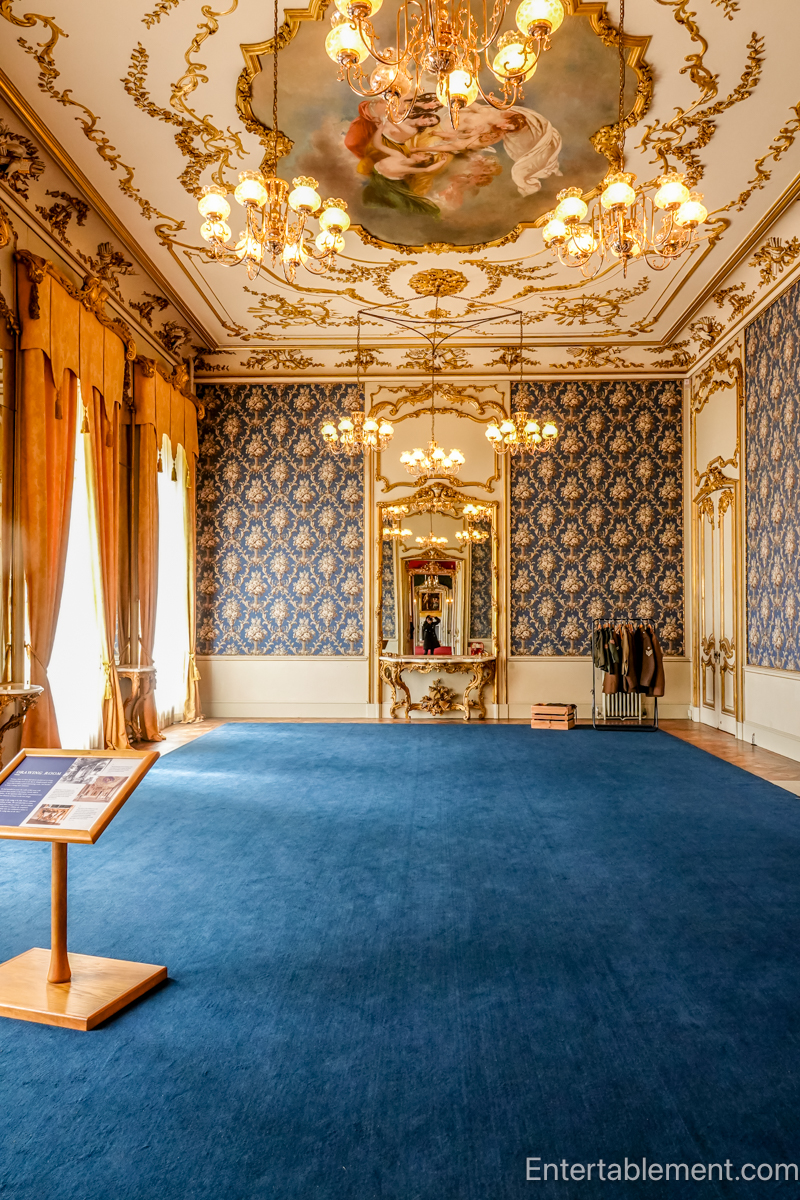
Many great estates, such as Wrest Park, were pressed into service as hospitals.
The interwar period brought the Great Depression (or “The Slump”), which walloped Britain, leading to economic struggles and the rise of fascist and socialist movements.
World War II (1939–1945) brought further hardship yet spurred innovation. The development of radar and other military technologies played a key role in the war effort.

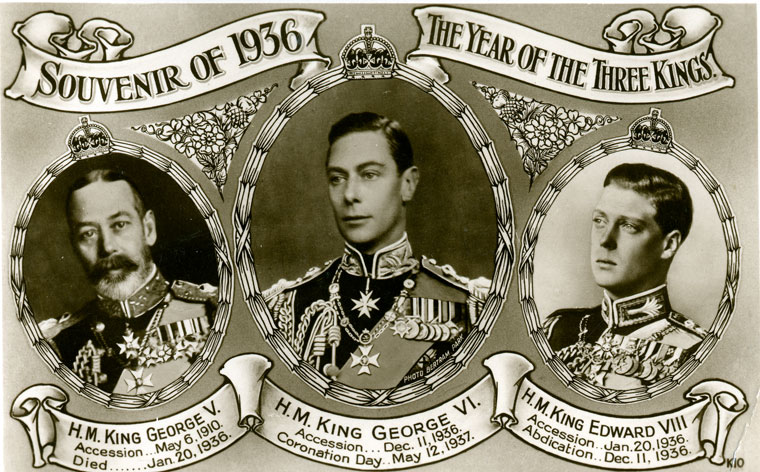
Britain also faced internal drama, including the 1936 abdication crisis. George VI died in January and was succeeded by Edward VIII, who stepped aside in December due to his relationship with “that woman,” Wallis Simpson. George VI rose to the occasion and assumed the throne that same day.
Post-War Britain: Recovery and Reinvention
The aftermath of WWII left Britain battered but determined to rebuild. Under Labour leadership, the Welfare State emerged, introducing the National Health Service (NHS) in 1948. Advances like the polio vaccine and early heart surgery transformed healthcare.
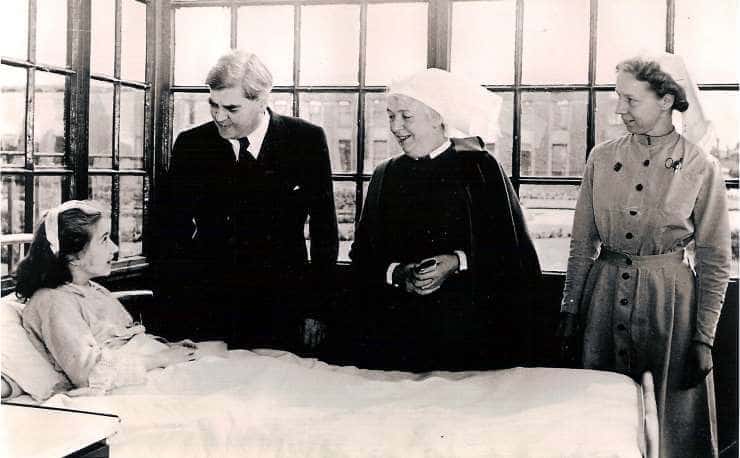
Aneurin Bevan, Minister of Health, on the first day of the National Health Service, 5 July 1948, at Park Hospital, Davyhulme, near Manchester. Licensed under the Creative Commons Attribution-Share Alike 2.0 Generic license.
Immigration from former colonies reshaped Britain’s cities, bringing new cultural influences and diversifying the nation’s social fabric.
Post-war socialism and high inheritance taxes hit the aristocracy hard. Labour shortages, high taxation and crippling inheritance tax (85% of capital) left many families unable to maintain their estates. Widespread sales and demolitions prompted the National Trust and English Heritage to rescue properties such as Hardwick Hall, preserving these historic homes for public enjoyment.

The Swinging Sixties and Turbulent Seventies
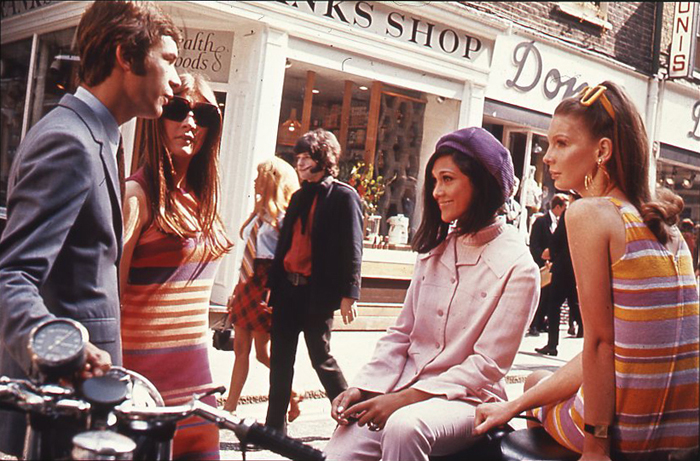
Britain embraced cultural change in the 1960s. The Swinging Sixties celebrated music, fashion, and liberal attitudes. Women gained access to contraception, and society became more open to conversations about sexuality and equality.
The 1970s, however, brought economic chaos. The 1973 Oil Embargo triggered high inflation and unemployment. Strikes paralyzed the country during the Winter of Discontent in 1978–79, leaving even essential services (like burying the dead) in tatters.
Thatcher, Devolution, and Brexit
In 1979, Margaret Thatcher became Britain’s first female prime minister. She reshaped the economy with privatization and union reforms, leading to an economic recovery in lockstep with supply-side economics in the United States under Ronald Reagan, who described her as “the best man in England”.

In the 1990s, devolution gave Scotland, Wales, and Northern Ireland more autonomy, changing the political map of the UK. Then came Brexit in 2016, a decision that continues to define debates over Britain’s identity and role on the world stage.
Architecture: A Story of Survival and Innovation
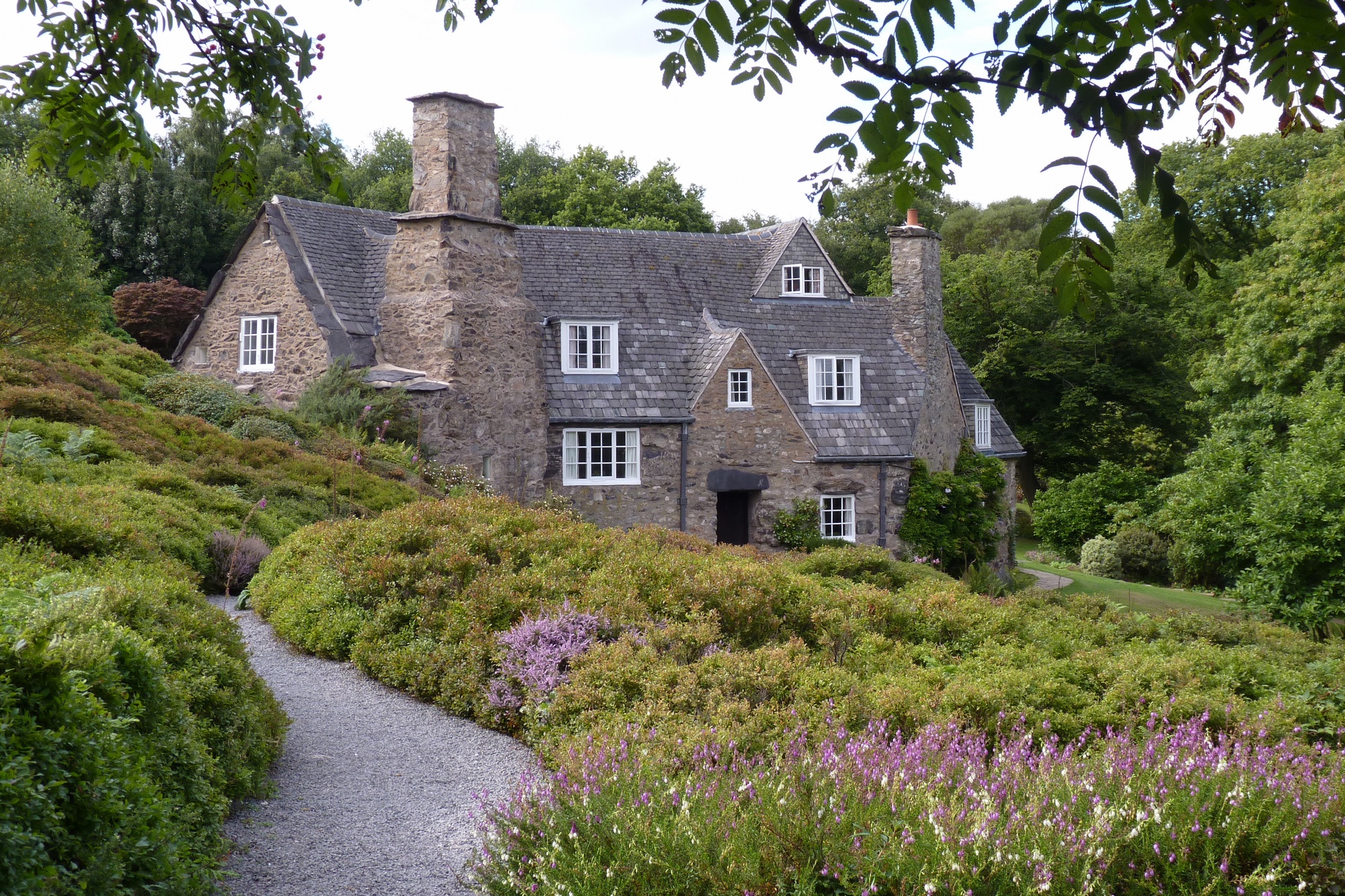
Architecture in Modern Britain reflects the nation’s evolution from grandeur through pragmatism to bold creativity. In the early 20th century, the influence of the Arts and Crafts movement emphasized craftsmanship and practicality in buildings such as Stoneywell.
Art Deco and Modernism followed, with a forward-thinking spirit, erecting buildings like Battersea Power Station and breaking away from tradition.
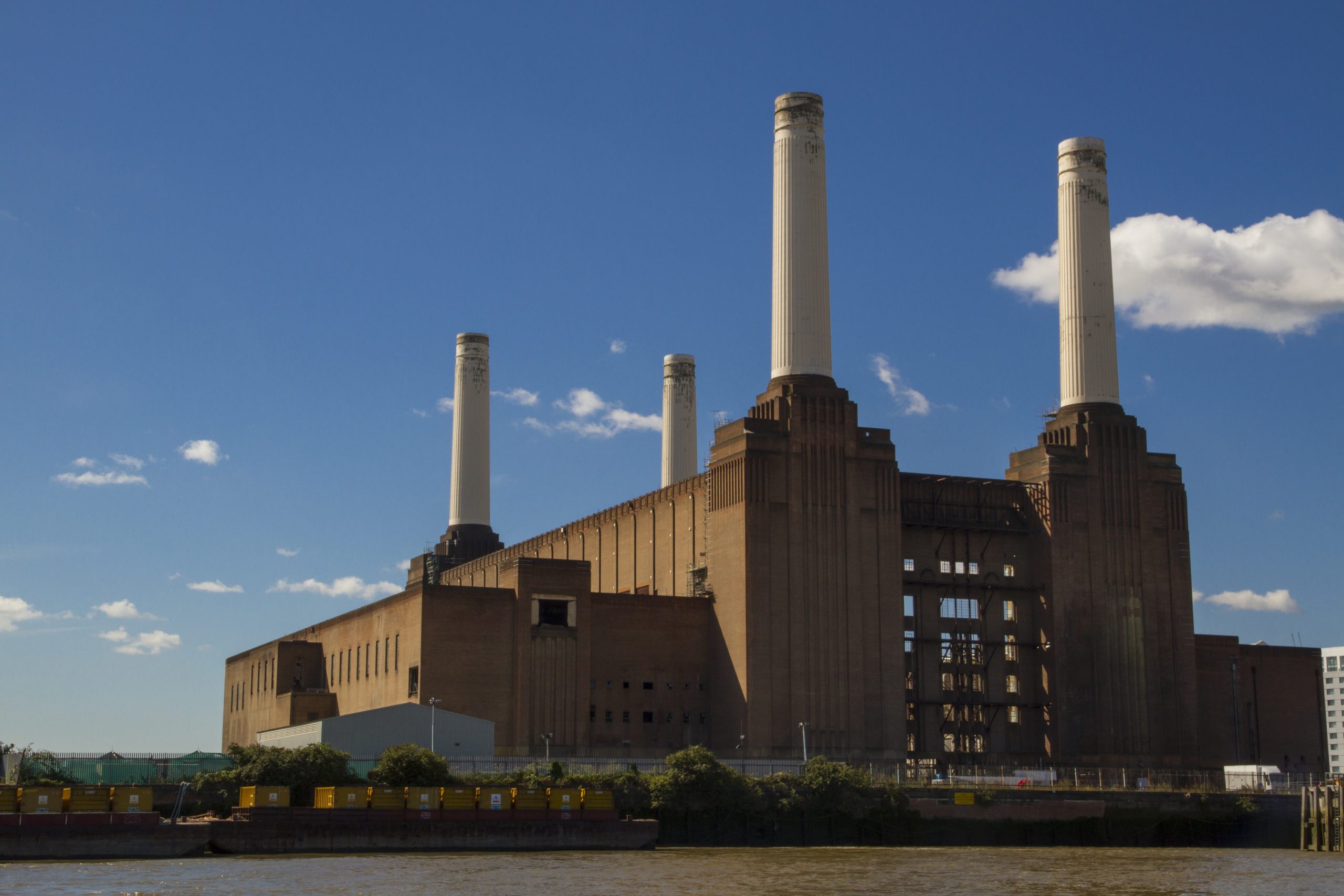
After WWII, the focus shifted to rebuilding bombed cities. A crop of prefabricated houses sprang up to accommodate those whose homes had been destroyed in the Blitz. Architects embraced Brutalism, creating stark, functional buildings like the Barbican Estate and Trellick Tower.

Post-war taxes and labour shortages left many Country House estates abandoned or demolished. The National Trust and English Heritage became key players in saving these historic homes, opening many to the public for the first time.

Britain has embraced futuristic designs like The Gherkin and The Shard in recent decades. Sustainability now drives many projects, with eco-friendly designs like the BedZED housing development leading the way.
Today, Britain balances its rich heritage with a forward-looking spirit. Historic country houses, once symbols of aristocracy, have found new life as cultural landmarks. Meanwhile, urban centres showcase cutting-edge design. Britain’s journey from Edwardian elegance to post-war resilience and modern innovation captures a nation constantly reinventing itself.