
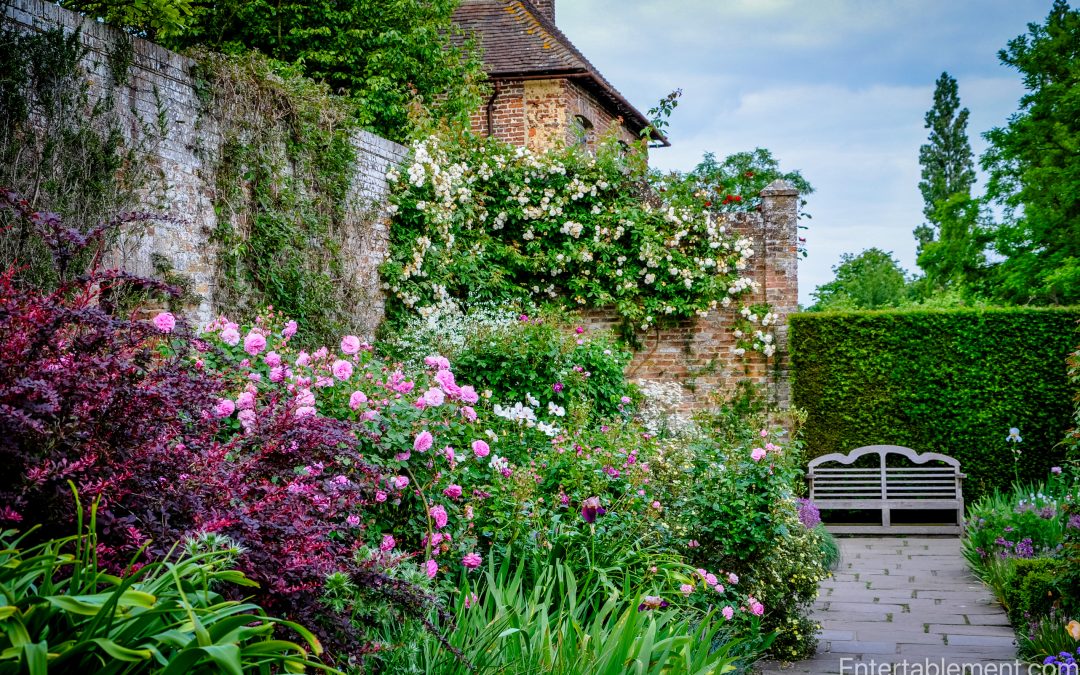
It has been a lifelong ambition of mine to see the great gardens of England, and Sissinghurst Castle was top of the list.
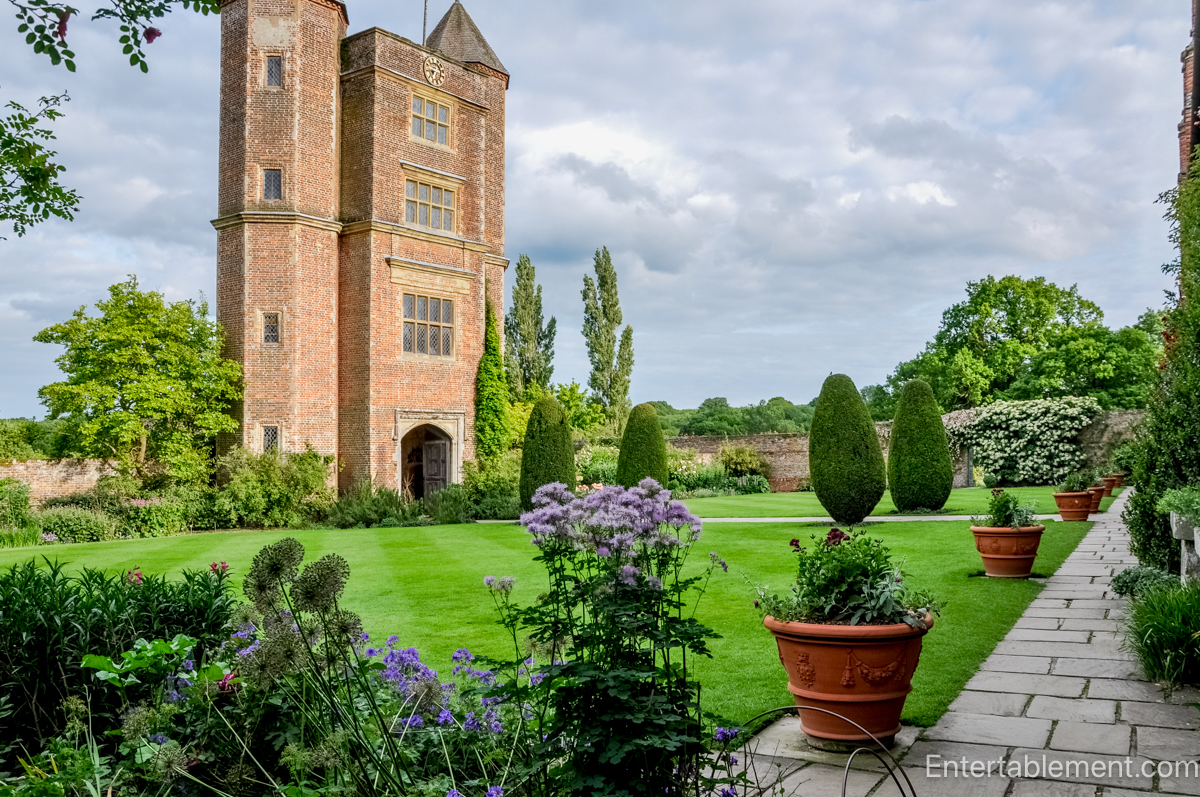
The home of Vita Sackville-West and her husband, Harold Nicolson, together they created one of England’s most beautiful and famous gardens.
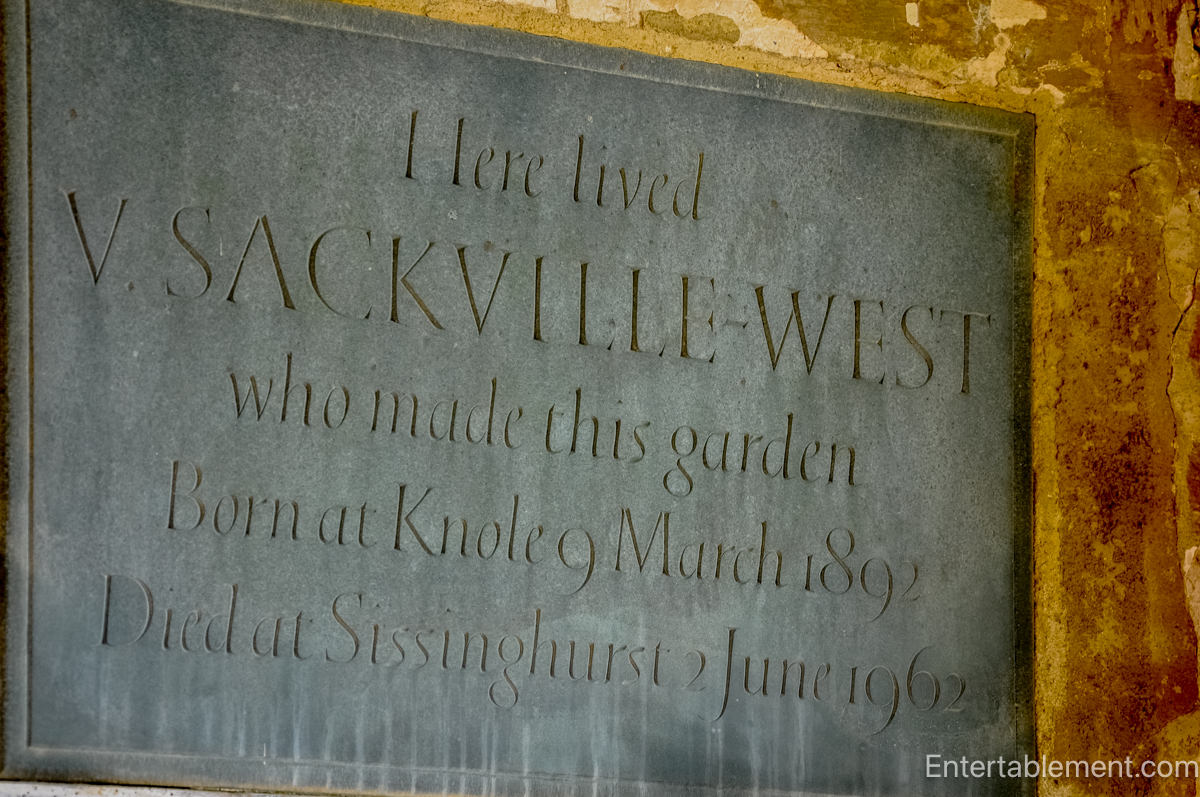
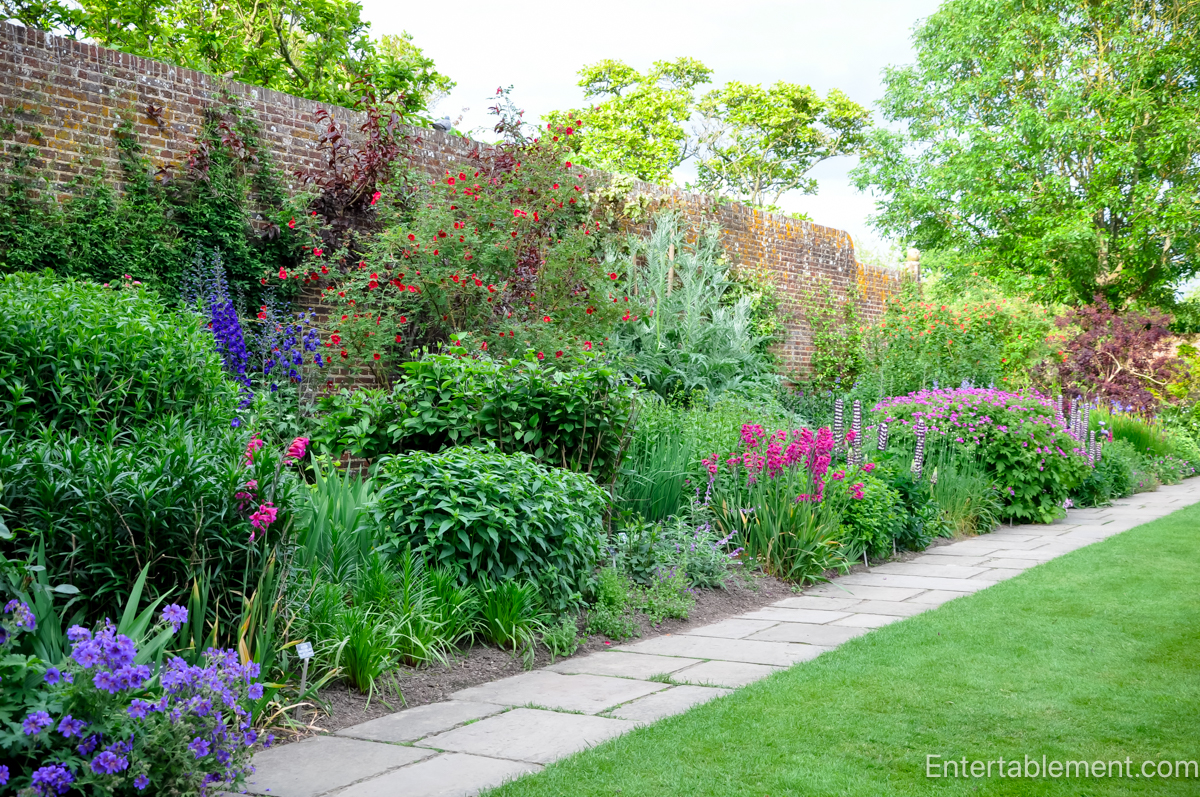
The Nicolsons purchased Sissinghurst in the 1930s as a derelict property. Strongly influenced by the gardens created by Gertrude Jekyll and Edward Lutyens, their labour of love utilized their distinct talents. Harold laid out the overall structure, including the hardscape and insisted on following the plan. Vita looked to the selection of the plant material with which to furnish the series of “rooms” that comprise the garden.

They were operating on a tight budget and frequently clashed over the best use of resources on the multi-year project.

Their financial constraints led them to open Sissinghurst to paying visitors in 1938 — the “shillingses”, as Vita called them, as they were each charged a shilling for a garden tour.
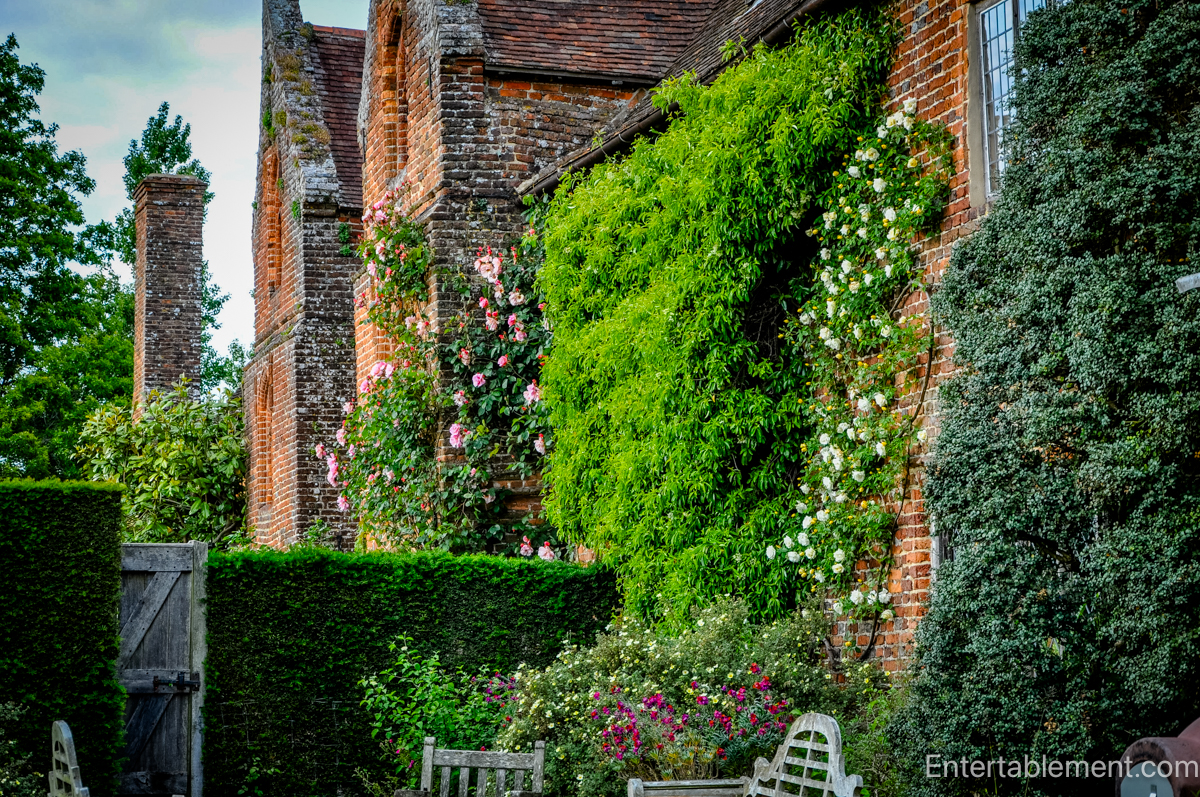
Setting the architecture of the gardens aside for a minute, judging by the phenomenal collection of plant material, the visitors got full value.

Monsieur Jules Elie Peonies
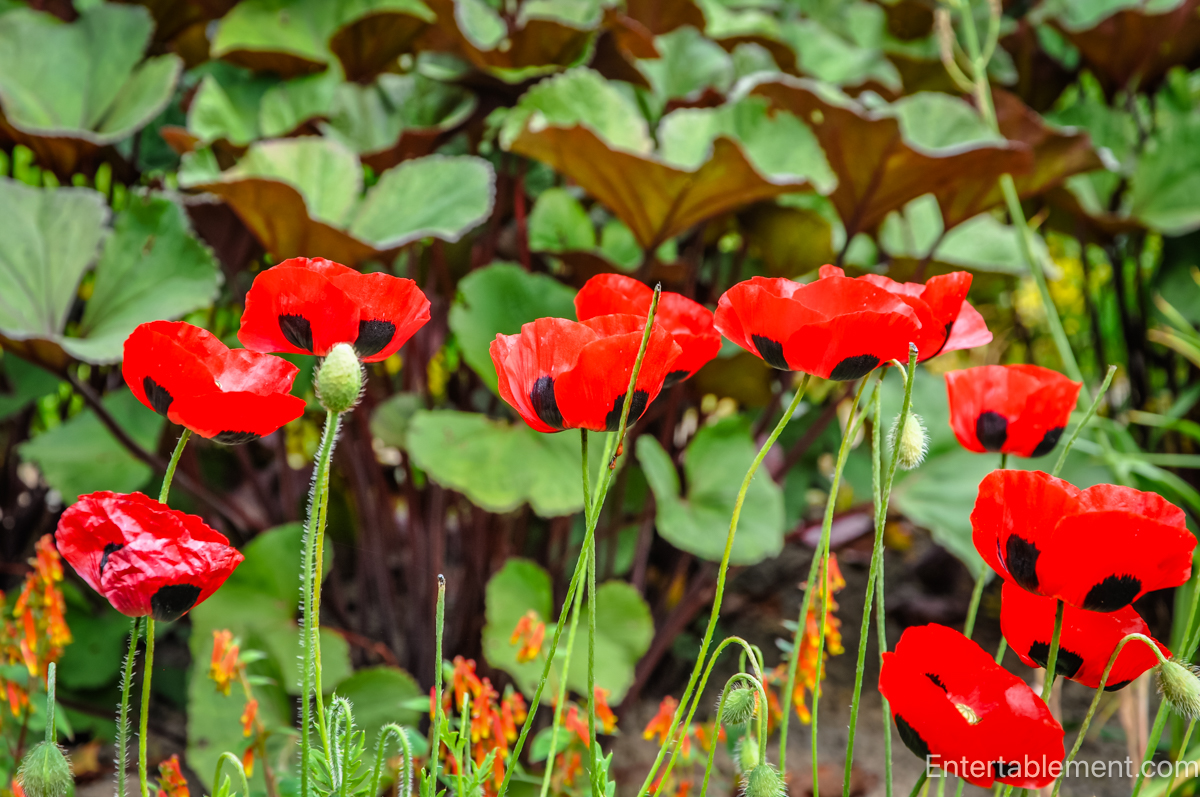
Red-spotted poppies

Delphiniums

Foxgloves
Vita’s childhood home was Knole, Sevenoaks, one of the largest houses in England. As a woman of the time, Vita could not inherit the house; it passed to a male cousin, causing much bitterness throughout her life.

On a side note, we also visited Knole and, frankly, found it to be a dark and dreary house. Of great antiquity, no question, but not at all comfortable or inviting. It dates from the late 15th century and, unfortunately, has a somewhat creepy Tudor/Elizabethan vibe of dark wood, heavy fabrics and little light.

Knole
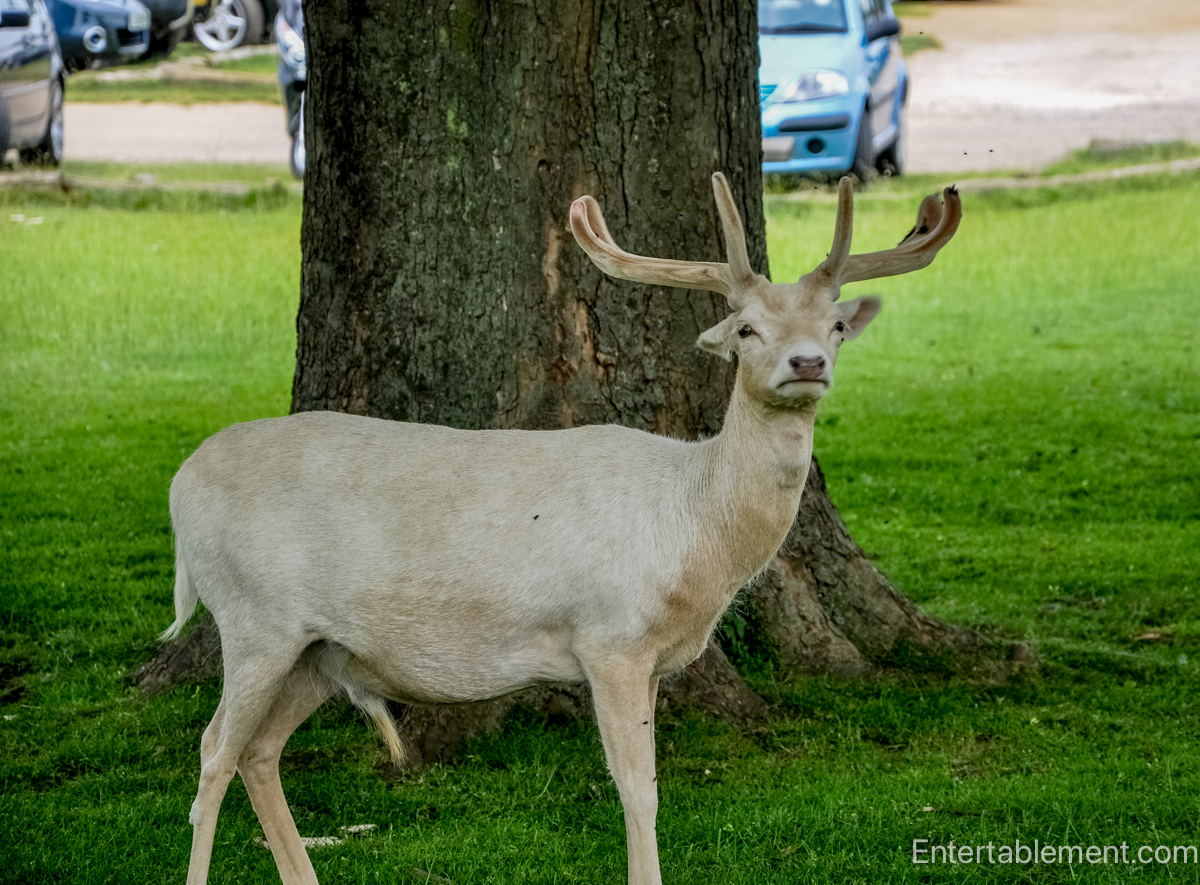
I seem to remember that no pictures were allowed inside. My favourite part of the property was the white deer. They were surprisingly friendly.
Sissinghurst was a substitute for Knole and is on a much more modest scale. The main house is a long, narrow structure with relatively few rooms. I could see why it appealed to Vita, as the rooms here are also quite dark, with a similar “feel” to Knole.
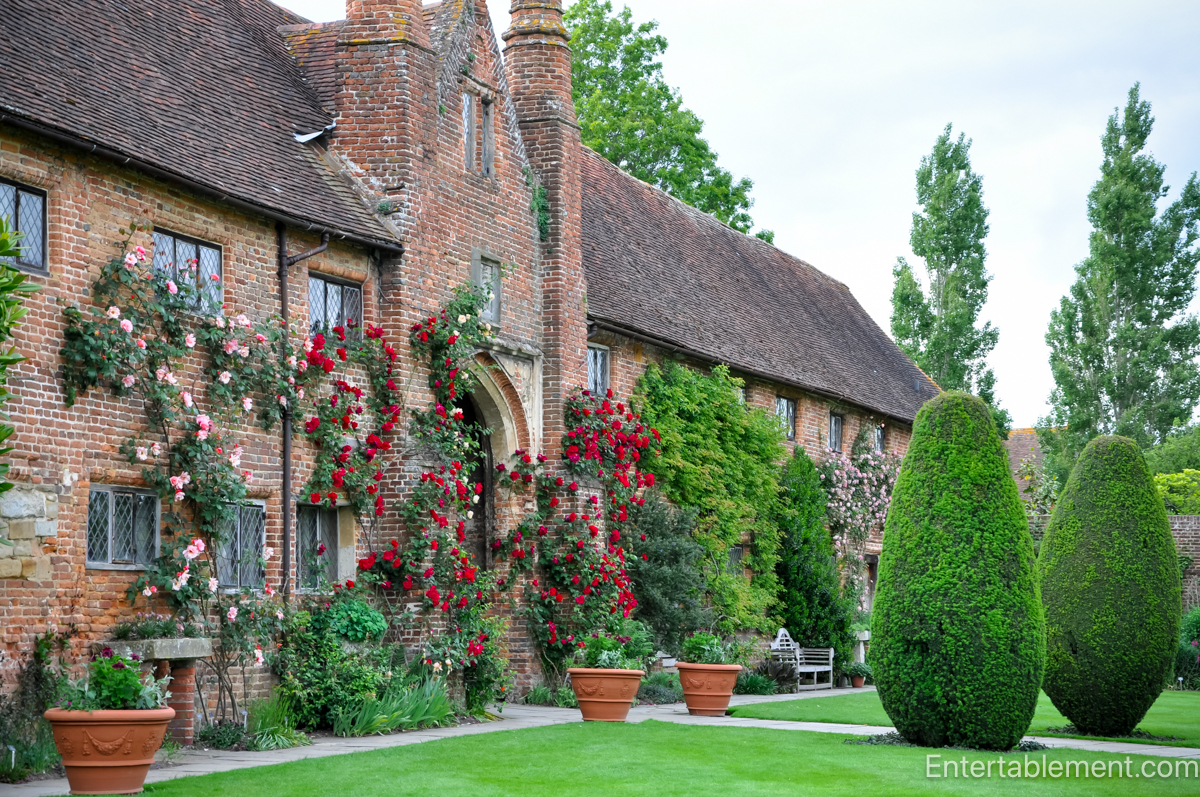
Main House at Sissinghurst
Vita was a gardening writer and poet, and the room at the top of the Elizabethan Tower was her eyrie. It is a cosy and comfortable place where I can imagine her gazing over the gardens below, lost in thought.


Sissinghurst is now in the hands of the National Trust and I was beyond thrilled to discover that we could rent the Priest’s House on the grounds of the property.

We were lucky enough to get a week in June when the garden was exploding with colour.
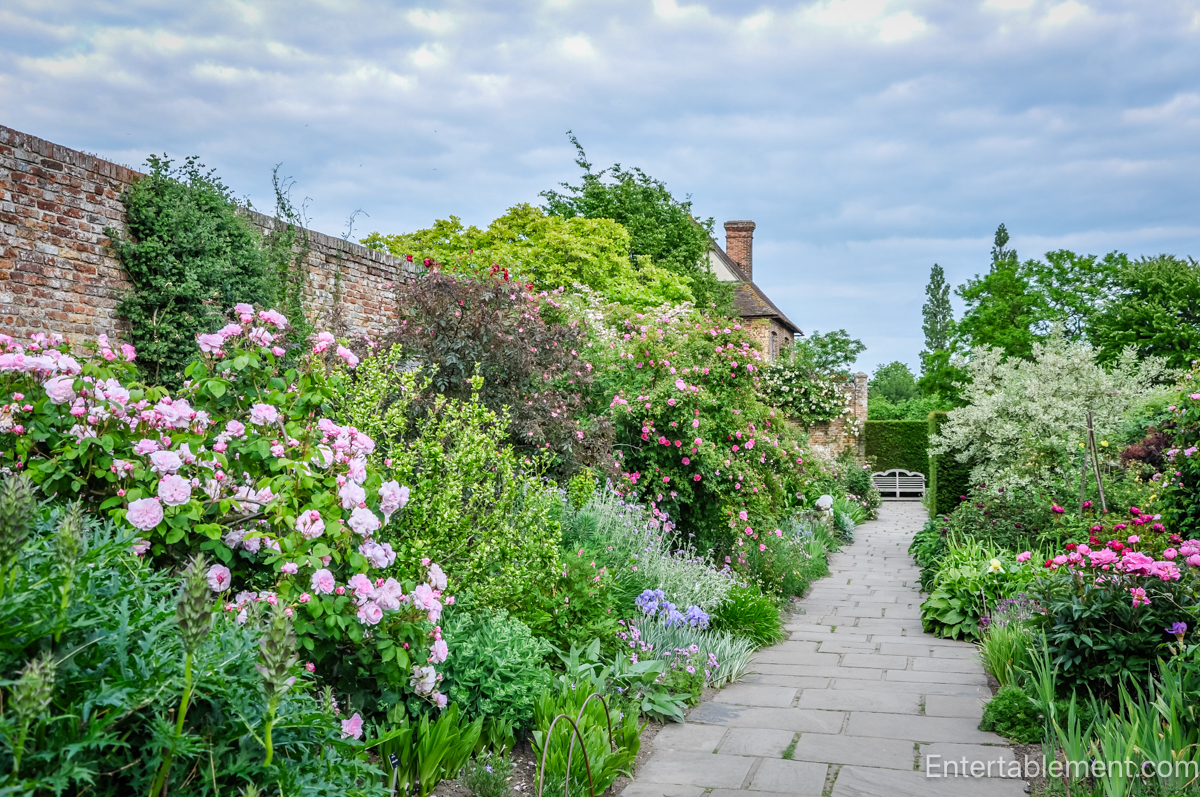
Imagine how thrilling it was to wander through the garden each morning and evening when all the crowds had departed. I was in seventh heaven, snapping pictures, taking notes and drawing inspiration for my gardens back home.
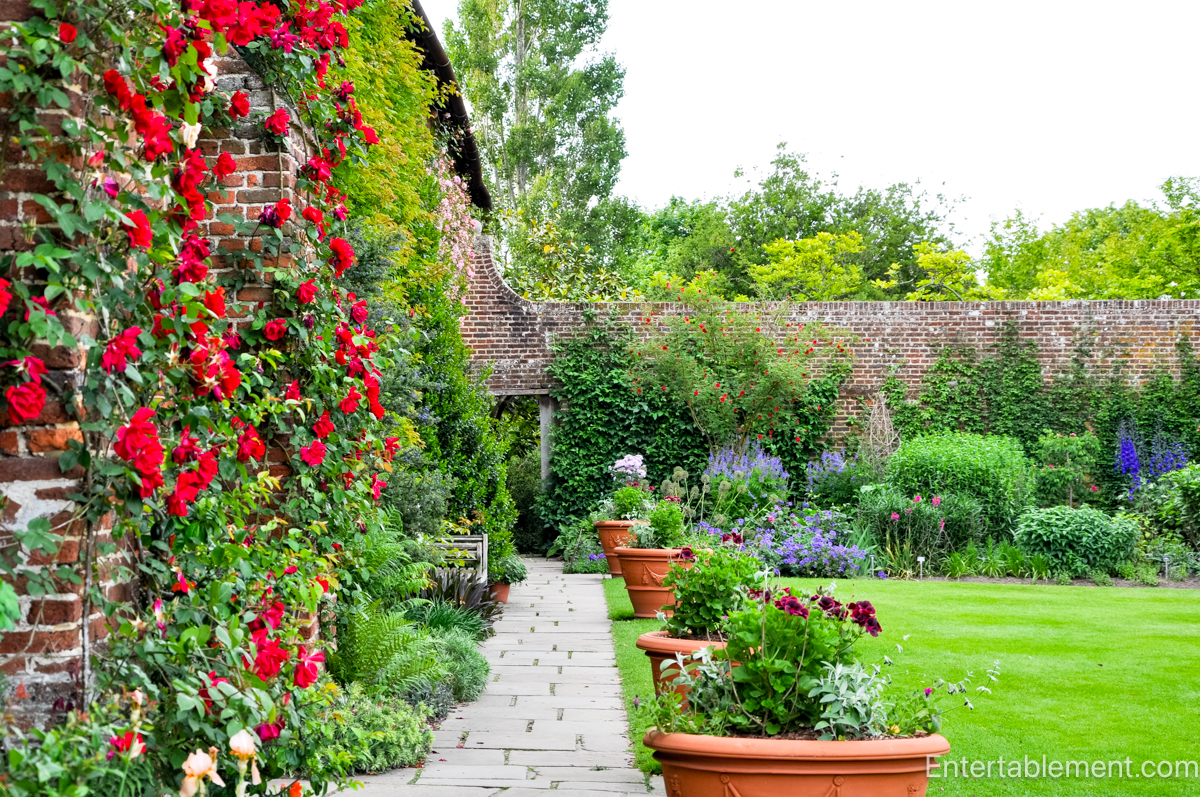
The Priest’s House abuts Vita’s White Garden, which is spilling over with unusual species of white plants.


The Black and White poppies were new to me, and I found some in the US to plant in our perennial garden in the Cape.

Black & White Poppies
The cottage garden has a warmer colour theme of yellows and reds.

The herb garden occupies another garden room.


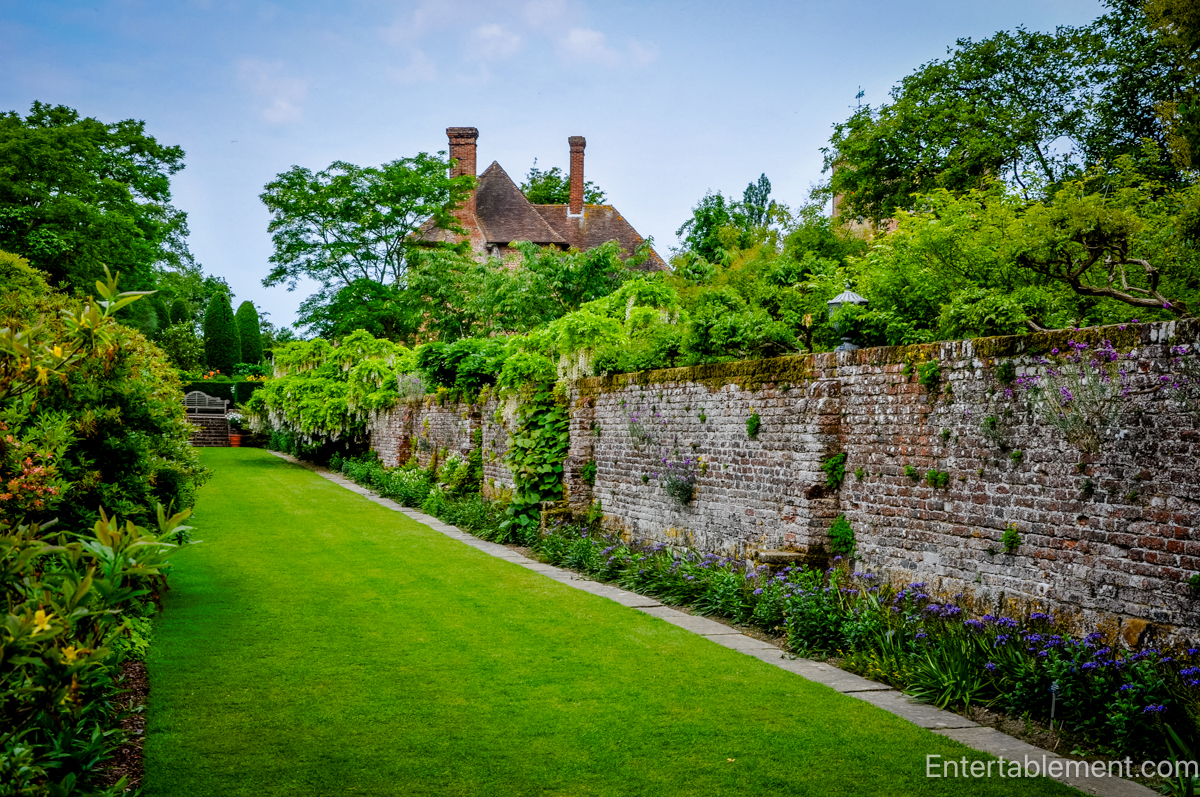
Everywhere you look, there is another view to capture your attention.
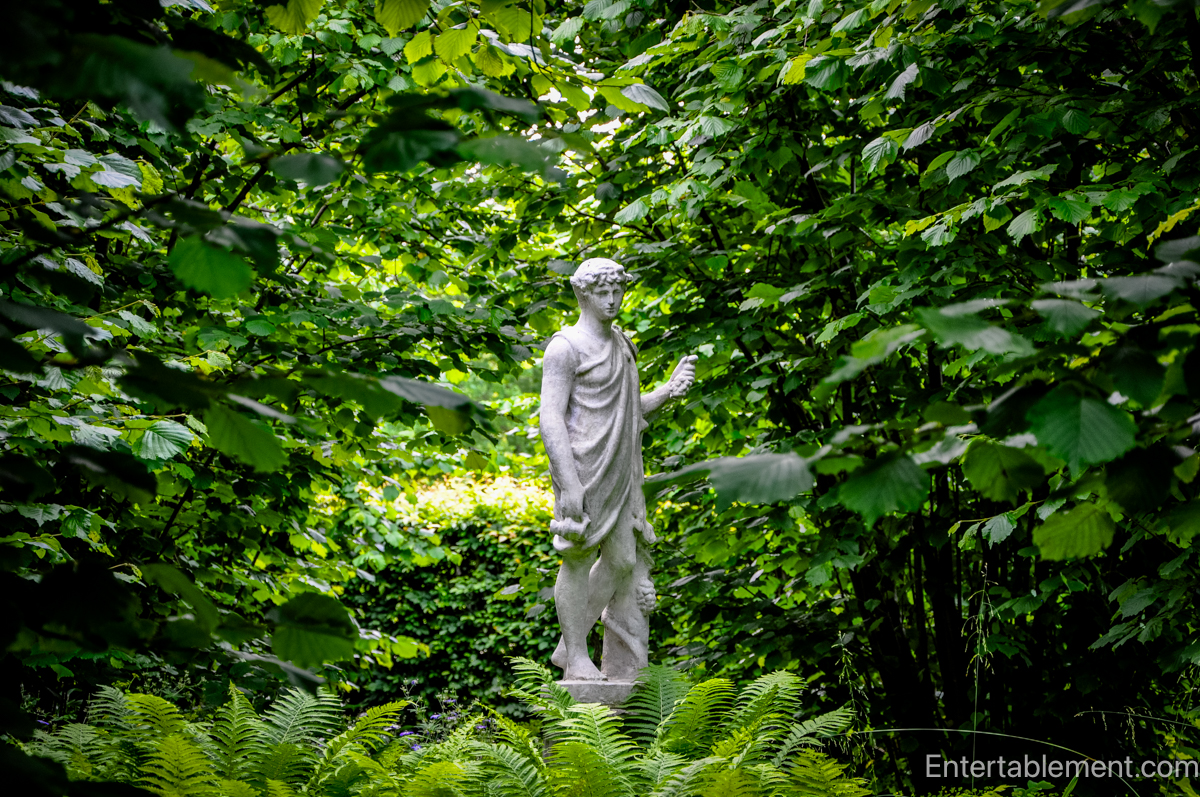

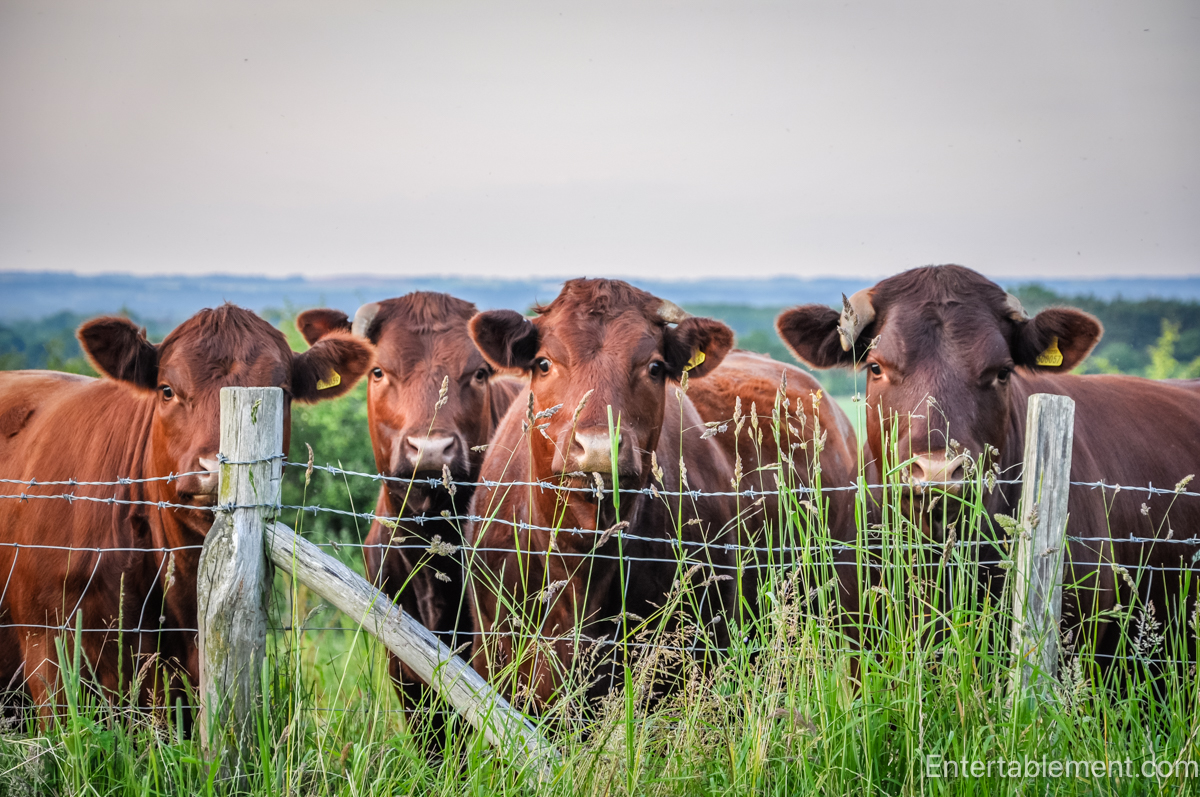
These guys greeted us when we returned home from our adventures each day.
One evening, we arrived back to discover this balloon had landed in one of the fields, and its owners were trying to get permission to come onto the property to retrieve it.

They appealed to us. We let them know that, sadly, we didn’t own the place. It certainly felt like home after a week, and we were sad to depart. We will return one spring to see the garden in another season. Can’t wait!





Wouldn’t it be nice if that garden could only be frozen to last all year round. What a magnificent display of color. I love the poppies but find they don’t last long enough considering their vibrant display of bright colors. Looks like you picked an amazing place to stay. The photos are beautiful. The colors here on the Cape have just blossomed so come on down. See you soon.
It would indeed, Maura. It’s a gorgeous garden in all seasons. To visit in June was to see it at its peak. The bulbs had all finished, of course, but the peonies, foxgloves, and delphiniums were all bursting with colour. The gardeners had cultivated some spectacular pastel-coloured aquilegia in one bed. Just as we were leaving they chopped them down not wanting them to propagate back to the original vivid colours. I was so sorry to see them go when they were still perfect!
See you next week! We are off to a wedding today and will be on our way first thing tomorrow.